
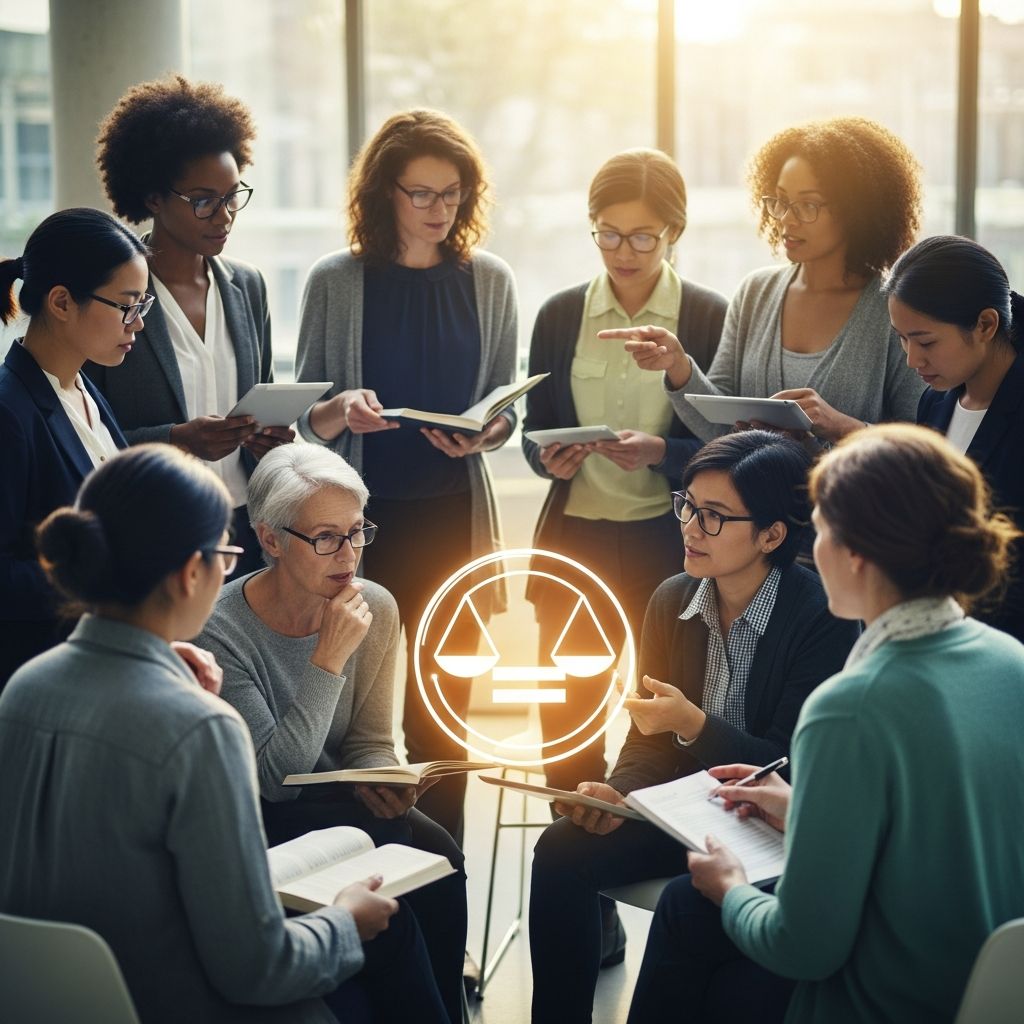
Feminism represents a powerful force advocating for the social, economic, and political equality of all genders, challenging systemic barriers that have historically disadvantaged women and marginalized groups. Emerging from centuries of struggle, it seeks to dismantle patriarchal structures and promote justice for everyone.
Core Foundations of Feminist Ideology
At its heart, feminism asserts that societies structured around male dominance—known as patriarchy—perpetuate unequal treatment of women in areas like education, employment, and personal autonomy. This ideology pushes for equal rights, including voting, property ownership, fair wages, and protection from violence.
Feminists argue that true equality requires addressing not just legal disparities but also cultural norms that reinforce gender stereotypes, such as expectations around dress, behavior, and career choices. By prioritizing human rights and solidarity, modern feminism extends its reach to include diverse identities, emphasizing that gender equality benefits society as a whole.
Historical Evolution Through Distinct Waves
Feminism’s journey unfolds in phases, often called ‘waves,’ each tackling unique challenges while building on prior gains.
- First Wave (19th-early 20th century): Focused on basic legal rights, particularly suffrage. Activists campaigned for women’s right to vote, own property, and access education, marking pivotal shifts in Western societies.
- Second Wave (1960s-1980s): Expanded to workplace equality, reproductive rights, and domestic roles. It addressed equal pay, contraception access, and challenging the notion that women’s primary role was homemaking.
- Third Wave (1990s-2000s): Embraced individuality, sexuality, and inclusivity, critiquing earlier waves for overlooking race and class differences.
- Fourth Wave (2010s-present): Leverages digital activism against sexual harassment, body shaming, and systemic oppression, with movements like #MeToo amplifying global voices.
These waves illustrate feminism’s adaptability, responding to evolving societal needs while maintaining a commitment to equity.
Diverse Branches Shaping Feminist Thought
Feminism is not monolithic; various branches offer distinct approaches to achieving equality.
| Branch | Key Focus | Main Goals |
|---|---|---|
| Liberal Feminism | Reform within existing systems | Legal and political changes for integration, like equal pay laws |
| Radical Feminism | Patriarchy as root oppression | Overhaul power structures, prioritize ending violence against women |
| Intersectional Feminism | Overlapping discriminations | Address race, class, sexuality alongside gender for holistic justice |
| Socialist Feminism | Economic inequality | Link gender oppression to capitalism, advocate worker rights |
Liberal feminism, for instance, works through democratic reforms without upending society, while radical strands demand deeper cultural transformations. Intersectionality, coined by Kimberlé Crenshaw, highlights how gender intersects with race, class, and other factors, creating compounded disadvantages.
Global Dimensions and Cultural Variations
Though rooted in Western contexts, feminism manifests worldwide, adapting to local customs and challenges. In Asia-Pacific regions, organizations like IWDA focus on empowering diverse women through education and policy advocacy, respecting cultural identities while pushing for equal opportunities.
Globally, feminists combat issues like child marriage, female genital mutilation, and unequal land rights, often collaborating with UN entities for broader impact. UN Women’s 2024 statement underscores intersectional justice, including LGBTIQ+ rights as integral to gender equality.
Key Achievements and Persistent Challenges
Feminism has secured landmark victories: women’s suffrage in many nations, reproductive rights expansions, and anti-discrimination laws. Workplace advancements include maternity leave and anti-harassment policies, reducing gender pay gaps in some areas.
Yet challenges persist. Women globally earn less for similar work, face higher violence rates, and underrepresented in leadership. Digital spaces amplify harassment, while backlash labels feminism as unnecessary in ‘post-feminist’ eras—a misconception ignoring ongoing disparities.
- Pay equity: Women earn about 77% of men’s wages globally (ILO data).
- Violence: 1 in 3 women experience physical/sexual violence (WHO).
- Representation: Women hold ~27% of parliamentary seats worldwide (UN Women).
These stats highlight the need for continued activism.
Feminist Theory: Analyzing Power and Society
Beyond activism, feminist theory examines gender in disciplines like sociology, economics, and philosophy. It critiques power dynamics, revealing how media, law, and economy reinforce inequality.
Theory informs practice: psychoanalytic feminism explores subconscious biases, while postcolonial feminism addresses how colonialism intersected with gender oppression in non-Western contexts.
The Role of Men and Allies in Feminism
Feminism benefits all genders by challenging rigid roles that harm men too, like emotional suppression. Male allies participate by advocating equal parenting, opposing toxic masculinity, and supporting policies like paid family leave.
Inclusive feminism fosters solidarity, recognizing equality dismantles hierarchies for everyone’s freedom.
Modern Activism: Digital Tools and Grassroots Efforts
Today’s feminists harness social media for rapid mobilization, as seen in #TimesUp and climate justice campaigns linking gender to environmental issues. Grassroots groups in the Global South focus on education and economic empowerment.
Challenges include online trolling and co-optation by corporations, yet resilience drives progress.
Frequently Asked Questions (FAQs)
What is the main goal of feminism?
Feminism aims for full social, economic, and political equality across genders, dismantling discriminatory systems.
Is feminism only for women?
No, it advocates for all genders, addressing how patriarchy harms everyone and promoting inclusive equality.
What does intersectional feminism mean?
It recognizes how gender discrimination overlaps with race, class, and other identities, creating unique oppressions.
Has feminism achieved its goals?
Significant progress yes, but gaps in pay, violence, and representation persist globally.
How can I get involved in feminism?
Educate yourself, support equal policies, amplify marginalized voices, and challenge biases in daily life.
References
- Feminism – Wikipedia — Wikimedia Foundation. 2025-04-01. https://en.wikipedia.org/wiki/Feminism
- Feminism | Definition, History, Types, Waves, Examples, & Facts — Encyclopædia Britannica. 2025-03-15. https://www.britannica.com/topic/feminism
- What Is Feminism and Why Is It Important? — Global Citizen. 2024-11-20. https://www.globalcitizen.org/en/content/what-is-feminism-and-why-is-it-important/
- What Is Feminism? — International Women’s Development Agency (IWDA). 2025-02-10. https://iwda.org.au/learn/what-is-feminism/
- Feminism: Overview — EBSCO Research Starters. 2024-12-05. https://www.ebsco.com/research-starters/women-s-studies-and-feminism/feminism-overview

- Integrated M.A. in Applied Linguistics, University of Hyderabad
- 5+ years in editorial, instructional, SEO, and research-based writing
Sneha is a relationships and lifestyle writer with a strong foundation in applied linguistics and certified training in relationship coaching. She brings over five years of writing experience to theskillvault, crafting thoughtful, research-driven content that empowers readers to build healthier relationships, boost emotional well-being, and embrace holistic living. Her writing and insights reflect the belief that beauty, happiness, and wellness…