
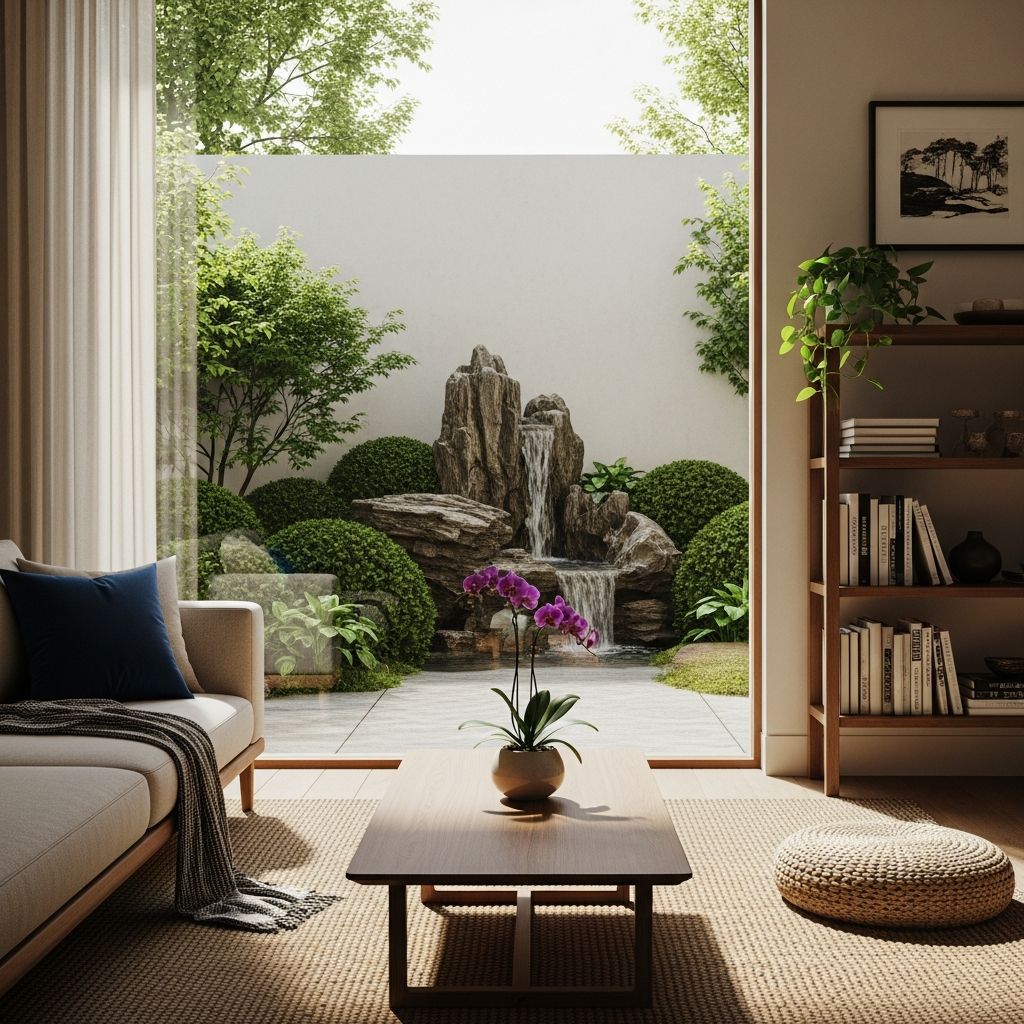
Feng Shui, a profound Chinese practice dating back thousands of years, focuses on aligning human environments with natural energies to foster well-being, prosperity, and balance. By understanding and directing the flow of vital life force known as Qi, practitioners create spaces that support personal and professional success.
Origins and Evolution of Feng Shui
The roots of Feng Shui trace to ancient China, where it emerged over 3,000 years ago as a system of geomancy, or earth divination. Literally translating to ‘wind-water,’ it reflects how these natural elements distribute energy across landscapes and structures. Early applications centered on selecting auspicious sites for graves, homes, and palaces to harness beneficial Qi and avoid harmful influences.
Historically, Feng Shui integrated astronomy, cosmology, and topography to orient buildings toward favorable directions. Texts like the Book of Burial emphasized capturing ‘vital Qi’ for the deceased, extending to living spaces for health and fortune. Over centuries, it evolved from elite imperial use to a widespread philosophy influencing architecture worldwide.
In contemporary times, Feng Shui adapts to urban living, blending traditional metaphysics with modern design. It addresses how surroundings impact emotions, productivity, and relationships, making it relevant for homes, offices, and gardens.
Core Principles: Qi, Yin-Yang, and Elemental Balance
At Feng Shui’s heart lies Qi (pronounced ‘chee’), the invisible life energy flowing through all things. Harmonious Qi circulation creates feelings of comfort and vitality, while stagnant or chaotic Qi leads to unease or misfortune. Qi arises from sunlight, air movement, water flow, colors, shapes, and even human emotions.
Qi interacts with yin and yang, complementary opposites representing balance—dark/light, soft/hard, passive/active. Ideal spaces blend these forces: a bright window (yang) beside a cozy rug (yin). Disruptions, like clutter blocking pathways, imbalance this duality, hindering energy flow.
- Qi Flow: Smooth, unobstructed movement through doors, hallways, and rooms promotes positivity.
- Yin-Yang Harmony: Equal representation prevents extremes, such as overly dark (excess yin) or glaringly bright (excess yang) areas.
- Nature Integration: Proximity to green plants or water features enhances Qi vitality.
The Five Elements: Wood, Fire, Earth, Metal, Water
Feng Shui employs the five elements—Wood, Fire, Earth, Metal, and Water—to regulate energy. Each element corresponds to colors, shapes, seasons, and directions, interacting via productive (nurturing) or destructive (controlling) cycles. For instance, Water nourishes Wood (productive), while Metal cuts Wood (destructive).
| Element | Color | Shape | Direction | Qualities |
|---|---|---|---|---|
| Wood | Green, Blue | Rectangular, Tall | East | Growth, vitality, creativity |
| Fire | Red, Orange | Triangular, Pointed | South | Passion, transformation, fame |
| Earth | Yellow, Brown | Square, Flat | Center | Stability, nurturing, health |
| Metal | White, Gray | Round, Spherical | West | Clarity, precision, wealth |
| Water | Black, Navy | Wavy, Irregular | North | Wisdom, flow, career |
Use these associations to balance spaces: Add wooden furniture in the east for growth or a metal sculpture in the west for prosperity. Imbalances, like excess Fire (too many red accents), can overstimulate; remedies involve opposing elements.
Essential Tools: Bagua Map and Compass
The Bagua map, an octagonal energy grid from the I Ching, overlays spaces to link areas with life aspects like wealth, relationships, and health. Align its edges with your home’s door to identify zones needing enhancement—e.g., the southeast corner for abundance.
The Luo Pan compass, a sophisticated tool with concentric rings, measures precise directions and energies. Professionals use it for detailed audits, detecting subtle influences from time, landscape, and orientation.
- Bagua Application: Place mirrors or plants in weak zones to activate energy.
- Compass Use: Orient beds or desks toward personal auspicious directions based on birth data.
Practical Applications in Daily Spaces
Bedroom Bliss: Rest and Relationships
In bedrooms, position the bed with a solid wall behind the headboard (mountain support) and clear views of the door (commanding position). Avoid beams overhead, which ‘chop’ Qi, and electronics that disrupt sleep energy. Earth tones and rounded shapes promote yin relaxation.
Prosperous Entryways and Living Areas
The front door, the ‘mouth of Qi,’ should open to a welcoming view, not a wall. Use mirrors to expand space and plants to filter energy. Living rooms benefit from circular arrangements fostering community and flowing pathways.
Office Optimization for Success
Desk placement follows the commanding position: back supported, facing the door. Incorporate Water elements (fountains) for career flow and Metal for helpful people. Declutter to prevent stagnation.
Garden and Landscape Harmony
Outdoor Feng Shui curves paths like rivers, pools water gently, and boulders provide stability. Avoid straight lines channeling ‘sha Qi’ (negative arrows).
Common Misconceptions and Modern Adaptations
Feng Shui isn’t superstition or mere decorating; it’s a metaphysical science assessing time, space, and human intent. Western versions often simplify to color wheels, ignoring classical compass methods.
Today, it integrates with sustainable design, biophilic elements, and wellness trends, proving adaptable without losing essence.
Frequently Asked Questions (FAQs)
What is the first step to apply Feng Shui at home?
Declutter thoroughly—remove broken items and excess possessions to allow Qi to flow freely.
Can Feng Shui help with career advancement?
Yes, by activating the north career area with Water features and positioning workspaces optimally.
Is Feng Shui only for interiors?
No, it applies to landscapes, cities, and even body posture for holistic energy alignment.
How does one balance the five elements?
Assess your space’s dominant energies and introduce supportive items via cycles of production and control.
Does Feng Shui require expensive changes?
Not at all; simple shifts like rearranging furniture or adding plants yield significant improvements.
Getting Started: Simple Tips for Beginners
Begin with intention: Visualize desired outcomes like better health or relationships. Cleanse spaces with salt water or bells. Experiment mindfully, observing mood shifts. Consult certified practitioners for personalized audits.
Feng Shui empowers by revealing how environments shape destiny. Consistent practice cultivates lasting harmony.
References
- What Is Feng Shui — The Feng Shui Society. Accessed 2026. https://www.fengshuisociety.org.uk/what-is-feng-shui/
- What is Feng Shui? — Crane & Canopy. Accessed 2026. https://www.craneandcanopy.com/pages/101-what-is-feng-shui
- What is Feng Shui – the basics and how it works — International Feng Shui Guild. Accessed 2026. https://www.ifsguild.org/what-is-feng-shui/
- Feng shui — Wikipedia. Accessed 2026. https://en.wikipedia.org/wiki/Feng_shui

Medha Deb is an editor with a master's degree in Applied Linguistics from the University of Hyderabad. She believes that her qualification has helped her develop a deep understanding of language and its application in various contexts. Medha specializes in the areas of beauty, health, sports, and wellness and is committed to ensuring that the content on the website is…