
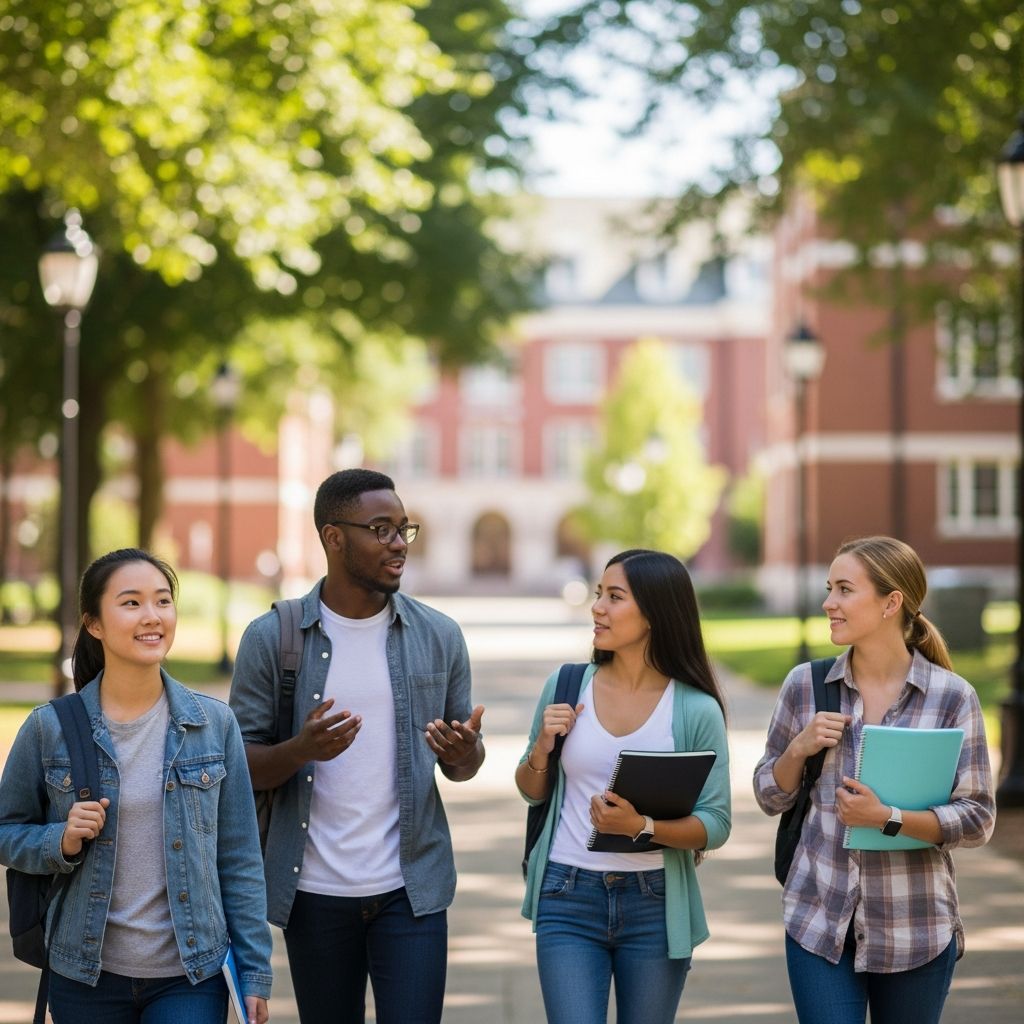
First-generation college students, often the first in their families to pursue higher education, represent a growing demographic reshaping campuses nationwide. These trailblazers bring resilience and diverse perspectives but encounter distinct hurdles that demand tailored institutional responses. Understanding their experiences is key to fostering equity in higher education.
Defining the First-Generation Experience
The term first-generation college student typically refers to individuals whose parents did not complete a bachelor’s degree. This group often hails from working-class or low-income backgrounds, lacking the inherited knowledge of college navigation that continuing-generation peers enjoy. Statistics reveal they comprise about 56% of U.S. college enrollees, yet their graduation rates lag significantly behind.
These students frequently juggle multiple roles—student, worker, caregiver—while adapting to unfamiliar academic cultures. Their journey begins with high school transitions and extends through career launches, marked by both triumphs and trials.
Key Obstacles on the Road to Graduation
First-gen students face multifaceted barriers that intertwine academic, financial, emotional, and social dimensions. Awareness of these issues allows educators and policymakers to intervene effectively.
Financial Pressures and Economic Strain
Monetary concerns dominate the first-gen narrative. Many work part- or full-time to support families or cover tuition, exacerbating stress over rising costs and uncertain aid. Unlike peers with college-savvy parents, they navigate complex financial aid systems without guidance, leading to higher debt burdens post-graduation.
This financial juggling act limits access to internships or study abroad, stunting professional growth. Institutions report that such students delay graduation or drop out due to these pressures.
Academic and Navigational Gaps
Lacking exposure to the ‘hidden curriculum’ of college—unspoken rules about office hours, tutoring, or syllabus decoding—first-gen students often underutilize resources. They may perceive support services like writing centers as remedial, rather than essential tools.
Lower college readiness from under-resourced high schools compounds this, resulting in adjustment difficulties and lower GPAs.
Emotional and Psychological Hurdles
Imposter syndrome plagues many, fostering doubts about belonging in elite academic spaces. Low self-esteem, family achievement guilt, and cultural mismatches amplify isolation. Research links these stressors to elevated systemic inflammation and health issues in their first semester.
Family dynamics add complexity; parents may not grasp the time demands, offering mismatched support or pressure.
Social Integration and Belonging
Feeling out of place due to socioeconomic or cultural differences hinders peer and faculty connections. Limited cross-racial interactions and perceived hostile climates erode self-concept, increasing dropout risks.
Table: Common Challenges vs. Continuing-Generation Peers
| Challenge Area | First-Gen Students | Continuing-Gen Peers |
|---|---|---|
| Financial Stress | High; often work full-time, debt-prone | Lower; family guidance on aid |
| Resource Awareness | Limited familiarity with services | Inherited knowledge from family |
| Emotional Health | Imposter syndrome, guilt common | Stronger support networks |
| Graduation Rates | ~24% six-year rate | ~60% six-year rate |
Data synthesized from institutional studies; rates approximate U.S. averages.
Proven Strategies for Overcoming Barriers
Targeted interventions can bridge gaps, boosting retention by up to 20%. Colleges increasingly prioritize these approaches.
Mentorship: Building Guiding Relationships
Mentorship from faculty or alumni who share first-gen status provides relatable advice on academics, finances, and networking. Programs pairing students with experienced guides reduce isolation and improve persistence.
- Regular check-ins on study habits and career goals.
- Guidance through financial aid and internship applications.
- Emotional support to combat imposter feelings.
Access to Tailored Resources
Proactive outreach demystifies services. Dedicated first-gen offices offer workshops on time management, FAFSA filing, and career prep. Tutoring, laptop loans, and mental health referrals level the playing field.
Only 16% use career services in year one; targeted campaigns increase utilization.
Financial and Wellness Support
Scholarships, emergency grants, and work-study prioritize first-gen needs. Counseling with cultural sensitivity addresses unique stressors via support groups and ‘Walk and Talk’ events.
Institutional Initiatives Driving Change
Universities like Northwestern and others implement holistic programs. Campus-wide collaborations link advising, career services, and financial aid. Celebrating milestones fosters pride and community.
Government programs and minority integration efforts historically aid access, but sustained in-college support is crucial.
Career Navigation: From Campus to Profession
Post-graduation, first-gen students face networking deficits. Career centers, alumni networks, and professor connections help. Therapy and extracurricular funding build resumes.
Overcoming barriers like low service usage requires peer testimonials and faculty encouragement.
Frequently Asked Questions (FAQs)
What defines a first-generation college student?
A student whose parents lack a four-year degree, often from non-traditional backgrounds.
Why do first-gen students drop out more often?
Financial strain, lack of guidance, and emotional challenges contribute to lower retention.
How can mentors help?
By offering practical advice, emotional support, and networking, improving success odds.
Are there specific health impacts?
Yes, increased stress leads to inflammation and psychosocial issues.
What resources should colleges provide?
Mentorship, financial aid workshops, culturally sensitive counseling, and resource hubs.
Empowering the Next Generation
By dismantling barriers through inclusive policies, first-gen students not only graduate but lead. Their success enriches society, proving that with support, potential knows no bounds. Institutions investing here cultivate diverse, innovative futures.
References
- Why First-Gen College Students Need Extra Support — Medicat. 2023. https://medicat.com/why-first-gen-college-students-need-extra-support/
- 5 Ways You Can Support First-Generation College Students — Code2College. 2023. https://code2college.org/5-ways-you-can-support-first-generation-college-students/
- Breaking Down Barriers: First-Generation College Students and College Success — League for Innovation. 2023. https://www.league.org/innovation-showcase/breaking-down-barriers-first-generation-college-students-and-college-success
- Supporting First-Generation College Student Success — Searle Center, Northwestern University. 2023-10-01. https://searle.northwestern.edu/resources/learning-teaching-guides/first-generation-college-student-page.html
- First-Generation College Students, Emotional Support, and Systemic Inflammation — PMC (NIH). 2023. https://pmc.ncbi.nlm.nih.gov/articles/PMC10456970/
- First-Generation College Student Career Barriers — FGCU Career Services. 2025-07-25. https://careerservices.fgcu.edu/blog/2025/07/25/first-generation-college-student-career-barriers-and-how-to-overcome-them-2/

Medha Deb is an editor with a master's degree in Applied Linguistics from the University of Hyderabad. She believes that her qualification has helped her develop a deep understanding of language and its application in various contexts. Medha specializes in the areas of beauty, health, sports, and wellness and is committed to ensuring that the content on the website is…