
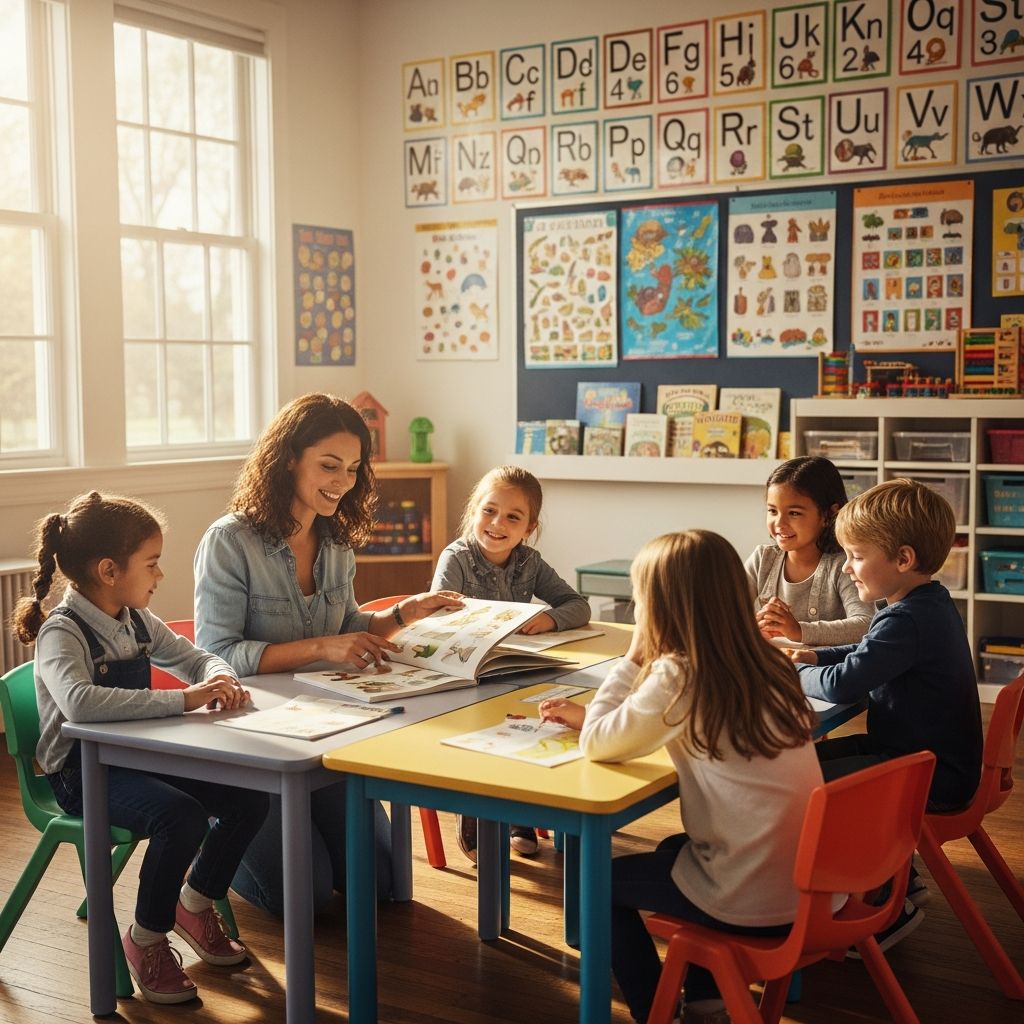
Creating a Purposeful Start to the Academic Year
The opening week of school represents a unique opportunity to establish the trajectory for an entire year of learning. During these critical initial days, educators must balance the introduction of classroom procedures with the equally important task of building community and fostering student engagement. Rather than viewing this time as merely operational, teachers can strategically use each day to communicate expectations, demonstrate their teaching philosophy, and create an atmosphere where students feel welcomed and valued. This foundational period sets the tone for student behavior, academic motivation, and the overall classroom climate that will persist throughout the academic year.
Research on classroom effectiveness consistently demonstrates that time invested in community-building during the opening weeks yields significant returns in student engagement, behavior management, and academic outcomes. Students who feel connected to their peers and their teacher from day one are more likely to participate actively, take academic risks, and develop a sense of belonging that supports long-term success. The challenge for educators lies in designing first-week activities that accomplish multiple objectives simultaneously: establishing routines, assessing student needs, building relationships, and maintaining high engagement levels.
Establishing Clear Operational Expectations and Procedures
Before diving into content-heavy instruction, the opening week must prioritize teaching students the procedural foundation upon which all classroom learning depends. These procedures encompass both routine operations—such as how to enter the classroom, transition between activities, and submit assignments—and safety protocols including fire drills and emergency procedures. When students understand exactly what is expected in various classroom contexts, they can navigate the day with confidence rather than uncertainty, reducing behavioral issues and creating space for authentic learning.
Effective procedures instruction goes beyond simply listing rules. Instead, teachers should model expected behaviors, practice them repeatedly, and provide specific positive feedback when students demonstrate compliance. During the opening week, dedicate substantial class time to walking through these procedures step-by-step. For example, if students need to know how to access materials from a supply station, demonstrate the process, practice it together, and allow students to experience success before moving to the next procedure.
Creating a syllabus scavenger hunt represents an innovative approach to embedding procedural learning within an engaging activity. Rather than reading through a lengthy document, students search the classroom and syllabus for answers to questions about classroom policies, safety procedures, and learning expectations. This approach accomplishes multiple goals: it familiarizes students with important information, encourages them to explore the physical classroom space, and demonstrates that you value their active participation in learning about classroom operations.
Building Authentic Connections Through Strategic Icebreaker Activities
Icebreaker activities serve a purpose far beyond simple entertainment. Well-designed icebreakers create psychological safety, helping students transition from summer mode into a learning-focused mindset while simultaneously building classroom community. The most effective icebreakers require genuine personal sharing, encourage peer interaction, and help students discover commonalities with classmates they may not otherwise connect with during the academic year.
One particularly effective strategy involves the “Two Truths and a Lie” format, where students compose three statements about themselves with one being false. After sharing their statements aloud, peers attempt to identify the falsehood. This activity accomplishes multiple simultaneous objectives: it allows you to informally assess written communication skills, provides insight into student personalities and interests, and creates an entertaining context for peer connection. A variation called “Two Truths and a Dream” offers students additional scaffolding by framing the false statement as a personal aspiration, which can subsequently serve as a writing prompt for English language arts instruction.
Movement-based icebreakers prove particularly valuable for younger students and those with high kinesthetic learning needs. Activities such as “Would You Rather,” where students physically move to different sides of the room based on preference choices, combine relationship-building with physical activity. These activities help students recognize commonalities in preferences and interests, reduce physical tension that naturally accompanies the first day of school, and provide teachers with informal opportunities to observe student dynamics and social patterns.
The “Find a Friend” activity structure uses targeted worksheets containing categories—sports, foods, games, favorite colors—where students must locate classmates who share their preferences. This approach ensures that students engage in meaningful conversations and helps quieter students or those new to the school find at least one peer connection. By the activity’s conclusion, every student has identified peers with shared interests, creating natural friendship foundations upon which to build throughout the year.
Creating Inclusive Classroom Spaces Where Students Feel Valued
The physical classroom environment communicates messages about what and whom the teacher values. When teachers invite students to collaborate in decorating and personalizing classroom spaces during the opening week, they communicate that student input matters and that the classroom belongs to everyone, not just the teacher. This inclusive approach to space creation fosters a sense of ownership and investment in maintaining a positive classroom environment.
One structured approach involves dividing the class into groups and assigning each group responsibility for decorating a particular wall or area. Rather than simply adding aesthetic elements, each group identifies one word that represents a shared classroom goal they hope to accomplish during the year. This activity combines creative expression with intentional goal-setting, ensuring that classroom decoration serves the dual purpose of aesthetic improvement and community values clarification.
Material setup and personalization activities extend this principle into students’ individual materials. Having students decorate the covers of their notebooks or binders using magazines, markers, and other creative supplies accomplishes multiple objectives. The activity provides a calming, creative outlet that counterbalances the stimulation and social anxiety of first-week interactions. Simultaneously, it creates a keepsake that students can take home, cementing positive first-day memories. While students work on personalization, teachers can circulate throughout the room, asking about design choices and building informal relationships through genuine conversations about students’ interests and creative decisions.
Implementing Diagnostic Activities That Assess Student Skills and Needs
The opening week provides ideal conditions for informal assessment of student capabilities without the pressure and stress associated with formal testing. By embedding assessment within engaging activities, teachers gather crucial information about student skill levels, learning preferences, and social-emotional needs while maintaining high student motivation and engagement.
The “Two Truths and a Lie” activity, while primarily a community-building tool, simultaneously provides teachers with insight into students’ written communication capabilities. As students compose and read their statements, teachers can observe spelling and grammar usage, identify students who struggle with written expression, and note those whose communication skills exceed grade-level expectations. This informal observation guides instructional planning and helps teachers identify students who may benefit from additional support or enrichment.
Grammar-based games function effectively as both engagement tools and diagnostic assessments. For example, “Grammar Dice Bingo” requires students to work in pairs or teams, rolling dice and completing grammar tasks that correspond to numbered columns. This format reveals which students have solid foundational understanding, which require review of concepts, and which need direct instruction in grammar fundamentals. The game format removes the anxiety often associated with assessment, making students more willing to attempt challenging tasks.
Scavenger hunt activities designed around classroom content serve similar diagnostic purposes while building familiarity with the learning space. As students locate items and record descriptions or information, teachers observe problem-solving approaches, reading comprehension, and attention to detail. These informal observations provide valuable baseline information about each student’s learning profile before formal instruction begins.
Fostering Confidence and Belonging Through Affirmation Activities
The emotional dimension of returning to school cannot be overlooked. Many students experience anxiety about new teachers, new classmates, and unfamiliar routines. Activities designed specifically to build confidence and communicate belonging help counter this natural anxiety and create a psychological foundation for risk-taking and engagement.
The “Thanks for the Compliment” activity creates a structured environment for positive peer interaction while building individual confidence. Students receive papers taped to their backs and circulate through the classroom while peers write compliments directly on their papers. After collecting feedback from all classmates, students read aloud the affirmations they received. This activity demonstrates that teachers value positive peer relationships, creates an explicit culture of encouragement, and provides concrete evidence to each student that their classmates appreciate specific qualities they possess. For students who struggle with self-worth or social connection, this activity can prove particularly powerful in creating immediate sense of belonging.
Communication activities such as daily note exchanges using name tents create sustained channels for student-teacher connection throughout the opening week and beyond. Students write daily notes, questions, or concerns in their name tent, which teachers respond to in writing. This ongoing written dialogue communicates to students that their thoughts and feelings matter, provides teachers with insight into individual student experiences and concerns, and creates documentation of early relationship-building that can be referenced later in the year.
Maximizing Engagement Through Structured Play and Movement
Students arrive at school following a summer break with high energy levels and varying degrees of readiness for structured academic work. Strategic use of games and movement-based activities during the opening week harnesses this energy productively while building community and assessing student capabilities.
Four Corners activities engage students through movement while addressing content or personal preferences. Teachers pose questions or scenarios—”How are you feeling today? Happy, nervous, sad, or tired?”—and students move to corners of the room that correspond to their response. This approach provides teachers with immediate visual assessment of student emotional states, allows students to recognize peers who share their feelings, and generates natural opportunities for conversation and connection.
Rock, Paper, Scissors variations introduce concepts of sportsmanship and teamwork while maintaining high engagement. In “Rock, Paper, Scissors, Posse,” teams compete while learning to support teammates even in the face of loss. This structure embeds important social-emotional learning—resilience, teamwork, and encouragement—within a game format that maintains student interest and participation.
Curriculum-aligned games can begin introducing academic content while maintaining the engagement and fun associated with game-based learning. Platforms that use game mechanics to teach foundational skills help students connect academic learning with enjoyment and excitement. This early positive association with academic content establishes motivation patterns that can persist throughout the year.
Strategic Timing and Sequencing of First-Week Activities
The specific sequencing and timing of first-week activities significantly impacts their effectiveness. The opening day should prioritize lower-stress activities that help students feel welcome and build initial confidence. Name tag challenges and simple icebreakers work well on day one, providing structure while remaining emotionally low-risk.
By mid-week, as students have developed slight comfort with the new environment, more complex activities requiring higher levels of participation can be introduced. Material setup and decoration activities work well mid-week because they require creativity and personal investment, which students are more willing to provide once initial anxiety has diminished. Grammar games and diagnostic activities similarly benefit from mid-week timing, as students have developed sufficient classroom comfort to engage meaningfully with academic content.
Friday activities should balance continued relationship-building with reflection and closure. This timing allows students to end the week on a positive note and provides teachers with time to review observations and plan adjustments for the following week. Decorating and creative personalization activities work particularly well for Friday, as their calming nature helps students transition to the weekend and creates positive lasting impressions of the week.
Integrating Student Voice and Choice Throughout Opening Week
Students demonstrate significantly higher engagement and motivation when they have opportunities to exercise choice and influence classroom direction. The opening week establishes precedent for either teacher-directed, compliance-focused instruction or student-centered, inquiry-focused learning. Teachers who invite student input regarding classroom goals, decoration preferences, and learning priorities communicate that student voice matters throughout the year.
The decoration activity where groups establish one-word classroom goals directly incorporates student voice into the establishment of classroom values and culture. Rather than teachers unilaterally determining classroom expectations, students participate in defining what the classroom will be about collectively. This approach increases student investment in classroom goals and creates community ownership of classroom culture.
Additional structures for incorporating student voice include surveys asking students about learning preferences, “What Do You Wonder?” walls where students post questions and curiosities, and reflection activities where students identify personal learning goals for the year. These mechanisms establish precedent that the classroom is a place where student thinking, questions, and ideas are valued.
Frequently Asked Questions
Q: How much time should I dedicate to procedures versus engagement activities during the opening week?
A: The balance depends on grade level and student population, but generally allocate approximately 60% of time to procedures and classroom operations, with 40% dedicated to community-building and engagement activities. Remember that procedures instruction itself can be engaging when embedded within scavenger hunts and interactive activities rather than delivered through lecture.
Q: Should I introduce academic content during the opening week?
A: Limited content introduction is appropriate, particularly when embedded within games or activities that simultaneously serve community-building purposes. Full academic instruction should typically begin in the second week after classroom procedures and community foundations are established. However, curriculum-aligned games and activities can introduce foundational concepts while maintaining engagement.
Q: How can I help new students who don’t know anyone in the class feel comfortable?
A: Prioritize activities like “Find a Friend” that specifically require students to locate peers with shared interests, pair new students with peer buddies who can introduce them to classmates, and ensure you spend individual time connecting with new students during informal moments like decorating and material setup activities.
Q: What should I do if activities take longer than planned?
A: Prioritize completion of activities over strict adherence to timing. Community-building activities that extend slightly generate more meaningful connection than rushed activities. You can adjust remaining week activities to shorter formats or combine planned activities rather than eliminating them entirely.
Q: How can I assess whether my opening week activities were effective?
A: Observe student comfort levels, willingness to participate, peer interactions, and receptiveness to classroom procedures. Track informal notes on individual student behavior, social connections, and skill observations. Ask yourself whether students appear more relaxed and connected by week’s end. These indicators suggest successful community-building and foundation establishment.
References
- 17 Fun First Day of School Activities to Try This Year — Prodigy Math. 2024. https://www.prodigygame.com/main-en/blog/first-day-of-school-activities
- 5+ Activities for the First Week of School — The Literary Archives. 2024. https://www.theliteraryarchives.com/teaching/5-activities-for-the-first-week-of-school
- Easy First Week of School Activities for Middle School — Maneuvering the Middle. 2024. https://www.maneuveringthemiddle.com/first-week-of-school-activities/
- 30 Fun First-Day-of-School Activities [2025 Edition] — Brisk Teaching. 2025. https://www.briskteaching.com/post/fun-first-day-of-school-activities-for-the-classroom
- 5 Must Haves for the First Week of School — YouTube. 2024. https://www.youtube.com/watch?v=2NBMpG-Qo9U
- Six things to do the first week of school — Mrs. Stouffer’s Music Room. 2024. https://mrsstouffersmusicroom.com/six-things-to-do-the-first-week-of-school/

- Integrated M.A. in Applied Linguistics, University of Hyderabad
- 5+ years in editorial, instructional, SEO, and research-based writing
Sneha is a relationships and lifestyle writer with a strong foundation in applied linguistics and certified training in relationship coaching. She brings over five years of writing experience to theskillvault, crafting thoughtful, research-driven content that empowers readers to build healthier relationships, boost emotional well-being, and embrace holistic living. Her writing and insights reflect the belief that beauty, happiness, and wellness…