
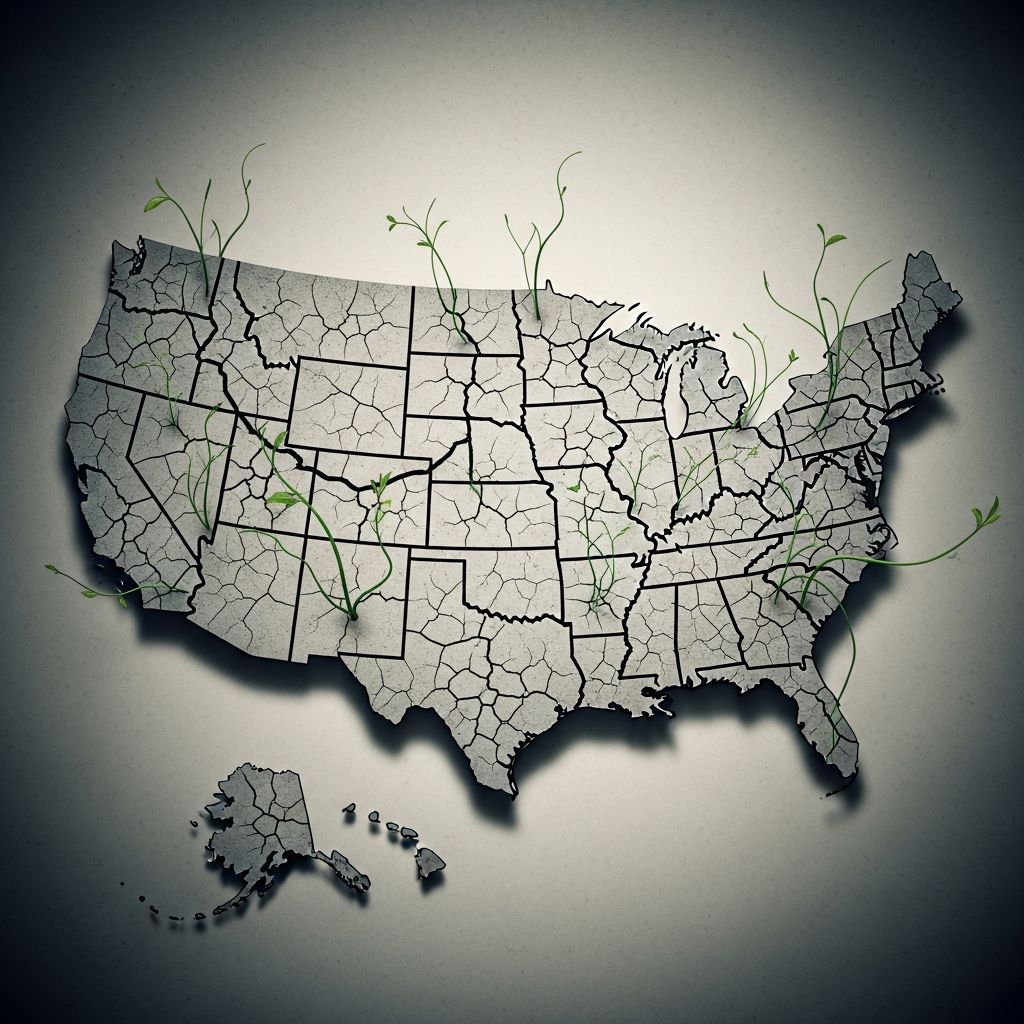
The United States faces a persistent mental health crisis marked by rising need, uneven access, and a system that too often responds late, inconsistently, or not at all. Robust data show that nearly a quarter of U.S. adults experience a mental illness in a given year, yet many never receive timely, appropriate care. At the same time, demand is rising across the lifespan while the infrastructure meant to support mental wellness remains fragmented and underfunded.
This article explores three interconnected system-level problems that must be addressed to improve mental health care in the U.S.:
- Chronic underfunding and unstable policy for mental and behavioral health services
- Severe workforce and access gaps, especially in high-need communities
- Fragmented, poorly integrated care that separates mental and physical health
Drawing on current evidence and national policy trends, it also outlines practical reforms that can move the system from crisis management to prevention, early intervention, and sustained recovery.
The Scope of the Mental Health Challenge
Multiple national data sources now show that mental and behavioral health conditions are both common and increasingly burdensome. Mental Health America reports that over 23% of U.S. adults experienced some form of mental illness in recent years, a rate that has remained consistently high. Meanwhile, more than 1 billion people worldwide are living with mental health conditions, underscoring the global scale of the challenge.
Recent research highlights several key trends:
- High prevalence and unmet need: A substantial share of adults report symptoms of depression, anxiety, or other conditions but do not receive treatment.
- Worsening indicators for many groups: A National Academies report notes that numerous indicators of mental and behavioral health are deteriorating in the U.S., particularly in low-income, rural, and racial or ethnic minority communities.
- Growing crisis experiences: Surveys in 2025 suggest that nearly 1 in 10 U.S. adults have experienced a mental health crisis—such as suicidal thoughts or inability to function—in the past year, illustrating the intensity of distress many people face.
Despite these trends, mental health systems often operate with outdated structures and inconsistent priorities. Understanding the systemic roots of these problems is crucial to building a better path forward.
1. Funding Instability and Policy Gaps
The mental health system is built on a patchwork of public and private funding streams. Medicaid, Medicare, commercial insurance, federal block grants, and state and local dollars all play a part. This complexity can create volatility, gaps, and perverse incentives that directly affect whether people receive care.
The Central Role of Public Programs
Medicaid provides a critical share of funding for mental health and substance use disorder services, accounting for roughly a quarter of national behavioral health spending. Because Medicaid disproportionately serves people with higher rates of mental health and substance use conditions, changes to eligibility or coverage can have outsized effects on access.
Recent policy actions illustrate the risks:
- Major proposed cuts to federal Medicaid funding would reduce coverage for millions of people, likely eroding access to behavioral health services and destabilizing providers that rely on Medicaid revenue.
- Non-enforcement of mental health parity rules weakens protections that require insurers to cover mental health on par with physical health, potentially increasing out-of-pocket costs or narrowing networks.
When large systems lose funding or regulations are weakened, people with serious mental illness, substance use disorders, and low incomes are often the first to experience service reductions.
Consequences of Disinvestment
Funding cuts ripple across the mental health ecosystem in multiple ways:
- Service reductions in community mental health centers, crisis programs, and prevention initiatives
- Increased wait times and fewer available clinicians, especially in high-need areas
- Greater reliance on emergency rooms, jails, and shelters to manage crises that could have been prevented with early intervention
The National Academies emphasize that an infrastructure for preventive interventions exists but is “fragmented and unevenly developed” and requires stable, coordinated funding to achieve impact nationwide. Without reliable investment, communities are left to patch together short-term projects rather than build durable systems of care.
Policy Reforms to Strengthen Financing
To create a more resilient mental health system, policymakers and payers can pursue several evidence-informed strategies:
- Protect and expand Medicaid mental health coverage, including behavioral health parity and optional benefits that support community-based care.
- Enforce mental health parity laws across public and private plans so that mental health services receive equivalent coverage to physical health treatment.
- Invest in prevention and early intervention through sustained federal and state funding, guided by the National Academies’ recommendations for scaling effective, evidence-based programs across settings such as schools and primary care.
- Prioritize high-need areas by directing grants and incentives to counties and populations with the greatest risk and the fewest resources, such as maternal mental health “dark zones” and rural communities.
2. Workforce Shortages and Unequal Access
Even when people have coverage, they may struggle to find a clinician. Severe workforce shortages, especially in psychiatry and child mental health, are a defining feature of the U.S. system.
Gaps in the Mental Health Workforce
Analyses of the U.S. psychiatry workforce estimate that, as of 2021, only about 28% of population treatment need was being met, with roughly 6,600 additional psychiatrists required to close the gap. Shortages are especially pronounced in rural regions, low-income urban neighborhoods, and safety-net settings.
Similar trends appear in specialized areas such as maternal mental health. A 2025 assessment found that:
- The number of maternal mental health providers more than doubled between 2023 and 2025, yet
- 84% of birthing-aged women still live in counties designated as maternal mental health provider shortage areas.
- Nearly 150 U.S. counties function as “dark zones”—areas with both high risk and large resource shortages.
These shortages translate into long wait times, limited choice of clinicians, and disrupted continuity of care. For many people, the practical result is forgoing treatment altogether.
Populations at Highest Risk of Being Left Behind
Workforce and resource gaps rarely affect all communities equally. People who face overlapping social and structural disadvantages are often systematically underserved. These include:
- Low-income individuals and families
- Rural residents
- Racial and ethnic minority communities facing discrimination and structural racism
- Pregnant and postpartum people in high-risk counties
- People with serious mental illness who need intensive, coordinated services
The National Academies highlight that mental and behavioral health indicators are worsening fastest in low-income, rural, and minority communities, reflecting both higher exposure to risk factors and reduced access to effective care.
Strategies to Expand and Support the Workforce
Closing workforce gaps will require a combination of training, incentives, and changes in care models. Key approaches include:
- Expanding training pipelines through scholarships, loan repayment programs, and funded residency or fellowship slots tied to service in underserved areas.
- Building diverse, culturally responsive teams that reflect the communities they serve, improving trust and engagement.
- Leveraging collaborative care models in which primary care providers work closely with behavioral health specialists and care managers to extend the reach of limited psychiatric capacity.
- Supporting non-traditional providers such as peer specialists, community health workers, and doulas or perinatal support providers in maternal mental health initiatives.
- Using tele-mental health strategically to reach rural and frontier communities, while ensuring privacy, broadband access, and digital literacy.
3. Fragmented and Poorly Integrated Care
In many U.S. settings, mental health care is siloed from physical health services. People navigate separate systems, separate records, and separate providers, and often face inconsistent communication among them. This fragmentation undermines both quality and outcomes.
The Consequences of Fragmentation
When mental health is not seamlessly integrated into broader health care, several problems arise:
- Delayed detection of emerging symptoms, as primary care visits miss opportunities to screen and intervene early.
- High dropout rates between referral and specialty care, especially when patients must locate and contact mental health providers on their own.
- Inconsistent treatment for co-occurring conditions such as depression and diabetes or substance use and chronic pain.
- Greater reliance on crisis services rather than ongoing, preventive care, increasing costs and strain on emergency systems.
The Centers for Disease Control and Prevention note that protecting the nation’s mental health requires cross-sector coordination in health care, schools, workplaces, and communities, rather than isolated programs operating in silos.
Integrated and Collaborative Care Models
Evidence-based models now demonstrate that integrating mental health into primary care and other settings can significantly improve outcomes. Core features of successful integration include:
- Systematic screening for depression, anxiety, substance use, and trauma exposure.
- On-site or closely linked behavioral health professionals such as psychologists, social workers, and psychiatrists.
- Shared care plans and regular case review meetings among medical and mental health clinicians.
- Measurement-based care that uses validated tools to track symptoms and adjust treatment.
These approaches align with recommendations from national reports that call for strengthening infrastructure, data systems, and partnerships to deliver preventive interventions and ongoing treatment across settings.
Building a Preventive, Community-Oriented System
Most current resources are concentrated on responding to crises rather than preventing them. Yet research increasingly shows that preventive interventions—such as parenting programs, school-based mental health, and early childhood supports—can significantly reduce the incidence and severity of mental disorders over the lifespan.
Key Components of a Prevention-Focused Approach
Transforming the system requires a shift in both mindset and funding priorities. Essential components include:
- Universal promotion of mental well-being in schools, workplaces, and community organizations, normalizing mental health and reducing stigma.
- Targeted support for high-risk groups, such as pregnant and postpartum people in high-risk counties, youth exposed to violence, and communities facing concentrated poverty.
- Cross-sector partnerships linking health care, social services, education, and justice systems to address social and economic determinants of mental health.
- Robust data systems to track outcomes, identify gaps, and continuously improve programs.
The Role of National and Local Leadership
Federal agencies, state governments, and local leaders all share responsibility for building a coherent mental health strategy. The CDC, for example, emphasizes data-driven approaches to prevent suicide, reduce substance use, and promote mental well-being through community-level interventions. National planning efforts need to be matched with:
- Local capacity-building so that counties and cities can adapt evidence-based strategies to their contexts.
- Community engagement that centers the voices of people with lived experience of mental health conditions.
- Stable, multi-year funding that allows programs to move beyond short-term grants.
Frequently Asked Questions (FAQs)
Q1: Why is there a mental health workforce shortage in the U.S.?
Multiple factors contribute to the shortage, including limited training slots for psychiatrists and other specialists, geographic maldistribution of providers, burnout, and comparatively lower reimbursement for mental health services compared with some medical specialties. Analyses suggest that the current psychiatry workforce meets only a fraction of the population’s need, leaving many areas—especially rural and low-income communities—without adequate coverage.
Q2: How does Medicaid influence access to mental health care?
Medicaid is one of the largest payers of mental health and substance use disorder services, particularly for low-income individuals and people with serious mental illness. When Medicaid funding is cut or coverage is restricted, millions can lose access to care, and safety-net providers may be forced to reduce services. Stable Medicaid funding and strong mental health parity enforcement are therefore central to preserving and expanding access.
Q3: What does it mean to integrate mental and physical health care?
Integration means that mental health screening, treatment, and follow-up are built directly into primary care, pediatric care, and other health services rather than handled by entirely separate systems. In integrated models, clinicians share information, coordinate treatment plans, and use team-based approaches to address both mind and body, improving outcomes and patient experience.
Q4: Why is prevention so important in mental health?
Preventive interventions can reduce the likelihood that mental health problems develop or become severe. Programs that strengthen parenting skills, support early childhood development, reduce exposure to violence, or promote social-emotional learning in schools have been shown to lower rates of depression, anxiety, and substance use later in life. Investing in prevention can reduce suffering and long-term costs by decreasing the need for intensive crisis services.
Q5: How can communities with limited resources begin improving mental health care?
Communities can start by mapping existing resources, identifying highest-priority gaps (such as crisis response, maternal mental health, or youth services), and building partnerships among clinics, schools, social service agencies, and peer-led organizations. Seeking state and federal grants targeted to high-risk, low-resource areas, using tele-mental health to reach remote residents, and supporting peer specialists or community health workers are practical strategies that can be implemented even with constrained budgets.
References
- New and Proposed Policies Affecting Access to Mental Health Care — American Psychological Association Services. 2025-05-15. https://updates.apaservices.org/new-policies-affecting-access-to-mental-health-care
- 2025 U.S. Maternal Mental Health Risk and Resources by County — Policy Center for Maternal Mental Health. 2025-05-01. https://policycentermmh.org/2025-us-maternal-mental-health-risk-and-resources/
- Mental and Behavioral Health Disorders Are Increasing in U.S.; Effective Preventive Interventions Should Be Expanded, Report Says — National Academies of Sciences, Engineering, and Medicine. 2024-10-10. https://www.nationalacademies.org/news/mental-and-behavioral-health-disorders-are-increasing-in-u-s-effective-preventive-interventions-should-be-expanded-report-says
- The Future of Public Mental Health: Challenges and Opportunities — Patel V et al., American Journal of Public Health. 2023-05-01. https://pmc.ncbi.nlm.nih.gov/articles/PMC10126977/
- The State of Mental Health in America 2025 — Mental Health America. 2024-10-01. https://mhanational.org/the-state-of-mental-health-in-america/
- Protecting the Nation’s Mental Health — Centers for Disease Control and Prevention. 2023-12-14. https://www.cdc.gov/mental-health/about/what-cdc-is-doing.html
- Over a billion people living with mental health conditions, services require urgent scale-up — World Health Organization. 2025-09-02. https://www.who.int/news/item/02-09-2025-over-a-billion-people-living-with-mental-health-conditions-services-require-urgent-scale-up

- Integrated M.A. in Applied Linguistics, University of Hyderabad
- 5+ years in editorial, instructional, SEO, and research-based writing
Sneha is a relationships and lifestyle writer with a strong foundation in applied linguistics and certified training in relationship coaching. She brings over five years of writing experience to theskillvault, crafting thoughtful, research-driven content that empowers readers to build healthier relationships, boost emotional well-being, and embrace holistic living. Her writing and insights reflect the belief that beauty, happiness, and wellness…