
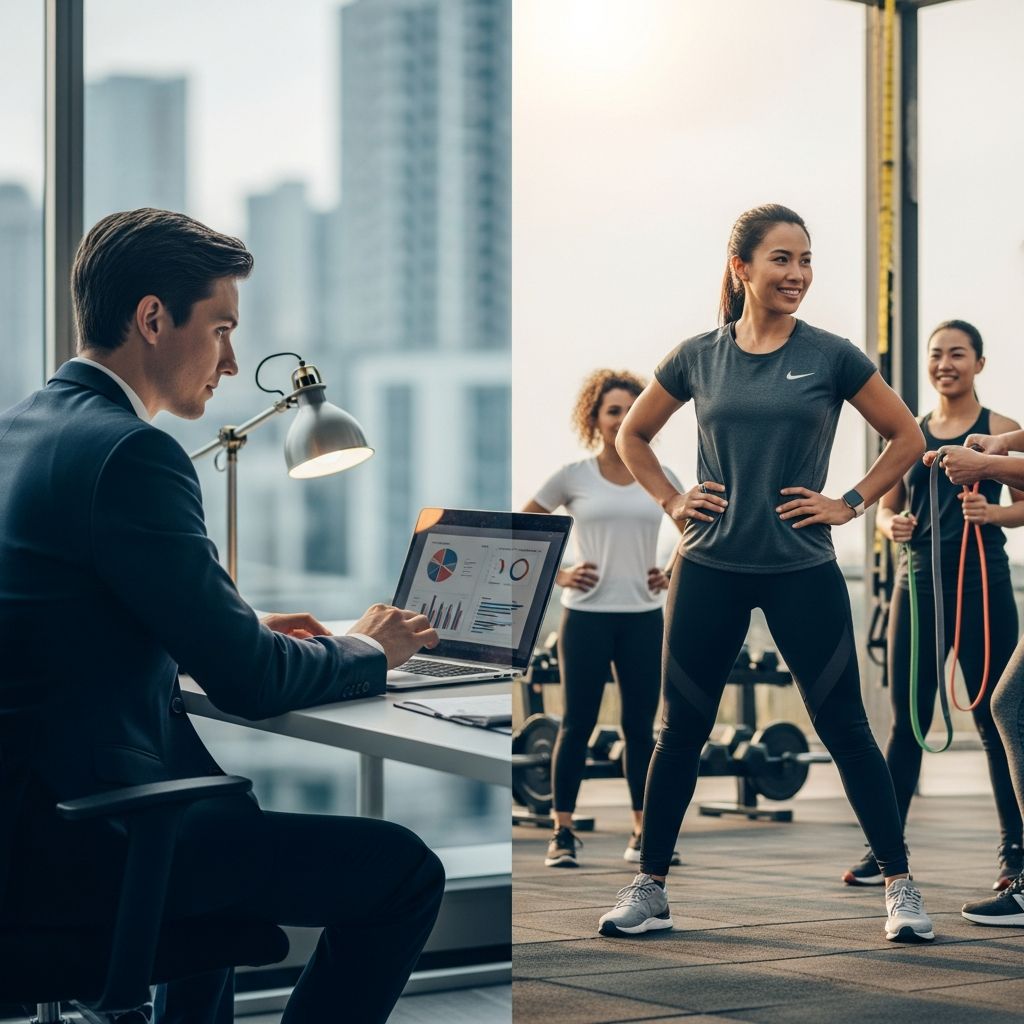
From Conference Rooms to Fitness Studios: A Career Reinvention Story
The fitness industry has witnessed a transformation in recent years, attracting talented professionals from diverse backgrounds who bring unique skill sets and perspectives to the wellness space. Many successful fitness entrepreneurs started their careers in entirely different sectors, leveraging corporate experience, business acumen, and professional networks to build thriving fitness brands. Understanding how professionals successfully navigate this transition offers valuable insights for those considering a similar path.
The journey from traditional employment to fitness entrepreneurship requires more than just passion for exercise. It demands strategic thinking, perseverance, and the ability to apply professional lessons learned in corporate environments to the world of health and wellness. This career evolution demonstrates that success in fitness comes not only from expertise in movement and training techniques but also from understanding business fundamentals, customer relations, and brand development.
Laying the Foundation: Early Career Experiences
The Corporate Entry Point
Many fitness professionals begin their careers in traditional corporate settings, gaining invaluable experience in business operations, product management, and professional communication. Working in fast-paced corporate environments exposes emerging professionals to industry standards, project management, and the importance of maintaining professional relationships. These early positions, while seemingly unrelated to fitness, provide critical training in how to think strategically about business problems and how to navigate complex organizational structures.
In particular, roles in finance, product management, or business development introduce professionals to concepts like market analysis, customer needs assessment, and stakeholder management. These competencies transfer directly to the fitness industry, where understanding client demographics, developing training programs, and building sustainable business models are essential for long-term success. The discipline instilled by corporate work environments also prepares fitness professionals for the demands of building their own brands, managing multiple projects simultaneously, and maintaining consistency in their professional output.
Navigating Male-Dominated Spaces
Professionals entering corporate environments, particularly those in finance or trading, often find themselves in male-dominated spaces. This experience, while challenging, develops resilience, communication skills, and the ability to establish authority and credibility. Women in these environments learn to advocate for themselves, set boundaries, and maintain professionalism under pressure. These skills prove invaluable when entering the fitness industry, where building a personal brand and establishing authority as a trainer or instructor depends on confidence, clear communication, and the ability to command respect from diverse audiences.
The experience of working alongside colleagues in high-stakes environments also teaches the importance of building genuine professional relationships. These connections often become the foundation for future collaborations, referrals, and business opportunities. In the fitness space, professional relationships and mentorship networks are crucial for accessing opportunities in coaching, brand partnerships, and business development.
Discovering Your Authentic Passion
Recognizing Lifelong Interests
While corporate careers provide structure and professional development, true entrepreneurial success in the fitness industry often stems from recognizing and honoring long-standing personal interests in movement, health, and wellness. For many successful fitness professionals, the love for physical activity, sports, and movement dates back to childhood. These early experiences—whether through competitive sports, dance, swimming, or general physical activity—create a foundation of genuine enthusiasm that sustains motivation through the challenges of building a business.
The difference between a successful fitness entrepreneur and someone who merely dabbles in the industry often comes down to authenticity. When professionals can trace their passion for fitness back to formative experiences, they approach their work with integrity and genuine investment in client outcomes. This authentic passion becomes evident to clients, students, and partners, making it easier to build loyal communities and establish credibility within the fitness space.
Cross-Training and Skill Development
Many fitness professionals don’t restrict themselves to a single discipline. Instead, they explore various training methods, exercise formats, and wellness practices. This broad approach to fitness education—combining traditional strength training with elements of dance, martial arts, or other movement practices—creates unique training perspectives and allows fitness professionals to serve diverse client populations. The willingness to continually learn and experiment with different approaches demonstrates openness to innovation, a quality essential for building contemporary fitness brands.
This experimental phase in fitness education also helps professionals identify their niche and unique value proposition. Rather than simply copying existing fitness programs or trends, professionals who have explored multiple disciplines can develop signature approaches that differentiate their brands and attract dedicated followers.
The Professional Coaching Transition
From Passion to Profession
Transitioning from corporate work to full-time fitness coaching represents a significant career shift that requires careful planning and strategic positioning. This transition often begins with coaching on the side while maintaining corporate employment, allowing professionals to test their expertise, build initial client bases, and develop their coaching systems without immediate financial pressure. This gradual approach reduces risk and allows professionals to refine their approach based on real-world feedback from clients.
The process of becoming a credentialed fitness professional involves pursuing relevant certifications, continuing education, and building documented experience. These credentials establish legitimacy and demonstrate commitment to the field, which helps attract clients and build professional credibility. Additionally, the process of obtaining fitness certifications deepens technical knowledge about human physiology, exercise science, and evidence-based training principles.
Building a Coaching Methodology
Successful fitness professionals develop distinctive coaching methodologies that reflect their personality, values, and understanding of effective training. This involves creating systematic approaches to client assessment, program design, and progress tracking. A well-developed coaching methodology becomes the foundation of a personal brand, allowing professionals to communicate what makes their approach unique and why clients should choose them over competitors.
Developing a methodology also involves establishing systems for managing multiple clients, maintaining records, and continuously improving training approaches based on results and feedback. These operational systems distinguish professional fitness coaches from hobbyists and demonstrate to potential clients that a coach takes their business seriously.
Building Personal Brand and Market Presence
The Energy Factor
In the fitness industry, personal brand encompasses both professional competence and personal presence. Energy, enthusiasm, and the ability to inspire motivation in others are critical components of a successful fitness professional’s brand. Clients don’t simply want effective training programs; they want to work with professionals who demonstrate genuine passion for helping them succeed. This energy proves contagious, creating positive training environments where clients feel motivated and supported.
The most successful fitness professionals understand that their personality and presence are as much a part of their offering as their technical knowledge. This recognition allows them to lean into their authentic selves rather than adopting artificial personas. When fitness professionals allow their genuine enthusiasm and passion to shine through, they attract clients and followers who resonate with their authenticity.
Multi-Channel Presence and Content Creation
Modern fitness entrepreneurship extends beyond in-person coaching to include digital presence and content creation. Successful fitness professionals maintain active blogs, social media channels, and digital platforms where they share training knowledge, wellness insights, and inspiration. This digital presence serves multiple purposes: it establishes authority, provides value to potential clients, drives traffic to coaching services, and creates opportunities for brand partnerships and sponsorships.
Content creation in the fitness space requires consistency, authenticity, and alignment with a fitness professional’s core values and coaching philosophy. Successful fitness professionals don’t simply promote themselves; instead, they provide genuine value through educational content, motivation, and community building. This approach to digital presence creates loyal followers who eventually become paying clients or brand advocates.
Strategic Partnerships and Brand Collaborations
Aligning with Premium Brands
As fitness professionals establish their credibility and develop loyal followings, opportunities for strategic brand partnerships emerge. These partnerships typically involve fitness professionals serving as brand ambassadors, consultants on product development, or featured athletes for established fitness and wellness companies. These partnerships provide multiple benefits: financial compensation, access to products, expanded audience reach, and association with reputable brands that enhance credibility.
Strategic brand partnerships work best when there’s genuine alignment between the fitness professional’s values and the brand’s mission. When fitness professionals partner with companies whose products and philosophies they authentically believe in, this alignment becomes evident to audiences and clients. This authentic endorsement proves more valuable than transactional celebrity endorsements because it carries genuine conviction.
Product Development and Innovation
Many successful fitness entrepreneurs eventually develop their own products or programs. This might include signature fitness classes, training apps, merchandise, or comprehensive fitness systems. Developing original products or programs leverages a fitness professional’s unique insights, coaching methodology, and understanding of client needs. Original products also create additional revenue streams and deepen brand identity.
The development of original fitness programs or products requires applying business thinking to fitness innovation. This includes researching market needs, assessing competitive offerings, determining pricing strategies, and creating systems for quality control and client support. Many fitness professionals who worked in corporate product management find this phase particularly rewarding because they can apply these professional skills to their fitness venture.
Managing Multiple Responsibilities and Preventing Burnout
Structuring Your Day
As fitness professionals build their brands, they often juggle multiple responsibilities: coaching clients, creating content, managing business operations, attending meetings, and maintaining their own fitness routines. Successful professionals develop structured daily schedules that allocate time for each responsibility while preventing exhaustion and burnout. This might involve teaching intensive coaching sessions during specific hours, reserving afternoons for administrative work and content creation, and maintaining personal time for rest and recovery.
The structure of a fitness professional’s day should reflect their energy patterns and personal preferences. Some professionals thrive with morning coaching sessions followed by afternoon administrative work, while others prefer a different rhythm. The key is establishing a sustainable pattern that allows for consistent delivery across all responsibilities without compromising personal wellbeing.
Personal Wellness and Recovery
Interestingly, fitness professionals must be intentional about their own wellness practices. The physical and emotional demands of teaching multiple high-energy classes daily can lead to overtraining, burnout, and loss of enthusiasm. Successful fitness professionals maintain their own fitness routines, prioritize adequate rest and recovery, and invest in activities outside of fitness that bring joy and balance to their lives. This personal commitment to wellness ensures that fitness professionals can maintain the energy and enthusiasm their clients expect.
Additionally, fitness professionals benefit from hobbies and interests outside of fitness. These external interests provide mental refreshment, prevent monotony, and contribute to overall wellbeing. When fitness professionals have fulfilling lives outside of coaching, this satisfaction and balance becomes apparent to clients and colleagues, creating a positive environment that supports sustainable career longevity.
The Importance of Authenticity and Mentor Relationships
Learning from Influential Figures
Throughout a fitness professional’s career journey, influential mentors play crucial roles in development, motivation, and perspective-building. These mentors might include high school coaches, fitness instructors who inspire, or professional leaders encountered throughout a career. Strong mentor relationships provide guidance, encouragement, and models of excellence that help emerging professionals navigate challenges and maintain commitment to their vision.
The best mentor relationships involve mutual respect and genuine connection rather than formal power dynamics. When fitness professionals can identify and learn from mentors who embody the qualities and values they aspire to develop, these relationships accelerate professional growth and provide invaluable perspective during challenging times.
Staying Grounded in Core Values
As fitness professionals achieve success and their brands expand, maintaining connection to core values becomes increasingly important. Success in the fitness industry often stems from genuine commitment to helping others achieve their health and wellness goals, empowering clients to believe in themselves, and creating supportive communities. When fitness professionals remain anchored to these core values, even as opportunities, demands, and distractions increase, they maintain authenticity and purpose.
This value-centered approach also guides decision-making regarding partnerships, opportunities, and business directions. When fitness professionals evaluate opportunities through the lens of their core values—asking whether proposed partnerships or projects align with their mission and values—they make more authentic decisions that feel sustainable and meaningful.
Key Takeaways for Aspiring Fitness Entrepreneurs
Building a successful fitness career requires combining genuine passion for health and wellness with professional business thinking. Early corporate experience provides valuable training in business fundamentals, professional communication, and operational management. Recognizing and honoring lifelong interests in movement and wellness provides the authentic foundation necessary for sustainable entrepreneurial success.
The transition from corporate work to fitness entrepreneurship need not be abrupt; instead, testing your coaching abilities while maintaining employment reduces risk and allows for skill development. As you build your fitness business, invest in personal branding, authentic content creation, and strategic partnerships that align with your values. Maintain awareness of your own wellness and energy levels, recognizing that sustainable success requires attending to your personal needs alongside professional growth.
Finally, remember that the most successful fitness professionals remain grounded in their core mission: empowering others to achieve their health and wellness goals. This authenticity, combined with business competence and genuine enthusiasm, creates the foundation for thriving fitness careers that positively impact clients and communities.
Frequently Asked Questions
Q: How do I transition from a corporate career to becoming a fitness professional?
A: Start by obtaining relevant fitness certifications while maintaining your corporate job. Begin coaching clients on the side to build experience and test your methodology. Gradually expand your coaching practice as you develop confidence and client base. This phased approach reduces financial risk while allowing skill development.
Q: What corporate skills transfer directly to fitness entrepreneurship?
A: Product management, business operations, project planning, client relationship management, and financial planning all translate to fitness entrepreneurship. Corporate experience teaches systematic thinking, professional communication, and how to manage complex projects—all essential for building successful fitness businesses.
Q: How can I build authenticity in my fitness brand?
A: Allow your genuine personality, values, and passion for fitness to inform your coaching approach and content creation. Share your real story, including challenges and growth, with your audience. Partner only with brands and products you authentically believe in. Authenticity emerges when you align your professional activities with your core values.
Q: How do I prevent burnout while managing multiple coaching responsibilities?
A: Structure your schedule to balance intensive coaching periods with administrative and creative work. Prioritize your own recovery and wellness practices. Maintain interests and hobbies outside of fitness. Set boundaries around work hours and communicate these clearly to clients. Remember that sustainable success requires attending to your personal wellbeing.
Q: What role do mentors play in fitness career development?
A: Mentors provide guidance, inspiration, and models of excellence that accelerate professional growth. They offer perspective during challenging times and help emerging professionals navigate decisions. Seek mentors who embody qualities and values you aspire to develop and maintain these relationships through genuine connection and mutual respect.
References
- Career Contessa Interview with Natalie Uhling — Career Contessa. 2024. https://www.careercontessa.com/interviews/natalie-uhling/
- NUFit Official Brand Information — Natalie Uhling Fitness. 2024. https://natalieuhlingfitness.com/bio
- Under Armour Women Ambassador Program — Under Armour Official. 2024. https://www.underarmour.com/
- The Role of Mentorship in Professional Development — Society for Human Resource Management. 2023. https://www.shrm.org/
- Fitness Industry Career Development Trends — International Health, Racquet & Sportsclub Association. 2024. https://www.ihrsa.org/

Medha Deb is an editor with a master's degree in Applied Linguistics from the University of Hyderabad. She believes that her qualification has helped her develop a deep understanding of language and its application in various contexts. Medha specializes in the areas of beauty, health, sports, and wellness and is committed to ensuring that the content on the website is…