
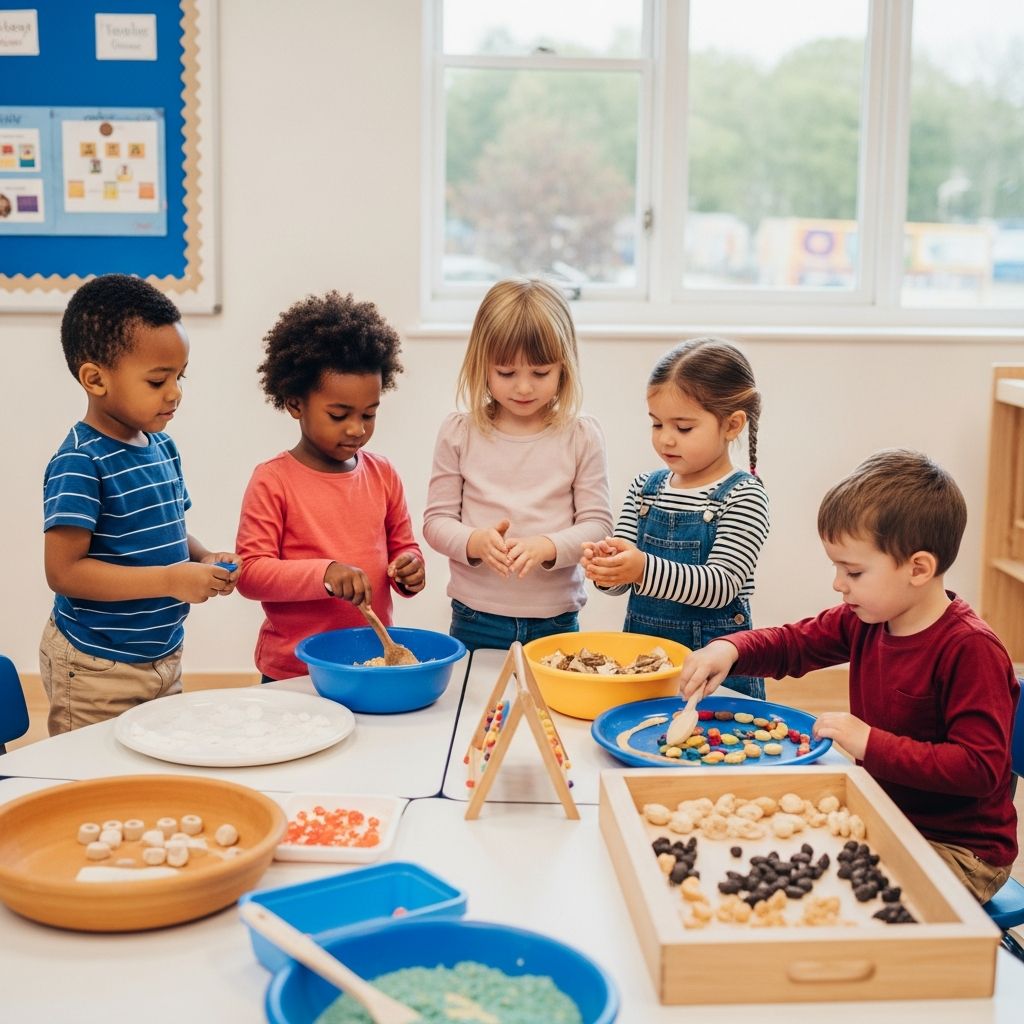
Young children naturally explore the world through their senses, making sensory-based learning an ideal way to foster curiosity, vocabulary, and cognitive skills. These activities, designed for preschoolers and kindergarteners, encourage hands-on discovery of sight, hearing, smell, taste, and touch. By integrating play with education, caregivers and educators can create memorable experiences that build foundational understanding of how our bodies perceive the environment.
Why Sensory Play Matters in Early Development
Sensory experiences stimulate brain development by forming neural connections essential for language, motor skills, and problem-solving. According to educational research, activities targeting the five senses enhance observation skills and emotional regulation in children aged 3-6. These exercises also promote inclusivity, accommodating diverse learning styles from visual to kinesthetic learners.
In preschool settings, sensory play reduces screen time while boosting attention spans. Parents at home can replicate these with everyday items, turning routine moments into teachable adventures. The key is variety: rotate activities seasonally to maintain engagement and introduce new stimuli.
Outdoor Adventures to Awaken All Senses
Nature provides a free, dynamic playground for sensory exploration. Start with guided walks where children actively seek out stimuli for each sense.
- Sight Safari: Challenge kids to spot colors, shapes, and movements like fluttering leaves or distant birds. Use a checklist to mark findings, reinforcing visual discrimination.
- Sound Safari: Pause frequently to listen for rustles, chirps, or wind whispers. Discuss volume and pitch to sharpen auditory awareness.
- Touch Trail: Encourage feeling tree bark, grass, or pebbles, describing textures as smooth, rough, or bumpy.
- Smell Quest: Identify scents from flowers, soil, or rain-damp earth, linking smells to memories or seasons.
- Taste Test in Nature: Safely sample edible plants like fresh berries (with supervision), comparing sweet, sour, or tart flavors.
Extend indoors by creating a nature journal. Children draw or dictate their discoveries, building narrative skills alongside sensory memory.
Touch-Based Exploration Games
The sense of touch is powerful for building fine motor skills and descriptive language. Mystery bags remain a classic, timeless activity.
Prepare opaque bags or boxes filled with safe items: feathers for softness, sandpaper for roughness, pom-poms for fluffiness, or shells for cool smoothness. Children reach in without peeking, describing sensations before guessing contents. Variations include themed bags (ocean, farm) or paired bags for matching similar textures.
Another favorite: texture collages. Gather household materials like fabric scraps, foil, yarn, and buttons. Kids glue them onto paper, creating art that invites repeated touching. Discuss adjectives—’scratchy,’ ‘silky,’ ‘crinkly’—to expand vocabulary.
| Texture Type | Example Items | Learning Goal |
|---|---|---|
| Smooth | Glass marbles, polished stones | Contrast identification |
| Rough | Sandpaper, pinecones | Motor discrimination |
| Soft | Cotton balls, velvet | Descriptive language |
| Hard | Wood blocks, nuts | Safety awareness |
These setups require minimal prep and adapt easily for group or solo play, making them versatile for classrooms or family time.
Hearing-Focused Sound Discovery Activities
Sound activities tune young ears to subtle differences, aiding phonemic awareness crucial for reading readiness. Sound matching jars are simple yet captivating.
Fill identical jars with rice, bells, beans, water, or coins. Seal securely and shake. Children pair jars by matching noises, progressing to blind matching for challenge. Record sounds on a phone for replay, encouraging prediction and memory.
Sound hunts elevate this: hide noisemakers around the room or yard. Provide clues like ‘jingle’ or ‘swish’ for kids to locate and identify. For advanced play, create sound maps—drawings of spaces marked with heard noises, fostering spatial awareness.
- Household sounds: doorbell, clock ticks, fridge hums.
- Nature sounds: leaves crunching, birdsong.
- Musical sounds: shakers, xylophones for rhythm exploration.
These promote focus amid distractions, a vital skill in bustling environments.
Smell and Scent Exploration Experiments
Olfactory activities connect scents to emotions and memories, stimulating the brain’s limbic system. Scent jars use cotton balls infused with extracts: cinnamon, lemon, mint, coffee, or vinegar.
Blindfolded children sniff and guess, then categorize as pleasant or pungent. Follow with scent stories: ‘What does lavender remind you of?’ This builds associative thinking.
Cooking integrations amplify learning—measure spices, sniff herbs, note aroma changes when heated. Safe, edible focus ensures hygiene and ties to life skills.
Taste Testing Challenges for Flavor Fun
Taste activities introduce sweet, sour, salty, bitter, and umami, expanding palates and scientific inquiry. Blind taste tests with apple slices, lemon wedges, crackers, chocolate, and yogurt slices heighten focus.
Children predict, taste, then rate on simple scales. Discuss tongue maps (sweet tip, bitter back) while noting preferences evolve with exposure.
Sensory snack relays add movement: teams assemble plates by tasting and matching flavors to labels, combining gross motor with gustatory skills.
Integrating All Senses: Multi-Sensory Projects
Combine senses for holistic learning. Five-senses spinners direct play: spin to ‘touch,’ add corresponding toy parts to a model like a potato head figure.
Body part puppets—eyes, ears, nose, mouth, hands on sticks—enable Simon Says or matching games. Sorting trays categorize objects by primary sense: whistles for hearing, perfumes for smell.
Memory trays test sight: view items briefly, then recall and draw. Flipbooks log taste tests with drawings under labeled flaps.
Age-Appropriate Adaptations and Safety Tips
Toddlers (1-2 years): Focus on safe, large-item touch and simple sounds. Preschoolers (3-4): Add guessing and descriptions. Kindergarteners (5+): Incorporate science, like why smells travel.
Always supervise, use non-toxic materials, and accommodate allergies. Clean stations prevent cross-contamination; offer alternatives for sensory sensitivities.
Frequently Asked Questions (FAQs)
What age group are these five senses activities best for?
Ideal for ages 2-6, with adaptations for toddlers and extensions for older kids. They support early childhood milestones universally.
Do I need special materials for sensory activities?
No—household items like jars, bags, and foods suffice. Budget-friendly and customizable.
How often should we do sensory play?
Daily short sessions (10-20 minutes) yield best results, integrating into routines like snack time or circle time.
Can these activities help children with sensory processing issues?
Yes, gradual exposure builds tolerance. Consult specialists for tailored plans.
How do five senses activities support literacy?
By enriching descriptive vocabulary and sequencing skills through multi-sensory narratives.
References
- Teacher’s Guide: The Five Senses (PreK to Grade 2) — KidsHealth. 2023. https://kidshealth.org/classroom/prekto2/body/functions/senses.pdf
- Five Senses Activities for Preschoolers That Make Learning Fun — Kids USA Montessori. 2024-01-15. https://kidsusamontessori.org/five-senses-activities-for-preschoolers-that-make-learning-fun-and-hands-on/
- 35 Engaging Five Senses Activities Kids Love — We Are Teachers. 2023-09-12. https://www.weareteachers.com/five-senses-activities/
- 10 Engaging Activities to Teach Kids About the 5 Senses — Lingokids. 2024. https://lingokids.com/blog/posts/how-to-teach-english-to-children-senses
- Five Senses Activities — PreKinders. 2023-11-05. https://www.prekinders.com/category/science/5-senses/

- Integrated M.A. in Applied Linguistics, University of Hyderabad
- 5+ years in editorial, instructional, SEO, and research-based writing
Sneha is a relationships and lifestyle writer with a strong foundation in applied linguistics and certified training in relationship coaching. She brings over five years of writing experience to theskillvault, crafting thoughtful, research-driven content that empowers readers to build healthier relationships, boost emotional well-being, and embrace holistic living. Her writing and insights reflect the belief that beauty, happiness, and wellness…