
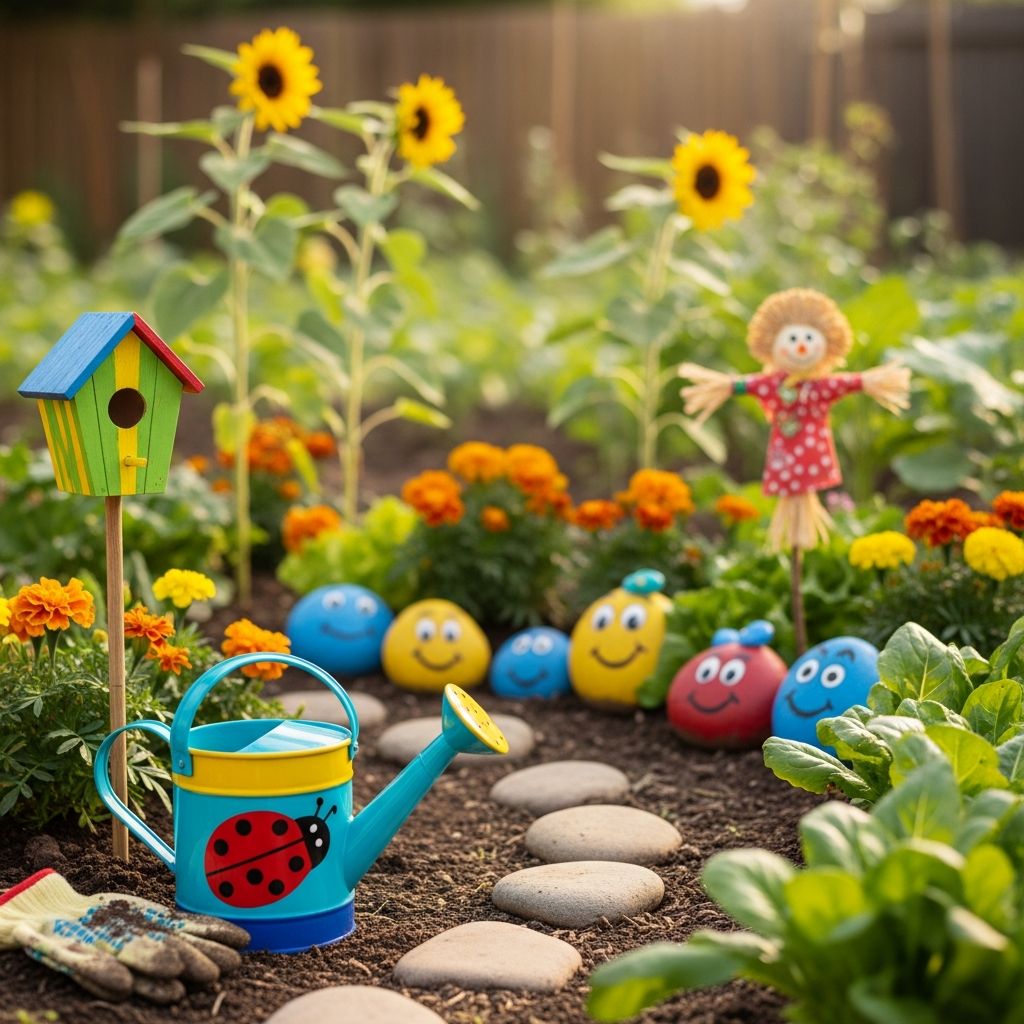
Gardening offers children a unique opportunity to connect with nature, develop responsibility, and explore scientific concepts through play. These projects transform backyards into living classrooms, encouraging curiosity and hands-on learning. Whether in a small pot or a large plot, kids can witness growth cycles, experiment with soil, and create lasting memories.
Why Gardening Captivates Young Minds
Children naturally gravitate toward dirt, bugs, and plants, turning gardens into playgrounds of discovery. Activities like these build fine motor skills, patience, and an understanding of ecosystems. Research from educational organizations highlights how such experiences enhance cognitive development and mental well-being in kids as young as three.
Parents report that gardening reduces screen time, promotes physical activity, and instills healthy eating habits as children harvest their own produce. Starting small ensures success and enthusiasm, paving the way for lifelong appreciation of the environment.
Getting Started: Essential Tools and Setup
Equip kids with child-sized tools like trowels, gloves, and watering cans to make participation safe and exciting. Designate a dedicated garden bed or container area to give them ownership. Choose sun-loving spots with well-draining soil for best results.
- Basic Kit: Small hand shovel, rake, gloves, seeds, pots.
- Safety Tips: Supervise near tools; use non-toxic plants.
- Age Adaptations: Toddlers dig; older kids plant and track growth.
Seed Planting Adventures
Begin with selecting vibrant seed packets—sunflowers, beans, or radishes grow quickly, rewarding impatient young gardeners. Guide children to poke holes, drop seeds, and cover with soil, mimicking nature’s process. Daily watering routines teach consistency.
Track progress with a growth journal: measure heights weekly and note changes. This introduces basic math and observation skills. For indoor starts, use egg cartons or recycled containers to observe germination up close.
Exploration Games in the Garden
Turn discovery into play with scavenger hunts. Create cards listing items like “feathery leaf,” “spotted bug,” or “tiny flower.” This sharpens observation and introduces biodiversity.
| Item to Find | Description | Educational Value |
|---|---|---|
| Worm | Wriggly soil dweller | Soil health |
| Leaf varieties | 3 different shapes | Plant ID |
| Bright flower | Any color petal | Pollinators |
Plant bingo adds competition: design cards with growth stages like bud or fruit for marking off finds.
Messy Sensory Play Zones
Dedicate a mud pit for unstructured fun. Supply buckets, spoons, and sieves for mud pies and castles. This tactile play boosts sensory development and creativity without structured goals.
Enhance with natural additions: mix in leaves or pebbles. On rainy days, transition indoors with soil art—glue dirt layers on paper for textured landscapes.
Creative Mini Worlds
Build fairy or bug habitats using twigs, stones, moss, and acorns. Select a pot or corner, layering soil and decorations. Kids invent stories, fostering imagination.
- Materials: Pebbles, bark, tiny figures, flowers.
- Extensions: Add water features with bottle caps.
These setups double as pollinator gardens, attracting real visitors to observe.
Artistic Garden Enhancements
Personalize with painted pots or rock markers. Use weatherproof paints for names and designs on stones. Stepping stones from concrete mixes let kids embed leaves or handprints.
Shadow paintings capture flower silhouettes with watercolors on sunny days—repeat with various plants for a gallery. Indoor options include forcing bulbs in glasses for colorful displays.
Easy-Grow Edibles for Tasty Rewards
Select fast crops: cherry tomatoes, lettuce, carrots. Kids plant, thin seedlings, and harvest, linking effort to meals. Indoor herbs like basil thrive in windowsills, perfect for small spaces.
Teach companion planting: marigolds deter pests near veggies. Pumpkins for seasonal fun yield jack-o-lanterns.
Beneficial Insect Introductions
Release ladybugs to control aphids—count and watch them fly. Discuss roles: predators vs. pollinators. Build ladybug homes from hollow stems bundled with twine.
Sustainable Practices for Eco-Warriors
Recycle kitchen scraps: regrow scallions or celery in water. Construct rain barrels from bins for watering, painting them decoratively. Mulch with grass clippings to conserve moisture.
Composting teaches decomposition: layer scraps in bins, turning weekly. Worm bins intrigue with vermicomposting.
Seasonal and Indoor Extensions
Winter: Plant garlic or start sprouts indoors. Bird feeders from pinecones coated in seed draw wildlife. Spring: Bulb forcing for early blooms.
Summer scavenger hunts evolve to butterfly puddles—shallow dishes with stones and nectar.
Learning Through Observation
Use journals for drawings, photos, or data tables tracking weather vs. growth. Discuss why plants wilt or thrive, introducing variables.
| Week | Height (cm) | Weather | Notes |
|---|---|---|---|
| 1 | 2 | Sunny | Sprouted |
| 4 | 15 | Rainy | Flowers budding |
Family Bonding and Skill Building
These projects unite families, sharing knowledge across generations. Kids gain confidence from successes, resilience from failures like pests.
Frequently Asked Questions
What age is best for garden projects?
Activities suit ages 3+, with adaptations: sensory for toddlers, data tracking for tweens.
Do I need a big yard?
No—pots, balconies, or indoors work perfectly for urban families.
What if plants die?
Use as teachable moments about life cycles and retries.
Are there educational resources?
Free printables from gardening nonprofits abound online.
How to motivate reluctant kids?
Start with fun like mud play; tie to favorites like pizza herbs.
References
- 10 Fun And Engaging Gardening Activities For Kids — Our Days Outside. 2025-03-15. https://ourdaysoutside.com/10-engaging-gardening-activities-for-kids/
- Backyard Gardening Ideas for Kids: Grow, Learn, and Play Together — PrimeX Garden Center. N/A. https://primexgardencenter.com/backyard-gardening-ideas-for-kids-grow-learn-and-play-together/
- 10 Fun Garden Activities for Kids — Drakes 7 Dees. N/A. https://www.drakes7dees.com/10-fun-garden-activities-for-kids/
- Easy Kids Gardening Activities — National Garden Bureau. N/A. https://ngb.org/kids-gardening-activities/
- 7 Sustainable Garden Activities for Kids — Connections Academy. N/A. https://www.connectionsacademy.com/support/resources/article/7-projects-to-teach-your-child-about-sustainable-gardening/
- Fun Winter Garden Activities for Kids of All Ages — Gardenary. N/A. https://www.gardenary.com/blog/fun-winter-garden-activities-for-kids
- Activities — KidsGardening. N/A. https://kidsgardening.org/resource-activities/

- Integrated M.A. in Applied Linguistics, University of Hyderabad
- 5+ years in editorial, instructional, SEO, and research-based writing
Sneha is a relationships and lifestyle writer with a strong foundation in applied linguistics and certified training in relationship coaching. She brings over five years of writing experience to theskillvault, crafting thoughtful, research-driven content that empowers readers to build healthier relationships, boost emotional well-being, and embrace holistic living. Her writing and insights reflect the belief that beauty, happiness, and wellness…