
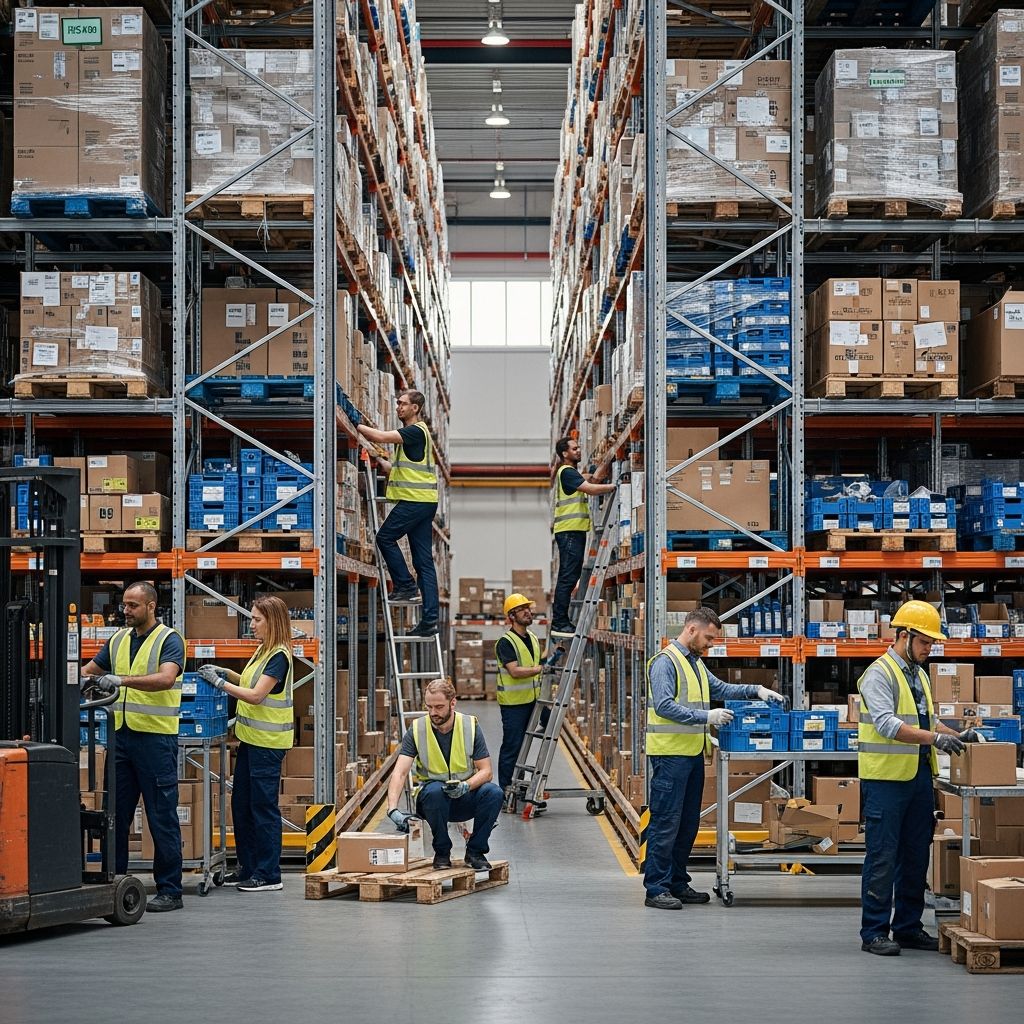
Understanding the General Warehouse Role
Working in a warehouse is often one of the first steps into the world of logistics, supply chain, and retail operations. A general warehouse position is more than just moving boxes; it’s a role that keeps goods flowing from suppliers to stores and customers. Whether it’s a temporary assignment or a long-term career path, this job demands physical stamina, attention to detail, and a strong sense of responsibility.
For many people, a warehouse role offers a chance to earn steady income, gain hands-on experience, and build transferable skills. It’s also a gateway to more specialized positions in inventory management, logistics coordination, or operations supervision. To truly understand what this work is like, it helps to look beyond the job title and examine the real day-to-day experience.
Core Responsibilities in a General Warehouse
A general warehouse worker plays a central role in the movement and management of goods. The work is varied, and no two days are exactly alike, but several core responsibilities form the backbone of the job.
Receiving and Processing Incoming Shipments
One of the first tasks each day is handling incoming deliveries. Trucks arrive with pallets of goods, and the warehouse team is responsible for unloading them safely and efficiently. This involves:
- Verifying that the delivered items match the purchase order or shipping manifest
- Inspecting goods for damage, missing items, or incorrect quantities
- Reporting any discrepancies to supervisors or inventory staff
- Labeling and tagging items according to the warehouse’s system
- Moving goods to their designated storage locations using hand trucks, pallet jacks, or forklifts
Accuracy at this stage is critical. Errors in receiving can lead to inventory shortages, incorrect orders, and delays in fulfilling customer or store requests.
Order Picking and Packing
Once goods are stored, the next major task is preparing outgoing orders. This includes:
- Reviewing order lists or digital picking tickets to identify the correct items
- Locating products in the warehouse using bin numbers, labels, or scanning systems
- Selecting the right quantities and verifying product codes or batch numbers
- Packing items securely to prevent damage during transit
- Labeling packages with shipping information and tracking numbers
Speed and accuracy are equally important. Orders must be filled quickly to meet shipping deadlines, but mistakes can result in returns, customer complaints, and extra work for the team.
Inventory Management and Cycle Counts
Keeping track of what’s in stock is a continuous process. Warehouse workers often participate in:
- Conducting regular cycle counts of specific sections or product categories
- Updating inventory records in a warehouse management system (WMS) or similar software
- Reconciling physical stock with system records and reporting variances
- Rotating stock to ensure older items are shipped first (FIFO – First In, First Out)
- Identifying and setting aside damaged or expired goods for proper handling
These activities help maintain accurate inventory levels, reduce waste, and support efficient replenishment of shelves and stores.
Loading and Unloading for Dispatch
Before goods leave the warehouse, they must be loaded onto trucks or containers. This part of the job requires:
- Organizing orders by destination or route
- Securing pallets and packages to prevent shifting during transport
- Following loading plans to maximize space and ensure safe weight distribution
- Verifying that the correct number of items are loaded and that documentation matches the shipment
- Assisting with trailer inspections to confirm cleanliness and condition
Proper loading not only protects the goods but also helps drivers deliver on time and reduces the risk of accidents on the road.
Physical and Operational Demands
Working in a warehouse is physically demanding. Employees spend most of their shift on their feet, often in large, open spaces that may be hot, cold, or noisy. Understanding these demands helps set realistic expectations.
Physical Requirements
Typical physical tasks include:
- Standing, walking, and moving throughout the warehouse for extended periods
- Lifting, carrying, pushing, and pulling heavy items, often up to 50 pounds or more
- Bending, stooping, reaching, and climbing as needed to access shelves and pallets
- Operating powered equipment such as forklifts, pallet jacks, and hand trucks
- Working in environments with varying temperatures, especially in climate-controlled or refrigerated areas
Employers usually provide safety training and require the use of personal protective equipment (PPE) such as steel-toed shoes, gloves, and high-visibility vests.
Work Environment and Schedule
Warehouses operate around the clock to meet business needs, so shifts can include:
- Early mornings, late nights, weekends, and holidays
- Rotating or fixed schedules depending on the company and location
- Fast-paced periods during peak seasons, such as holidays or back-to-school
The environment is typically team-oriented, with workers collaborating to meet daily targets. Communication with supervisors, forklift operators, and other team members is essential for smooth operations.
Skills and Qualities That Make a Strong Warehouse Worker
While formal education requirements are often minimal, certain skills and personal qualities significantly impact success in this role.
Essential Hard Skills
- Basic numeracy: Counting items, verifying quantities, and understanding simple math for inventory and order accuracy.
- Reading and comprehension: Following written instructions, safety procedures, and order details.
- Equipment operation: Safely using pallet jacks, forklifts, and other warehouse tools (often with on-the-job training or certification).
- Technology use: Navigating warehouse management systems, scanning devices, and basic computer interfaces.
Key Soft Skills
- Attention to detail: Spotting errors in orders, labels, or inventory counts before they cause problems.
- Reliability and punctuality: Showing up on time and consistently completing assigned tasks.
- Teamwork: Working effectively with others, especially in fast-paced or high-pressure situations.
- Problem-solving: Identifying issues (like missing items or damaged goods) and knowing when and how to report them.
- Adaptability: Adjusting to changing priorities, new procedures, or different types of products.
Safety, Procedures, and Compliance
Safety is a top priority in any warehouse. A strong safety culture protects workers, preserves inventory, and ensures smooth operations.
Common Safety Practices
- Wearing required PPE at all times
- Following proper lifting techniques to avoid strain or injury
- Keeping aisles clear of obstacles and debris
- Reporting unsafe conditions, damaged equipment, or near-misses
- Participating in safety meetings and training sessions
Compliance and Standards
Many warehouses follow industry standards such as:
- OSHA (Occupational Safety and Health Administration) guidelines for workplace safety
- Good Manufacturing Practices (GMP) or similar standards, especially in food, pharmaceutical, or retail distribution
- Warehouse-specific procedures for inventory accuracy, order fulfillment, and equipment maintenance
Employees are expected to follow these rules consistently, not only to avoid violations but also to maintain a professional and efficient work environment.
Temporary vs. Long-Term Warehouse Roles
Many warehouse positions are advertised as temporary, especially during peak seasons. Understanding the differences can help job seekers make informed decisions.
Temporary Assignments
- Often last a few weeks to several months
- May be tied to seasonal demand, such as holidays or back-to-school periods
- Can provide a chance to gain experience, build a work history, and demonstrate reliability
- May lead to permanent roles if performance is strong and positions become available
Long-Term and Permanent Roles
- Offer more stability, consistent hours, and potential for benefits
- May include opportunities for advancement into lead roles, inventory control, or supervision
- Often require a proven track record of safety, accuracy, and teamwork
- May involve additional training or certifications over time
How a Warehouse Role Can Support Career Growth
While some people view warehouse work as a short-term job, it can also be a stepping stone to a broader career in logistics, operations, or retail management.
Possible Career Paths
- Inventory Associate or Clerk: Moving into a role focused on data entry, cycle counts, and inventory reconciliation.
- Lead Warehouse Worker or Team Leader: Taking on more responsibility for coordinating shifts, training new hires, and ensuring daily goals are met.
- Logistics or Distribution Coordinator: Working with shipping schedules, carrier coordination, and order planning.
- Operations Supervisor or Manager: Overseeing warehouse activities, managing teams, and improving efficiency.
- Specialized Roles: Forklift operator, receiving supervisor, or quality control inspector, depending on interest and training.
Building a Strong Foundation
To maximize career potential, warehouse workers can:
- Consistently demonstrate reliability, safety awareness, and attention to detail
- Seek out training opportunities, such as forklift certification or warehouse software courses
- Ask supervisors for feedback and express interest in advancement
- Develop a strong work ethic and positive reputation within the team
Preparing for a Warehouse Job Interview
When applying for a general warehouse position, preparation can make a big difference. Employers often look for candidates who are dependable, safety-conscious, and willing to learn.
Common Interview Questions
- “Can you describe your experience with warehouse work or similar physical jobs?”
- “How do you ensure accuracy when picking and packing orders?”
- “What steps do you take to stay safe when lifting heavy items or operating equipment?”
- “How do you handle a situation where you notice a damaged product or missing item?”
- “Are you comfortable working early mornings, late nights, or weekends?”
Tips for a Strong Application
- Highlight any relevant experience, even if it’s from a different industry (e.g., retail, manufacturing, or food service)
- Emphasize reliability, punctuality, and a willingness to follow procedures
- Be honest about equipment experience but express eagerness to learn
- Dress professionally for the interview, even if the job is physically demanding
- Ask thoughtful questions about the work environment, schedule, and opportunities for growth
Frequently Asked Questions (FAQs)
What does a general warehouse worker actually do?
A general warehouse worker handles the full cycle of goods movement: receiving shipments, storing inventory, picking and packing orders, and preparing items for dispatch. They also help maintain accurate inventory records and keep the warehouse clean and safe.
Do I need prior experience to work in a warehouse?
Many entry-level warehouse roles do not require prior experience. Employers often provide on-the-job training for tasks like order picking, equipment use, and inventory procedures. However, any experience in logistics, retail, or manual labor can be an advantage.
Is warehouse work physically demanding?
Yes, it is. Workers spend most of their time on their feet, lifting, carrying, and moving goods. The job requires physical stamina, but proper training and safety practices help reduce the risk of injury.
What kind of equipment might I use?
Common equipment includes hand trucks, pallet jacks, forklifts, and sometimes order pickers or reach trucks. Training and certification are typically provided for powered equipment, and safety is emphasized in all operations.
Can a warehouse job lead to a long-term career?
Absolutely. Many people start in general warehouse roles and move into inventory control, logistics coordination, team leadership, or operations management. A strong work ethic and willingness to learn can open doors to advancement within the company or in related industries.
What should I wear to a warehouse job?
Most warehouses require closed-toe, non-slip shoes, often with steel toes. Comfortable, durable clothing that allows for movement is recommended. Employers usually provide or require specific safety gear, such as gloves, vests, or hard hats, depending on the tasks.
References
- Warehouse Worker Job Description — Workable. Accessed 2025. https://resources.workable.com/warehouse-worker-job-description
- Warehouse Worker — National Careers Service, UK Government. https://nationalcareers.service.gov.uk/job-profiles/warehouse-worker
- OSHA Warehouse, Distribution, and Retail E-Tool — Occupational Safety and Health Administration, U.S. Department of Labor. https://www.osha.gov/warehouse-distribution

- Integrated M.A. in Applied Linguistics, University of Hyderabad
- 5+ years in editorial, instructional, SEO, and research-based writing
Sneha is a relationships and lifestyle writer with a strong foundation in applied linguistics and certified training in relationship coaching. She brings over five years of writing experience to theskillvault, crafting thoughtful, research-driven content that empowers readers to build healthier relationships, boost emotional well-being, and embrace holistic living. Her writing and insights reflect the belief that beauty, happiness, and wellness…