
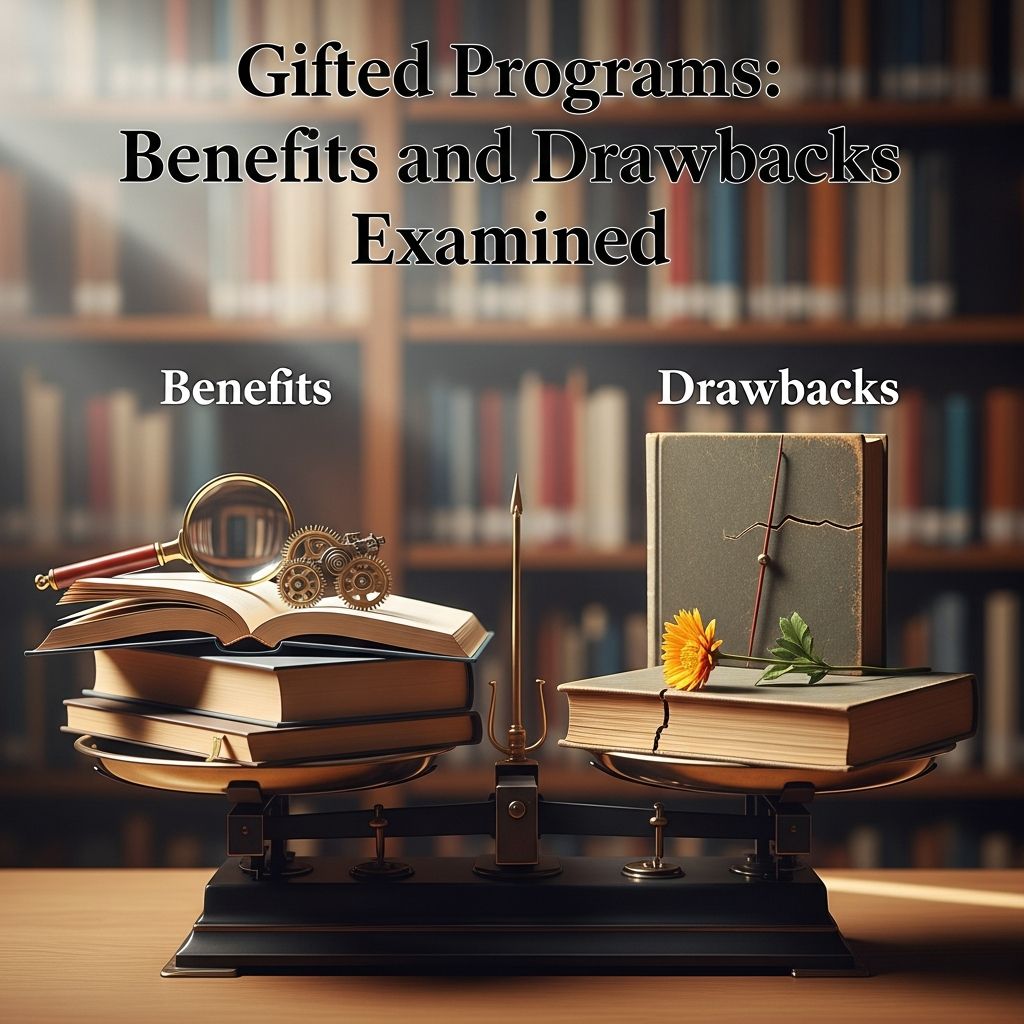
Gifted education programs aim to serve students with exceptional intellectual abilities by offering tailored learning experiences that go beyond standard curricula. These initiatives promise accelerated progress and deeper exploration of complex topics, yet they also raise concerns about equity, emotional well-being, and long-term development. This analysis weighs both sides to provide a balanced perspective for educators, parents, and policymakers.
Key Advantages of Specialized Learning for High-Ability Students
Programs designed for gifted learners address core needs that regular classrooms often overlook, fostering environments where advanced thinkers can thrive.
Providing Appropriate Intellectual Stimulation
High-ability students frequently experience frustration in typical classes due to material that feels simplistic or repetitive. Specialized programs introduce rigorous content matched to their cognitive level, allowing faster progression through subjects like mathematics or science. This alignment prevents disengagement and cultivates a sustained passion for learning, as students tackle problems requiring higher-order thinking skills such as analysis and synthesis.
For instance, acceleration strategies enable learners to skip redundant lessons, diving directly into advanced concepts. Research indicates that such approaches lead to superior academic outcomes without the boredom that plagues unchallenged gifted youth.
Building Peer Networks Among Like-Minded Learners
Surrounding gifted students with intellectual equals creates dynamic interactions that boost motivation. In mixed-ability settings, high achievers may dominate discussions or withdraw, but grouped with peers of similar caliber, they engage in collaborative challenges that sharpen critical thinking and creativity.
- Enhanced motivation through competition and shared interests.
- Development of leadership skills in group projects.
- Fostering lifelong friendships based on common intellectual pursuits.
Cultivating Creativity and Specialized Talents
Beyond academics, these programs emphasize creative outlets, nurturing talents in areas like arts, music, or innovation. Students explore passions that standard education might sideline, leading to well-rounded growth. Studies show that early exposure to such opportunities sustains creative pursuits into adulthood, contributing to professional success in diverse fields.
Potential Pitfalls and Challenges in Gifted Programming
While benefits are compelling, gifted programs are not without significant hurdles that can undermine their effectiveness and impact student well-being.
Impact on Self-Perception and Emotional Health
Placement in exclusive groups can trigger the “big-fish-little-pond” phenomenon, where students who excelled in general classes feel average among elites, eroding confidence. This shift often heightens anxiety, perfectionism, and self-doubt, particularly for those with asynchronous development—where intellectual maturity outpaces emotional growth.
Social-emotional sensitivities common in gifted youth, such as intense empathy or moral reasoning, may intensify under peer pressure, leading to isolation or stress if not addressed.
Heightened Pressure from Elevated Expectations
Labeling a child as “gifted” invites scrutiny from parents, teachers, and peers, creating unrealistic standards. Struggles in weaker areas—common even among the gifted—can provoke harsh self-judgment or parental disappointment. Without guidance on resilience, students may avoid risks, stunting growth.
| Expectation Source | Potential Impact |
|---|---|
| Parents | Increased push for perfection, reduced support during setbacks |
| Teachers | Assumption of effortless mastery, less scaffolding |
| Peers/Self | Fear of failure, narrowed focus on safe tasks |
Concerns Over Identification Processes
Selecting participants relies heavily on teacher nominations and standardized tests, which can miss underrepresented groups due to cultural biases or non-traditional giftedness profiles. Economically disadvantaged or minority students often face barriers, perpetuating inequities. General educators may overlook subtle signs of potential, favoring high performers in familiar metrics.
Inadequate Preparation of Educators
Not all instructors in gifted settings possess specialized training, leading to mismatched instruction. Local requirements vary, and without certification in gifted pedagogy, teachers might apply generic methods unsuitable for diverse needs among high-ability learners.
Risk of Undermining Work Habits
Early success without effort can foster complacency, hindering the grit essential for real-world achievements. Gifted students must learn perseverance, as innate talent alone rarely suffices long-term.
Equity and Access: Making Gifted Education Inclusive
Disparities in program availability exacerbate divides. Rural or underfunded schools lack resources, while urban programs may favor privileged demographics. To promote fairness:
- Implement bias-free, multifaceted assessments including portfolios and observations.
- Expand virtual options for remote access.
- Integrate gifted strategies into mainstream classes via differentiation.
Addressing asynchrony through counseling ensures holistic support, balancing intellect with social-emotional needs.
Research Insights on Program Effectiveness
Studies reveal mixed results: some show academic gains from acceleration, yet others find no superior learning outcomes compared to enriched regular classes. University experts advocate preserving targeted services, arguing mixed-ability rooms dilute attention for advanced students amid wide readiness gaps. Long-term, stimulated gifted learners exhibit resilience and innovation, countering risks of underachievement.
Strategies for Optimizing Gifted Education
Successful implementation demands collaboration. Schools should prioritize teacher training, parental education on growth mindsets, and flexible models blending pull-out sessions with inclusive enrichment. Monitoring socio-emotional health via regular check-ins prevents pitfalls.
Personalized approaches, like STREAM-integrated curricula, align rigor with individual paces, maximizing outcomes.
Frequently Asked Questions
What defines a gifted student?
Giftedness involves exceptional abilities in intellect, creativity, or specific domains, often identified via tests, performance, or observations, though definitions vary by program.
Do gifted programs guarantee future success?
No, while they boost engagement, success depends on work ethic, emotional support, and opportunities beyond school.
Can gifted students thrive without special programs?
Some do through differentiation in regular classes, but many underperform without targeted challenges.
How can parents support gifted children?
Encourage effort over innate talent, provide emotional outlets, and advocate for appropriate schooling.
Are there alternatives to traditional gifted classes?
Yes, including subject acceleration, online advanced courses, or mentorships for flexibility and equity.
References
- Pros and Cons of Gifted Learning Programs in Schools — Education Corner. 2023-01-15. https://www.educationcorner.com/gifted-education-pros-cons/
- Gifted Education: Unveiling the Pros and Cons — Vanguard Gifted Academy. 2024-05-20. https://vanguardgiftedacademy.org/latest-news/gifted-education-unveiling-the-pros-and-cons
- The Pros and Cons of Gifted and Talented Programs — In Education Online. 2020-10-14. https://ineducationonline.org/2020/10/14/the-pros-and-cons-of-gifted-and-talented-programs/
- The Case for Gifted Education — Psychology Today. 2025-10-01. https://www.psychologytoday.com/us/blog/raising-resilient-children/202510/the-case-for-gifted-education
- PROOF POINTS: What research tells us about gifted education — Hechinger Report. 2023-11-10. http://hechingerreport.org/proof-points-what-research-tells-us-about-gifted-education/

- Integrated M.A. in Applied Linguistics, University of Hyderabad
- 5+ years in editorial, instructional, SEO, and research-based writing
Sneha is a relationships and lifestyle writer with a strong foundation in applied linguistics and certified training in relationship coaching. She brings over five years of writing experience to theskillvault, crafting thoughtful, research-driven content that empowers readers to build healthier relationships, boost emotional well-being, and embrace holistic living. Her writing and insights reflect the belief that beauty, happiness, and wellness…