
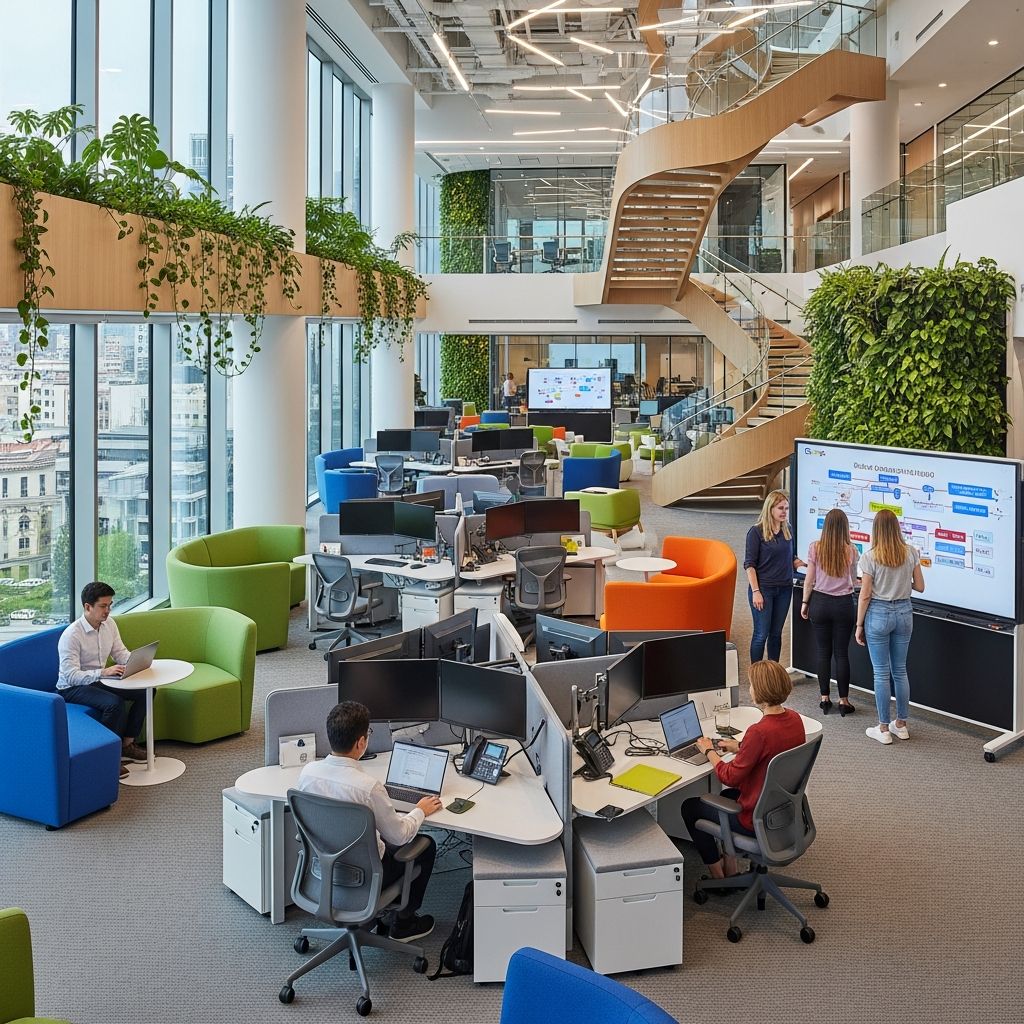
Transforming Workspace Philosophy: The Google Approach to Office Design
In the competitive landscape of technology and innovation, the physical environment where employees work has become as important as the work itself. Google has long recognized that office design extends far beyond aesthetics—it serves as a strategic tool for fostering creativity, encouraging collaboration, and supporting employee well-being. With facilities spanning nearly 60 countries worldwide, Google has developed a distinctive approach to workspace design that combines cutting-edge architecture, cultural sensitivity, and human-centered principles. Each office tells a unique story about its location while maintaining the core values that define Google as a company.
The Evolution of Corporate Workspace Standards
Traditional office environments have undergone dramatic transformation over the past decade. Gone are the days of uniform cubicles and rigid hierarchies. Modern companies recognize that workplace design directly impacts employee satisfaction, retention, and creative output. Google stands at the forefront of this revolution, having pioneered numerous workplace innovations that have become industry standards. The company’s philosophy treats offices as living environments where spontaneous interactions spark innovation, and intentional design choices support various work styles and collaboration methods.
The investment in sophisticated workspace design reflects deeper organizational truths: employees who feel valued through thoughtfully designed environments demonstrate higher engagement levels. By creating spaces that blend functionality with inspiration, Google has established a template that countless organizations now attempt to emulate. However, each Google facility adapts this fundamental philosophy to its specific location, ensuring relevance and cultural resonance.
Regional Headquarters and Strategic Design Choices
Mountain View Headquarters: The Innovation Epicenter
Google’s primary headquarters in Mountain View, California represents the company’s design philosophy in its most comprehensive form. The Googleplex sprawls across a campus featuring open floor plans, vibrant color schemes, and unconventional amenities including slides for inter-floor movement, recreational facilities like beach volleyball courts, and colorful bicycles for campus navigation. This flagship facility establishes the template for innovation-focused design, demonstrating how playfulness and functionality can coexist. The campus prioritizes spontaneous encounters and informal collaboration spaces alongside formal meeting rooms, recognizing that breakthrough ideas often emerge from unexpected conversations.
Los Angeles Operations: Heritage Meets Innovation
Google’s Los Angeles office, located in Playa Vista’s Silicon Beach area, occupies the historic Spruce Goose aircraft hangar originally constructed by aviation pioneer Howard Hughes. This conversion exemplifies Google’s approach to adaptive reuse, transforming a structure with significant historical value into a modern collaborative workspace. The four-story facility maintains aviation-themed meeting rooms that preserve the hangar’s heritage while introducing contemporary office elements. Soaring atriums create vertical connection and visual interest, transforming a warehouse environment into an inspiring workspace.
Miami Campus: Tropical Wellness Integration
The Miami office in Coconut Grove reflects the city’s laid-back yet vibrant character through open-plan lounges, glass-partitioned meeting rooms, and modern kitchen facilities. The design emphasizes wellness-driven elements and flexible configurations that accommodate the diverse work styles of multilingual teams. The office celebrates Miami’s multicultural identity while incorporating all-day snack and coffee stations that support continuous employee engagement and informal collaboration. This balance between local cultural expression and functional innovation creates an environment where employees from varied backgrounds feel represented and valued.
European Innovation Hubs and Cultural Integration
London’s Purpose-Built Headquarters
Google’s London facility at King’s Cross represents the company’s first purpose-built headquarters outside the United States. The iconic “landscraper” design stretches 330 meters—longer than London’s Shard building stands tall—while rising 11 stories and accommodating up to 7,000 employees across more than 860,000 square feet. The London office incorporates a distinctive “secret garden” balcony space designed by PENSON Group, providing employees with unexpected retreats within the urban environment. This facility demonstrates how scale need not sacrifice human-centered design, creating zones for both intensive collaboration and private reflection.
Amsterdam’s Departmental Architecture
Amsterdam’s Google office employs a unique organizational strategy where each floor centers around a “cave” representing different departments. This design encourages team cohesion while providing employees with 180-degree views overlooking the city’s beautiful landscape. The space integrates Dutch cultural elements including Stroopwafel ceiling panels and gingerbread wall coverings, celebrating local tradition. Such decisions elevate the office beyond mere functionality, creating spaces where employees feel connected to their geographic location and corporate identity simultaneously.
Creative Conversions Across Europe
Google’s European offices frequently occupy historically significant structures. Madrid’s office occupies a former electrical storage battery factory constructed in 1892, while Warsaw’s 27,000-square-foot co-working space converts a 19th-century vodka factory, preserving historical memorabilia that connects employees to the building’s past. The Moscow office features warm, inviting colors that support productivity without visual strain, creating practical yet comfortable environments. Dublin’s complex includes four buildings anchored by the 14-story “Google Docks,” featuring a striking lobby with giant lettering that transforms the company name into functional seating and reception areas.
Asian Markets: Minimalism and Cultural Harmony
Tokyo’s Minimalist Expression
Google’s Tokyo office demonstrates Japanese design principles through minimalist aesthetics combined with distinctive wall graphics and innovative fabric installations. This approach supports free-flowing creative thinking by eliminating visual clutter while maintaining visual interest. The design philosophy recognizes that different cultures respond to environmental stimuli differently, and the restraint emphasized in Japanese design creates psychological space for innovation. Wall treatments and fabric elements serve both decorative and acoustic functions, optimizing the environment for concentration and collaboration.
Indian Campuses: Distributed Excellence
Google maintains four major campuses across India in Hyderabad, Bangalore, Gurgaon, and Mumbai, collectively serving as powerful forces in the company’s global operations. The Gurgaon office, situated in the Cyber City business district, emphasizes search, advertising, and partnerships through a dynamic culture supported by cafés, fitness facilities, meditation rooms, and collaborative zones. These facilities recognize India’s growing importance in technology product development while providing regional teams with resources supporting both professional excellence and personal well-being.
Israel’s Design Innovation and Sustainability
Tel Aviv: Collaboration at the Core
Google’s Tel Aviv office allocates nearly 50% of its total area to communication landscapes, providing countless opportunities for employee interaction and collaborative work. The designers prioritized spontaneous connection and formal collaboration equally, recognizing that breakthrough innovations often emerge from cross-functional dialogue. This allocation reflects a strategic belief that physical proximity and designed gathering spaces facilitate the information exchange essential to technology development.
Haifa: Sustainable Heritage Integration
The Haifa office features four distinct wings inspired by the city’s defining characteristics: the Sea, Port, Nature, and Neighbourhoods. The design employs sustainable materials sourced from recycled components including disassembled windows and doors, embedding environmental consciousness into the physical structure. This approach demonstrates how corporate responsibility extends beyond operational practices into architectural choices, influencing employee values while reducing environmental impact. The thematic organization creates distinct zones while celebrating the geographic and cultural identity of the local community.
Design Principles Underlying Global Strategy
Local Cultural Expression
Every Google office reflects the distinct characteristics of its location through intentional design choices. Rather than applying a uniform template worldwide, the company invests in understanding local aesthetics, values, and work preferences. This approach strengthens employee connection to their communities while building pride in workspace design. Cultural integration ranges from subtle touches like regional artwork to major architectural decisions that honor local heritage and incorporate native materials.
Employee Well-Being Integration
Across all locations, Google prioritizes facilities supporting physical and mental wellness. Fitness centers, meditation rooms, diverse dining options, and recreational spaces acknowledge that employee health directly impacts productivity and satisfaction. These amenities extend beyond luxury to represent organizational values emphasizing holistic well-being. The provision of wellness facilities signals that the company recognizes employees as complete individuals with needs extending beyond their professional responsibilities.
Flexibility and Adaptability
Modern workspace design at Google emphasizes flexibility, recognizing that different work types require different environments. Quiet focus areas coexist with bustling collaboration zones, private phone booths neighbor open meeting spaces, and formal conference rooms complement casual gathering areas. This variety accommodates diverse work styles and project requirements, allowing teams to choose environments matching their immediate needs.
Comparing Global Office Characteristics
| Location | Key Design Feature | Established | Cultural Integration |
|---|---|---|---|
| Mountain View | Slides, volleyball court, bikes | Ongoing | Californian innovation culture |
| London | Landscraper design, secret garden | 2021+ | London heritage, urban integration |
| Amsterdam | Departmental caves, city views | 2014 | Dutch cultural elements |
| Tokyo | Minimalist design, wall graphics | 2013 | Japanese aesthetic principles |
| Haifa | Four themed wings, recycled materials | 2012 | Sustainable design, local themes |
| Los Angeles | Historic aircraft hangar, atriums | Recent | Aviation heritage, Silicon Beach vibes |
Sustainability and Environmental Responsibility
Google’s global office strategy increasingly emphasizes environmental sustainability through material selection, energy efficiency, and adaptive reuse of existing structures. Rather than constructing new buildings, the company frequently converts historic industrial spaces—breweries, factories, and aircraft hangars—into functional offices. This approach reduces environmental impact while preserving architectural heritage and creating spaces with distinctive character. The use of recycled materials in construction and sustainable operations practices reflects corporate commitment to environmental stewardship that extends beyond public relations into actual business practices.
Innovation in Workplace Amenities
Recreational and Fitness Facilities
Google offices worldwide provide comprehensive recreational facilities recognizing that employee wellness supports sustained productivity. Beach volleyball courts, fitness centers, and meditation rooms create environments where employees can recharge physically and mentally. These amenities acknowledge that work-life balance requires intentional design choices supporting diverse employee needs and preferences throughout the workday.
Dining and Social Spaces
All-day snack stations, diverse dining options, and casual gathering areas encourage informal interaction and relationship building. Research demonstrates that employees who develop strong workplace relationships demonstrate higher engagement and retention. Thoughtfully designed dining and social spaces facilitate these connections while supporting nutritional needs and diverse dietary preferences across international teams.
Quiet and Focus Zones
Recognizing that creative work requires concentrated attention, Google offices include private focus areas and quiet zones where employees can work without distraction. The balance between collaboration spaces and individual focus areas accommodates different work phases and personal work styles, ensuring environments support both team innovation and individual excellence.
The Future of Workspace Evolution
As hybrid work becomes increasingly prevalent, Google’s office design strategy continues evolving to address changing workplace dynamics. The company recognizes that future offices must serve as destinations for collaboration and community building rather than daily work requirements. This philosophical shift influences design choices emphasizing experiences and interactions that cannot occur remotely, creating spaces valuable precisely because they facilitate human connection and spontaneous innovation.
The investment in innovative workspace design across global locations demonstrates Google’s commitment to supporting employee excellence and well-being. By combining thoughtful architecture, cultural sensitivity, wellness integration, and sustainability practices, Google creates offices that transcend traditional corporate environments. These spaces become destinations where employees feel valued, inspired, and connected to something larger than their individual work. The careful consideration given to each location’s unique characteristics while maintaining core design principles establishes Google offices as models for contemporary workplace innovation.
Frequently Asked Questions
Q: How does Google incorporate local culture into office design?
A: Google tailors each office to its location through regional architectural elements, local materials, cultural artwork, and design themes reflecting the area’s characteristics. For example, Amsterdam incorporates Dutch cultural elements, Tokyo emphasizes Japanese minimalism, and Haifa features themes representing the city’s defining characteristics.
Q: What amenities are typically found in Google offices?
A: Google offices typically feature fitness centers, meditation rooms, diverse dining options, recreational facilities, quiet focus areas, collaboration zones, and various gathering spaces designed to support employee wellness and different work styles.
Q: Why does Google convert historic buildings into offices?
A: Converting historic structures reduces environmental impact compared to new construction, preserves architectural heritage, creates distinctive workspaces with character, and demonstrates commitment to sustainable business practices while maintaining connection to local history.
Q: How many countries have Google offices?
A: Google has offices in nearly 60 countries worldwide, with major operations concentrated in North America, Europe, Asia, and Latin America, each adapted to regional needs and cultural contexts.
Q: What design philosophy guides Google’s workspace strategy?
A: Google prioritizes employee creativity, collaboration, and well-being through flexible spaces accommodating different work styles, local cultural integration, sustainability practices, and amenities supporting physical and mental health while fostering innovation.
References
- 10 of Google’s Best Offices From Around the World — ChairOffice. 2024. https://www.chairoffice.co.uk/blog/10-of-google-s-best-offices-from-around-the-world/
- Inside Google’s Global Footprint: A Closer Look at Its Iconic Offices — iMark InfoTech. 2024. https://www.imarkinfotech.com/inside-googles-global-footprint-a-closer-look-at-its-iconic-offices-from-los-angeles-to-india/
- 12 Incredible Google Offices Around The World — WanderLife Studios. 2024. https://www.wanderlifestudios.com/google-offices-around-the-world/
- Browse a list of Google’s office locations — Google About. 2024. https://about.google/company-info/locations/
- Google Offices Around the World: Old Factories and Storage Facilities — Business Insider. 2019-12-01. https://www.businessinsider.com/google-offices-around-the-world-old-factories-and-storage-facilities-2019-12
- Google’s offices globally showcase sustainability and design — Tatler Asia. 2024. https://www.tatlerasia.com/homes/architecture-design/google-offices-global-sustainable-designs

- Integrated M.A. in Applied Linguistics, University of Hyderabad
- 5+ years in editorial, instructional, SEO, and research-based writing
Sneha is a relationships and lifestyle writer with a strong foundation in applied linguistics and certified training in relationship coaching. She brings over five years of writing experience to theskillvault, crafting thoughtful, research-driven content that empowers readers to build healthier relationships, boost emotional well-being, and embrace holistic living. Her writing and insights reflect the belief that beauty, happiness, and wellness…