
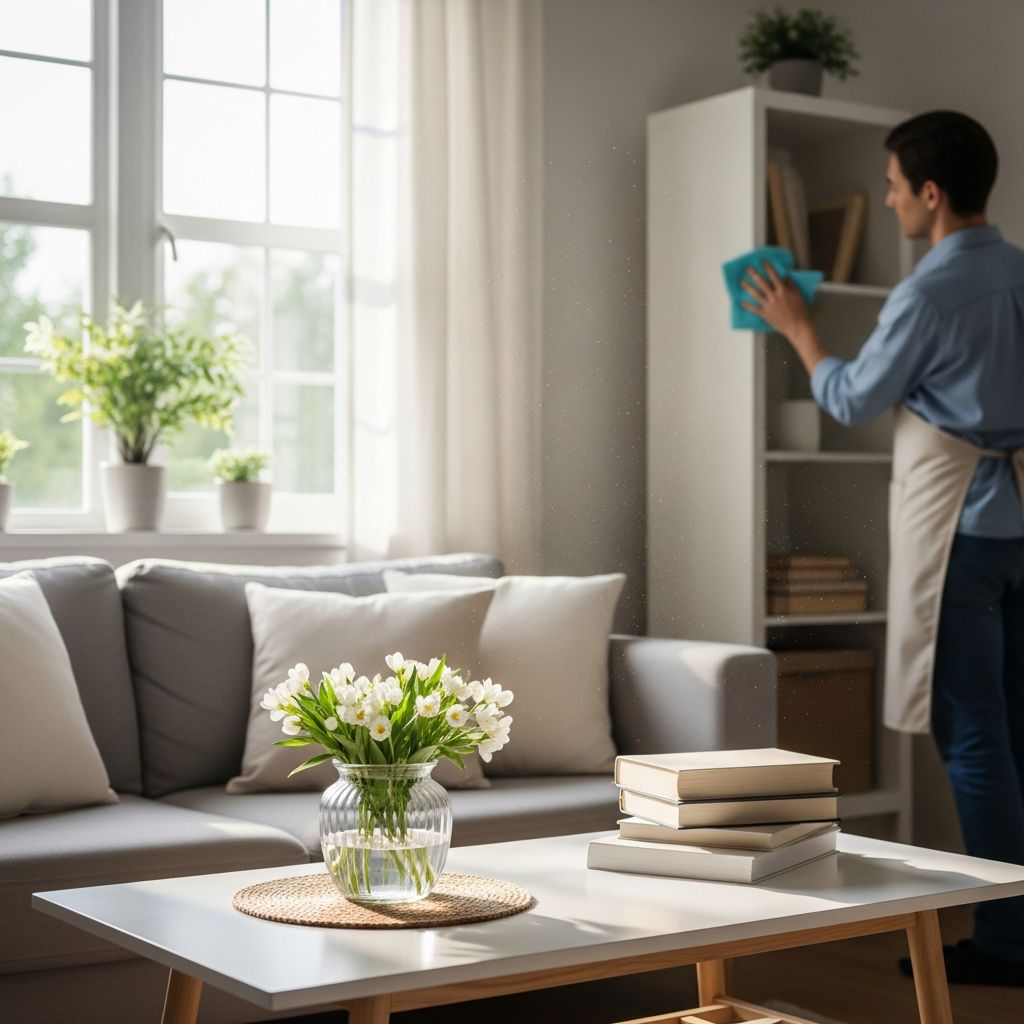
Keeping a home consistently clean doesn’t require hours of scrubbing or professional services—it’s about adopting simple, repeatable habits that prevent mess from accumulating. These practices, drawn from observations of naturally tidy individuals, focus on prevention, efficiency, and mindset shifts. By integrating them into your routine, you’ll notice your living space staying fresh with far less effort over time.
Building the Foundation: Mindset for Lasting Tidiness
The journey to a perpetually clean home starts with a shift in perspective. Tidy people view cleaning not as a chore but as a series of micro-actions woven into daily life. This approach minimizes buildup and creates a virtuous cycle where a neat environment motivates further maintenance.
- Embrace the ‘One-Minute Rule’: If a task takes less than 60 seconds—wiping a spill, hanging a coat, or tossing junk mail—do it immediately. This prevents small issues from snowballing into major cleanups.
- Prioritize Prevention Over Cure: Habits like these reduce the need for deep cleans, saving time and energy in the long run.
Research from habit-formation experts supports this: consistent small actions build neural pathways that make tidiness automatic after about 66 days.
Entryway Excellence: Stop Dirt at the Door
Your home’s front line against chaos is the entryway. Super clean homes feature strict no-shoe policies and organized coat storage to keep outdoor grime contained.
Designate a shoe rack or mat right inside the door. Train household members to remove footwear upon entry—use a basket for slippers if needed. Pair this with a coat hook or rack to avoid piles. This simple ritual cuts indoor dust by up to 85%, according to environmental studies on household particulates.
| Entryway Zone | Daily Habit | Weekly Check |
|---|---|---|
| Shoes | Remove and store | Wipe rack, discard worn pairs |
| Coats/Bags | Hang immediately | Launder or dry-clean as needed |
| Floors | Sweep daily | Mop with disinfectant |
Kitchen Mastery: Clean While You Create
The kitchen is a high-traffic mess magnet, but tidy cooks maintain order through real-time habits. Start every meal prep with an empty dishwasher or clean sink. As you use utensils and dishes, rinse and load them promptly.
Keep a spray bottle of mild cleaner (water and dish soap) handy for instant spill wipes. After cooking, tackle counters before sitting down— this keeps surfaces sanitary and inviting. Running the dishwasher nightly ensures a reset by morning, eliminating sink overflows.
- Pro Tip: Pre-treat pans with soapy water right after use to avoid baked-on residue.
- Fridge Focus: Wipe jars before restocking and purge expired items weekly to prevent odors and stickiness.
Bedroom Bliss: Start and End Your Day Right
A made bed sets a tone of control for the entire day. Fluff pillows, straighten sheets, and add a throw blanket in under two minutes. This small win boosts mood and makes the room feel instantly polished.
Extend this to nightstands: clear clutter nightly, dust surfaces, and keep essentials in designated spots. Nightly routines like these compound into a serene retreat.
Laundry Logic: Integrate Without Overwhelm
Instead of marathon wash days, distribute loads throughout the week. Fold while multitasking—on calls or watching TV—and put away immediately. Aim for 3-7 loads weekly, adjusting for household size.
Sort mail and papers during this time to multitask efficiently. Visible laundry piles breed stress; consistent processing keeps them at bay.
Surface Supremacy: High-Touch Hygiene
Door handles, light switches, remotes, and fridge doors harbor germs. Wipe them daily with microfiber cloths and disinfectant. Invest in tools you enjoy—ergonomic handles or scented sprays make the task less daunting.
For showers, squeegee walls post-use to prevent mildew. This five-second habit transforms maintenance.
Pet and Family Management: Contain the Chaos
With pets or kids, messes multiply. Groom animals weekly to reduce shedding—brush outdoors if possible. Use pet blankets that wash easily and vacuum daily in high-shed zones.
For children, assign ‘mess zones’ like bins for toys, and clean as play ends. Small, contained activities prevent widespread disorder.
Organization Systems: Lists and Schedules
Combat forgetfulness with cleaning lists. Categorize tasks: daily (wipes, beds), weekly (fridge, laundry), monthly (deep dust). Use apps or wall charts for visibility.
Schedule seasonal deep cleans—change HVAC filters biannually for air quality, a key factor in perceived cleanliness per EPA guidelines.
Appliance and Storage Smarts
Put away small appliances after use—no countertop clutter. Organize cabinets with bins for easy access, rotating stock to use oldest items first.
Regular fridge audits: label leftovers with dates to avoid waste.
Whole-Home Momentum: Continuous Care
Tidy people never leave a room messier than they found it. Vacuum or mop spots immediately after spills. Air out spaces daily for freshness.
Track progress with before/after photos to stay motivated.
Overcoming Common Hurdles
Time Constraints: Micro-habits fit busy schedules—total daily time under 15 minutes.
Resistance from Family: Lead by example; gamify tasks for buy-in.
Burnout: Rotate focus areas weekly to keep it fresh.
Frequently Asked Questions (FAQs)
Can these habits work in a large family home?
Yes, scale by assigning zones per person and using shared lists. Consistency trumps perfection.
How long until I see results?
Visible changes in 1-2 weeks; full habit integration in 2 months.
What if I hate cleaning tools?
Choose ergonomic, fun designs—quality microfiber or robotic vacuums elevate the experience.
Do no-shoes rules really help?
Absolutely; they reduce tracked-in pollutants by 80-90%, per indoor air quality research.
Any tips for renters?
Focus on portable habits like lists and wipes; avoid permanent fixtures.
References
- Indoor Air Quality: Guidelines for Clean Homes — U.S. Environmental Protection Agency (EPA). 2024-06-15. https://www.epa.gov/indoor-air-quality-iaq/introduction-indoor-air-quality
- Habit Formation: How Long Does It Take? — European Journal of Social Psychology (via PubMed). 2009-10-01. https://doi.org/10.1002/ejsp.674
- Residential Dust and Health Impacts — Centers for Disease Control and Prevention (CDC). 2023-11-20. https://www.cdc.gov/healthyhomes/healthyhomesbasics.html
- Household Cleaning Efficacy Standards — World Health Organization (WHO). 2022-05-10. https://www.who.int/publications/i/item/9789240049349
- Air Filter Maintenance for Homes — U.S. Department of Energy. 2025-01-05. https://www.energy.gov/energysaver/air-filters

- Integrated M.A. in Applied Linguistics, University of Hyderabad
- 5+ years in editorial, instructional, SEO, and research-based writing
Sneha is a relationships and lifestyle writer with a strong foundation in applied linguistics and certified training in relationship coaching. She brings over five years of writing experience to theskillvault, crafting thoughtful, research-driven content that empowers readers to build healthier relationships, boost emotional well-being, and embrace holistic living. Her writing and insights reflect the belief that beauty, happiness, and wellness…