
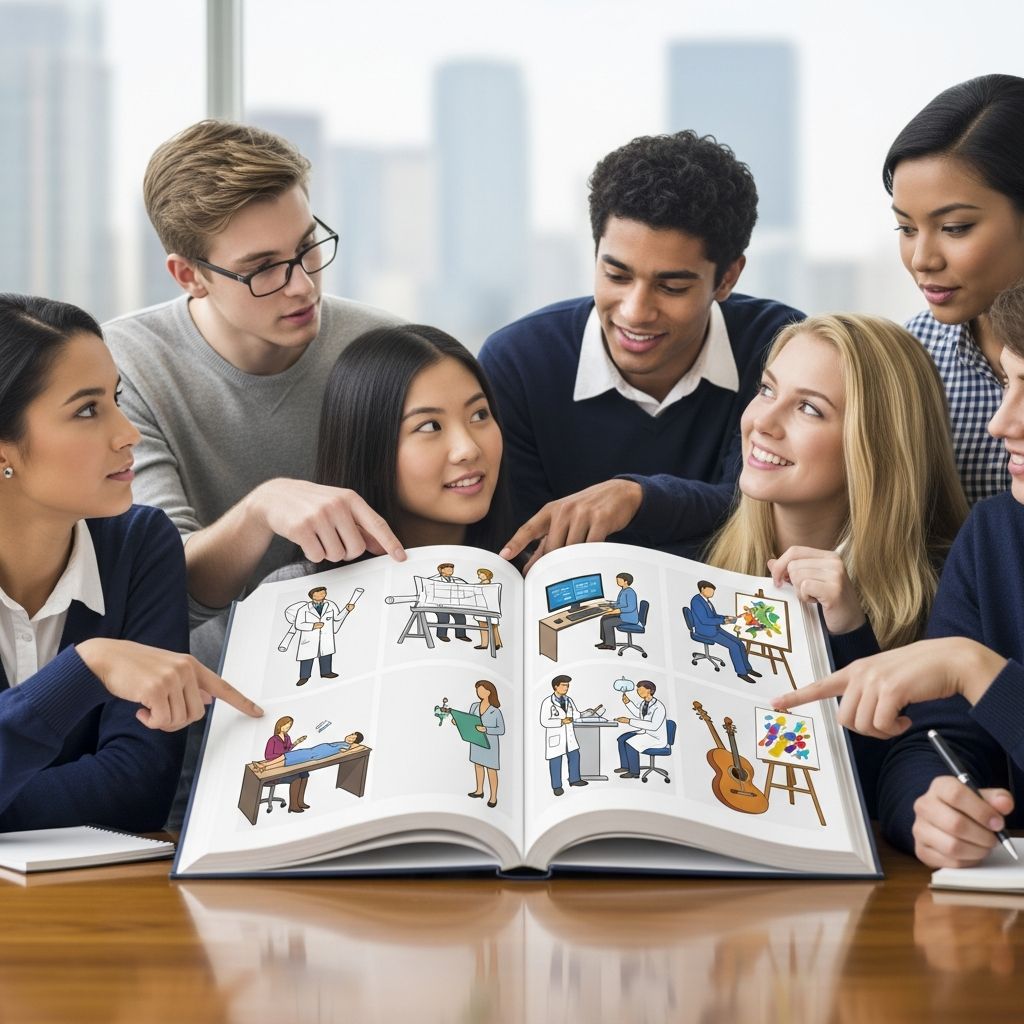
Career selection represents one of the most significant decisions young people face during their high school years. The process of identifying a suitable professional path requires thoughtful exploration, honest self-reflection, and access to reliable information about the evolving job market. This guide presents comprehensive strategies designed to help students move through the career discovery process systematically and confidently.
Understanding the Importance of Early Career Exploration
Career planning during high school years provides students with a crucial foundation for their adult professional lives. Rather than viewing career selection as a single decision made at graduation, educators and parents benefit from understanding it as an ongoing journey that begins years before students enter the workforce. Early exploration allows students to align their educational choices with their evolving interests and strengths, creating a coherent pathway from secondary education through postsecondary opportunities.
The contemporary job market emphasizes adaptability and continuous learning. Students who engage in early career exploration develop decision-making skills that serve them well regardless of which specific career they ultimately pursue. This exploratory mindset builds resilience and flexibility, qualities increasingly valued across industries.
Conducting Personal Interest and Strength Inventories
The foundation of meaningful career exploration begins with self-knowledge. Students benefit from taking time to identify their genuine interests, natural strengths, and personal values. This internal assessment should extend beyond simple preference questionnaires to include honest reflection about what activities energize them and what environments allow them to thrive.
Several practical approaches facilitate this self-discovery process:
- Interest inventory tools: Standardized assessments help students identify patterns in their preferences and discover career fields they may not have previously considered
- Skills mapping exercises: Students identify abilities they have developed through academics, extracurricular activities, and life experiences, recognizing how these transferable skills apply across different careers
- Values clarification activities: Structured conversations help students articulate what matters to them in work environments, whether that involves creativity, helping others, working independently, or other factors
- Learning style analysis: Understanding how students prefer to process information helps identify careers that match their cognitive strengths
Teachers and counselors can facilitate these explorations through classroom discussions, journaling assignments, and one-on-one conversations that validate student experiences while encouraging deeper reflection. The goal extends beyond simply completing an assessment; students should develop genuine clarity about their authentic interests rather than pursuing careers based on external pressure or misconceptions.
Building Essential Professional Competencies
Beyond identifying interests, students must develop the foundational skills that employers consistently seek across industries. While specific technical skills vary by field, certain competencies remain universally valuable in the modern workplace.
Educational institutions can intentionally cultivate these capabilities through classroom design and assignments:
- Critical thinking and problem-solving: Project-based learning, case study analysis, and collaborative problem-solving activities develop students’ ability to approach challenges systematically
- Communication proficiency: Writing assignments, presentations, and group discussions build both written and oral communication abilities essential for workplace success
- Teamwork and collaboration: Group projects and cooperative learning structures teach students to work effectively with diverse peers and contribute meaningfully to collective efforts
- Time management and organization: Structured assignments with multiple deadlines help students develop planning skills and personal accountability
- Digital literacy: Contemporary careers increasingly require comfort with technology platforms and digital communication tools
- Emotional intelligence: Classroom environments that emphasize respect, perspective-taking, and constructive conflict resolution develop students’ interpersonal awareness
These competencies develop most effectively when students understand their relevance to future professional success. Teachers strengthen skill development by explicitly connecting classroom activities to workplace applications, helping students recognize that their current academic work directly prepares them for career success.
Establishing Strategic Career Goals and Action Plans
Once students have identified their interests and begun developing essential skills, the process of goal-setting provides direction and motivation. Effective career goals follow specific criteria that make them meaningful and achievable rather than vague or overwhelming.
The SMART goal framework provides a practical structure for student career planning:
| Goal Component | Definition | Student Application |
|---|---|---|
| Specific | Clearly defined target with concrete details | Rather than “explore careers,” specify “research five careers in environmental science by March” |
| Measurable | Quantifiable progress indicators | Track completed informational interviews, certificates earned, or projects completed |
| Achievable | Realistic within available time and resources | Set goals aligned with current grade level and capabilities |
| Relevant | Connected to broader career objectives | Ensure activities directly support identified career interests |
| Time-bound | Clear deadlines for completion | Assign specific completion dates and intermediate milestones |
Beyond establishing goals, students require support in creating actionable plans that break larger aspirations into manageable steps. This planning process teaches students to recognize that career development unfolds gradually through consistent effort and sequential decisions. Regular check-ins on progress help students stay motivated while building their capacity to plan and organize complex projects.
Engaging in Experiential Learning Opportunities
Abstract career exploration gains substance when students engage directly with professional environments and actual work. Experiential learning opportunities provide invaluable insights that cannot be obtained through classroom discussion or research alone.
Schools can facilitate several types of hands-on career experiences:
- Internships and apprenticeships: Structured work experience, whether paid or unpaid, allows students to observe professional environments, develop practical skills, and confirm or revise career interests
- Job shadowing: Brief exposure to professionals in their work setting provides realistic understanding of daily responsibilities and workplace cultures
- Career fairs and industry events: Large-scale events connecting students with representatives from multiple organizations provide broad exposure to diverse career options
- Informational interviews: Structured conversations with professionals allow students to ask specific questions and learn from firsthand experience
- Volunteer positions: Community service work develops skills while allowing students to explore fields aligned with their values
- Industry-specific workshops: Targeted sessions teaching skills relevant to specific fields help students assess their aptitude and interest
These experiential opportunities prove most valuable when structured to encourage reflection. Students benefit from processing their observations through journaling, discussion, or presentations that help them extract meaningful lessons from their experiences. Over time, accumulated experiences provide students with substantially informed perspectives on their career preferences.
Leveraging Family and Community Resources
Students’ career exploration extends beyond school walls. Parents, family members, and community connections represent significant resources for career guidance and support. Research indicates that family involvement substantially influences students’ career trajectories and confidence in their decision-making.
Schools can activate family resources through several approaches:
- Family career conversations: Providing parents with discussion prompts helps facilitate meaningful conversations about career interests and professional aspirations
- Guest speaker programs: Parents and community members share their professional journeys, providing diverse perspectives and authentic insights into various fields
- Network facilitation: Schools can help connect students with professionals through parent networks, mentorship programs, and alumni relationships
- Career night events: Structured opportunities for students to interact with professionals in informal settings reduce anxiety and encourage authentic conversation
When schools position families as valued partners in career exploration rather than passive observers, they create more comprehensive support systems. Parents gain clarity about how to assist their children while students receive consistent messages about career planning’s importance from multiple trusted adults.
Navigating Rapidly Changing Career Landscapes
Contemporary students navigate a career landscape fundamentally different from previous generations. Technological advancement, automation, and global connectivity have transformed work across virtually all industries. Helping students understand these changes and adapt their career planning accordingly represents an essential responsibility.
Educators can prepare students for evolving careers by:
- Emphasizing adaptability: Help students recognize that their first career may evolve or change substantially during their work lives, building confidence in their capacity to learn new skills
- Highlighting growth industries: Draw attention to fields experiencing expansion, such as renewable energy, healthcare, technology, and skilled trades
- Building digital competencies: Ensure students develop comfort with contemporary technology and online communication tools used across industries
- Teaching systems thinking: Help students understand connections between industries and recognize how different roles support broader economic systems
- Normalizing continuous learning: Present professional development as an ongoing responsibility, helping students view themselves as lifelong learners
When students understand that career planning accommodates change and that their current choices represent starting points rather than permanent commitments, they approach decision-making with greater confidence and flexibility.
Supporting Emotional Dimensions of Career Choice
Career selection frequently generates anxiety among students who feel pressure to make “correct” choices that will determine their entire futures. Acknowledging and addressing the emotional dimensions of career planning represents an important aspect of comprehensive support.
Effective support includes:
- Normalizing uncertainty: Help students recognize that uncertainty about career direction is normal and universal, not a sign of inadequacy
- Encouraging exploration without commitment: Frame career exploration as investigation and learning rather than irreversible decision-making
- Validating diverse paths: Recognize that successful careers emerge through multiple routes, including traditional four-year universities, community colleges, apprenticeships, military service, and entrepreneurship
- Processing setbacks constructively: Help students learn from disappointments and failed experiments, building resilience through normalized difficulty
- Providing reassurance about change: Emphasize that initial career choices rarely remain permanent and that changing directions represents a normal and healthy part of professional development
When schools create psychologically safe environments for career exploration, students engage more authentically in the process and develop greater confidence in their decision-making abilities.
Frequently Asked Questions About Career Selection
At what age should students begin career exploration?
Career exploration can begin in elementary school through age-appropriate activities that help students recognize different professions. Intentional career planning typically becomes more focused during middle school, with substantial depth during high school years. However, students at any age benefit from exposure to diverse careers and reflection on their interests.
What if a student’s interests keep changing?
Changing interests are completely normal during adolescence as students gain new experiences and develop greater self-understanding. Rather than viewing this negatively, educators can help students recognize patterns across their interests and understand how skills developed in one area transfer to others. Continued exploration throughout high school provides the information needed to make increasingly informed choices.
How can schools support students from families without professional networks?
Schools can intentionally expand students’ exposure to diverse careers through guest speakers, mentorship programs, virtual informational interviews, and structured job shadowing opportunities. Counselors can also help students navigate online resources and professional databases that provide career information. These approaches ensure all students access guidance regardless of their family background.
Should students commit to a specific career during high school?
While some students arrive at clear career directions during high school, many benefit from maintaining flexibility through their early postsecondary education. High school allows students to gather sufficient information to make intelligent choices about educational pathways, whether through specific college programs, apprenticeships, or other options. This informed approach serves students better than premature commitment to a specific career.
References
- Career Exploration Activities for High School Students — Success by Design. Accessed February 2026. https://www.successbydesign.com/blogs/news/career-preparation-for-high-school-students
- A Guide on Navigating Career Exploration for High School Students — NDC High School, Queens. Accessed February 2026. https://www.ndchsqueens.org/career-exploration-for-high-school-students
- 26 Career Development Strategies for School-Aged Students — National Career Development Association (NCDA). Accessed February 2026. https://www.ncda.org/aws/NCDA/pt/sd/news_article/607823/_PARENT/CC_layout_details/false
- How Families Help Career Planning for High School Students — Parent Powered. Accessed February 2026. https://parentpowered.com/blog/college-and-career-readiness/career-planning-for-high-school-students/
- Career Awareness Resources — New York State Education Department. Accessed February 2026. https://www.nysed.gov/career-technical-education/career-awareness-resources
- Career Planning for High Schoolers — U.S. Bureau of Labor Statistics. 2015. https://www.bls.gov/careeroutlook/2015/article/career-planning-for-high-schoolers.htm

- Integrated M.A. in Applied Linguistics, University of Hyderabad
- 5+ years in editorial, instructional, SEO, and research-based writing
Sneha is a relationships and lifestyle writer with a strong foundation in applied linguistics and certified training in relationship coaching. She brings over five years of writing experience to theskillvault, crafting thoughtful, research-driven content that empowers readers to build healthier relationships, boost emotional well-being, and embrace holistic living. Her writing and insights reflect the belief that beauty, happiness, and wellness…