
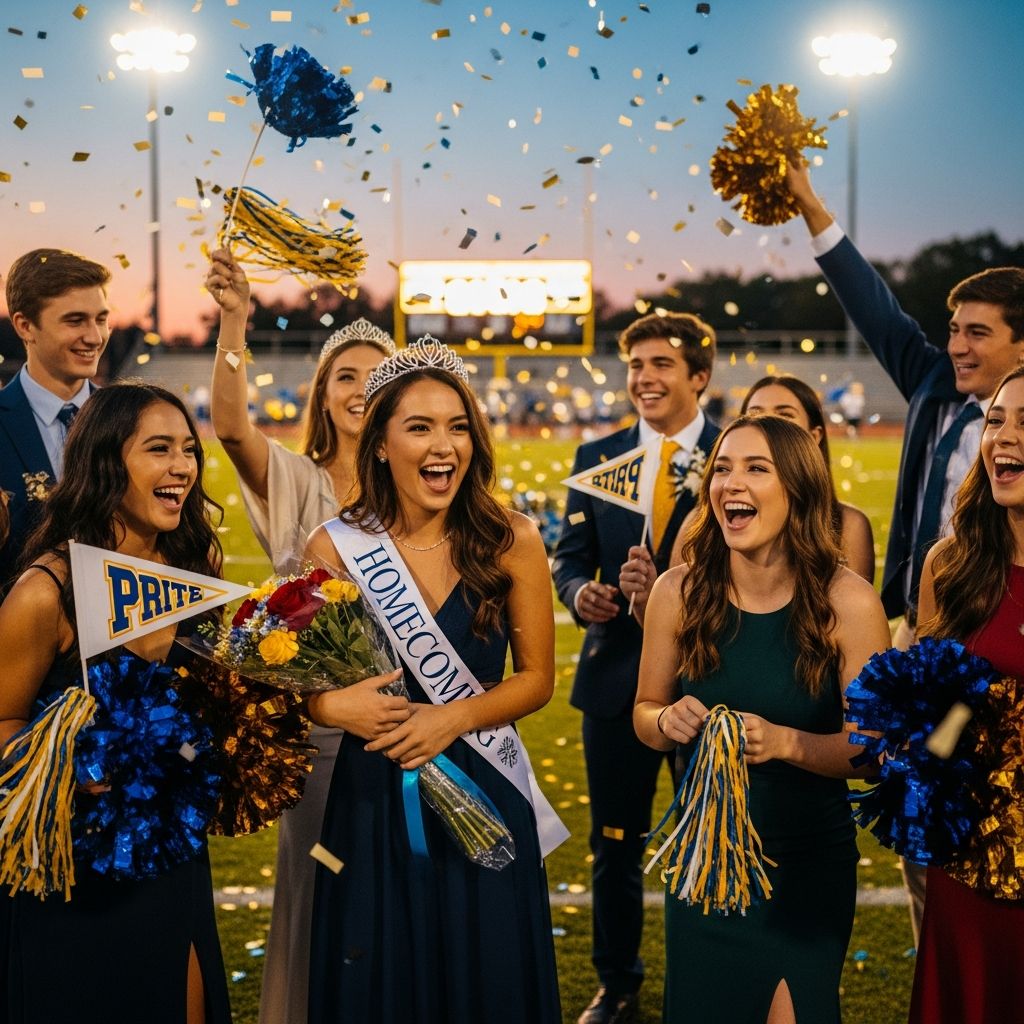
High school homecoming stands as one of the most anticipated events of the year, blending athletic competition, community gatherings, and festive celebrations to honor school pride. Originating from college traditions in the early 20th century, it has evolved into a multifaceted week-long spectacle in high schools across the United States, drawing students, families, alumni, and locals together.
The Historical Roots of Homecoming
The concept of homecoming traces back to the late 19th and early 20th centuries, primarily linked to college football games where alumni were invited to return to campus. Universities like Baylor, Illinois, Missouri, and others vie for the title of originator. For instance, the University of Missouri is often credited with formalizing the tradition in 1911, when athletic director Chester L. Brewer urged alumni to “come home” for a rivalry game against the University of Kansas, complete with a parade and rally. This event drew over 9,000 attendees and set the stage for annual celebrations.
By the 1920s and 1930s, the tradition filtered down to high schools, which emulated college models to build community spirit. Early high school events focused on football games against rivals, gradually incorporating parades and social gatherings. During World War II, many schools paused full celebrations for “victory dances” in support of troops, but the core idea persisted. Post-war decades saw shifts: formal dances in the 1950s-1960s gave way to casual picnics in the 1970s, reflecting societal changes.
Today, high school homecoming retains these foundations while adapting to local cultures. Schools in rural areas might emphasize bonfires and tailgates, while urban ones highlight elaborate floats and performances. This evolution underscores homecoming’s role in fostering lifelong connections to alma maters.
Key Elements of a Typical Homecoming Week
High school homecoming usually spans a full week, building excitement toward the climactic football game and dance. Each day features themed activities to encourage participation and creativity.
- Dress-Up Days: Students don outfits tied to themes like pajama day, decade throwbacks, or spirit animal matches, sparking friendly competitions and photo ops.
- Pep Rallies: High-energy assemblies with cheer squads, band performances, and skits hype up the crowd, often featuring teacher-student games.
- Parades: Floats crafted by clubs or grades parade through town, tossing candy and showcasing handmade designs.
- Football Game: The centerpiece, typically against a rival, with halftime shows and announcements.
- Dance: A semi-formal event post-game, complete with decorations, music, and crowning ceremonies.
These components create a sense of unity, with participation rates often highest among underclassmen eager to join upperclassmen traditions.
Football Game: The Heart of Homecoming
No homecoming is complete without the gridiron showdown. Schools schedule their biggest rivalry match for this night, turning the stadium into a sea of team colors. Halftime brings marching bands, color guards, and the reveal of homecoming court winners. Alumni often return, mingling in tailgate lots with barbecues and games, bridging generations.
Weather can influence the vibe—clear fall nights amplify cheers, while rain prompts creative covered seating. Win or lose, the game reinforces camaraderie, with post-game field storms allowing victorious rushes or consolatory huddles.
Crowning the Homecoming Royalty
A highlight for many is the election of homecoming king, queen, and court. Nominations come from students, with voting via ballots or apps. Criteria often favor involvement in sports, clubs, or academics over mere popularity. Winners are crowned at halftime or the dance, receiving sashes, crowns, and applause.
| Role | Typical Duties | Election Process |
|---|---|---|
| King & Queen | Lead court, dance first, represent school | Student vote from nominees |
| Princes & Princesses | Escort royalty, participate in parade | Class-specific voting |
| Attendants | Support events, wave in parade | Teacher or peer selection |
This tradition symbolizes leadership and inclusivity, though some schools now opt for non-gendered titles like royalty or monarchs to promote equity.
Parades and Spirit Rallies: Building Hype
Parades kick off the visual spectacle, with student-built floats on trailers towed by trucks. Themes tie into school mascot or pop culture, judged for creativity and spirit. Spectators line streets, collecting swag amid brass bands.
Pep rallies, held in gyms or fields, feature chants, dances, and challenges like tug-of-war. They peak with bonfires where effigies of rivals burn (safely), igniting fervor. These events measurable boost attendance at the game by 20-50% in many schools.
Dress-Up Themes and Creative Fun
Spirit weeks transform hallways into fashion runways. Common themes include:
- Twin Day: Matching outfits with friends.
- Throwback Thursday: Retro clothing from past decades.
- Meme Day: Costumes inspired by viral internet trends.
- Superhero Day: Capes and masks for heroic flair.
- Spirit Day: Full team gear on game day.
Contests award prizes for best groups, encouraging club collaborations. This lighthearted competition eases midterm stress and strengthens bonds.
The Iconic Homecoming Dance
Capping the week, the dance offers a chance to unwind. Venues range from gyms with blacklights to rented halls. DJs spin top hits, with photo booths and snack bars. Dress codes vary—semi-formal gowns and suits or casual chic. Royalty leads the first dance, followed by group activities like limbo or inflatables.
Safety measures include chaperones, clear bags, and no-outside-drinks policies. Memories from slow dances and group photos last a lifetime.
Modern Twists on Classic Traditions
Today’s homecomings incorporate tech: Livestreamed parades, TikTok challenges, and virtual alumni shoutouts. Inclusivity efforts feature diverse court representation and gender-neutral awards. Sustainability trends promote reusable floats from recycled materials. Amid post-pandemic recovery, hybrid events ensure broad access.
Some schools add alumni mixers or career fairs, extending the event’s impact beyond students.
Planning Your Perfect Homecoming
For student leaders, success hinges on early committees for budgeting, themes, and safety. Secure permits for parades, book DJs months ahead, and promote via social media. Budget tip: Seek sponsors for floats and prizes.
- Timeline: Announce themes in August.
- Budget: $5,000-$15,000 for mid-sized schools.
- Inclusivity: Polls for theme votes.
Frequently Asked Questions (FAQs)
What is high school homecoming?
A week of spirit events culminating in a football game and dance to celebrate school pride.
Who can be on the homecoming court?
Seniors and juniors nominated by peers, selected by vote.
Is the dance formal?
Usually semi-formal; check school guidelines.
Do alumni participate?
Yes, via tailgates and guest appearances.
How has homecoming changed over time?
From alumni-focused to student-driven, with added inclusivity and tech.
Why Homecoming Matters
Beyond festivities, homecoming cultivates belonging, leadership, and memories that echo into adulthood. It reminds everyone of shared heritage, making it an enduring pillar of American high school life.
References
- The origins of the Homecoming tradition — The Samohi. 2017. https://www.thesamohi.com/archive-articles-fall2017-spring2020/feature/the-origins-of-the-homecoming-tradition
- Homecoming: A history — The Pepperbox. N/A. https://thepepperbox.com/features/homecoming-a-history/
- The History of High School Homecoming — Matsnation.org. N/A. https://www.matsnation.org/the_history_of_high_school_homecoming
- Homecoming — Wikipedia. 2026-02-06. https://en.wikipedia.org/wiki/Homecoming
- The History of Homecoming — The Storm King School. N/A. https://sks.org/homecoming-history/
- Why Is It Called Homecoming? — Couture Candy. N/A. https://www.couturecandy.com/blogs/fashion/why-is-it-called-homecoming
- Homecoming — EBSCO Research Starters. N/A. https://www.ebsco.com/research-starters/sports-and-leisure/homecoming

- Integrated M.A. in Applied Linguistics, University of Hyderabad
- 5+ years in editorial, instructional, SEO, and research-based writing
Sneha is a relationships and lifestyle writer with a strong foundation in applied linguistics and certified training in relationship coaching. She brings over five years of writing experience to theskillvault, crafting thoughtful, research-driven content that empowers readers to build healthier relationships, boost emotional well-being, and embrace holistic living. Her writing and insights reflect the belief that beauty, happiness, and wellness…