
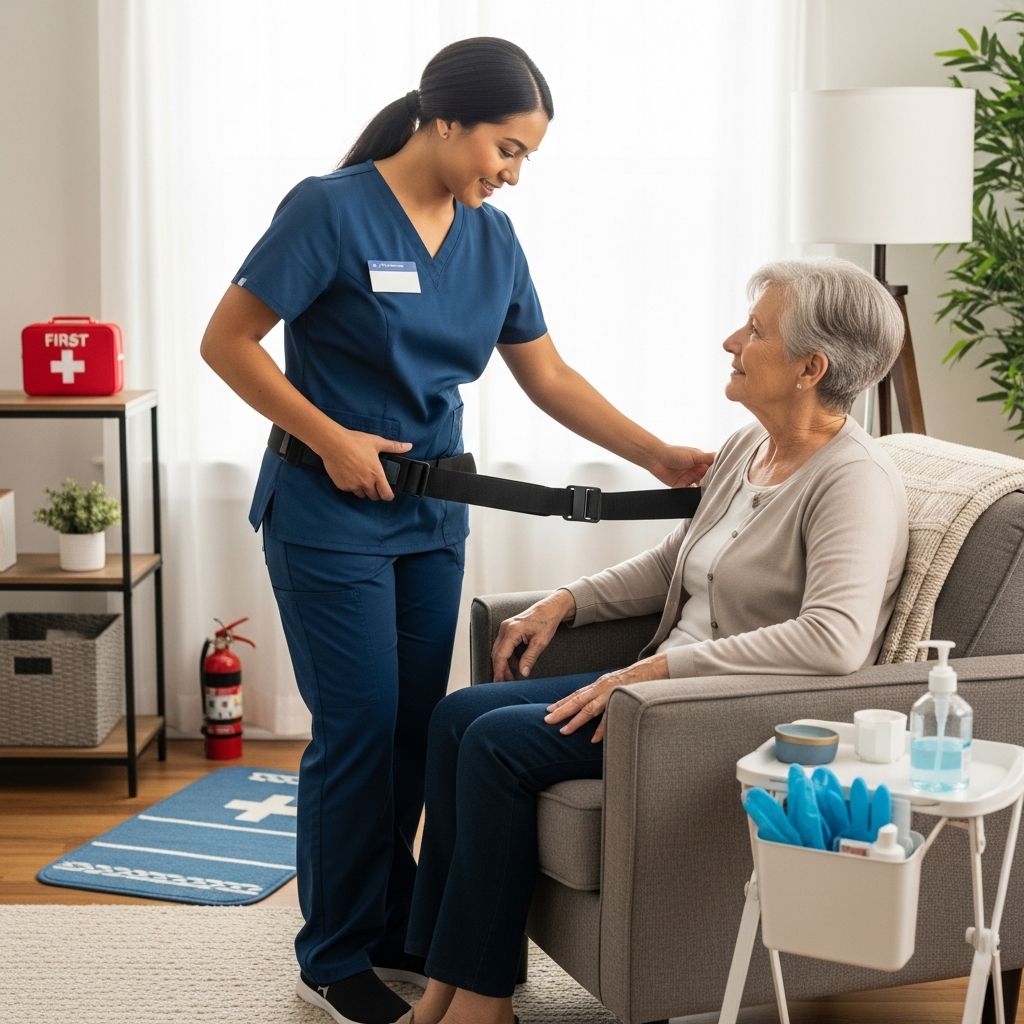
Home healthcare professionals face unique occupational challenges that differ significantly from traditional clinical environments. Working within clients’ residences means navigating unfamiliar spaces, managing varied environmental hazards, and often working in isolation. Understanding and implementing comprehensive safety strategies is essential for protecting your physical health, mental well-being, and ability to provide quality care.
Understanding Your Work Environment
Unlike hospital or clinic settings where safety protocols are standardized and staff remain nearby, home healthcare providers operate independently in diverse residential environments. Each home presents its own combination of potential risks—from structural hazards to behavioral challenges. Recognizing that your workplace is also someone’s home requires a different mindset about safety. You must conduct thorough environmental assessments during every visit and develop strategies to mitigate risks while maintaining a respectful client relationship.
Your employer bears responsibility for educating you about organizational policies related to personal safety, bloodborne pathogen protocols, and proper home visit procedures. However, since most home care workers practice alone, you must take primary responsibility for your own safety and develop the skills to recognize and respond to potential dangers.
Identifying and Managing Physical Environmental Hazards
Slip, Trip, and Fall Risks
Falls represent one of the most common workplace injuries for home health professionals. Residential environments often contain numerous trip hazards that would be unacceptable in commercial healthcare facilities. Before beginning your workday, systematically assess the home’s walkways, stairs, and work areas for potential dangers.
Common indoor hazards include:
- Uneven or slippery flooring surfaces
- Worn carpeting or curling vinyl flooring
- Clutter in rooms, hallways, and stairwells
- Missing or inadequate stair handrails
- Electrical cords placed across walkways
- Open drawers protruding into pathways
Wear appropriate footwear with slip-resistant soles when permitted by the client, and inspect floor surfaces carefully before placing your weight on them. If you identify hazards within the home, communicate with the client about storing items properly, securing electrical cords, and keeping drawers closed. Always use available handrails when navigating stairs, and never attempt to reach over obstacles or uneven surfaces.
Electrical and Chemical Hazards
Many residential homes contain electrical and chemical hazards that require careful management. Worn extension cords, missing outlet covers, and improper electrical device placement near water sources pose significant risks. When cleaning or managing household chemicals, always use appropriate personal protective equipment including well-fitting gloves and ensure adequate ventilation.
Never use electrical devices such as hair dryers or heaters near a bathtub containing water, and handle heating pads with extreme caution as they can cause serious burns. If you notice electrical hazards during your visit, document them and report concerns to your supervisor or case manager.
Managing Physical Demands and Preventing Musculoskeletal Injuries
Safe Patient Handling Techniques
Transferring, repositioning, bathing, and dressing clients represent high-risk activities for musculoskeletal injuries. The best injury prevention strategy involves using mechanical lifting equipment and transfer assist devices whenever possible, such as patient lifts or low-friction slide sheets. Before any transfer or repositioning activity, clearly communicate your intentions to the client and provide clear instructions about what you’ll be doing.
When manual lifting becomes necessary, follow established safe handling protocols. Lift from a position of power by maintaining proper posture with your head up and shoulders back. Get physically close to the client you’re assisting and ensure you have a secure hold before initiating movement. Position your feet in a staggered stance with one foot slightly ahead of the other, remember the principle that “nose follows toes” to avoid spinal twisting, bend at your knees rather than your back, and never jerk or make sudden movements.
Participate in comprehensive training programs focused on safe patient handling techniques, and report all injuries or near-miss incidents to your supervisor immediately.
Proper Body Mechanics During Client Care Activities
Beyond transfers, many daily care activities create injury risks through repetitive motions or awkward positioning. When assisting with dressing, avoid reaching to put clothes on clients or maintaining static positions for extended periods. Keep your body upright, shift your weight using your legs rather than your back, and start with the client’s weaker side when putting on clothing. When assisting with shoes or socks, sit on a stool rather than bending or kneeling.
During bathing assistance, prevent injuries by avoiding awkward and static positions and by not using the same muscle groups repeatedly without rest. Gather all necessary equipment and supplies before beginning the bath, and position them within easy reach. Use a transfer bench or shower stool before assisting clients into the tub to maintain proper body mechanics and stability.
Housekeeping and Domestic Tasks
Routine household tasks such as making beds, cleaning, and laundry can cause cumulative musculoskeletal injuries if performed incorrectly. When making beds, avoid bending at the waist and flexing your knees simultaneously. Instead, walk around the bed rather than reaching across it. If you must work from one side, maintain one hand on the bed for support and balance.
During cleaning tasks, use equipment with long handles to reach difficult areas, place folded towels under your knees if kneeling is necessary, and ensure your gloves fit properly to prevent requiring excessive gripping force. When managing laundry, carry loads you can comfortably handle without strain, avoid forward bending, fold clothes at a comfortable height, and prevent twisting motions when lifting.
Bloodborne Pathogen and Infection Control
Home healthcare providers work with bodily fluids and potentially contaminated materials regularly. Always use appropriate personal protective equipment when handling chemical substances, blood, or other bodily fluids. Maintain current vaccinations as recommended by occupational health guidelines and stay updated on prevention protocols.
Implement proper cleanup procedures using household bleach diluted to 10% concentration or other approved disinfectants when contamination occurs. Pay close attention to warning signs and product labels that indicate hazardous materials, and ensure you understand proper disposal procedures for potentially infectious waste.
Recognizing and Managing Workplace Violence
Understanding Violence Risk in Home Settings
Workplace violence represents a significant occupational hazard for home healthcare professionals. Violence can escalate from verbal aggression to physical assault, making early recognition and intervention essential. Be alert to your surroundings throughout each visit and watch for behavioral signals that might indicate potential conflict.
De-escalation Strategies
When encountering a potentially combative client or family member, maintaining composure and employing de-escalation techniques can often prevent violence. Approach the person calmly and deliberately. Allow adequate physical space, especially when someone is expressing anger or agitation. Never turn your back on a combative patient, keep your hands visible at all times, and maintain an open, non-threatening stance with elbows at your sides and arms extended.
Identify what the person is trying to communicate and what need they may be expressing. Use a calm voice, don’t argue or raise your voice, and never make sudden movements. Reassure the person that their concerns will be addressed promptly and explain how they can file a complaint with your supervisor. After any stressful interaction, report the situation to your supervisor as soon as possible.
Pre-Visit Preparation
Proactive assessment before entering a client’s home can prevent many volatile situations. Review the care plan thoroughly before each visit to understand the client’s condition, history, and specific needs. Ask during the initial scheduling call about potential hazards such as guard dogs or other animals, and request that pets be restrained during your visit. Assess the client’s mood immediately upon arrival and brief them on what you plan to do before beginning care activities.
Ensure you have easy access from the home, and in high-crime neighborhoods, request that a family member or friend escort you to your vehicle. Report all suspicious or threatening incidents to your supervisor and participate in organizational violence prevention programs.
Organizational Responsibilities and Your Role
While you bear primary responsibility for your own safety, your employer also has significant obligations. Home Health Agencies must establish clear safety policies, provide comprehensive safety training, and create systems for reporting and addressing safety concerns. Organizations should implement regular training focused on verbal de-escalation, situational awareness, and basic self-defense techniques, with more specialized instruction available for those encountering higher-risk situations.
Your agency should maintain systems for tracking safety incidents, near-misses, and employee feedback, allowing for continuous improvement of safety protocols. When adverse events occur—such as assaults, injuries, or threats—supervisors should complete occurrence reports to facilitate root cause analysis and provide legal documentation.
Participate actively in safety training programs, safety committees, and employee suggestion programs about safety concerns. Request training if your organization doesn’t provide it, and don’t hesitate to report hazards or concerning situations[10].
Personal Safety During Travel
Getting to and from work safely represents an often-overlooked aspect of home healthcare worker safety. Plan your route in advance, particularly when visiting unfamiliar neighborhoods. Keep your vehicle well-maintained and ensure your phone has adequate charge. Consider using technology tools designed for worker safety that allow supervisors or designated contacts to track your location during home visits.
Trust your instincts about neighborhoods or situations that feel unsafe. If you feel unsafe accessing a client’s home or neighborhood, communicate this concern to your supervisor before entering the situation. Your organization should have protocols for addressing safety concerns during home visits.
Building a Safety-Conscious Culture
Effective workplace safety extends beyond individual actions to creating an organizational culture that values and prioritizes worker protection. Participate in safety committees, share safety concerns with supervisors, and support colleagues who report safety issues. Organizations that embrace worker safety through clear policies, comprehensive training, and responsive incident management create environments where healthcare providers can focus on delivering quality care without excessive occupational hazard exposure.
Key Takeaways for Home Health Professionals
- Conduct systematic environmental assessments in each home to identify physical hazards
- Use proper body mechanics and lifting equipment to prevent musculoskeletal injuries
- Follow bloodborne pathogen protocols and maintain appropriate vaccinations
- Develop de-escalation skills and recognize early warning signs of potential violence
- Communicate with clients about hazards and work collaboratively to create safe environments
- Report all incidents, near-misses, and safety concerns to supervisors promptly
- Participate in ongoing safety training and professional development
- Trust your instincts about potentially unsafe situations
Frequently Asked Questions
Q: What should I do if I feel unsafe in a client’s home?
A: Trust your instincts and remove yourself from the situation if you feel genuinely unsafe. Contact your supervisor immediately to report the concern. Your safety is the priority, and your organization should have protocols for addressing safety concerns or reassigning cases when necessary.
Q: How can I protect myself from violence in home healthcare?
A: Attend all safety and de-escalation training offered by your employer. Learn to recognize warning signs of potential violence, maintain situational awareness during visits, use de-escalation techniques when conflicts arise, and report all incidents promptly. Participate in your organization’s violence prevention program.
Q: What personal protective equipment should I carry?
A: At minimum, carry well-fitting gloves appropriate for various tasks, hand sanitizer, and any specific PPE required by your organization and clients’ care needs. Your employer should provide guidance on appropriate PPE for bloodborne pathogen protection and other occupational hazards you’ll encounter.
Q: How do I safely transfer a client if mechanical equipment isn’t available?
A: Request that your organization provide appropriate lifting equipment. If manual transfer becomes necessary, maintain proper body mechanics by keeping your head up, getting close to the client, using a staggered stance, bending at your knees rather than your back, and avoiding twisting motions. Always communicate clearly with the client and never jerk during transfers.
Q: What should I document when I encounter a safety hazard?
A: Document the specific hazard, its location within the home, how it might create risk, any actions you took to address it, and the date and time of the observation. Report this information to your supervisor and enter it into your organization’s incident reporting system for tracking and analysis.
References
- Safety Manual for Homecare Employers — Oregon Department of Human Services. Accessed January 2026. https://sharedsystems.dhsoha.state.or.us/DHSForms/Served/de9063.pdf
- Home Health Care Safety — AF Group. 2025. https://www.afgroup.com/wp-content/uploads/2025/04/Guide-to-Home-Health-Care-Safety.pdf
- Safety Tips for Home Health Care Workers — SFM Mutual Insurance Company. Accessed January 2026. https://www.sfmic.com/home-healthcare-workers/
- Best Practices for Ensuring Clinician Safety in Home Health — MedBridge. 2024. https://www.medbridge.com/blog/best-practices-for-ensuring-clinician-safety-in-home-health
- Home Care Safety — American Nurse Journal. Accessed January 2026. https://www.myamericannurse.com/home-care-safety/
- Home Health Employer Responsibilities and Safety Priorities — Willis Towers Watson (WTW). August 2023. https://www.wtwco.com/en-us/insights/2023/08/home-health-employer-responsibilities-and-safety-priorities
- Occupational Hazards in Home Healthcare — Centers for Disease Control and Prevention, National Institute for Occupational Safety and Health (NIOSH). 2010. https://www.cdc.gov/niosh/docs/2010-125/pdfs/2010-125.pdf

Medha Deb is an editor with a master's degree in Applied Linguistics from the University of Hyderabad. She believes that her qualification has helped her develop a deep understanding of language and its application in various contexts. Medha specializes in the areas of beauty, health, sports, and wellness and is committed to ensuring that the content on the website is…