
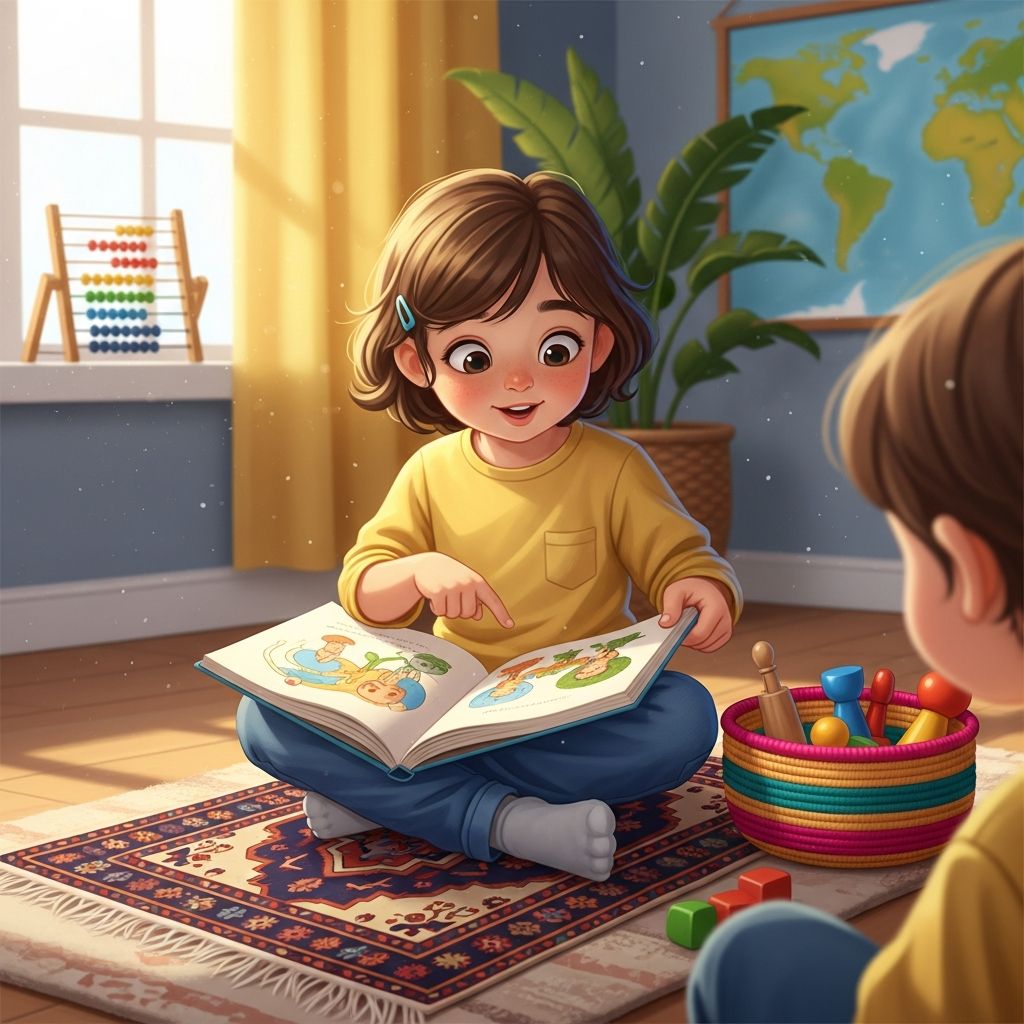
The language spoken within the walls of a family home shapes a child’s earliest understanding of the world. Known as **home language**, it serves as the primary tool for communication, emotional expression, and cultural transmission among family members. This foundational language, often called the mother tongue or first language, plays a pivotal role in cognitive, social, and academic development, especially in diverse linguistic environments.
Defining Home Language: More Than Just Words
Home language refers to the tongue most frequently used in daily family interactions, typically the one a child acquires from birth or early childhood. It encompasses dialects, indigenous languages, or immigrant tongues that bind generations together. Unlike dominant community languages, home language is intimate and personal, embedding cultural nuances and familial histories.
Research distinguishes home language based on acquisition: it is the language of initial verbal contacts, fostering native fluency through immersion. In multicultural settings, it may align with ethnic identity rather than chronological first exposure. For instance, official definitions from Statistics Canada describe it as ‘the first language learned at home in childhood and still understood,’ highlighting its enduring relevance despite shifts in proficiency.
The Cognitive Advantages of Bilingual Foundations
Maintaining home language equips children with superior cognitive tools. A robust base in the first language accelerates second-language acquisition by transferring skills like phonemic awareness, vocabulary mapping, and grammatical structures. Studies show bilingual children outperform monolinguals in problem-solving, multitasking, and executive function due to constant language switching.
- Enhanced Literacy Transfer: Reading proficiency in home language predicts success in additional languages, as core skills like decoding and comprehension carry over.
- Metalinguistic Awareness: Children analyze language structures more acutely, aiding abstract thinking.
- Memory and Focus: Dual-language exposure strengthens neural pathways for attention and retention.
Educators note that suppressing home language hinders these gains, forcing simultaneous skill-building in unfamiliar tongues, which doubles cognitive load without foundational support.
Cultural Identity and Emotional Resilience Through Language
Home language is the vessel of cultural heritage, linking children to ancestors, traditions, and community values. When nurtured, it cultivates a strong sense of self, pride, and belonging, crucial for emotional health. Children who converse fluently with grandparents absorb stories, songs, and wisdom, reinforcing identity amid societal pressures to assimilate.
This connection fosters resilience. Valued home language signals to children that their roots matter, buffering against identity confusion in diverse schools. Positive self-image translates to confidence in academic pursuits, as culturally grounded learners tackle challenges with greater perseverance.
| Aspect | With Home Language Support | Without Home Language Support |
|---|---|---|
| Cultural Pride | Strong identity and family bonds | Risk of alienation and low self-esteem |
| Emotional Support | Deep connections with elders | Limited family communication |
| Resilience | Higher adaptability to stress | Increased vulnerability to challenges |
Bridging Home and School: Practical Strategies for Families
Families can actively preserve home language through everyday practices, seamlessly integrating it into routines. Reading bilingual books, reciting rhymes, and narrating daily events build vocabulary and literacy without formal lessons. Libraries often stock resources in multiple languages, from wordless picture books to cultural tales, making engagement accessible.
- Share family stories and songs in the home tongue during meals or bedtime.
- Seek community events like festivals or story hours in native languages.
- Incorporate play: label objects, play games, and discuss emotions natively.
- Model enthusiasm; parental confidence inspires children to embrace their language.
These habits not only sustain proficiency but prepare children for school by honing pre-literacy skills transferable to classroom languages.
Educational Implications: Supporting Dual Language Learners
Schools play a critical role in validating home languages. Programs that honor bilingualism—through dual-language classrooms or home-language materials—yield higher achievement rates. Early childhood professionals should collaborate with families to integrate cultural elements, ensuring children feel seen and capable.
Evidence underscores that home language maintenance correlates with school readiness. Dual language learners mastering their first language enter kindergarten with advanced cognitive edges, outperforming peers in math, reading, and social skills. Policies ignoring this risk language attrition, where children lose fluency, severing family ties and developmental benefits.
Overcoming Myths: Home Language Does Not Delay Progress
A common misconception claims home language slows dominant-language mastery. Contrarily, research debunks this: bilingual children may appear temporarily behind in one language but surpass monolinguals overall by adolescence. The ‘silent period’ in second-language learning is natural, not indicative of delay.
- Myth: Speaking home language confuses children.
- Fact: Brains compartmentalize languages effectively from infancy.
- Myth: Prioritize school language at home.
- Fact: Strong L1 foundation boosts L2 without interference.
Global Perspectives on Home Language Preservation
Worldwide, nations recognize home language’s value. In Singapore, ‘mother tongue’ denotes ethnic languages regardless of dominance, promoting heritage. Canada’s census tracks it for policy-making, while programs in the U.S. like Head Start emphasize bilingual resources for early success.
In immigrant-heavy regions, maintenance prevents attrition, where first languages fade post-relocation. Proactive strategies, from apps to community classes, sustain vitality across generations.
Frequently Asked Questions (FAQs)
What exactly is a home language?
A home language is the primary tongue used in family daily life, often the first acquired, serving as a cultural and emotional anchor.
Does speaking home language hinder English learning?
No; it strengthens cognitive foundations, facilitating faster and deeper English proficiency.
How can parents maintain home language at home?
Through storytelling, songs, reading, and consistent use in routines, plus community resources like libraries.
What benefits do bilingual children gain long-term?
Superior executive function, cultural adaptability, stronger family ties, and academic edges in multiple domains.
Should schools incorporate home languages?
Yes, to boost identity, engagement, and learning outcomes for dual language learners.
Empowering the Next Generation
Embracing home language transforms challenges of multilingualism into strengths. Families and educators partnering yield bilingual individuals ready for global opportunities, rich in heritage and skills. Continued research affirms: invest in home language today for thriving tomorrows.
References
- Page 3: Importance of Home Language Maintenance — IRIS Center, Vanderbilt University. 2023. https://iris.peabody.vanderbilt.edu/module/dll/cresource/q2/p03/
- First language — Wikipedia (informed by primary linguistic research). 2026-04-01. https://en.wikipedia.org/wiki/First_language
- How Home Language Builds School Success — Way to Grow. 2024. https://waytogrow.org/home-language-builds-school-success/
- The Importance of Home Language Series — Head Start, U.S. Department of Health and Human Services. 2023. https://headstart.gov/culture-language/article/importance-home-language-series
- An English Language Learner’s Most Valuable Resource — Colorín Colorado. 2002 (authoritative review, cited in ongoing policy). https://www.colorincolorado.org/article/home-language-english-language-learners-most-valuable-resource
- What is a home language? — Twinkl Educational Publishing. 2024. https://www.twinkl.com/parenting-wiki/home-language

- Integrated M.A. in Applied Linguistics, University of Hyderabad
- 5+ years in editorial, instructional, SEO, and research-based writing
Sneha is a relationships and lifestyle writer with a strong foundation in applied linguistics and certified training in relationship coaching. She brings over five years of writing experience to theskillvault, crafting thoughtful, research-driven content that empowers readers to build healthier relationships, boost emotional well-being, and embrace holistic living. Her writing and insights reflect the belief that beauty, happiness, and wellness…