
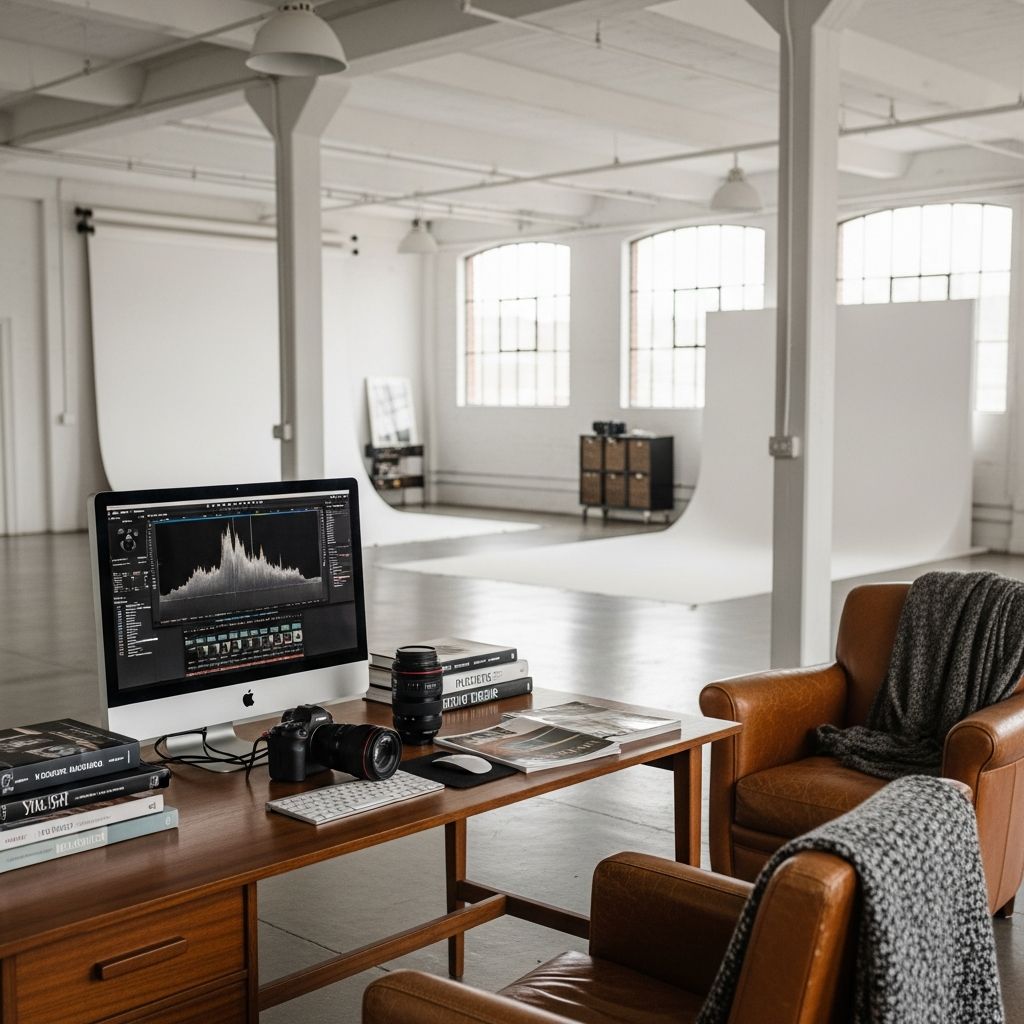
Behind every polished campaign image or cinematic brand film, there is a small team making high-pressure, creative decisions in real time. A husband-and-wife photography duo like We Are The Rhoads offers a rare window into what it takes to turn imaginative ideas into a sustainable, full-time career. This article draws on their story as inspiration to unpack the daily realities, challenges, and rewards of running a modern creative studio.
From Curiosity to Career: How Creative Paths Begin
Most creative careers don’t start with a detailed five-year plan. They begin with an interest—drawing, design, photography, film—that refuses to stay a hobby. Over time, that curiosity evolves into a skill set and then into a recognizable body of work.
For many photographers, the journey looks something like this:
- Experimenting with cameras and editing tools in school or on weekends
- Sharing early work online and receiving small commissions from friends or local businesses
- Assisting more established artists and learning how sets, clients, and budgets really work
- Building a portfolio that reflects a clear visual voice rather than a random mix of images
- Gradually transitioning from side projects to full-time creative work
Successful creative teams often combine complementary backgrounds—one partner may lean toward art direction and storytelling while the other excels in technical lighting, logistics, or post-production. Together, they form a studio identity that feels larger than either individual alone.
Defining a Signature Aesthetic
In a saturated market, a recognizable visual style is one of the strongest assets a creative studio can develop. Instead of trying to be everything to everyone, standout teams lean into a consistent point of view.
Elements that often define a signature aesthetic include:
- Color and tone: Warm film-inspired hues vs. cool, clean minimalism
- Lighting: Natural light, bold contrast, or carefully staged studio setups
- Composition: Intimate close-ups, graphic symmetry, or loose documentary framing
- Emotion: Candid, imperfect moments vs. highly stylized, aspirational scenes
- Subject matter: People, fashion, lifestyle, travel, interiors, or products
Brands and editorial clients are drawn to teams whose style clearly aligns with the stories they want to tell. Over time, that alignment becomes self-reinforcing: the more you shoot in your lane, the more you are known for it, and the more opportunities arrive that build on that reputation.
Inside a Shoot Day: What Really Happens
From the outside, a professional shoot can look like controlled chaos: equipment everywhere, people moving constantly, and a steady stream of decisions. The reality is more structured than it appears, with careful planning underpinning each day.
| Stage | Main Focus | Key Questions |
|---|---|---|
| Pre-production | Concept, logistics, team | What is the story? Who is needed on set? What are the constraints? |
| On-set execution | Shooting, collaboration, problem-solving | Are we on schedule? Do we have the shots? How is the client feeling? |
| Post-production | Editing, retouching, delivery | Does the final work reflect the brief and our aesthetic? Are files delivered on time? |
A typical full shoot day for a small studio might include:
- Early arrival for location walk-through, test shots, and lighting setup
- Briefing the team (assistants, stylists, hair and makeup) on the run-of-show
- Walking the client through the plan so they know what to expect
- Shooting with timeboxed segments for each scene, outfit, or product
- Live image review to confirm alignment with the creative brief
- Backup of files and an initial discussion of editing direction before leaving the set
Underneath the creative work is a constant focus on risk management: having backup equipment, a contingency plan for weather, and a clear chain of communication if schedules slip or something unexpected happens. This is standard for professional production environments across industries and reflects broader project management practices that emphasize planning and risk mitigation.
Building and Managing a Two-Person Creative Business
Running a studio as a duo means handling both the art and the operations. Many small creative teams split responsibilities informally at first and then become more intentional as the business grows.
Common divisions of labor might look like:
- Partner A: client communication, proposals, scheduling, production budgets
- Partner B: equipment decisions, file management, post-production pipeline
- Both partners: creative direction, shooting, on-set decisions, final approvals
Beyond creative choices, sustainable studios pay close attention to finances: separating business and personal accounts, tracking expenses, and setting aside tax and emergency funds. Research on small businesses in the U.S. shows that lack of cash flow management is a leading reason for early failure, highlighting the importance of financial discipline even in creative fields.
Aligning Creative Vision and Client Needs
A central tension for any studio is balancing its own creative vision with what clients need to sell products, build brand awareness, or tell a specific story. Healthy, long-term client relationships tend to rest on three pillars:
- Clarity: Detailed creative briefs and moodboards to align expectations before shooting
- Communication: Regular check-ins and transparent tradeoffs when timelines or budgets shift
- Consistency: Delivering reliable results builds trust and leads to repeat work
Professionals in high-responsibility roles, including creative leaders, increasingly emphasize structured planning and clear priorities—approaches drawn from fields like aviation and operations management—to execute complex work safely and reliably.
The Dynamics of Partnering in Work and Life
Many readers are fascinated by couples who work together. When a creative studio is also a relationship, the boundaries between work and life can blur quickly.
Teams that navigate this successfully tend to:
- Define explicit roles so decisions do not turn into personal conflicts
- Schedule regular non-work time where business conversations are off-limits
- Develop shared language for feedback that focuses on the work, not the person
- Have systems for resolving disagreements, such as a tie-breaker domain (e.g., one partner has final say on finances, the other on creative)
Research on dual-career couples suggests that shared goals, equitable division of labor, and explicit communication about roles significantly influence both relationship satisfaction and professional success. For creative partners, this means designing their work life as intentionally as they design their images.
Finding Clients and Growing a Reputation
Behind the scenes of any glossy portfolio is years of relationship-building. For a small creative studio, new work usually comes from a mix of channels rather than a single big break.
Key growth strategies include:
- Showcasing personal projects: Self-initiated shoots often demonstrate the ideas and aesthetics that attract dream clients.
- Leveraging social platforms: Consistent, curated sharing of projects helps art directors and producers discover the studio’s work.
- Maintaining relationships: Checking in with past clients, sending updated portfolios, and staying on their radar.
- Collaborating with stylists and directors: Partnering with other creatives expands both networks.
Over time, studios aim to shift from one-off assignments to longer-term relationships with brands, agencies, or publications. This reduces the volatility typical of freelance work and gives creatives more breathing room to plan, experiment, and grow.
Balancing Art, Income, and Wellbeing
Creative work can be emotionally and physically demanding: irregular hours, travel, tight deadlines, and the pressure to constantly produce original concepts. Balancing artistic ambition with sustainable routines is critical for avoiding burnout.
Useful practices for long-term wellbeing include:
- Blocking off time for rest, personal projects, and learning new techniques
- Building predictable routines around exercise, sleep, and meals even during busy periods
- Setting boundaries with email and client communication outside of working hours when possible
- Seeking peer support and mentorship from other creatives who understand the industry’s pressures
Occupational health research consistently underscores that high job demands combined with low control over schedule or workload increase the risk of stress and burnout; having more autonomy and supportive relationships at work helps buffer those effects. Independent studios can use that insight by designing workflows that preserve as much control and flexibility as possible.
Tools, Workflow, and Continuous Learning
The technical side of creative work evolves rapidly. Cameras, editing software, and distribution platforms change from year to year, and staying current is part of the job. Yet the core workflow remains remarkably stable.
Most small photography and film studios rely on a simple backbone:
- Professional camera bodies and lenses suited to their niche (e.g., portrait, fashion, product)
- Reliable lighting tools—natural modifiers, strobes, or continuous lights
- Color-calibrated monitors and organized editing software libraries
- Multi-level backup systems: local drives, off-site or cloud storage for redundancy
In recent years, many creative professionals have also adopted project management and collaboration tools that originated in tech and corporate settings, such as shared task boards, digital call sheets, and centralized feedback systems. These tools support the same underlying principles: clear responsibilities, transparent timelines, and documented decisions.
Five Takeaways for Aspiring Creative Studio Owners
Looking at how a duo like We Are The Rhoads operates provides a roadmap—one that can be adapted to many creative disciplines. If you are considering starting or growing your own studio, these distilled lessons are a practical place to begin:
- 1. Invest in your point of view. Technical skill matters, but clients ultimately hire you for the way you see the world. Curate your portfolio around the work you want more of, not every paid job you have ever done.
- 2. Treat pre-production as seriously as the shoot. The more decisions you make in advance—about shot lists, locations, casting, and timing—the more freedom you will have on set to improvise and refine.
- 3. Know your numbers. Track project costs, time spent, and revenue carefully. Use that data to set rates, avoid undercharging, and plan for slower seasons.
- 4. Build collaborative resilience. Whether your partner is a spouse, a friend, or a rotating team of collaborators, invest in communication skills, feedback practices, and conflict resolution.
- 5. Protect your energy. Long-term creative careers are marathons, not sprints. Design routines and boundaries that leave space for rest, curiosity, and life outside the studio.
Frequently Asked Questions
How do creative duos decide whose name goes on the work?
Some partners work under a shared studio name, while others use a single surname or one person’s individual brand. The decision usually depends on who started the business, how clients already know the team, and what feels most sustainable as the studio evolves.
Is it risky to build a business around one visual style?
There is always some risk in specialization, but having a strong point of view typically helps rather than hurts. A distinct aesthetic makes it easier for the right clients to find you. Flexibility can still exist within that style—through subject matter, format, and storytelling.
How important is formal education for a photography or creative career?
Formal design or photography programs can provide structure, feedback, and access to mentors, but many successful professionals are primarily self-taught. What matters most is a rigorous body of work, a professional attitude, and the ability to deliver reliably on client briefs.
How do small studios land large commercial clients?
Big clients rarely appear out of nowhere. Instead, they are the result of years of steadily improving work, consistent self-promotion, and a growing network. Strong personal projects, targeted outreach to art directors, and relationships with agencies can all serve as bridges from local to national or global assignments.
Can couples who work together maintain a healthy separation between work and life?
Yes, but it requires deliberate choices: setting boundaries around work hours, preserving non-work time, and treating the partnership like any other professional collaboration with expectations, roles, and systems for giving feedback.
References
- Vision without execution is a daydream, execution without vision is a nightmare. — About Amazon / Sarah Rhoads. 2021-05-17. https://www.aboutamazon.com/news/workplace/amazon-vp-health-and-safety-leadership-tips
- The Ace of Amazon Air: Sarah Rhoads is the Air Cargo Executive of the Year. — Cargo Facts. 2019-02-15. https://cargofacts.com/allposts/carriers/the-ace-of-amazon-air-sarah-rhoads-is-the-air-cargo-executive-of-the-year/
- Small Business Finance and Failure. — U.S. Small Business Administration, Office of Advocacy. 2020-08-01. https://www.sba.gov/advocacy
- Dual-Career Couples in the 21st Century. — American Psychological Association. 2019-06-10. https://www.apa.org/monitor/2019/06/dual-career
- Burn-out an “occupational phenomenon”: International Classification of Diseases. — World Health Organization. 2019-05-28. https://www.who.int/news/item/28-05-2019-burn-out-an-occupational-phenomenon-in-the-international-classification-of-diseases

- Integrated M.A. in Applied Linguistics, University of Hyderabad
- 5+ years in editorial, instructional, SEO, and research-based writing
Sneha is a relationships and lifestyle writer with a strong foundation in applied linguistics and certified training in relationship coaching. She brings over five years of writing experience to theskillvault, crafting thoughtful, research-driven content that empowers readers to build healthier relationships, boost emotional well-being, and embrace holistic living. Her writing and insights reflect the belief that beauty, happiness, and wellness…