
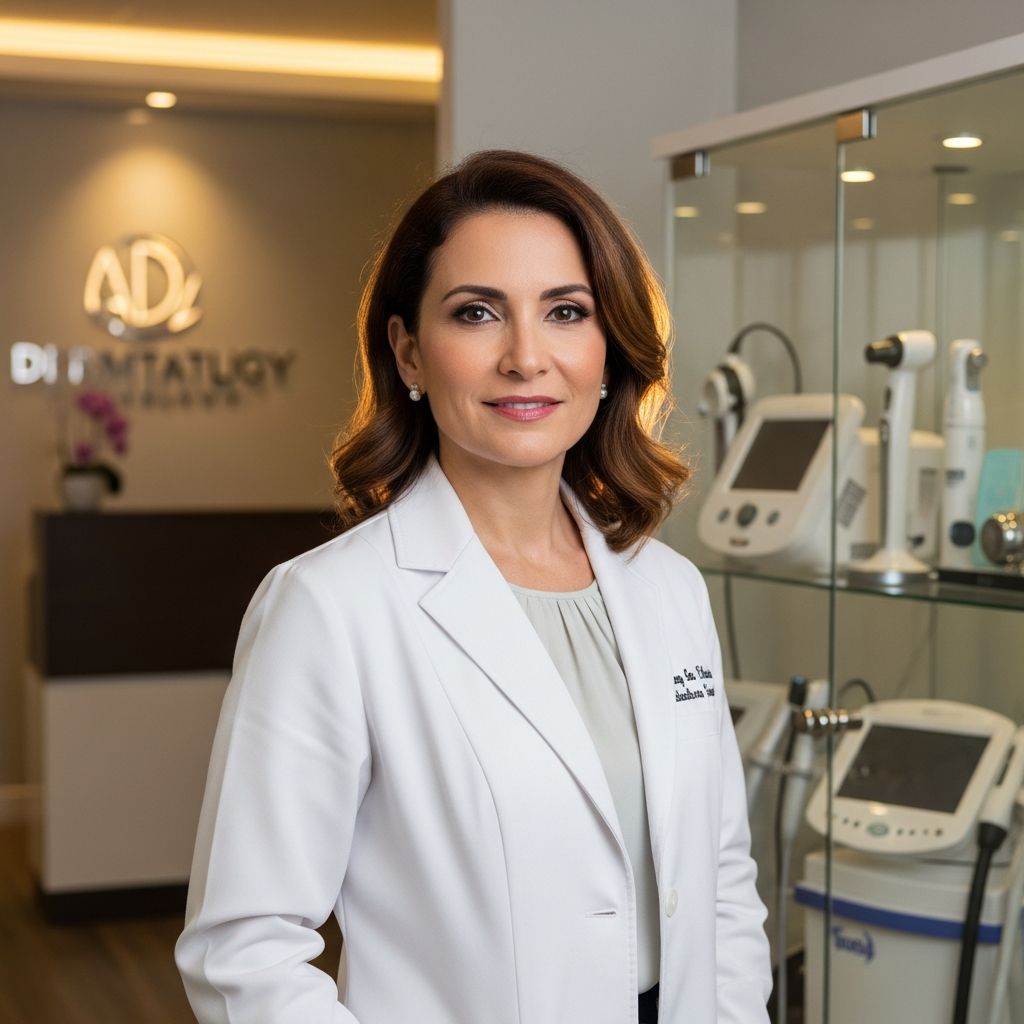
From Medical Training to Clinic Ownership
Many physicians dream of running their own practice, but few actually make it happen. For Dr. Alicia Barba, that dream wasn’t just about independence—it was about creating a space where medical dermatology and aesthetic skincare could coexist under one roof, guided by science and delivered with care. Trained at Harvard Medical School and completing her residency in Miami, Dr. Barba entered the field with a strong foundation in both clinical and cosmetic dermatology. But her real journey began after residency, when she decided to build something entirely her own.
Unlike many doctors who spend years in group practices or hospital systems, Dr. Barba set her sights on private practice early. She recognized that to truly shape patient care, she needed control over the environment, the team, and the philosophy of the practice. That meant making deliberate financial choices, living modestly, and reinvesting early earnings back into the business. This disciplined approach allowed her to open Barba Dermatology, a full-service dermatology practice that handles everything from skin cancer screenings to cosmetic injectables and laser treatments.
The Power of a Team-Based Skin Health Model
One of the most distinctive aspects of Dr. Barba’s practice is its emphasis on collaboration. Rather than treating dermatology as a solo physician role, she built a model where dermatologists, aestheticians, and skincare specialists work together as a unified team. This approach recognizes that skin health is not just about diagnosing and treating disease, but also about maintenance, prevention, and aesthetic confidence.
In her clinic, medical dermatology and aesthetic skincare are not separate silos. Instead, they’re integrated so that patients benefit from both medical oversight and regular, results-driven skincare treatments. For example:
- A patient with acne might see the dermatologist for prescription treatments and in-office procedures, while also receiving regular facials, peels, and home regimen guidance from a licensed aesthetician.
- A patient seeking cosmetic enhancement might start with Botox or fillers under the dermatologist’s care, then follow up with laser treatments, microneedling, or chemical peels performed by trained aestheticians.
- Patients undergoing cancer treatment or managing chronic conditions like eczema or psoriasis receive both medical management and supportive skincare to improve comfort and appearance.
This model not only improves outcomes but also makes high-quality skincare more accessible. Aesthetic treatments performed by skilled aestheticians can be significantly more affordable than physician-led procedures, allowing more patients to maintain consistent care without financial strain.
Why Medical Oversight Matters in Skincare
One of the key differentiators of Dr. Barba’s clinics is that all aesthetic services are provided under the supervision of a board-certified dermatologist. This is not just a branding decision—it’s a safety and quality imperative.
When skincare is delivered in a medical environment, several important advantages emerge:
- Early detection of skin cancer: Aestheticians are trained to recognize suspicious lesions and refer patients for full skin exams, which can lead to earlier diagnosis and better outcomes.
- Appropriate treatment selection: Not every peel, laser, or product is right for every skin type or condition. Medical oversight ensures that treatments are tailored to the individual, reducing the risk of complications.
- Integration with medical care: Patients with conditions like rosacea, melasma, or post-inflammatory hyperpigmentation benefit from treatments that are coordinated with their overall dermatological management.
- Access to medical-grade products: Clinics like Barba’s can offer prescription-strength and professional-only skincare lines that are more effective than many over-the-counter options.
This model also builds trust. Patients know they’re not just getting a beauty treatment—they’re receiving care that’s grounded in medical science and backed by a physician’s expertise.
Expanding Beyond the Dermatology Office
As Barba Dermatology grew, a clear pattern emerged: demand for aesthetic and wellness-focused skincare was increasing rapidly. Patients loved the results they were getting from regular facials, peels, and laser treatments, and many wanted a dedicated space for these services.
This insight led to the creation of Barba Skin Clinic, a separate but closely linked facility focused entirely on aesthetic and clinical skincare. Located just steps away from the dermatology practice, the skin clinic operates as a destination for skin wellness, staffed by full-time aestheticians and offering a wide range of non-invasive treatments.
The decision to open a standalone skin clinic was driven by several factors:
- Capacity and focus: The dermatology office needed to prioritize medical appointments, so a separate space allowed aesthetic services to expand without crowding the schedule.
- Enhanced patient experience: A dedicated skincare environment can be more spa-like and relaxing, which many patients prefer for routine maintenance.
- Business scalability: A skin clinic can generate revenue through a high volume of repeatable treatments, while still being anchored by the credibility of the dermatology practice.
- Team development: It created career growth opportunities for aestheticians, allowing them to specialize and take on more responsibility within a structured, medically supervised setting.
This expansion wasn’t just about adding another location—it was about refining a business model that could deliver both medical and aesthetic care in a way that felt cohesive and patient-centered.
The Role of Family and Trusted Partners
Behind many successful medical practices are strong personal and professional partnerships. In Dr. Barba’s case, her sister Stella, a licensed aesthetician and Director of Aesthetic Services, has been instrumental in shaping the clinic’s approach to skincare.
Stella’s background in facials, chemical peels, microdermabrasion, and permanent hair removal brought a level of technical skill and patient rapport that complemented Dr. Barba’s medical expertise. Over time, patients began to see Stella not just as a skincare provider, but as a trusted advisor on skin health and beauty.
Working together, the sisters developed a unique workflow:
- Patients are evaluated by the dermatologist for medical concerns and cosmetic goals.
- Aestheticians then provide ongoing treatments and home care guidance, often acting as the primary point of contact between visits.
- Any concerning findings (such as new or changing lesions) are immediately flagged for the dermatologist’s review.
This collaboration proved so effective that it became the blueprint for the skin clinic. When the time came to expand, Dr. Barba didn’t franchise an existing concept or license a brand. Instead, she leaned on her husband, who brought business and operational expertise, to help launch Barba Skin Clinic as an organic extension of the existing practice.
Lessons in Medical Entrepreneurship
Building a dermatology practice and a separate skin clinic from the ground up is no small feat. Dr. Barba’s journey offers several valuable lessons for physicians considering entrepreneurship:
- Start with a clear vision: Know what kind of practice you want to build—whether it’s purely medical, cosmetic-focused, or a hybrid model—and design everything around that vision.
- Control costs early: Many new practices fail because of overspending in the first few years. Living modestly and reinvesting profits can make the difference between survival and growth.
- Leverage complementary skill sets: Partner with people who bring different strengths—clinical, aesthetic, operational, or financial—to create a well-rounded team.
- Listen to patient demand: The decision to open a skin clinic came from observing what patients actually wanted and were willing to pay for, not from chasing trends.
- Stay medically grounded: Even in aesthetic-focused services, maintaining a strong medical foundation builds credibility, ensures safety, and differentiates the practice from non-medical spas.
What a Typical Day Looks Like
A day in Dr. Barba’s practice is a mix of medical dermatology, cosmetic procedures, and practice management. Her schedule reflects the diversity of modern dermatology:
- Medical dermatology: skin cancer screenings, biopsies, treatment of acne, eczema, psoriasis, warts, and other conditions.
- Pediatric dermatology: evaluating and treating children with rashes, infections, and chronic skin conditions.
- Onco-dermatology: managing skin side effects of chemotherapy and other cancer treatments.
- Cosmetic procedures: Botox, dermal fillers, laser treatments, chemical peels, and skin tightening procedures.
- Consultations: discussing treatment plans, skincare regimens, and long-term skin health strategies.
Throughout the day, she also collaborates with her team, reviews patient feedback, and makes decisions about staffing, marketing, and new services. This blend of clinical work and business leadership is typical of successful private practice dermatologists today.
Building a Brand Through Expertise and Trust
In a crowded market, reputation is everything. Dr. Barba has built her brand not through aggressive advertising, but through consistent, high-quality care and word-of-mouth referrals.
Her credibility comes from several sources:
- Training at Harvard Medical School and residency in a major academic center.
- Board certification in dermatology and active participation in professional societies.
- Experience as a lecturer and trainer for other physicians on injectables and cosmetic procedures.
- Media appearances and advisory roles for skincare companies, which position her as a trusted expert.
For patients, this combination of credentials, experience, and accessibility creates a strong sense of trust. They know they’re not just getting a treatment—they’re getting care from someone who is deeply knowledgeable and invested in long-term skin health.
Advice for Aspiring Dermatologists and Clinic Owners
For medical students, residents, and early-career dermatologists thinking about private practice, Dr. Barba’s path offers several practical takeaways:
- Define your niche: Decide whether you want to focus on medical dermatology, cosmetic dermatology, or a balanced mix, and build your skills and marketing around that focus.
- Gain business literacy: Understand the basics of practice management, billing, staffing, and marketing. Many medical schools don’t teach this, so seek out courses or mentors.
- Start small and scale: Begin with a lean practice and expand as demand and revenue grow. This reduces risk and allows for course correction.
- Invest in your team: Hire skilled, reliable staff and give them clear roles and growth opportunities. A strong team is the backbone of any successful practice.
- Prioritize patient experience: From the first phone call to follow-up care, every interaction should reflect professionalism, empathy, and attention to detail.
Frequently Asked Questions
What inspired Dr. Alicia Barba to open her own dermatology practice?
After completing her training at Harvard Medical School and residency in Miami, Dr. Barba wanted to create a practice where she could control the quality of care, integrate medical and aesthetic services, and build long-term relationships with patients. This vision led her to launch Barba Dermatology as a private, physician-led practice.
How does a dermatology practice differ from a medical spa or skincare clinic?
A dermatology practice is led by a board-certified dermatologist and focuses on diagnosing and treating skin diseases, including skin cancer. Aesthetics and cosmetic procedures are often offered, but under medical supervision. In contrast, many medical spas operate without a physician on-site or with limited oversight, which can affect safety and treatment appropriateness.
Can aestheticians perform advanced skincare treatments safely?
Yes, when they are properly trained and work under the supervision of a dermatologist. In Dr. Barba’s model, aestheticians perform peels, facials, microdermabrasion, and laser treatments within a medical framework, with clear protocols for when to refer patients to the physician.
What are the benefits of combining medical dermatology with aesthetic skincare?
This integrated model allows patients to receive comprehensive care: medical diagnosis and treatment from a dermatologist, plus regular maintenance and enhancement from aestheticians. It improves outcomes, increases accessibility, and builds stronger patient loyalty.
How can a dermatologist start a skin clinic or expand into aesthetics?
Start by assessing patient demand and existing capacity. Consider opening a separate but affiliated skin clinic staffed by licensed aestheticians, using medical-grade products and equipment, and maintaining clear protocols for medical oversight. Begin with a small footprint and scale as the business grows.
References
- Career Contessa Interview: Dr. Alicia Barba, Dermatologist, Barba Skin Clinic — Career Contessa. Accessed 2025. https://www.careercontessa.com/interviews/dr-alicia-barba-dermatologist-barba-skin-clinic/
- Barba Dermatology: Meet Our Team — Barba Dermatology, Miami, FL. Accessed 2025. https://www.barbadermatology.com/our-practice/meet-our-team/
- AEDIT Provider Profile: Dr. Alicia Barba — AEDIT. Accessed 2025. https://www.aedit.com/provider/alicia-barba-md-6352

- Integrated M.A. in Applied Linguistics, University of Hyderabad
- 5+ years in editorial, instructional, SEO, and research-based writing
Sneha is a relationships and lifestyle writer with a strong foundation in applied linguistics and certified training in relationship coaching. She brings over five years of writing experience to theskillvault, crafting thoughtful, research-driven content that empowers readers to build healthier relationships, boost emotional well-being, and embrace holistic living. Her writing and insights reflect the belief that beauty, happiness, and wellness…