
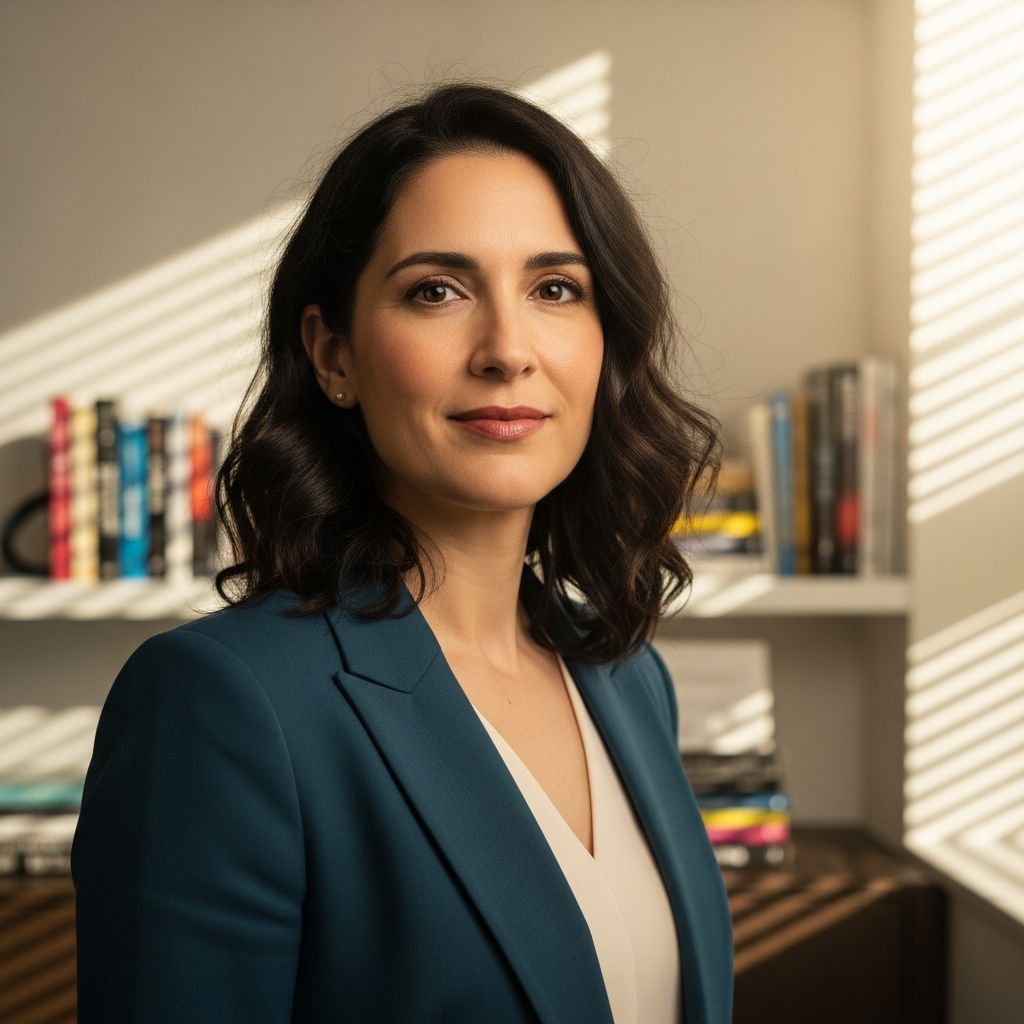
Many professionals dream of blending what they care about most into one cohesive, meaningful career. Dr. Zelana Montminy, a behavioral scientist, author, and media contributor known for her work in positive psychology and resilience, offers a powerful example of how to do exactly that. This article draws inspiration from her journey to help you design a career that is grounded in purpose, backed by science, and sustainable in real life.
From Curiosity to Calling: Understanding a Multi-Hyphenate Career
Modern careers are rarely linear. Rather than a simple job ladder, many people now build portfolio careers that include research, media work, writing, consulting, and community leadership. Dr. Zelana Montminy exemplifies this trend, combining:
- Clinical and positive psychology training with a focus on health and resilience
- Media and communication roles, including television, digital platforms, and public speaking
- Authorship, with books on resilience and focus, translating research for everyday readers
- Board and advisory roles in organizations that support youth, media literacy, and mental well-being
Her path illustrates that you do not need to choose between research, practice, or media. With careful planning, you can integrate multiple interests into a coherent professional identity.
Key Elements of a Multi-Hyphenate Path
- A clear core theme (for Dr. Montminy: resilience and mental fitness)
- Deep, credible expertise (graduate training and specialized research)
- Communication skills to bring science to the public
- Strategic choices about platforms and partnerships that align with values
The Science of Resilience as a Career Foundation
Resilience is not just a buzzword in her work—it is both her research topic and the engine that keeps an ambitious career sustainable. Psychological research defines resilience as the capacity to adapt well in the face of adversity, stress, or significant challenges. It involves processes like cognitive reappraisal, social support, and meaning-making.
Instead of treating resilience as an inborn trait, contemporary studies view it as a set of skills and environments that can be strengthened over time. Dr. Montminy’s books and talks highlight practical ways to cultivate resilience in daily routines—such as through habits around sleep, nutrition, and mindset.
| Resilience Skill | How It Supports Your Career |
|---|---|
| Emotional regulation | Helps you manage anxiety before presentations, negotiations, or difficult conversations. |
| Cognitive flexibility | Enables you to pivot when a project fails or an opportunity disappears. |
| Optimistic but realistic thinking | Supports long-term motivation while acknowledging genuine risks. |
| Social connection | Provides emotional support and opens doors through networks and mentors. |
| Purpose and values | Acts as a stabilizing force when external success metrics fluctuate. |
Education with Intention: Turning Academic Training into Impact
Dr. Montminy earned master’s and doctorate degrees in clinical psychology with a specialization in health and a focus in positive psychology, and also studied nutrition. Her educational path shows how to use advanced degrees strategically rather than collecting credentials for their own sake.
How to Use Education as a Launchpad, Not a Detour
- Connect your studies to real problems. Health-focused psychology and nutrition become highly relevant when applied to stress, burnout, and lifestyle-related illness—issues many people face at work and at home.
- Seek interdisciplinary insight. Combining nutrition, psychology, and media literacy enables more holistic solutions than any one field alone.
- Translate theory into practice. Courses and research in positive psychology can inform concrete interventions—such as gratitude exercises, goal-setting methods, or resilience programs—that can be used in coaching, workshops, or digital content.
If you are considering graduate training, clarify how each degree will support a specific kind of change you want to create—whether in clinical work, consulting, policy, or public communication.
Designing a Mission-Driven Career in Health and Wellness
The health and wellness sector has exploded, but it is often criticized for superficial or unscientific advice. Dr. Montminy positions herself differently by emphasizing research-based tools and realistic practices over quick fixes. This blend of rigor and accessibility is increasingly valued as mental health concerns rise globally.
Core Principles of a Values-Aligned Wellness Career
- Evidence first. Ground claims in peer-reviewed research and established clinical guidelines.
- Accessible language. Explain complex ideas without jargon so broader audiences can benefit.
- Integrity with partnerships. Work with organizations and brands whose missions do not conflict with your values.
- Inclusivity. Recognize that mental and physical health are shaped by social, cultural, and economic factors, not just individual willpower.
By aligning your work with both science and ethics, you create a more durable and trustworthy professional identity.
Media, Storytelling, and the Power of Translation
Beyond academic and clinical settings, Dr. Montminy regularly appears in mainstream media and gives talks, helping broad audiences engage with topics like resilience, focus, and mental fitness. This work of translation—turning research into relatable stories—is critical in a world saturated with competing information.
Why Communication Skills Matter for Impact
- They allow you to reach people who will never read journal articles.
- They help decision-makers understand why mental health and resilience deserve investment.
- They enable you to shape public conversations about stress, technology, and well-being.
Communication is not a secondary skill. For many professionals, it is the bridge between expertise and real-world change.
Balancing Ambition, Family, and Well-Being
Dr. Montminy is not only a behavioral scientist and media expert but also a parent and active community member. Her work underscores that talking about resilience while living in chronic burnout is a contradiction; sustainable ambition requires boundaries and clarity.
Practical Strategies for Sustainable High Performance
- Redefine success. Instead of equating success with busyness, focus on impact, presence, and health.
- Use your calendar as a values map. Ensure there is visible time allocated to rest, relationships, and restoration.
- Limit digital distractions. Research increasingly links heavy digital use with higher stress and reduced attention, making intentional boundaries essential.
- Accept trade-offs. A season of intense work might require scaling back on other projects; resilience includes knowing when to say no.
Leadership, Service, and Community Impact
In addition to her books and media presence, Dr. Montminy serves on advisory councils and boards related to youth, media, health, and literacy. These roles show another dimension of a purpose-driven career: contributing beyond one’s own ventures.
Ways to Extend Your Impact Beyond Your Job Title
- Advisory roles. Offer your expertise to nonprofits, schools, or advocacy groups whose missions you care about.
- Mentorship. Support early-career professionals, especially those from underrepresented backgrounds in your field.
- Public education. Host workshops, webinars, or community talks on topics like resilience, mental health, or digital well-being.
- Policy engagement. When possible, connect with initiatives that seek to improve mental health systems, digital safety, or workplace practices.
Actionable Steps to Build Your Own Resilient Career
Drawing on themes from Dr. Montminy’s trajectory and current research in positive psychology and mental health, you can begin shaping a resilient, meaningful career with incremental steps.
She combined advanced training in clinical and positive psychology with a focus on real-world health issues and then developed strong communication skills through writing, speaking, and television and digital appearances. Over time, this blend of expertise and accessibility made her a sought-after media contributor and speaker. A doctorate can provide deep expertise and credibility, especially in clinical or research-focused roles, but it is not mandatory for every wellness career. What matters most is rigorous training, ethical practice, and a commitment to evidence-based information. Many paths—such as coaching, health education, or organizational consulting—may draw on different combinations of degrees, certifications, and experience. Positive psychology is a branch of psychology that studies strengths, well-being, and factors that help individuals and communities thrive, rather than only focusing on mental illness. Its emphasis on resilience, meaning, and engagement can inform how we design careers that are both successful and fulfilling. Begin by learning the scientific foundations through reputable courses or programs in psychology, counseling, coaching, or related fields. Seek supervised practice, find mentors, stay current with research, and look for entry-level roles or volunteer opportunities where you can support mental health and well-being ethically and within your scope of practice. Research and lived experience both suggest that boundaries, social support, and intentional rest are essential for avoiding burnout. Clarify non-negotiable priorities (such as health and close relationships), design your schedule around them, and resist cultural narratives that glorify exhaustion. Resilience is built not only by pushing through challenges but also by knowing when to pause. Medha Deb is an editor with a master's degree in Applied Linguistics from the University of Hyderabad. She believes that her qualification has helped her develop a deep understanding of language and its application in various contexts. Medha specializes in the areas of beauty, health, sports, and wellness and is committed to ensuring that the content on the website is…How did Dr. Zelana Montminy become known in both psychology and media?
Do I need a PhD to build a career like hers in health and wellness?
What is positive psychology, and why is it relevant for careers?
How can I start working in mental fitness or resilience if I am early in my career?
How do I balance personal life with a demanding, purpose-driven career?
References
