
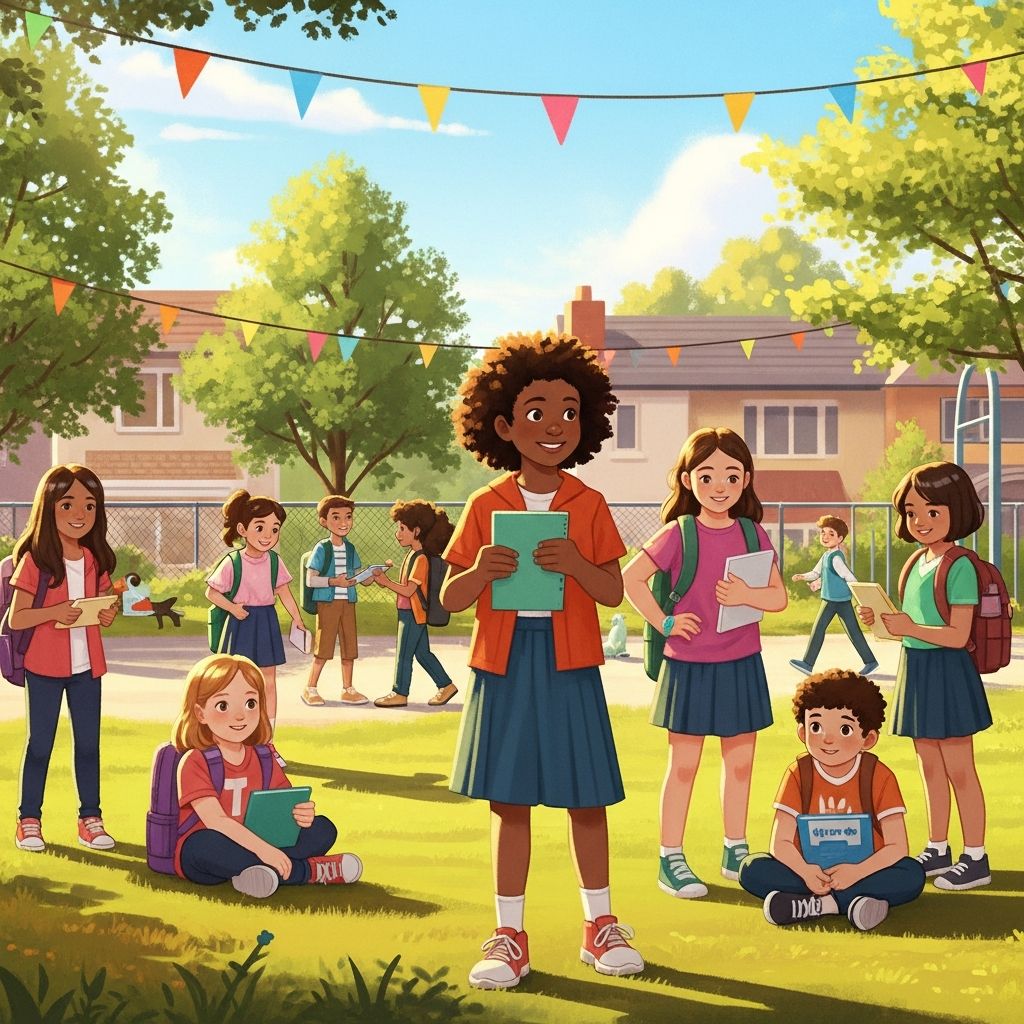
Creating Pathways to Meaningful Friendships for Homeschooled Learners
One of the most common concerns parents express about homeschooling is whether their children will have adequate opportunities to develop social skills and form friendships. Unlike traditional school environments where children interact with peers daily, homeschooled students require more intentional and deliberate strategies to cultivate meaningful social connections. The good news is that numerous proven pathways exist for parents to facilitate these relationships, transforming socialization from a potential weakness into a strength of the homeschool experience.
Building a robust social network for homeschooled children involves understanding the various venues, organizations, and activities available in most communities. Success in this area requires parental initiative, consistency, and a willingness to explore different options until finding the right fit for your family’s needs and values.
Leveraging Local Homeschool Support Networks
Perhaps the most direct approach to connecting homeschooled children with peers is through established homeschool support organizations. These groups serve as the backbone of the homeschooling community in most regions, providing structured opportunities for families to interact both educationally and socially.
Homeschool support groups typically organize regular gatherings that extend far beyond academic instruction. These may include field trips to museums, nature centers, and historical sites; holiday celebrations and seasonal parties; cooperative learning sessions where children study subjects together; and informal play dates arranged among families. The beauty of these organizations lies in their built-in community of families who share similar educational philosophies and scheduling flexibility.
To locate appropriate groups in your area, parents can search state-level directories of homeschool organizations or inquire within their local community through libraries and community centers. When exploring options, it’s worth visiting multiple groups to assess the atmosphere, teaching styles, and social dynamics that best align with your family’s preferences. Some groups emphasize religious values, others focus on classical education or unschooling philosophies, and some maintain a secular approach. Finding alignment with group values often strengthens the likelihood that your children will form lasting friendships with their peers.
Exploring Digital Communities and Virtual Connections
The expansion of online platforms has opened entirely new dimensions for homeschool socialization. Digital communities allow families to connect across geographical boundaries, creating friendships that might never have been possible in previous generations. These online spaces range from email-based groups and social media communities to dedicated homeschooling forums and virtual meetup platforms.
Online homeschool communities offer several distinct advantages. They provide access to families beyond immediate geographic limitations, allowing children to interact with peers who share niche interests or educational approaches. They’re available 24/7, accommodating different family schedules and time zones. Additionally, for children who may feel shy or hesitant in large group settings, online interactions can serve as a gateway to friendship by allowing them to connect over shared interests in a lower-pressure environment.
However, online connections work best when balanced with in-person relationships. Many online friendships eventually transition to face-to-face meetings when families discover they live near one another or can arrange to meet at conferences or special events. Encourage your children to be authentic online, maintain safety protocols regarding personal information, and gradually deepen connections that show mutual interest and compatibility.
Structured Learning Through Classes and Cooperative Arrangements
One of the most effective yet often underutilized strategies for building homeschool friendships involves enrolling children in structured classes and cooperative learning environments. Whether through community college offerings, specialized homeschool co-ops, or private instruction centers, these settings provide consistent contact with the same peers over extended periods.
The advantage of class-based learning goes beyond academics. When children attend the same class week after week, they naturally progress through the friendship-building stages that traditionally schooled children experience. They move from being acquaintances to becoming familiar faces to eventually developing genuine friendships based on repeated positive interactions and shared experiences.
Cooperative homeschool arrangements deserve particular mention, as they specifically combine academic instruction with social development. In a typical homeschool co-op, parents may take turns teaching subjects to groups of children, with each class period followed by unstructured time for the children to interact. This format allows friendships to develop naturally while parents benefit from shared teaching responsibilities and reduced individual instructional burden.
When selecting classes or co-ops, consider your child’s learning style, interests, and social comfort level. Observe how instructors facilitate both academic and social interactions among students. The most effective programs intentionally build community rather than treating socialization as incidental to learning.
Community Spaces as Natural Meeting Grounds
Families often overlook the value of visiting public spaces during traditional school hours as a strategy for connecting with other homeschoolers. Libraries, playgrounds, museums, and children’s activity centers become different environments when populated primarily by homeschooling families rather than after-school crowds.
Public libraries, in particular, serve as hubs for homeschool activity in many communities. Many libraries now offer daytime programming specifically designed for homeschooling families, including story hours, educational classes, and skill-building workshops. Librarians frequently know which families in the community homeschool and can often provide valuable recommendations for connecting with other families. Regular visits to the library during weekday mornings create opportunities for your children to see familiar faces and develop friendships with other homeschoolers in a purposeful, enriching environment.
Museums and science centers with hands-on exhibits similarly attract homeschooling families during school hours. The interactive nature of these spaces naturally facilitates conversation and collaboration among children, providing a low-pressure context for new friendships to develop. Children working together to solve a puzzle or explore an exhibit often form connections more easily than in less-structured settings.
Playgrounds visited during traditional school hours tend to be populated by homeschooling families, making these accessible venues excellent for casual social interaction. Bringing items to share—such as chalk, sports equipment, or bubble wands—can encourage group play and make it easier for your child to integrate into existing groups of children.
Interest-Based Activities and Hobby Pursuits
Common interests serve as powerful foundations for genuine friendships. By facilitating your child’s participation in activities centered around their hobbies and passions, you create natural opportunities for them to meet like-minded peers who share their enthusiasm.
The range of activity options available to homeschoolers encompasses numerous possibilities:
- Sports leagues and recreation programs at community centers or parks
- Drama and community theater productions
- Dance classes and performances
- Music instruction, lessons, and ensemble groups
- Art classes and studio groups
- Scout organizations including Boy Scouts, Girl Scouts, and Cub Scouts
- 4-H clubs focused on agriculture, technology, and community service
- Specialized classes in photography, cooking, coding, or other technical skills
- Volunteer positions at animal shelters, nature centers, and community organizations
The key to success with interest-based activities is consistency. Children need multiple encounters with the same peers to develop friendships. A single class or one-time event rarely produces lasting connections. Look for programs and activities your child can participate in regularly, ideally weekly or bi-weekly, to allow relationships to deepen naturally over time.
Pay attention to your child’s genuine interests rather than enrolling them in activities based solely on social opportunities. Authentic enthusiasm for an activity makes the experience more enjoyable and increases the likelihood that your child will connect with peers who share that passion.
Initiating and Hosting Social Gatherings
Sometimes the most effective path to building community involves parents taking the initiative to organize social events. This doesn’t require elaborate planning or special venues—often the simplest gatherings create the strongest connections.
Themed get-togethers provide natural structure and can appeal to children with varying interests. Book clubs organized by age group, art appreciation events, nature study outings, game nights, movie viewings with discussion, and seasonal celebrations all serve as effective gathering formats. These events work particularly well when held in informal settings such as parks, coffee shops, bookstores, or community centers, which removes the pressure of hosting large groups in your home while still providing a welcoming environment.
Starting a new homeschool group or social gathering in your area need not be intimidating. Begin by identifying families you’ve met through other homeschool connections or community involvement, then extend a simple invitation to gather. Many parents report that when they initiate social activities, other families enthusiastically participate because they were seeking the same opportunities. Post invitations through established homeschool groups, community bulletin boards, or social media pages, and give families the freedom to join without formal registration or commitment.
The consistency of regular gatherings matters more than their sophistication. Families that meet every Friday, hold a monthly book club, or organize weekly park days develop stronger social bonds than those attending sporadic large events. Children who anticipate seeing the same peers regularly have greater opportunity to move from acquaintance-level interaction to genuine friendship.
Building Relationships Through Community Service
Volunteering offers a dual benefit for homeschooled children: they develop character through service while forming friendships with peers who share their values and commitment to helping others. Service-based friendships often prove particularly meaningful because they’re built on shared purpose beyond simple social enjoyment.
Community service opportunities suitable for homeschoolers include volunteering at animal shelters, food banks, environmental conservation projects, libraries, museums, and faith-based organizations. Some families create homeschool volunteer groups that meet regularly to serve in various capacities, combining community contribution with social bonding.
When encouraging volunteer participation, help your child select activities aligned with their interests and values. A child passionate about animals will find greater meaning and better peer connections at an animal shelter than at a food pantry, though both provide valuable service. Regular volunteering in the same location creates recurring contact with both peers and organizational staff, strengthening relationships and providing a sense of belonging within the volunteer community.
Strategic Neighborhood and Community Engagement
Your immediate neighborhood represents an untapped resource for homeschool friendships. Many families homeschool without broadcasting this fact to neighbors, meaning potential connections remain undiscovered unless you take steps to identify them.
Begin by informally asking neighbors whether they know of homeschooling families in your area. Attend neighborhood events, block parties, and community gatherings where you can meet other families. If your neighborhood has a community center, active social media group, or bulletin board, check these resources for information about local families and events.
Consider taking a proactive role in neighborhood community building. Organize a neighborhood kids’ playdate, invite surrounding families to a seasonal gathering, or create a neighborhood social media group if one doesn’t exist. These efforts benefit the entire community while helping your children develop friendships with nearby peers, which can lead to more frequent informal interactions beyond scheduled activities.
Maintaining and Nurturing Existing Friendships
As you help your children develop new friendships, don’t neglect the relationships they already have. If your children previously attended traditional school or if you’re relocating to a new area, maintaining existing friendships requires deliberate effort in a homeschool environment.
In the absence of daily in-person contact, friendships persist through regular communication and visits. Schedule play dates and in-person visits with friends who matter most to your child. Facilitate digital communication through video calls, text messaging, and social media appropriate for your child’s age. Encourage letter writing and phone calls, which many children find more meaningful than they anticipate.
The transition from traditional to homeschool education shouldn’t mean abandoning the friendships your child has developed. With intentional maintenance efforts, these relationships can remain strong and provide continuity through the educational transition.
Consistency and Follow-Through Matter Most
Perhaps the most important factor in successfully building friendships for homeschooled children is consistency. Occasional homeschool events and one-time activities provide minimal opportunity for real friendship development. Children need repeated contact with the same peers in varied contexts to move from acquaintance-level interaction to genuine friendship.
This principle suggests that participating regularly in one or two established groups may prove more effective than attending many different sporadic events. Weekly park days with the same group of families, monthly meetings of a consistent book club, or regular attendance at the same co-op or class provides the repeated positive contact necessary for friendship formation.
As you build your child’s social calendar, prioritize consistency and sustainability over breadth. Choose activities that genuinely interest your family, can realistically be maintained long-term, and align with your values and scheduling capacity.
Frequently Asked Questions
Q: How many social activities should a homeschooled child participate in each week?
A: Rather than focusing on quantity, prioritize quality and consistency. Most child development experts recommend that homeschoolers have regular contact with peers, which might involve one or two ongoing activities such as a weekly co-op class and regular participation in a homeschool group, supplemented with occasional special events. This provides adequate social interaction while avoiding overscheduling.
Q: Will my homeschooled child be socially awkward compared to traditionally schooled peers?
A: Research indicates that homeschooled students perform comparably to or better than traditionally schooled students in social development when they have consistent social opportunities. The key is ensuring regular peer interaction rather than the specific educational environment. Many homeschoolers develop strong social skills precisely because they learn to interact across age groups and in varied settings rather than being confined to same-age peer groups.
Q: What if my child is shy or introverted?
A: Shy and introverted children benefit from smaller group settings, consistent repeated contact with the same peers, and interest-based activities where they have something specific to focus on beyond pure social interaction. Online communities may serve as helpful stepping stones to in-person friendships. Start with lower-pressure settings and allow friendships to develop at your child’s natural pace rather than forcing extensive social participation.
Q: Is it necessary to join a formal homeschool group to find friends?
A: While homeschool groups provide convenient access to like-minded families, friendships can develop through various channels including classes, volunteer activities, community center programs, neighborhood connections, and online communities. Many families create their own informal networks with other homeschooling families. What matters most is that your child has regular opportunities for peer interaction with potential friends.
Q: How do I help my child transition into new social situations?
A: Attend the first few meetings or classes with your child if appropriate, familiarize them with the new environment beforehand, teach specific conversation starters and social skills relevant to the activity, and offer encouragement without pressure. Many children need time to warm up to new groups before feeling comfortable. Consistency in attendance helps tremendously as they become familiar with peers and routines.
References
- 10 Easy Ways to Help Your Homeschooler Find Friends — Weird Unsocialized Homeschoolers. 2024. https://www.weirdunsocializedhomeschoolers.com/10-ways-help-homeschooler-find-friends/
- 10 Ways to Find Homeschool Friends — That Homeschool Family. 2024. https://thathomeschoolfamily.com/find-homeschool-friends/
- How to Make Friends As a Homeschooler: Practical Ideas — Homeschool Think Tank. 2024. https://homeschoolthinktank.com/how-to-make-friends-as-a-homeschooler/
- Making Friends Through Homeschooling — Simple Homeschool. 2024. https://simplehomeschool.net/friends/

- Integrated M.A. in Applied Linguistics, University of Hyderabad
- 5+ years in editorial, instructional, SEO, and research-based writing
Sneha is a relationships and lifestyle writer with a strong foundation in applied linguistics and certified training in relationship coaching. She brings over five years of writing experience to theskillvault, crafting thoughtful, research-driven content that empowers readers to build healthier relationships, boost emotional well-being, and embrace holistic living. Her writing and insights reflect the belief that beauty, happiness, and wellness…