
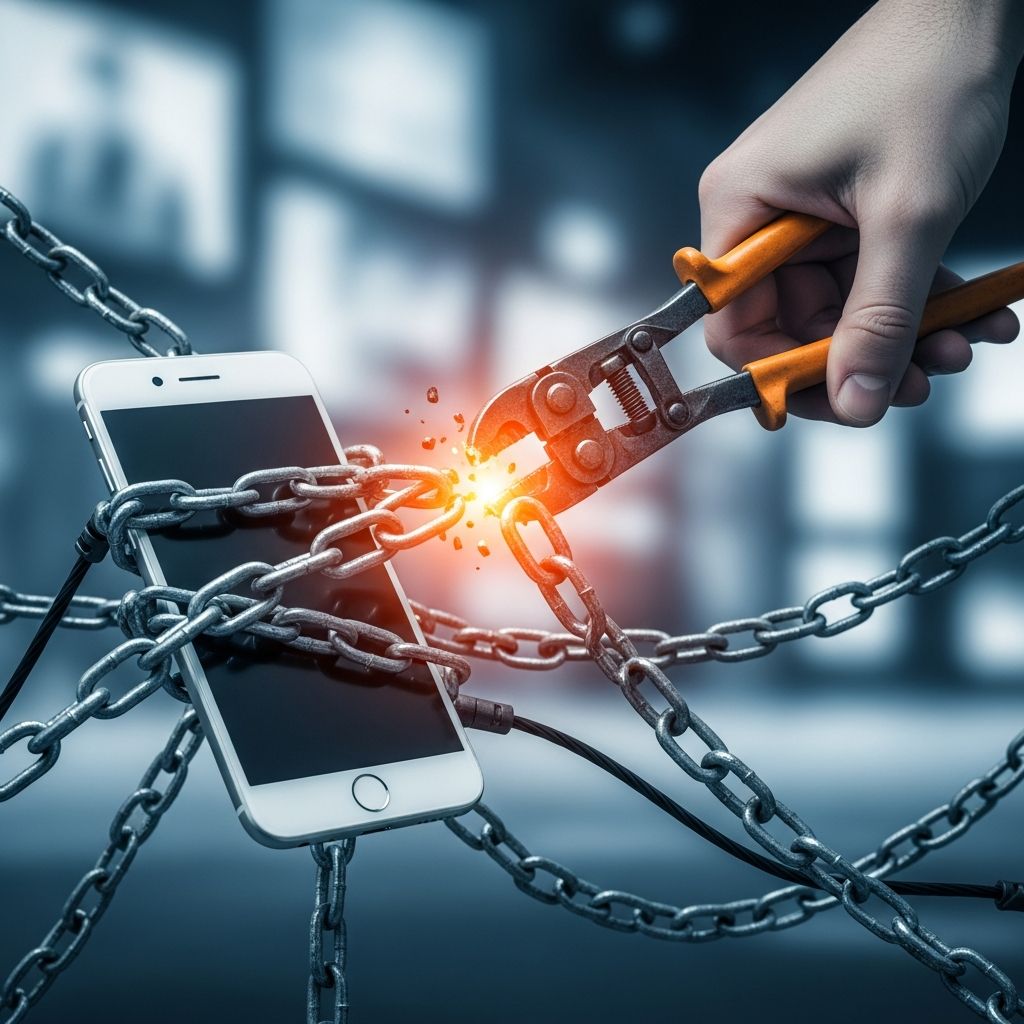
Smartphones have woven themselves into the fabric of modern existence, offering instant access to information, connection, and entertainment. Yet, this convenience often morphs into compulsion, fragmenting attention and eroding well-being. Excessive use triggers cognitive disruptions, emotional strain, and productivity dips, as evidenced by neurological studies linking constant screen exposure to prefrontal cortex changes that impair decision-making. Reducing reliance isn’t about rejection but intentional balance, fostering deeper focus and genuine fulfillment.
The Cognitive Toll of Constant Connectivity
Heavy smartphone engagement reshapes brain function, prioritizing rapid stimuli over sustained thought. Research reveals that frequent notifications fragment attention, training the mind for shallow processing and diminishing deep concentration essential for complex tasks. Users accustomed to quick app switches exhibit reduced gray matter in areas governing impulse control and focus, accelerating cognitive wear.
- Shrinking Attention Windows: Brains adapt to bite-sized content, making prolonged focus arduous; heavy users underperform on memory and problem-solving tests.
- Memory Erosion: Device crutches bypass hippocampal engagement, weakening recall as reliance grows.
- Decision Fatigue: Overload from endless options hampers judgment, evident in multitasking scenarios where error rates climb.
These shifts compound over time, mimicking attention deficit patterns without inherent disorders. Intentional limits restore neural pathways for sharper cognition.
Emotional and Mental Health Undermines
Beyond cognition, smartphones fuel anxiety loops via perpetual alerts and social comparisons. The mere presence of a device heightens tension, slashing task performance as minds wander to unchecked pings. Studies tie overuse to elevated cortisol, fostering chronic stress and depressive symptoms through isolation despite ‘connections’.
| Impact | Cause | Consequence |
|---|---|---|
| Increased Anxiety | Notification compulsion | Poor work output, restlessness |
| Depression Risk | Curated online ideals | Loneliness, low self-worth |
| Stress Burnout | Work-life blur | Exhaustion, irritability |
Mindful reduction counters this by rebuilding emotional resilience, with self-monitoring boosting satisfaction sans total abstinence.
Sleep Sabotage and Physical Fallout
Blue light from screens disrupts melatonin, delaying sleep onset and fragmenting cycles. Late-night scrolling overstimulates, cutting restorative phases and impairing next-day alertness. Prolonged postures from hunching over devices strain neck and respiration, per medical reviews.
- Delayed bedtimes reduce sleep hours, spiking fatigue.
- Fragmented rest weakens memory consolidation.
- Postural issues emerge from extended sessions.
Curbing evening use yields rapid recovery, enhancing vitality.
Productivity Paradox Exposed
Intuition suggests less screen time equals more output, yet nuance prevails. Blind minimization falters; optimized, goal-driven use via tracking elevates perceived productivity and contentment. Addiction, however, kills efficiency: habitual checks derail flow, multitasking myths inflate errors.
Key drains include:
- Always-on work mentality blurs boundaries.
- Impulsive interruptions halve deep work blocks.
- Self-monitoring fatigue risks if unchecked, but yields net gains.
Strategic detachment—designated no-phone zones—unlocks peak performance.
Relationship Rifts from Digital Barriers
Devices divert presence, turning shared moments into solo scrolls. Face-to-face dwindles, breeding isolation amid virtual ties. Partners and friends sense neglect, eroding bonds as phubbing (phone snubbing) normalizes disconnection.
Reclaiming interactions demands device-free rituals, nurturing empathy and intimacy.
Creativity and Innovation Stifled
Endless digital noise drowns introspection vital for breakthroughs. Phones supply answers, atrophying original thought; solitude with ideas sparks genius. Overreliance numbs reward pathways, craving dopamine hits over patient ideation.
Financial and Habitual Traps
Impulsive app-driven buys drain wallets unnoticed. Habits solidify into autopilot, sidelining pursuits like reading or exercise. Breaking cycles via audits reveals time sinks, redirecting energy productively.
Strategies for Sustainable Digital Balance
Transition gradually:
- Audit Usage: Track via apps to baseline without fatigue.
- Set Boundaries: No screens post-9 PM, work-phone silos.
- Mindful Goals: Allocate slots for essential checks, rewarding compliance.
- Analog Alternatives: Notebooks, watches for timeless focus.
- Tech Aids: Do-not-disturb modes, grayscale screens to dull allure.
These foster autonomy, with studies affirming heightened satisfaction.
Frequently Asked Questions (FAQs)
Can reducing smartphone use actually improve my work output?
Yes, mindful optimization—not elimination—enhances productivity and satisfaction, per San Diego State research on self-tracking.
How does phone addiction affect sleep quality?
Blue light and overstimulation delay melatonin, fragmenting cycles and impairing cognition.
Is smartphone overuse linked to anxiety?
Absolutely; constant connectivity spikes stress via notifications and FOMO.
What are signs of digital dependence?
Frequent checks, anxiety sans device, neglected duties, sleep interference.
How long to detox for noticeable benefits?
Benefits emerge in days for sleep, weeks for focus; consistency key.
Reclaim Your Life: The Path Forward
Smartphones serve, not enslave. By curbing overreliance, you sharpen mind, mend ties, and amplify output. Start small—today’s audit seeds tomorrow’s freedom. Evidence underscores: balanced tech elevates humanity.
References
- Smartphone Addiction: Effects on Cognition & Attention — Lone Star Neurology. 2023. https://lonestarneurology.net/others/the-impact-of-smartphone-addiction-on-cognitive-function-and-attention-span/
- Does Reducing Screen Time Increase Productivity? Not Necessarily — San Diego State University. 2022-10. https://business.sdsu.edu/news/2022/10/screentime-research-v2
- Phone Addiction: Warning Signs and How to Get Help — HelpGuide.org. 2024. https://www.helpguide.org/mental-health/addiction/smartphone-addiction
- How Mindful Use of Your Smartphone Can Make You More Productive — TopResume. 2023. https://topresume.com/career-advice/how-mindful-use-of-your-smartphone-can-make-you-more-productive
- How Your Cell Phone Habits Impact Your Productivity — Psychology Today. 2018-07. https://www.psychologytoday.com/us/blog/why-bad-looks-good/201807/how-your-cell-phone-habits-impact-your-productivity

- Integrated M.A. in Applied Linguistics, University of Hyderabad
- 5+ years in editorial, instructional, SEO, and research-based writing
Sneha is a relationships and lifestyle writer with a strong foundation in applied linguistics and certified training in relationship coaching. She brings over five years of writing experience to theskillvault, crafting thoughtful, research-driven content that empowers readers to build healthier relationships, boost emotional well-being, and embrace holistic living. Her writing and insights reflect the belief that beauty, happiness, and wellness…