
Understanding the Modern Classroom Challenge
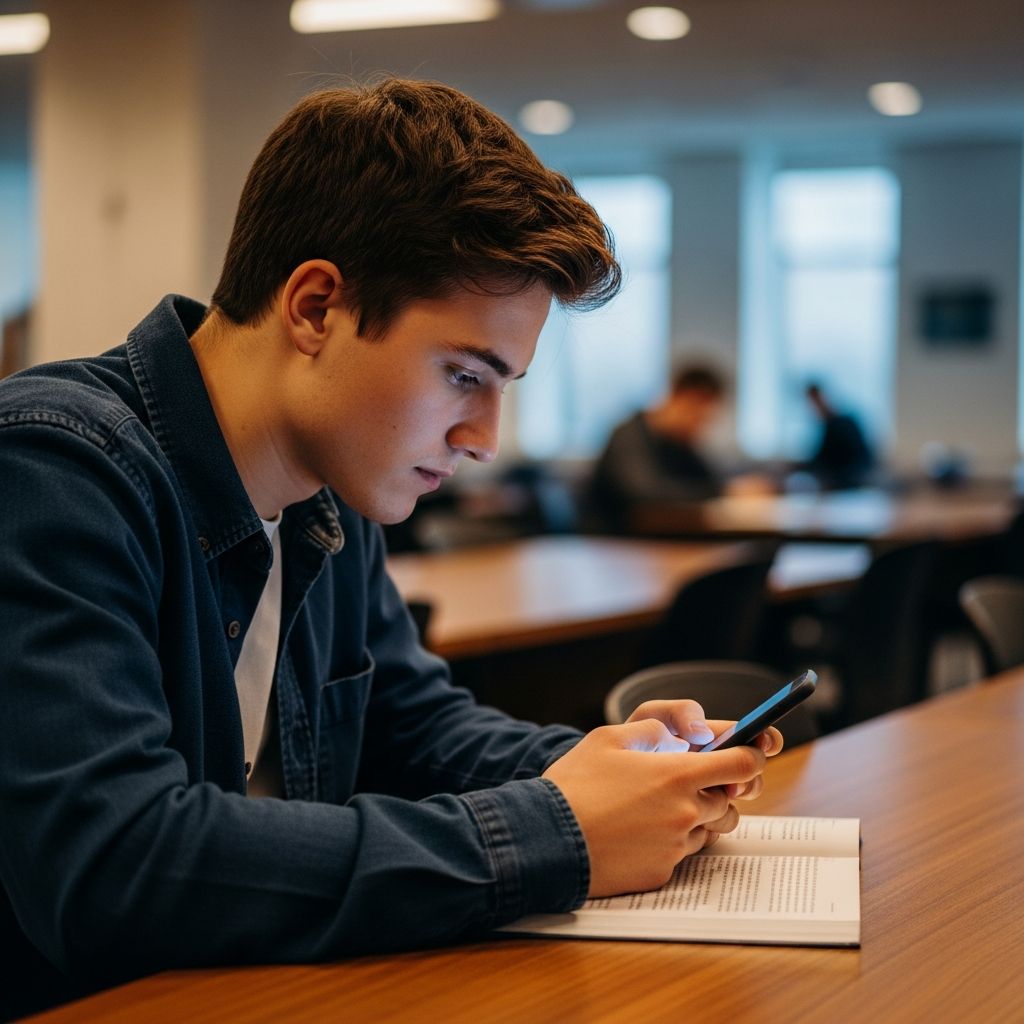
The integration of smartphones into educational settings has created a paradox that educators and parents grapple with daily. While these devices offer unprecedented access to information and educational resources, their presence simultaneously undermines the very cognitive processes necessary for effective learning. The challenge facing schools today extends beyond simple distraction; it involves fundamental changes to how students’ brains process information and engage with their environment. With 97% of students using mobile devices during school hours—predominantly for non-academic purposes—the classroom has become a battleground between traditional teaching methods and the constant pull of digital connectivity.
The Cognitive Cost of Constant Connectivity
Research reveals a troubling reality about how smartphones affect mental performance. The mere presence of a mobile phone, even when powered off or face-down on a desk, reduces cognitive performance and focus among students. This phenomenon extends beyond the act of actively using the device; the brain’s awareness of the phone’s potential for connection creates a cognitive drain that diverts mental resources away from academic tasks.
When students check their phones during class, the recovery process is remarkably lengthy. Studies demonstrate that students require up to 20 minutes to fully refocus on their coursework after each phone-related interruption. This extended recovery period means that a single five-minute text message exchange effectively eliminates 25 minutes of productive learning time. As these micro-interruptions accumulate throughout the school day, they create a cascading effect that significantly impairs comprehension, reduces productivity, and compromises overall academic achievement.
The neurological explanation for this phenomenon lies in how the adolescent brain develops and processes attention. The prefrontal cortex—the brain region responsible for sustained focus, impulse control, and decision-making—continues developing into the mid-twenties. This ongoing development makes younger students particularly vulnerable to the fragmenting effects of constant notifications and digital interruptions. Each alert triggers a small release of dopamine, the neurotransmitter associated with reward and motivation, creating a powerful biological incentive to check the phone repeatedly.
Notifications as Attention Hijackers
Modern smartphones are engineered to capture and maintain attention. According to research highlighted in *The Anxious Generation*, teenagers receive an average of 192 notifications per day across text messages, social media platforms, and various applications. When accounting for typical sleep patterns, this equates to approximately 11 notifications per waking hour, or roughly one interruption every five minutes. For heavy users, the frequency can escalate to one notification every single minute.
These constant interruptions create what psychologists describe as a “never-ending stream of fragmentation” that fundamentally alters how adolescent brains develop their capacity for deep concentration. Rather than learning to sustain focus on complex material, students become conditioned to expect and seek out frequent diversions. This adaptation undermines the neural pathways associated with sustained attention and deep processing of information.
The design of notification systems deliberately exploits psychological vulnerabilities. Push notifications trigger anticipation and curiosity, making it psychologically difficult for students to ignore their devices even when they recognize the educational context demands their full attention. Social media platforms, in particular, employ sophisticated algorithms designed specifically to maximize engagement and screen time, making them exceptionally challenging for developing minds to resist.
Academic Performance and Test Score Implications
Empirical evidence demonstrates concrete negative impacts on academic outcomes. Research conducted by Rutgers University found that students who used cell phones during class achieved significantly lower scores on end-of-term examinations compared to their peers who minimized phone use. This measurable decline in test performance provides quantifiable evidence of how smartphone distractions translate into reduced learning effectiveness and comprehension retention.
The effects are not uniformly distributed across student populations. Research indicates that low-income students and those in under-resourced schools experience disproportionately negative academic impacts from classroom phone use. Additionally, the ripple effects extend beyond individual students; when one student becomes distracted by their phone, classroom disruptions lower the academic performance of nearby peers as well, creating a collective degradation of the learning environment.
Data from the Organisation for Economic Co-operation and Development (OECD) reveals that the more leisure time students spend on devices and social media during school hours, the lower their academic performance becomes, particularly in mathematics. This relationship holds true across different economic contexts and educational systems, suggesting a fundamental incompatibility between smartphone engagement and academic achievement.
Social Media’s Silent Grip on Focus
Social media platforms represent a particularly powerful form of classroom distraction because they are specifically designed to capture human attention. Unlike neutral information repositories, these platforms employ engagement algorithms that learn individual preferences and continuously optimize content to maximize time spent on the application. For early adolescents especially, frequent social media use correlates strongly with decreased academic achievement.
The mechanism underlying this relationship involves several psychological factors. Social media platforms expose users to carefully curated content that triggers social comparison, fear of missing out (FOMO), and the constant need to stay updated on peer activities. These psychological hooks prove particularly compelling for adolescents whose social identities are still forming and who are developmentally predisposed to prioritize peer relationships and social status.
The competitive nature of social media creates additional psychological pressure. Students encounter carefully filtered and edited presentations of their peers’ lives, leading to unrealistic comparisons and diminished self-esteem when their own reality fails to measure up to these curated representations. The anxiety generated by these comparisons further distracts from academic focus and creates a psychological environment where learning becomes secondary to social validation concerns.
Beyond Classroom Walls: Broader Developmental Impacts
The effects of smartphone-driven attention fragmentation extend far beyond immediate test scores and classroom performance. Extended exposure to constant digital interruptions during critical developmental years may produce lasting neurological changes. When children habitually fragment their attention across multiple digital stimuli, they may fail to develop the neural capacity for sustained, deep concentration on complex material.
This developmental trajectory has concerning implications. Students who become accustomed to rapid context-switching and constant stimulation may struggle to engage with challenging academic content that requires sustained intellectual effort. Reading classic literature, engaging in stimulating classroom discussions, or working through complex mathematical problems all demand the ability to maintain focus over extended periods—a capacity that appears to atrophy when smartphones provide constant escape routes to more immediately stimulating content.
The phenomenon extends to how students process information. Rather than developing critical thinking skills through deep analysis, students increasingly rely on smartphones to provide quick answers, undermining the development of independent problem-solving abilities and genuine intellectual curiosity. This over-reliance on technological solutions for intellectual challenges represents a concerning shift in how knowledge is acquired and understood.
Health and Wellness Consequences
Beyond cognitive and academic impacts, smartphone use in classrooms creates measurable health consequences:
- Visual Strain: Prolonged screen exposure causes eye fatigue, dry eyes, and discomfort, often accompanied by headaches that interfere with classroom learning.
- Postural Problems: The typical hunched posture associated with phone use leads to chronic neck and back pain, particularly among students who use devices extensively during and between classes.
- Sleep Disruption: Excessive phone use, particularly before bedtime, disrupts sleep patterns through both the stimulating effects of blue light and the psychological activation from digital content, resulting in reduced sleep quality and slower cognitive processing.
- Mental Health Effects: Constant notifications and online interactions create persistent stress and anxiety, while social media exposure fuels depression and FOMO among vulnerable adolescents.
Policy Interventions and Evidence-Based Solutions
Recognition of these challenges has prompted policy responses at state and national levels. Florida pioneered comprehensive phone restrictions by enacting legislation that prohibits personal wireless device use, including smartphones and earbuds, during instructional time. Following this model, additional states including Indiana, Louisiana, Ohio, and South Carolina have implemented similar restrictions, with more legislatures actively considering comparable policies.
Evidence suggests that comprehensive bans prove most effective. OECD data indicates that complete elimination of cell phones from school premises represents the most reliable method for reducing classroom distractions and improving focus. However, schools implementing such policies have adopted various strategies with varying levels of success:
- Device Collection Systems: Some schools operate “cellphone hotels” where students deposit their devices at the start of class, retrieving them only after instructional time concludes. This physical separation removes both the temptation to check devices and the psychological awareness of their presence.
- Clear Classroom Expectations: Establishing explicit policies regarding acceptable device use helps clarify boundaries and reduces ambiguity about enforcement.
- Active Learning Integration: Incorporating interactive teaching methodologies that genuinely engage students reduces the psychological appeal of phone-based alternatives. When classroom activities sufficiently capture attention and participation, the draw of digital devices diminishes.
The Educational Imperative
From a philosophical educational perspective, the smartphone challenge reflects a fundamental tension between learning objectives and technological capability. Education’s core purpose extends beyond transferring information; it involves cultivating students’ capacity to direct their attention, engage deeply with complex material, and develop sustained intellectual focus. When smartphones fragment this attention throughout the school day, they undermine education’s transformative potential.
The contrast between traditional education and smartphone engagement is instructive. Education deliberately focuses and deepens the mind, drawing awareness outward toward challenging material and intellectual growth. Smartphones, by contrast, fragment and distract, pulling attention downward into an endless scroll of immediate stimuli. These opposing forces cannot coexist effectively in the same learning environment.
Importantly, evidence does not support the claim that allowing phones during school hours enhances student safety in emergency situations. Security experts note that phones actually increase danger during crises such as school lockdowns, as students may fail to follow critical instructions while distracted by their devices, and the notifications and sounds from phones could compromise emergency response effectiveness.
Frequently Asked Questions
Q: Can smartphones ever be beneficial learning tools in classrooms?
A: Yes, when used intentionally and with proper structure, smartphones can support learning through note-taking applications, lecture recording, podcast listening, and accessing educational resources. However, research indicates that the negative impacts of distraction typically outweigh these potential benefits when devices remain available for unrestricted use throughout the school day.
Q: How long does it actually take to refocus after a phone distraction?
A: Research demonstrates that students require approximately 20 minutes to fully refocus on academic tasks after checking their phones during class. This means even a brief interruption eliminates a significant portion of productive learning time.
Q: Are certain students more vulnerable to smartphone distractions?
A: Yes. Students with ADHD, anxiety disorders, or other attention-related challenges find constant notifications particularly disruptive. Additionally, students in under-resourced schools and boys, on average, experience disproportionately negative impacts from classroom phone distractions.
Q: What percentage of students use phones during school hours?
A: Approximately 97% of students use mobile devices during school hours, with the vast majority of this use dedicated to non-academic purposes such as social media and messaging.
Q: Do phone bans actually improve academic outcomes?
A: Research and policy data strongly support the effectiveness of comprehensive phone restrictions. OECD findings indicate that complete elimination of phones from school premises represents the most reliable approach to reducing distractions and improving academic focus and performance.
References
- The Impact of Mobile Phones in Classrooms — Luxor Workspaces. 2024. https://www.luxorworkspaces.com/blog/classroom-distractions-the-impact-of-mobile-phones-and-how-to-regain-focus/
- How Do Cellphones Affect Students in School? — Panorama Education. 2024. https://www.panoramaed.com/blog/how-do-cellphones-affect-students-in-school
- Phones Out, Focus In: Crafting Classroom Policies That Work for Everyone — Child Mind Institute. 2024. https://childmind.org/blog/phones-out-focus-in/
- Smartphones Are Killing Kids’ Ability to Concentrate — Discovery Institute. 2024. https://www.discovery.org/education/2024/09/06/smartphones-are-killing-kids-ability-to-concentrate/
- Combating the Impact of Smartphones, Social Media on Education — ExcelinEd. 2024. https://excelined.org/2024/12/31/scroll-less-learn-more-state-policy-solutions-to-combat-the-impact-of-smartphones-and-social-media-on-education/

Medha Deb is an editor with a master's degree in Applied Linguistics from the University of Hyderabad. She believes that her qualification has helped her develop a deep understanding of language and its application in various contexts. Medha specializes in the areas of beauty, health, sports, and wellness and is committed to ensuring that the content on the website is…