
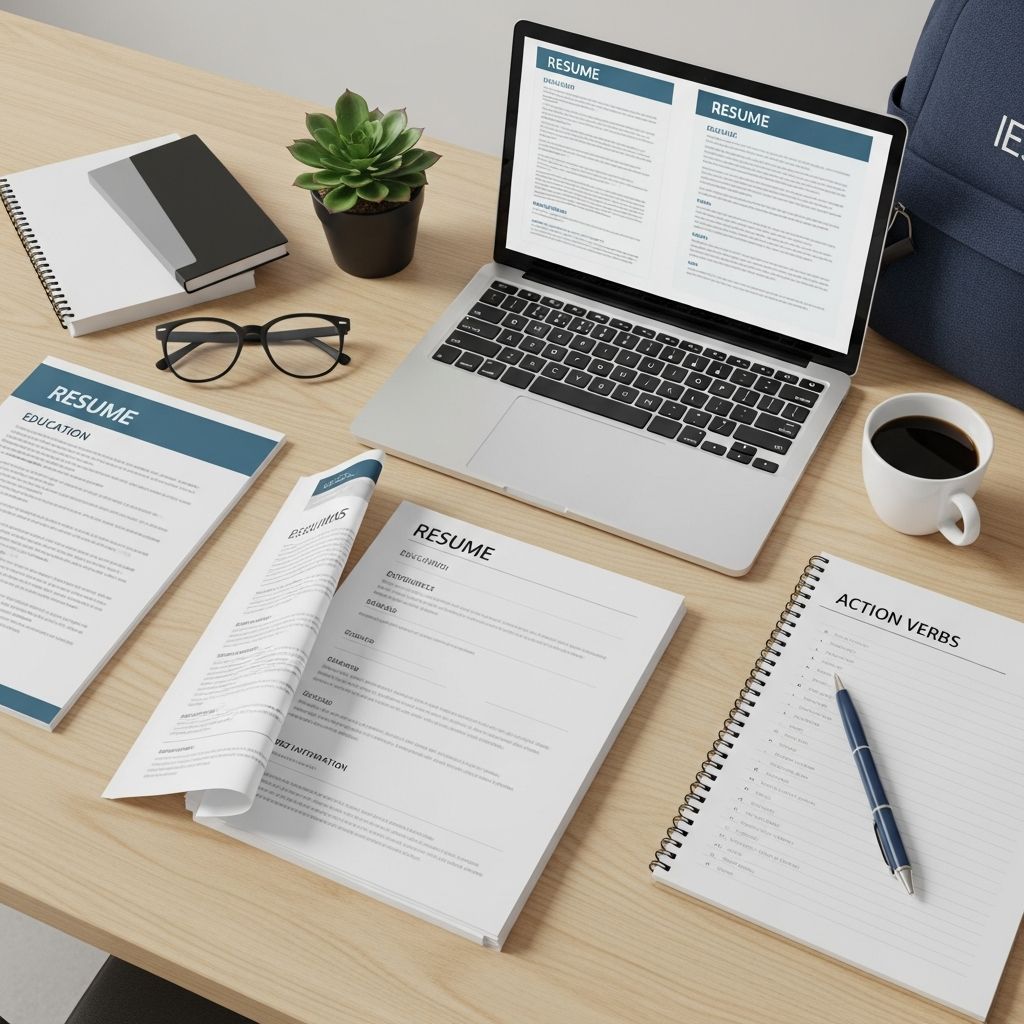
Building a Strong Resume as a Student or Recent Graduate
Entering the job market as a student or recent graduate can feel overwhelming. One of the most important tools in your job search is a well-crafted resume. A strong resume doesn’t just list your education and experiences—it tells a clear, compelling story about your skills, achievements, and potential.
Understanding the Purpose of a Resume
A resume is not a biography. It’s a targeted marketing document designed to show employers that you are a good fit for a specific role. For students and graduates, the goal is to highlight:
- Relevant coursework and academic projects
- Transferable skills from part-time jobs, internships, and extracurriculars
- Leadership, teamwork, and problem-solving abilities
- Technical and soft skills that match the job description
Employers often spend less than a minute scanning a resume, so clarity, relevance, and impact are crucial.
Choosing the Right Resume Format
There are three main resume formats: chronological, functional, and hybrid. For most students and recent graduates, the best choice is:
- Chronological: Lists experiences in reverse order, ideal if you have a clear work or internship history.
- Hybrid (combination): Balances skills and experience, great for those with limited work history but strong academic or project-based achievements.
A functional resume (skills-focused) is generally not recommended unless advised by a career counselor, as many employers and applicant tracking systems (ATS) prefer chronological or hybrid formats.
Essential Resume Sections for Students and Graduates
A well-structured resume includes several key sections. Here’s what to include and how to organize them:
Contact Information
At the top of your resume, include:
- Full name
- Phone number
- Professional email address (e.g., firstname.lastname@domain.com)
- LinkedIn profile or portfolio link (if applicable)
- City and state (optional full address)
Keep this section clean and professional. Avoid nicknames, unprofessional email addresses, or excessive personal details.
Professional Summary or Objective (Optional)
For recent graduates, a short professional summary or objective can help frame your resume. Choose one based on your situation:
- Objective: Best if you’re changing fields or have limited experience. Example: “Recent marketing graduate seeking an entry-level role to apply strong communication and digital marketing skills in a fast-paced environment.”
- Summary: Better if you have some relevant experience. Example: “Detail-oriented business graduate with internship experience in market research and data analysis, seeking to contribute analytical and project management skills in a corporate setting.”
Keep this to 2–3 lines and tailor it to the job you’re applying for.
Education
For students and recent graduates, education is often the most important section. Include:
- Degree (e.g., Bachelor of Science in Computer Science)
- University name and location
- Expected or actual graduation date
- GPA (if 3.0 or higher; otherwise, omit or note “Dean’s List” or honors)
- Relevant coursework (optional, if it supports the job)
- Thesis or capstone project (if applicable)
Example:
- Bachelor of Arts in Psychology, XYZ University, City, State | Expected May 2025
- GPA: 3.6/4.0 | Dean’s List: Fall 2022–Spring 2024
- Relevant Coursework: Research Methods, Cognitive Psychology, Statistics, Behavioral Neuroscience
Experience
Include any work, internships, volunteer roles, or significant part-time jobs. For each position, list:
- Job title
- Organization name and location
- Dates of employment (month and year)
- 3–5 bullet points describing your responsibilities and achievements
Focus on impact, not just duties. Use strong action verbs and, when possible, include numbers or results.
Projects
Academic, personal, or group projects can be powerful resume content, especially if they demonstrate skills relevant to the job. For each project, include:
- Project title
- Course or context (e.g., “Capstone Project for Senior Design Course”)
- Key skills used (e.g., data analysis, coding, project management)
- Brief description of what you did and the outcome
Example:
- Developed a mobile app prototype for campus navigation using React Native, improving estimated route time by 25% in user testing.
- Conducted a market research project for a local nonprofit, analyzing survey data from 200+ respondents and presenting findings to stakeholders.
Skills
Create a dedicated skills section to make it easy for employers and ATS to spot your qualifications. Group skills into categories such as:
- Technical: Programming languages, software, tools (e.g., Python, Excel, Adobe Creative Suite)
- Language: Languages spoken and proficiency level
- Soft skills: Communication, teamwork, problem-solving, time management
Be honest and specific. Instead of “good with computers,” list “Proficient in Microsoft Office Suite (Word, Excel, PowerPoint).”
Additional Sections (Optional but Helpful)
Depending on your background, consider adding one or more of these sections:
- Leadership & Activities: Student organizations, clubs, volunteer roles, or leadership positions.
- Awards & Honors: Scholarships, academic awards, or recognition.
- Certifications: Online courses, professional certifications, or training programs.
- Publications & Presentations: If applicable, especially for research-focused roles.
Writing Effective Bullet Points
The quality of your bullet points can make or break your resume. Follow these guidelines to write strong, impactful statements:
Use Strong Action Verbs
Start each bullet with a powerful verb that shows what you did. Examples include:
- Analyzed, designed, developed, managed, coordinated, led, improved, optimized, implemented, supported, trained, presented, researched, evaluated.
Avoid weak phrases like “Responsible for” or “Duties included.”
Follow the What-How-Result Formula
For each bullet, think about:
- What: What task or project did you work on?
- How: How did you do it? What tools, methods, or skills did you use?
- Result: What was the outcome? What impact did your work have?
Example:
- “Analyzed customer feedback data from 500+ survey responses using Excel and identified three key areas for service improvement, leading to a 15% increase in customer satisfaction scores over three months.”
Quantify When Possible
Numbers make your achievements more concrete. Even if you don’t have exact figures, use estimates or ranges:
- “Managed social media accounts, growing Instagram followers by 40% in six months.”
- “Assisted in organizing a campus event with 200+ attendees and 10 guest speakers.”
- “Processed an average of 30 customer inquiries per day with a 95% satisfaction rating.”
Be Specific and Relevant
Tailor each bullet to the job description. If the role emphasizes teamwork, highlight collaboration. If it values problem-solving, describe a challenge you overcame. Avoid generic statements like “Worked hard and learned a lot.”
Tailoring Your Resume for Each Job
One resume does not fit all jobs. To increase your chances, customize your resume for each application:
Analyze the Job Description
Read the job posting carefully and identify:
- Required and preferred qualifications
- Key skills and keywords
- Responsibilities and expectations
Then, align your resume to match as many of these as possible.
Match Skills and Keywords
Many companies use ATS to screen resumes. To pass this filter:
- Use the same terms from the job description (e.g., “project management,” “data analysis,” “customer service”)
- Include relevant skills in your skills section and in your experience bullets
- Don’t overstuff keywords—keep the language natural and accurate
Highlight Relevant Experiences
For each job, prioritize the experiences and projects that are most relevant. If you’re applying for a marketing role, emphasize marketing-related internships, projects, and skills. If it’s a technical role, focus on coding, software, and technical projects.
Design and Formatting Tips
A clean, professional design helps your resume stand out for the right reasons. Follow these best practices:
Keep It Concise
For most students and recent graduates, a one-page resume is ideal. If you have extensive experience, two pages are acceptable, but avoid unnecessary content.
Use a Clean Layout
Choose a simple, readable format with:
- Consistent font (e.g., Calibri, Arial, Times New Roman, size 10–12)
- Clear section headings
- Adequate white space
- Standard margins (0.5–1 inch)
Avoid excessive colors, graphics, or complex designs unless you’re in a creative field.
Save and Name the File Properly
Save your resume as a PDF unless the employer asks for a Word document. Use a professional file name, such as:
- FirstName_LastName_Resume.pdf
- FirstName_LastName_MarketingResume.pdf
Common Mistakes to Avoid
Even small errors can hurt your chances. Watch out for these common pitfalls:
- Spelling and grammar mistakes: Always proofread and ask someone else to review your resume.
- Generic content: Avoid one-size-fits-all resumes; tailor each one to the job.
- Irrelevant information: Leave out high school details (unless very recent), unrelated hobbies, or outdated experiences.
- Unprofessional email: Use a simple, professional email address.
- Overloading with text: Use bullet points, not long paragraphs, and keep descriptions concise.
How to Handle Limited Experience
Many students and recent graduates worry about not having enough work experience. Here’s how to make the most of what you do have:
Focus on Transferable Skills
Skills from part-time jobs, volunteer work, and student roles are valuable. Examples include:
- Customer service, time management, teamwork, problem-solving, communication, organization.
Highlight these skills in your experience and skills sections.
Emphasize Academic and Project Work
Course projects, research, group assignments, and capstone projects can demonstrate real-world skills. Describe them with the same level of detail as work experience.
Include Relevant Coursework and Certifications
If you’ve taken courses or earned certifications that align with the job, list them. For example:
- “Completed Coursera specialization in Data Science, including courses in Python, SQL, and data visualization.”
- “Relevant coursework: Financial Accounting, Managerial Accounting, Business Law.”
Final Steps Before Sending
Before submitting your resume, take these final steps to ensure it’s polished and effective:
- Proofread carefully for spelling, grammar, and formatting errors.
- Ask a career advisor, professor, or trusted professional to review it.
- Check that dates, names, and contact information are accurate.
- Ensure the resume is tailored to the specific job and company.
- Save it in the correct format (usually PDF) with a professional file name.
Sample Resume Structure (Outline)
Here’s a simple outline you can use to organize your resume:
| Section | What to Include |
|---|---|
| Contact Information | Name, phone, email, LinkedIn (optional), city/state |
| Objective/Summary | 2–3 lines tailored to the job |
| Education | Degree, university, graduation date, GPA (if strong), relevant coursework |
| Experience | Jobs, internships, volunteer roles with bullet points |
| Projects | Academic, personal, or group projects with impact |
| Skills | Technical, language, and soft skills |
| Leadership & Activities | Clubs, organizations, volunteer work |
| Awards & Honors | Scholarships, academic awards |
| Certifications | Relevant courses or credentials |
Frequently Asked Questions
How long should a student or graduate resume be?
Most student and recent graduate resumes should be one page. If you have significant experience, a two-page resume is acceptable, but keep it concise and relevant.
Should I include my high school on my resume?
Generally, no. Once you’re in college or have graduated, focus on your higher education. Only include high school if it’s very recent and you have limited college experience.
Do I need a cover letter?
Yes, a cover letter is highly recommended. It allows you to explain why you’re interested in the role, connect your experiences to the job, and show your personality and communication skills.
How do I make my resume stand out with little work experience?
Focus on academic projects, internships, volunteer work, leadership roles, and transferable skills. Use strong action verbs, quantify results when possible, and tailor your resume to each job.
Can I use the same resume for every job?
It’s better to tailor your resume for each application. While you can have a base version, adjust the objective/summary, skills, and experience bullets to match the specific job description.
What if I have gaps in my employment or education?
It’s okay to have gaps. Focus on what you were doing during that time (e.g., studying, volunteering, caring for family, learning new skills). If asked, be honest and positive in your explanation.
Next Steps
Now that you understand the key elements of a strong resume, take the following actions:
- Review your current resume (or start a new one using the structure above).
- Tailor it to a specific job you’re interested in.
- Ask for feedback from a career center, professor, or mentor.
- Update it regularly as you gain new experiences, skills, and achievements.
A well-crafted resume is a powerful tool in your job search. By focusing on clarity, relevance, and impact, you can present yourself as a strong, capable candidate ready to contribute in any role.

- Integrated M.A. in Applied Linguistics, University of Hyderabad
- 5+ years in editorial, instructional, SEO, and research-based writing
Sneha is a relationships and lifestyle writer with a strong foundation in applied linguistics and certified training in relationship coaching. She brings over five years of writing experience to theskillvault, crafting thoughtful, research-driven content that empowers readers to build healthier relationships, boost emotional well-being, and embrace holistic living. Her writing and insights reflect the belief that beauty, happiness, and wellness…