
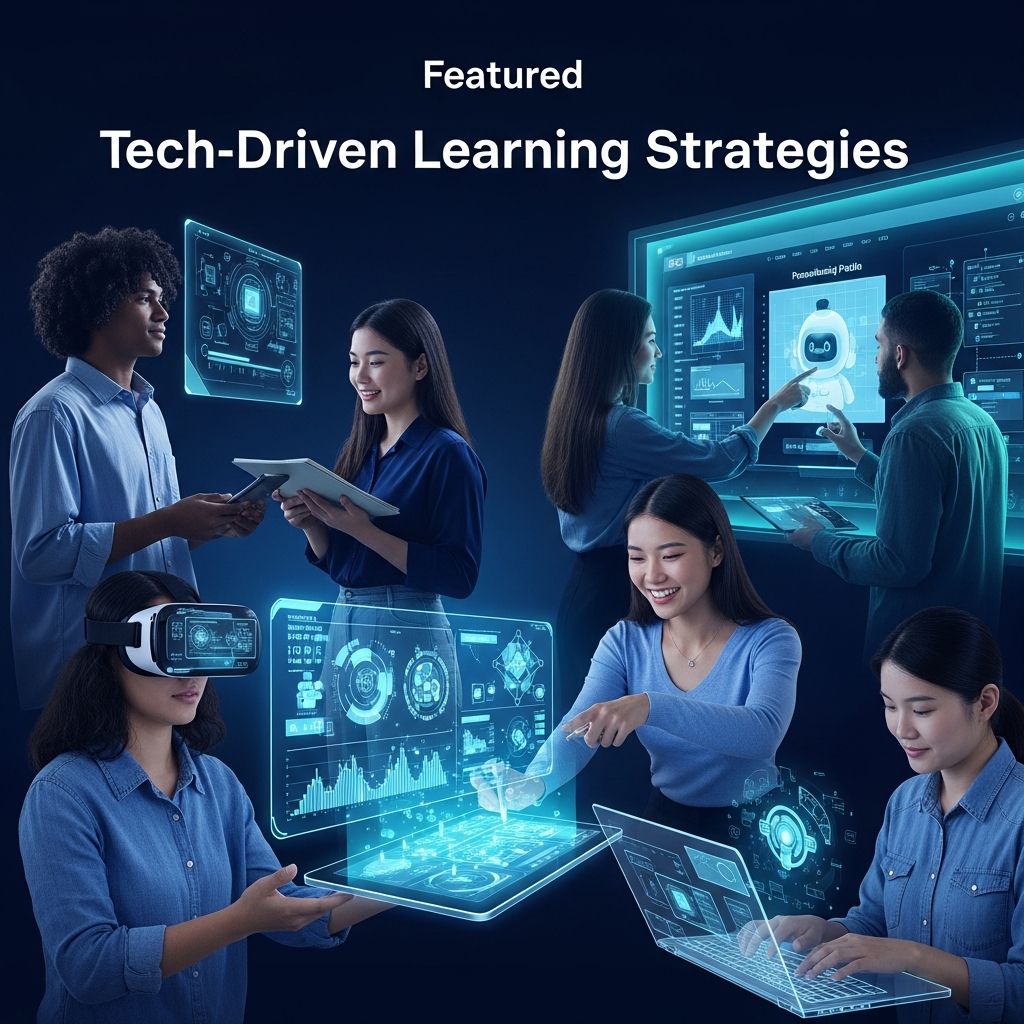
Technology has reshaped education by introducing dynamic methods that prioritize student needs, foster collaboration, and deliver personalized experiences. These strategies leverage digital tools to make learning more interactive, accessible, and effective across diverse settings.
The Rise of Digital Tools in Modern Education
Digital integration marks a shift from traditional lectures to interactive environments where students actively participate. Learning management systems (LMS) like Google Classroom simplify assignment distribution and progress tracking, while platforms such as Zoom enable seamless virtual collaboration. AI-powered tutors adjust content in real-time, ensuring every learner receives support matched to their pace and style.
This evolution extends learning beyond physical classrooms, providing global resources like online databases and virtual simulations that enrich understanding of complex topics. Educators benefit from automated grading and analytics, freeing time for mentorship and creative instruction.
Key Benefits of Technology-Enhanced Classrooms
Implementing tech strategies yields measurable improvements in engagement, retention, and skill development. Here’s a breakdown:
- Higher Engagement: Multimedia elements like videos, games, and VR simulations captivate attention, turning passive absorption into active exploration.
- Personalization: Adaptive software tailors challenges to individual strengths, reducing gaps and accelerating progress for advanced learners.
- Collaboration: Tools like Microsoft Teams facilitate group projects and peer feedback, building essential teamwork skills.
- Accessibility: Remote access to resources supports diverse learners, including those in hybrid or rural settings.
| Benefit | Impact on Students | Tools/Examples |
|---|---|---|
| Increased Engagement | Improved retention and motivation | VR simulations, educational games |
| Personalized Paths | Customized pacing and content | Adaptive platforms like DreamBox |
| Enhanced Collaboration | Better communication skills | Google Classroom, Teams |
| Broad Resource Access | Global perspectives and depth | Online libraries, virtual field trips |
Adaptive Learning: Tailoring Education to Individuals
Adaptive learning uses algorithms to modify content based on performance data, creating bespoke educational journeys. Platforms analyze responses to adjust difficulty, offering remedial exercises or advanced challenges as needed. This approach excels in subjects like math, where tools like Smart Sparrow dynamically reshape lessons.
Benefits include reduced frustration for struggling students and sustained challenge for high achievers, leading to higher completion rates and deeper comprehension. Teachers gain insights from dashboards, enabling targeted interventions. Recent studies highlight how such systems improve outcomes by 20-30% in personalized settings.
Blended and Flipped Models for Flexible Learning
Blended learning merges in-person interaction with online modules, optimizing class time for discussions and hands-on activities. Students review videos or readings at home, arriving prepared for application-focused sessions.
Flipped models invert this further, prioritizing active problem-solving in class after self-paced digital prep. This fosters critical thinking and competency over rote memorization. Both methods accommodate varied schedules, supporting working students or those needing extra practice.
- Pre-class online content builds foundational knowledge.
- Class time emphasizes collaboration and real-world application.
- Post-class assessments via LMS track mastery.
Immersive Technologies: VR, AR, and Simulations
Virtual and augmented reality transport learners into simulations, making abstract concepts tangible. VR field trips to ancient Rome or AR anatomy overlays enhance retention by engaging multiple senses.
These tools are particularly effective for STEM, allowing safe experimentation with phenomena like chemical reactions or physics principles. Collaborative VR platforms enable shared virtual spaces for group exploration, bridging geographical divides. Implementation requires initial investment but yields long-term engagement boosts.
Competency-Based Progression Over Time-Based
Shifting from seat-time to skill mastery, competency-based education lets students advance upon demonstrating proficiency via digital portfolios or projects. E-learning platforms track milestones, offering flexible paths through mixed modalities like videos, quizzes, and peer reviews.
This model prepares learners for real-world demands, emphasizing problem-solving and communication. Technology enables precise assessment, ensuring credits reflect true understanding rather than hours logged.
Fostering Collaboration Through Digital Platforms
Digital tools break down barriers to teamwork, with shared documents and real-time editing promoting inclusive participation. Platforms support global partnerships, exposing students to diverse viewpoints.
Teachers moderate discussions and provide instant feedback, cultivating communication skills vital for future careers. Group challenges via apps build accountability and collective problem-solving.
Challenges and Solutions in Tech Adoption
Despite advantages, hurdles like digital divides, training needs, and costs persist. Solutions include:
- Professional development programs for educators.
- Affordable device initiatives and open-source tools.
- Inclusive design focusing on accessibility features.
Starting small with pilot programs eases integration, scaling based on data-driven results.
Practical Steps for Educators
- Assess Needs: Survey students and evaluate current tools.
- Select Tools: Choose user-friendly LMS and adaptive software.
- Train and Pilot: Offer workshops and test in one class.
- Monitor and Iterate: Use analytics to refine approaches.
- Promote Equity: Ensure all students have access.
Future Trends Shaping Tech Learning
AI advancements promise even smarter personalization, while metaverse classrooms expand immersion. Gamification and blockchain credentials will further motivate and validate achievements. Educators must stay agile, blending human insight with tech efficiency.
Frequently Asked Questions (FAQs)
What are the main advantages of tech-driven learning?
Key benefits include boosted engagement, personalized paths, better collaboration, and access to vast resources, preparing students for digital careers.
How does adaptive learning work?
It uses data to customize content difficulty and sequence, matching each student’s pace and needs via AI algorithms.
Is blended learning suitable for all subjects?
Yes, it enhances any curriculum by combining online prep with interactive in-class activities.
What challenges arise with classroom technology?
Common issues are access inequities and teacher training; addressed through professional development and inclusive policies.
Can VR/AR replace traditional teaching?
No, they complement by providing immersive supplements to core instruction.
References
- Innovative Education Methods: Transforming Teaching and Learning — American College of Education. 2024. https://ace.edu/blog/innovative-education-methods-transforming-teaching-and-learning/
- Use of Technology in the Classroom to Enhance Teaching and Learning — eSchool News. 2024-09-26. https://www.eschoolnews.com/digital-learning/2024/09/26/use-of-technology-in-the-classroom-to-enhance-teaching-and-learning/
- 8 Ways to Embrace Technology-Based Learning Approaches — SkillsYouNeed. N/A. https://www.skillsyouneed.com/rhubarb/technology-based-learning-approaches.html
- Integrating Technology in the Classroom For 2025 — Pepperdine University GSEP. N/A. https://gsep.pepperdine.edu/blog/posts/integrating-technology-in-the-classroom-for-2025.htm
- Technology in the Classroom: Benefits and the Impact on Education — Grand Canyon University. N/A. https://www.gcu.edu/blog/teaching-school-administration/how-using-technology-teaching-affects-classrooms
- How Has Technology Changed Education? — Purdue University. 2024-01-01. https://education.purdue.edu/news/2024/01/01/how-has-technology-changed-education/

Medha Deb is an editor with a master's degree in Applied Linguistics from the University of Hyderabad. She believes that her qualification has helped her develop a deep understanding of language and its application in various contexts. Medha specializes in the areas of beauty, health, sports, and wellness and is committed to ensuring that the content on the website is…