
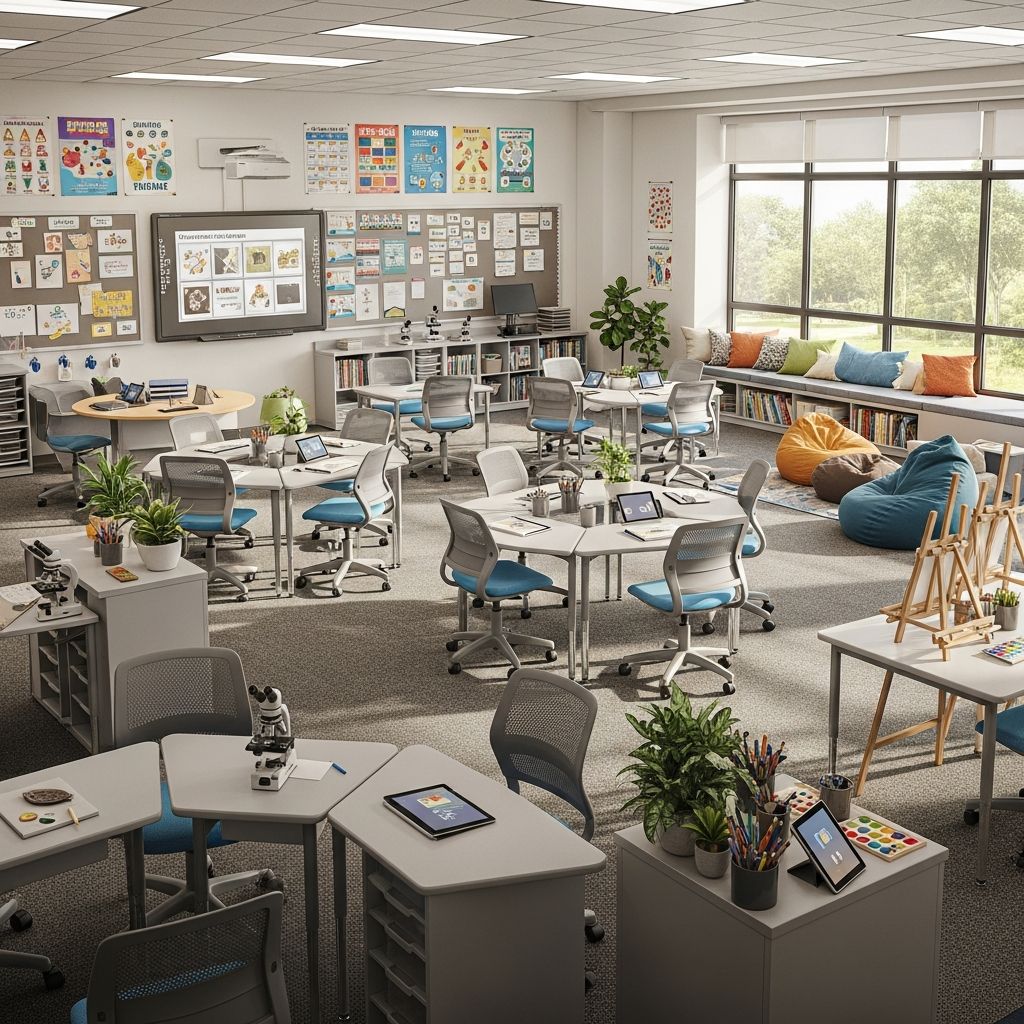
Thoughtful classroom design transforms ordinary spaces into dynamic hubs of discovery and growth. Research shows that physical and emotional elements in classrooms can influence up to 15% of student academic outcomes, making environment a key lever for educators.
Foundational Elements of Inspiring Learning Areas
Effective classrooms begin with core features that set a welcoming tone. Natural lighting reduces stress and sharpens focus, while views of greenery from windows enhance task performance. Integrating plants indoors fosters comfort and friendliness among students.
- Lighting strategies: Maximize daylight and use soft artificial sources to mimic natural rhythms.
- Greenery integration: Place low-maintenance plants in corners to improve air quality and mood.
- Acoustics control: Employ rugs and panels to minimize echo, aiding concentration.
These basics create a foundation where students feel at ease, paving the way for deeper engagement.
Strategic Layouts to Encourage Interaction
Furniture arrangement dictates flow and collaboration. Flexible seating like clustered desks promotes group work, while open spaces allow movement. Studies confirm that varied layouts support diverse learning styles and boost participation.
| Layout Type | Benefits | Best For |
|---|---|---|
| Clusters | Enhances discussion | Group projects |
| U-Shape | Facilitates presentations | Class debates |
| Rows | Supports focus | Lectures |
| Flexible Zones | Adapts to needs | Mixed activities |
Adapting layouts to lesson goals ensures versatility, with modular furniture enabling quick shifts.
Color Psychology and Visual Harmony
Colors subtly shape emotions and productivity. Blues and greens calm, aiding focus, while warm tones like yellow spark energy. Balanced schemes prevent overstimulation, creating harmonious backdrops for learning.
- Calming walls: Soft pastels for sustained attention.
- Accent pops: Vibrant cushions for motivation.
- Student input: Co-create displays to build ownership.
A visually appealing space fosters belonging, reducing anxiety and encouraging participation.
Fostering Emotional Safety and Regulation
Classrooms act as “silent teachers,” embedding cues for self-regulation. Dedicated calm corners with sensory tools help students manage emotions, building independence. Positive greetings and interest in students’ lives cultivate trust.
Harmonious atmospheres link to autonomous motivation and creativity, as vibrant settings promote emotional expression. Structure via clear routines provides reliability, minimizing chaos.
Stimulating Creativity Through Environmental Cues
Flexible environments nurture innovation. Democratic setups empower student choices, leading to creative outputs. Sense of place—emotional bonds to the space—fuels originality via interactions with decor and peers.
A stimulating setup with flexible resources unleashes potential, as confirmed by frameworks emphasizing environmental affordances.
Incorporate writable walls, rotating displays, and collaborative zones to spark ideas.
Technology Integration Without Overload
Seamless tech enhances ambiance when balanced. Charging stations and interactive boards support engagement without dominating. Position devices to avoid glare, preserving natural flow.
- Wireless hubs for mobility.
- Screen zones away from main teaching areas.
- Digital displays for dynamic visuals.
Personalization for Inclusivity
Infuse personality through student work and cultural elements. Rotating galleries build pride, while diverse representations ensure all feel valued. This personalization strengthens place attachment, boosting motivation.
Sustaining Dynamic Environments
Regular audits keep spaces fresh. Solicit student feedback quarterly to refine elements, ensuring responsiveness. Seasonal updates maintain vibrancy without overwhelming change.
Frequently Asked Questions
What is the most impactful change for better focus?
Optimizing lighting and acoustics yields quick wins, with studies showing reduced stress and improved concentration.
How can small classrooms feel spacious?
Use vertical storage, mirrors, and light colors to create illusions of openness, paired with multifunctional furniture.
Does greenery really affect learning?
Yes, plants and nature views lower stress and heighten comfort, per empirical observations.
How to involve students in design?
Form design committees for input on colors and layouts, fostering ownership and creativity.
What role does teacher behavior play?
Warm greetings and positive tone establish emotional safety, amplifying physical design benefits.
Practical Implementation Checklist
- Assess current setup: Measure light, noise, flow.
- Prioritize quick fixes: Add plants, rearrange seats.
- Budget for flexibles: Modular desks, wall panels.
- Gather feedback: Anonymous surveys post-changes.
- Monitor outcomes: Track engagement metrics.
Implementing these steps creates cohesive spaces supporting holistic development.
References
- Creating effective learning environments — Teacher Magazine. 2023. https://www.teachermagazine.com/in_en/articles/creating-effective-learning-environments
- Classroom Design for Emotional Regulation — Community Playthings. 2023. https://www.communityplaythings.com/resources/articles/classroom-design-for-emotional-regulation
- Understanding the Importance of Class Environments — My AI Front Desk. 2023. https://www.myaifrontdesk.com/blog/understanding-the-importance-of-class-environments-creating-the-perfect-ambiance
- Stimulating creativity in the classroom: examining the impact of… — PMC (NCBI). 2023-11-28. https://pmc.ncbi.nlm.nih.gov/articles/PMC10704728/
- Built to Learn: How Classroom Design Impacts Student Success — Ed-Spaces. 2023. https://ed-spaces.com/stories/built-to-learn-how-classroom-design-impacts-student-success/
- The Science of Classroom Design — Edutopia. 2023. https://www.edutopia.org/article/the-science-of-classroom-design/

- Integrated M.A. in Applied Linguistics, University of Hyderabad
- 5+ years in editorial, instructional, SEO, and research-based writing
Sneha is a relationships and lifestyle writer with a strong foundation in applied linguistics and certified training in relationship coaching. She brings over five years of writing experience to theskillvault, crafting thoughtful, research-driven content that empowers readers to build healthier relationships, boost emotional well-being, and embrace holistic living. Her writing and insights reflect the belief that beauty, happiness, and wellness…