
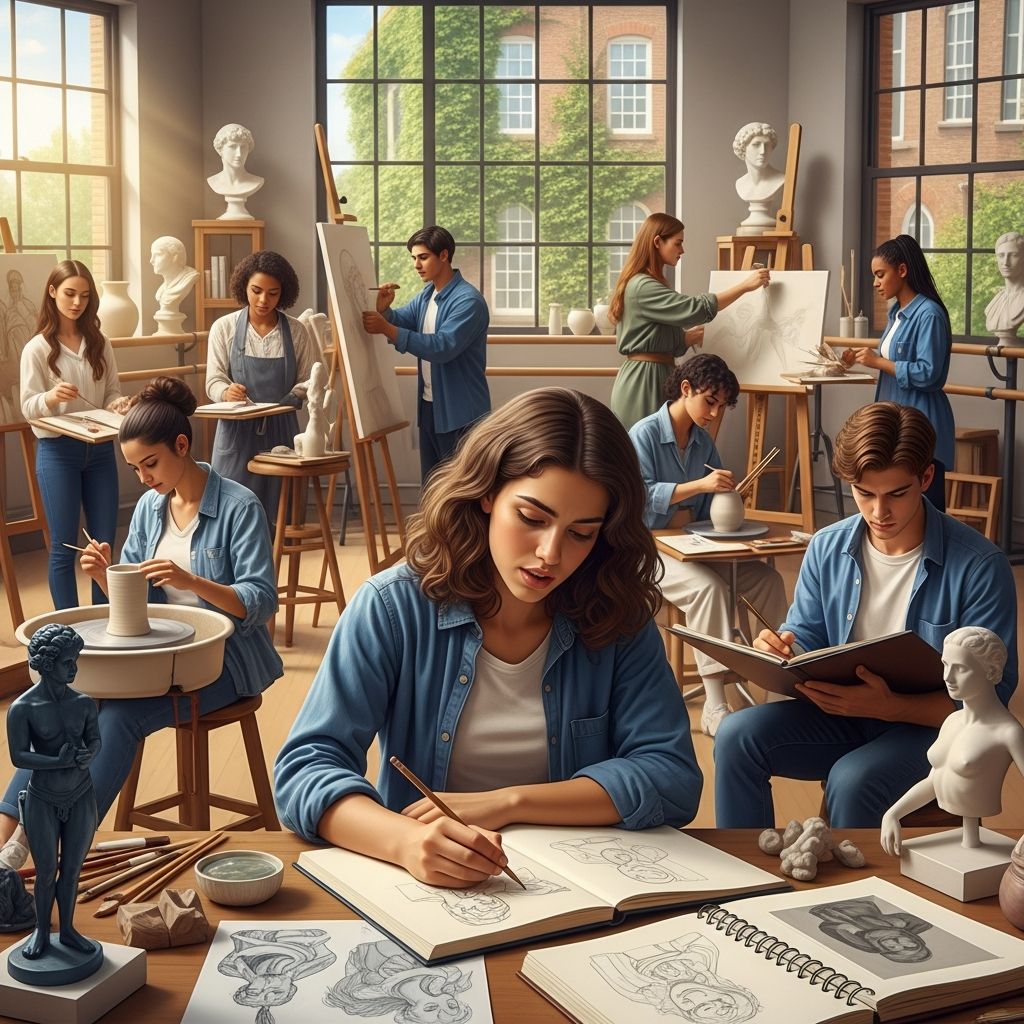
For students with a passion for creative expression, the journey toward higher education in the arts presents a unique set of challenges and opportunities. Unlike traditional college applications that rely primarily on standardized test scores, GPA, and essays, arts school admissions demand an additional layer of preparation. The most critical component separating successful applicants from those who fall short is the development of a compelling artistic portfolio paired with meticulous attention to program-specific requirements. This guide walks you through every dimension of the arts school application process, equipping you with the knowledge and strategies needed to present your strongest candidacy.
Understanding What Arts Schools Seek in Applicants
Arts institutions prioritize different criteria than traditional universities. While academic performance remains important, admissions committees place substantial emphasis on demonstrating genuine artistic talent and creative potential. A strong portfolio can compensate for lower test scores or GPA, as it provides concrete evidence of your abilities in your chosen discipline. The portfolio essentially tells the story of your development as an artist and reveals your unique perspective and technical capabilities.
Beyond artistic ability, admissions officers evaluate your commitment to the arts, your intellectual curiosity about your chosen field, and your potential to grow within their specific program. They want to understand what drives your artistic practice and how you engage with the world creatively. This makes every element of your application—from your portfolio to your essays and supplemental materials—an opportunity to convey your authentic passion for the arts.
Building a Portfolio That Stands Out
Your portfolio represents the cornerstone of your arts school application. It serves as your artistic resume, demonstrating your range, skill level, technical proficiency, and creative vision. The portfolio creation process should begin well before application deadlines, ideally during your sophomore or junior year of high school. This timeline allows you to accumulate diverse work and refine pieces based on feedback from mentors and teachers.
Selecting and Curating Your Work
One of the most challenging aspects of portfolio development involves deciding which pieces to include. Rather than submitting everything you’ve created, you should thoughtfully curate a selection that represents your best work and demonstrates your artistic range. Quality always outweighs quantity. Admissions committees prefer to see 10-20 exceptional pieces that showcase different techniques and subject matter rather than 50 mediocre works.
When curating your portfolio, consider the following approach:
- Select pieces that demonstrate technical skill and competency in your chosen medium
- Include work that shows variety in subject matter, themes, or artistic approach
- Feature both finished pieces and works-in-progress or sketchbook pages
- Represent different mediums if applicable to your discipline
- Prioritize recent work that reflects your current artistic level
Many schools specifically request to see process documentation, such as sketchbook pages or progress photographs that reveal how you develop your ideas. This documentation gives admissions officers insight into your creative methodology and problem-solving approach. Including video clips of your working process or time-lapse sequences can also strengthen your submission by adding a dynamic dimension to your portfolio.
Understanding Specific Portfolio Requirements
Different institutions maintain varying portfolio requirements based on their programs and educational philosophies. Some schools request 8-12 pieces, while others may want 15-20 images. Certain programs emphasize observational drawing and require a minimum number of pieces created from direct observation. Specialized programs like design, film, or sculpture may have distinct requirements reflecting their discipline’s unique demands.
Before finalizing your portfolio, invest time in thoroughly reviewing each school’s submission guidelines. Some institutions accept portfolios through Slideroom, others through the Common App, and some through proprietary systems. Failing to follow specific formatting requirements, file size limitations, or submission procedures can weaken an otherwise strong application. Create a detailed checklist for each school documenting these specifications and verify your submission meets all requirements before finalizing it.
Mastering the Application Timeline and Organization
Arts school applications typically involve juggling multiple deadlines, portfolio submission dates, essay prompts, and program-specific requirements. Without systematic organization, managing these moving pieces becomes overwhelming and can result in missed deadlines or incomplete submissions. The foundation of successful application management is creating a comprehensive tracking system.
Developing Your Application Spreadsheet
Start by creating a spreadsheet for each institution on your college list. Your spreadsheet should include:
- School name and program of interest
- Application deadline and priority action deadlines
- Portfolio submission deadline (which may differ from application deadline)
- Required essay prompts and word count specifications
- Number and type of recommendation letters required
- Portfolio requirements (number of pieces, accepted mediums, required content)
- Interview requirements and scheduling procedures
- Home test or audition components if applicable
- Application platform (Common App, school-specific portal, or other system)
- Portfolio submission platform and access instructions
- Contact information for the admissions office
This systematic approach transforms a chaotic process into a manageable workflow. Review your spreadsheet weekly and update it as you complete tasks. Color-coding by deadline proximity helps you identify which applications require immediate attention. When confusion arises about specific requirements, reference your notes before contacting the admissions office, ensuring you ask informed, focused questions.
Researching and Selecting Arts Programs
Choosing which arts schools to apply to requires research that extends beyond rankings and reputation. Each institution maintains a distinct educational philosophy, faculty expertise, facilities, and community culture. Your goal is to identify programs that align with your artistic interests and personal values while offering genuine opportunities for growth.
Evaluating Program Fit
Visit college websites to explore program curricula, faculty bios, and student showcases. Many schools offer virtual tours and recorded information sessions that provide valuable insight into the institution’s culture and educational approach. Attend in-person or virtual information sessions whenever possible. These sessions allow you to ask questions, understand what faculty are seeking in applicants, and assess whether the program’s environment aligns with your preferences.
Consider factors such as:
- Faculty expertise in your specific area of artistic interest
- Available facilities, equipment, and studios
- Curriculum structure and opportunities for specialization
- Connection to professional opportunities and internships
- Community and campus culture
- Financial aid and scholarship opportunities
- Location and proximity to cultural institutions or artistic communities
Take advantage of college portfolio review events held at conferences or during campus visits. These one-on-one consultations with admissions representatives provide invaluable feedback on your portfolio and clarify exactly what that specific program seeks in applicants.
Crafting Your Application Essays and Supporting Materials
Arts school essays differ fundamentally from standard college essays. Admissions committees use these prompts to understand your artistic philosophy, creative influences, and commitment to your discipline. Your essays should articulate what drives your artistic practice and why you specifically want to attend their program.
Common Essay Themes
Typical arts school essays ask you to discuss your reasons for pursuing higher education in your artistic discipline, describe a formative artistic experience, explain your artistic influences, or discuss how you would contribute to the program’s community. Whatever the specific prompt, your response should be authentic, specific, and demonstrate genuine engagement with your craft.
Strong essays move beyond generic statements about loving art. Instead, they tell concrete stories that reveal your artistic development and perspective. Share specific moments when you realized your commitment to your discipline, particular artists or works that influenced your aesthetic, or challenges you’ve overcome in developing your skills. These narratives make your application memorable and help admissions officers envision you as part of their community.
Preparing for Interviews and Portfolio Presentations
Some arts programs require interviews as part of the admissions process. Whether formal or informal, these conversations offer opportunities to demonstrate your communication skills, artistic knowledge, and genuine enthusiasm for the program. Prepare by articulating your artistic philosophy, discussing your portfolio pieces thoughtfully, and asking intelligent questions about the program.
Before portfolio reviews or interviews, practice discussing your work. Prepare brief explanations for several pieces covering aspects such as your creative process, inspiration, technical decisions, and what you learned from creating the work. Be ready to discuss how individual pieces connect to larger themes or artistic concerns within your practice.
Managing Academics Alongside Artistic Development
While your portfolio is crucial, arts schools still consider academic performance. Maintaining a strong GPA demonstrates discipline, intellectual engagement, and your ability to balance multiple responsibilities—all qualities that indicate success in rigorous arts programs. This doesn’t mean neglecting your artistic practice for academics, but rather managing both competently.
Focus particularly on grades in courses related to your artistic discipline. Strong performance in art classes, design courses, or other relevant subjects signals to admissions committees that you possess both artistic talent and academic capability.
Addressing Financial Considerations
Arts education represents a significant financial investment. Many institutions offer scholarships and financial aid specifically for artistic talent. When researching programs, investigate their financial aid packages and scholarship opportunities. Some schools offer merit-based awards that can substantially reduce tuition costs.
Consider whether attending a dedicated arts school aligns with your financial situation, or whether pursuing an arts major at a traditional university might be more fiscally prudent. Both pathways offer valid opportunities for artistic development. The most important factor is choosing an educational environment where you can thrive artistically and intellectually.
Common Application Mistakes to Avoid
Several predictable errors can undermine an otherwise strong arts school application. By being aware of these pitfalls, you can ensure your submission presents your best self:
- Submitting work that doesn’t meet specifications regarding file format, size, or image quality
- Including pieces that don’t represent your actual current skill level or artistic focus
- Missing portfolio submission deadlines, which may occur on different dates than general application deadlines
- Failing to follow specific instructions regarding portfolio quantity, format, or required content
- Submitting generic essays that don’t address program-specific questions or demonstrate knowledge of the institution
- Neglecting to proofread application materials for errors and inconsistencies
- Ignoring recommendations to include process documentation or sketchbook work
- Providing weak or generic recommendation letters from teachers unfamiliar with your artistic development
Frequently Asked Questions About Arts School Applications
When should I start building my portfolio?
Begin assembling portfolio pieces during your sophomore or junior year of high school. This timeline allows you to develop diverse work and refine your pieces based on feedback before application deadlines.
How many pieces should my portfolio contain?
Requirements vary by institution, typically ranging from 8-20 pieces. Always follow your target school’s specific requirements rather than assuming a standard number.
Can I include digital art or photography in my portfolio?
Most arts schools accept digital art, photography, and works created in various mediums. Verify that your target programs accept your specific medium and format before submitting.
Do I need standardized test scores for arts school admission?
Many contemporary arts schools no longer require SAT or ACT scores, though some may still request them. Check individual school requirements, as policies continue evolving.
What if I don’t have a strong GPA?
A compelling portfolio can compensate for lower academic performance. However, maintaining a reasonable GPA demonstrates your ability to balance multiple responsibilities.
Moving Forward With Confidence
The arts school application process demands dedication, organization, and genuine self-reflection about your artistic goals. By developing a strong portfolio, meticulously tracking requirements, researching programs thoroughly, and presenting your authentic artistic voice, you position yourself competitively. Remember that admissions officers are looking for students who will contribute meaningfully to their programs and continue developing as artists. Your application materials should convey not just your current abilities, but your potential and commitment to artistic growth. Approach this process with intentionality, and you’ll maximize your chances of acceptance to programs where you can truly flourish.
References
- How to Get Into Art School: A Comprehensive Guide — Visual Arts Passage. Accessed February 2026. https://visualartspassage.com/blog/how-to-get-into-art-school/
- Art College Application Preparation: Essential Guide for Parents — Art School Admissions. September 12, 2024. https://artschooladmissions.wordpress.com/2024/09/12/art-college-application-preparation-essential-guide-for-parents/
- 5 Tips for Applying to an Arts School — Southern Methodist University Meadows School of the Arts. Accessed February 2026. https://www.smu.edu/meadows/admissions/undergraduate/5tips
- How to Apply to Art School: The Essential Guide — College Essay Guy. Accessed February 2026. https://www.collegeessayguy.com/blog/art-school

Medha Deb is an editor with a master's degree in Applied Linguistics from the University of Hyderabad. She believes that her qualification has helped her develop a deep understanding of language and its application in various contexts. Medha specializes in the areas of beauty, health, sports, and wellness and is committed to ensuring that the content on the website is…