
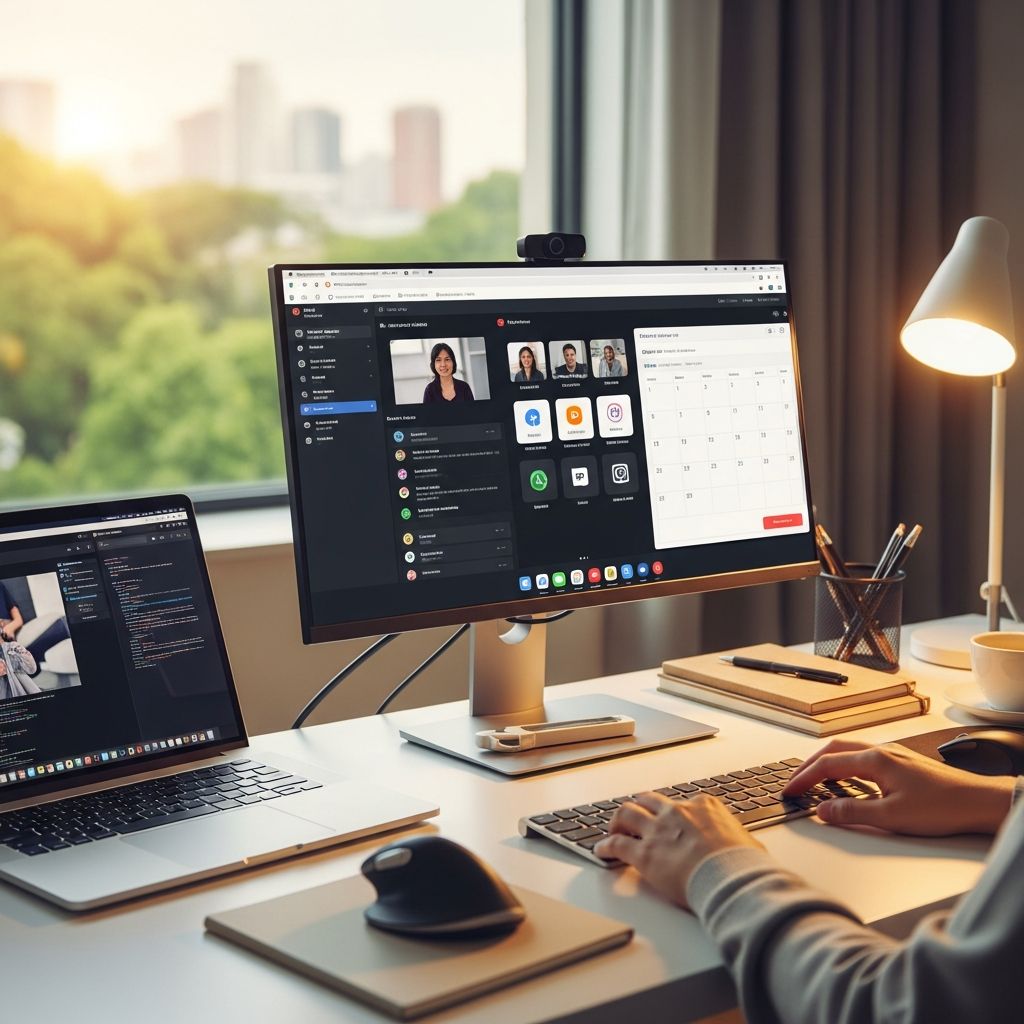
Remote work has become a cornerstone of modern professional life, offering flexibility but challenging traditional focus mechanisms. Success hinges on intentional habits that replicate office structure at home. This guide explores actionable strategies drawn from productivity research and expert insights to help you thrive in a distributed environment.
Building a Dedicated Workspace
A primary step in enhancing remote productivity involves creating a specific area solely for work. This separation signals to your brain that it’s time to switch into professional mode, minimizing mental transitions between personal and work activities.
Choose a quiet corner with natural light if possible, equipped with an ergonomic chair supporting proper posture to prevent strain during long hours. Invest in a desk at elbow height and position your monitor at eye level to reduce neck discomfort. Noise-cancelling headphones can block household sounds, while plants add a calming element without cluttering space.
- Ensure adequate lighting to combat eye fatigue.
- Keep the area organized with only essential items to avoid visual distractions.
- Test acoustics; use rugs or dividers if echoes persist.
Regularly declutter this zone to maintain its purpose-built feel, reinforcing boundaries that boost concentration spans significantly.
Establishing a Consistent Daily Routine
Mimicking an office schedule provides rhythm to your day, combating the blur between work and home life. Start by setting fixed start and end times, such as 8:30 AM to 5 PM, aligning with team hours for seamless collaboration.
Begin mornings with energizing rituals: a short workout like yoga or brisk walking releases endorphins, sharpening mental acuity. Follow with a nutritious breakfast—think oats with fruits or eggs—to stabilize blood sugar for sustained energy. Journaling three gratitudes or daily intentions sets a positive tone.
| Time Slot | Activity | Benefit |
|---|---|---|
| 7:00-7:30 AM | Exercise | Boosts energy and mood |
| 7:30-8:00 AM | Breakfast & Prep | Fuels focus |
| 8:30 AM Start | Task Review | Prioritizes day |
| 5:00 PM End | Shutdown Ritual | Protects boundaries |
End days with a shutdown routine: review accomplishments, plan tomorrow, and physically close your laptop. This prevents work from spilling into evenings, preserving mental recovery.
Goal Setting and Task Prioritization
Clear objectives drive purposeful action. Each evening, list 3-5 high-impact tasks for the next day, focusing on outcomes rather than busywork. Use the Eisenhower Matrix to categorize: urgent/important first.
Tools like Asana or simple notebooks track progress visually. Communicate priorities with managers via shared docs, ensuring alignment and early feedback loops. Break large projects into micro-tasks; completing one triggers dopamine, building momentum.
- Define SMART goals: Specific, Measurable, Achievable, Relevant, Time-bound.
- Limit daily priorities to avoid overwhelm.
- Weekly reviews adjust for shifting demands.
This method transforms vague to-dos into achievable wins, fostering motivation and a sense of control.
Leveraging Time Management Techniques
Structured approaches counter procrastination. The Pomodoro Technique—25 minutes focused work followed by 5-minute breaks—maintains peak concentration without fatigue. Time blocking assigns specific slots: 9-11 AM deep work, 11-11:15 email.
Apps like Toggl or RescueTime log hours, revealing patterns such as peak productivity mornings. For calls, track metrics to refine efficiency. Eat the frog by tackling hardest tasks first when willpower peaks.
Incorporate flexibility: buffer 15% of your day for surprises. These systems ensure progress amid home distractions.
Incorporating Breaks and Movement
Sustained focus demands recharge. Every 90 minutes, pause for 5-10 minutes: stretch, hydrate, or gaze outside to reset visually. Longer midday breaks for walks oxygenate the brain, enhancing creativity.
The 20-20-20 rule prevents screen strain: every 20 minutes, view 20 feet away for 20 seconds. Stand hourly, using desk converters for variety. Exercise integration—20-minute daily walks—slashes burnout risk while elevating output.
Minimizing Digital and Environmental Distractions
Home tempts with notifications and chores. Silence non-essential alerts during blocks; use site blockers for social media. Communicate ‘do not disturb’ hours to family via shared calendars.
Batch similar tasks: emails thrice daily. Dress in work attire to embody professionalism, signaling intent. Pet interactions? Schedule playtime outside work slots.
Fostering Team Connections Virtually
Isolation erodes morale. Weekly virtual coffee chats build rapport, sparking ideas. Hold open office hours for quick syncs. Use Slack for non-urgent updates, preserving deep work.
Empower async communication: shared docs reduce meetings. Celebrate wins in team channels to sustain culture.
Promoting Work-Life Balance
Boundaries prevent exhaustion. Log off promptly; pursue hobbies post-5 PM. Track hours to avoid overwork, using PTO intentionally.
Weekly audits balance obligations. Healthier habits—balanced meals, 7-8 hours sleep—amplify long-term productivity.
Utilizing Productivity Tools
Tech amplifies efficiency. Trello for Kanban visuals, Harvest for tracking, Forest app gamifies focus. Integrate calendars for holistic scheduling.
- Project management: Asana, Monday.com
- Time tracking: Toggl, Clockify
- Focus aids: Freedom, Focus@Will
Frequently Asked Questions (FAQs)
What is the best workspace setup for remote work?
A dedicated, ergonomic desk with good lighting, comfortable chair, and minimal distractions optimizes focus and health.
How often should I take breaks while working from home?
Every 25-90 minutes for 5-10 minutes sustains concentration and prevents burnout.
Can time tracking apps really improve productivity?
Yes, they reveal patterns and accountable habits, boosting output by 20-30% per studies.
How do I stay motivated without office structure?
Set clear goals, celebrate small wins, and connect regularly with team via virtual meets.
What role does exercise play in remote productivity?
Daily movement enhances energy, mood, and cognitive function, reducing fatigue.
References
- 24 Working From Home Tips to Drive Better Productivity — Nextiva. 2023-05-15. https://www.nextiva.com/blog/working-from-home-tips.html
- Boosting Remote Work Productivity: Insights, Statistics, and Effective Time Tracking Strategies — MyHours. 2024-02-20. https://myhours.com/articles/boosting-remote-work-productivity-insights-statistics-and-effective-time-tracking-strategies
- Be Productive at Home: 11 Tips to Promote Efficiency [2025] — Asana. 2025-01-10. https://asana.com/resources/how-to-be-productive-at-home
- 10 Tips for Staying Productive When Working From Home — Travelers Insurance. 2023-08-12. https://www.travelers.com/resources/home/working-remotely/10-tips-for-staying-productive-when-working-from-home
- Productivity Hacks That Ensure Work Doesn’t Take Over Your Life — The Everygirl. 2024-03-05. https://theeverygirl.com/productivity-hacks-work-from-home/

- Integrated M.A. in Applied Linguistics, University of Hyderabad
- 5+ years in editorial, instructional, SEO, and research-based writing
Sneha is a relationships and lifestyle writer with a strong foundation in applied linguistics and certified training in relationship coaching. She brings over five years of writing experience to theskillvault, crafting thoughtful, research-driven content that empowers readers to build healthier relationships, boost emotional well-being, and embrace holistic living. Her writing and insights reflect the belief that beauty, happiness, and wellness…