
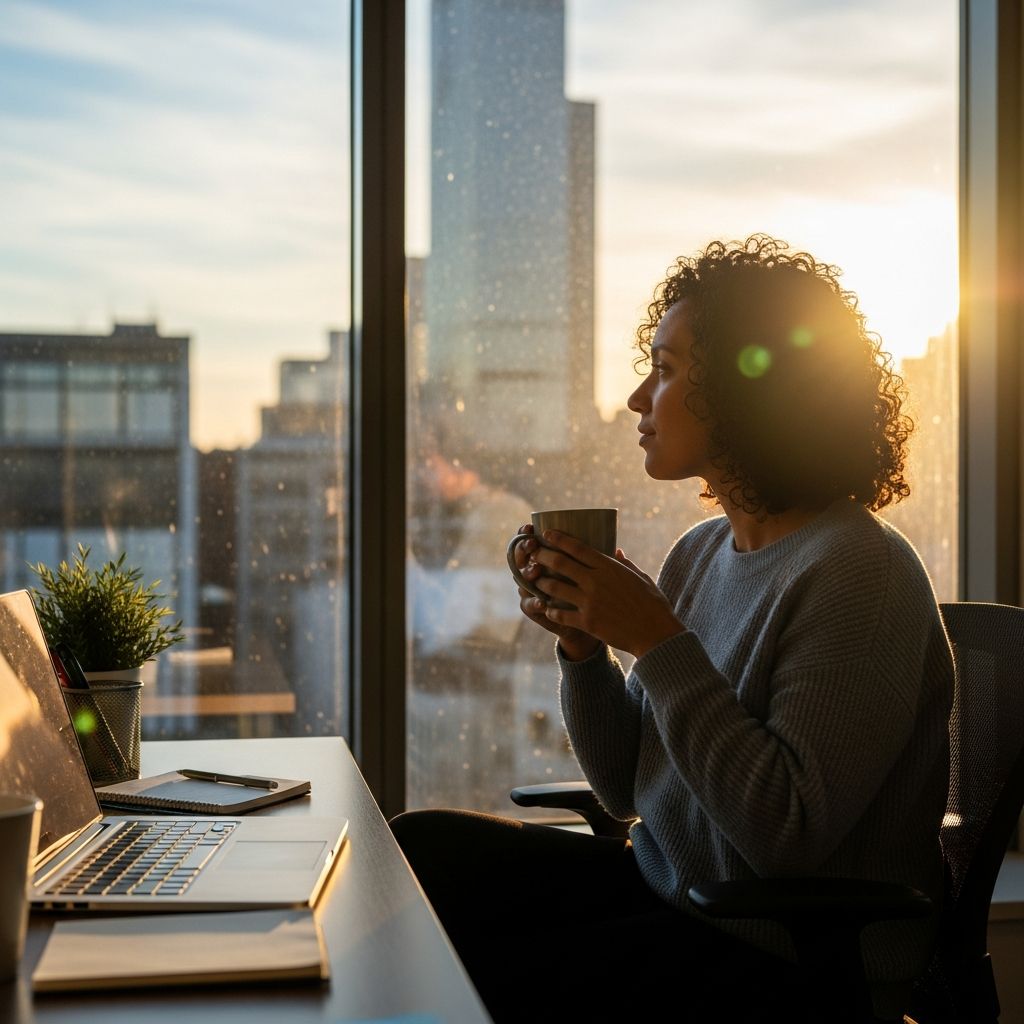
Understanding the Afternoon Energy Crisis
The mid-afternoon energy dip is a universal workplace experience that affects productivity, focus, and overall job satisfaction. This phenomenon isn’t a personal failing or lack of dedication—it’s a natural biological response rooted in your circadian rhythm and metabolic processes. When energy levels plummet around 2-3 PM, concentration becomes difficult, motivation wanes, and even simple tasks feel challenging. Understanding why this happens is the first step toward implementing effective countermeasures that can transform your workday.
The afternoon slump occurs due to several interconnected biological factors. Your body’s natural circadian rhythm creates a dip in alertness during early afternoon hours. Additionally, blood sugar fluctuations, particularly following lunch, can trigger fatigue. Cortisol levels, which naturally peak in the morning to promote alertness, begin declining as the day progresses. Furthermore, inadequate hydration, poor sleep quality, and prolonged sedentary work compound these biological tendencies, creating a perfect storm of fatigue that derails productivity.
Optimize Your Nutrition Foundation
What you eat directly influences your energy trajectory throughout the day. Strategic nutritional choices can either exacerbate or eliminate afternoon fatigue. The key lies in understanding how different foods affect blood sugar stability and sustained energy production.
Begin with a Protein-Rich Breakfast
Skipping breakfast sets the stage for afternoon energy crashes. A nutritious morning meal should emphasize protein, healthy fats, and complex carbohydrates rather than simple sugars. Foods high in sugar cause rapid blood glucose spikes followed by dramatic crashes, amplifying afternoon fatigue. Opt for combinations like eggs with whole grain toast, Greek yogurt with nuts, or oatmeal with seeds and berries. These options provide sustained energy that carries through mid-morning without triggering metabolic crashes.
Strategic Lunch Planning
Lunch composition significantly impacts afternoon alertness. Large, carbohydrate-heavy meals can increase serotonin production, which promotes relaxation and sleepiness. Instead, construct meals emphasizing protein and nutrient density while keeping portions moderate. Fish rich in omega-3 fatty acids, lean poultry, legumes, and vegetables provide sustained energy without inducing the post-lunch dip. Smaller portions perform better than large ones, reserving some food for mid-afternoon snacking rather than consuming everything at once.
Implement Strategic Snacking
Mid-afternoon snacks stabilize blood sugar and prevent energy crashes. Prioritize protein-rich options including nuts, seeds, Greek yogurt, hard-boiled eggs, and cheese. These foods provide sustained energy without the blood sugar volatility associated with processed snacks or sugar-laden options. Keeping healthy snacks readily available in your workspace removes barriers to making nutritious choices when fatigue tempts you toward convenient but energy-depleting alternatives.
Harness the Power of Physical Movement
Sedentary work creates a cascade of energy problems. Muscle engagement, cardiovascular stimulation, and metabolic activity all depend on regular movement. Physical activity is a scientifically proven antidote to mental fatigue.
Incorporate Microbreaks Throughout Your Day
Brief, intentional breaks from desk work—as little as 5-10 minutes—significantly reduce mental fatigue. These pauses allow your nervous system to reset through light stretching, deep breathing, or brief walks. Simple interventions like stepping away from your desk hourly, performing shoulder rolls and standing stretches, or practicing mindfulness for several minutes help employees return to tasks with renewed energy and focus. The key is consistency; regular microbreaks prevent fatigue accumulation more effectively than occasional extended breaks.
Embrace Movement Variety
Transform your workday through diverse movement options:
- Five-minute walking meetings instead of traditional seated gatherings
- Stair climbing instead of elevator use
- Desk yoga or guided stretching sequences
- Walking around office premises during breaks
- Simple exercises like neck rolls, shoulder shrugs, or leg extensions
- Mini-workouts incorporating jumping jacks or squats during breaks
Even minimal movement dramatically impacts circulation, increases alertness, and resets attention. Standing desks or laptop stands allow you to alternate between sitting and standing positions, engaging your muscles throughout the day.
Leverage Collaborative Activities
Solitary work intensifies afternoon slumps, while team activities enhance focus and boost energy. Scheduling collaborative tasks, brainstorming sessions, or group projects during vulnerable afternoon hours combats fatigue through social engagement and task variety, providing fresh perspectives that benefit independent work upon return.
Harness Environmental Factors
Maximize Natural Light Exposure
Sunlight profoundly influences your circadian rhythm and energy levels. Sitting in sunlight for several minutes sends powerful signals to your body that it’s daytime, not sleeping time. Eating lunch outside or in sunny indoor locations provides energy-boosting exposure to natural light. This environmental strategy triggers vitamin D production, supporting healthy bones and immune function while simultaneously combating afternoon fatigue.
Change Your Scenery
Working from the same location all day reinforces monotony and fatigue. Periodically moving to different environments—conference rooms, outdoor spaces, or alternative office areas—provides novelty that stimulates mental engagement and combats the drowsiness associated with static surroundings.
Prioritize Hydration and Stress Management
Maintain Consistent Hydration
Dehydration is frequently an overlooked cause of afternoon fatigue. Even mild dehydration impairs cognitive function and amplifies fatigue sensations. Keeping a water bottle nearby and regularly sipping throughout morning and afternoon hours maintains optimal hydration. Setting daily water consumption goals and rewarding achievement reinforces this habit. Herbal tea provides hydration with potential calming benefits.
Integrate Mindfulness and Stress Reduction
Stress elevates cortisol levels, which when dysregulated, contributes to afternoon fatigue. Practicing yoga or mindfulness meditation offers benefits for executive function and mood. When facing demanding projects or high-pressure workloads, taking quick yoga flows or meditation sessions provides stress relief that paradoxically increases productivity. Alternative mindfulness activities include doodling, journaling, or outdoor time, all providing nervous system regulation and stress reduction.
Establish Foundational Sleep Practices
Sleep quality forms the bedrock of daytime energy. Without adequate sleep, no afternoon strategy fully compensates. Research underscores the critical link between sleep and brain function, affecting learning, memory formation, concentration, and response time.
Establish Consistent Sleep Architecture
Keeping consistent sleep and wake times, even on weekends, regulates your circadian rhythm and improves sleep quality. Aiming for 7-9 hours nightly—or at minimum, sufficient sleep to feel energized during the day—provides the foundation for sustained daytime alertness.
Optimize Sleep Environment and Habits
Limiting screen time before bed reduces blue light exposure that disrupts melatonin production. Avoiding caffeine in late afternoon and evening prevents sleep interference. These seemingly minor modifications dramatically improve sleep quality, preventing the energy deficits that manifest as afternoon fatigue.
Practical Implementation Framework
Implementing these strategies requires intentional planning rather than hoping fatigue magically disappears. Consider this practical approach:
| Time of Day | Strategic Action | Primary Benefit |
|---|---|---|
| Morning | Protein-rich breakfast; 10+ minutes activity | Blood sugar stability; circulation boost |
| Late Morning | Microbreak with stretching; hydration | Mental reset; sustained alertness |
| Lunch | Protein-focused meal; outdoor location if possible | Natural light exposure; sustained energy |
| Early Afternoon | 5-minute walk; collaborative activity scheduling | Fatigue prevention; engagement boost |
| Mid-Afternoon | Protein snack; mindfulness or stretching | Blood sugar stabilization; stress relief |
| Evening | Limited screens; consistent sleep time | Sleep quality improvement; next-day readiness |
Building Organizational Support
Individual strategies work better within supportive workplace environments. Organizations can create slump-resistant cultures through thoughtful wellness initiatives including break rooms stocked with healthy energizing snacks, company-wide cultures embracing short regular breaks, flexible meeting times avoiding post-lunch hours, and encouragement for physical movement during the day. These systemic changes prevent burnout, improve morale, and maintain office energy from morning through afternoon.
Frequently Asked Questions
Q: Why does the afternoon slump happen around 2-3 PM specifically?
A: The afternoon dip aligns with your circadian rhythm, which naturally creates lower alertness during early afternoon hours. This timing coincides with post-lunch digestion, blood sugar fluctuations, and declining cortisol levels that naturally decrease as day progresses.
Q: Can caffeine help overcome afternoon fatigue?
A: While caffeine provides temporary alertness, relying on it can disrupt sleep quality and create dependency cycles. Instead, addressing underlying factors through movement, nutrition, hydration, and light exposure creates sustainable energy without sleep-disrupting side effects.
Q: How long does it take to see results from these strategies?
A: Physical movement and hydration provide immediate effects within days. Sleep optimization typically requires 1-2 weeks to show full impact as your circadian rhythm adjusts to consistent patterns.
Q: What’s the most important strategy if I can only implement one?
A: Prioritize sleep optimization, as inadequate sleep undermines all other strategies. Without foundational rest, no afternoon intervention fully compensates.
Q: Can I overcome afternoon fatigue without exercise?
A: Movement is scientifically proven to combat fatigue, but minimal activity suffices. Even brief walks, stretching, or standing position changes provide measurable benefits.
Moving Forward
The afternoon slump need not derail your momentum or productivity. By understanding the biological foundations of fatigue and implementing practical strategies—from optimized nutrition and strategic movement to prioritized sleep and environmental adjustments—you create sustainable energy throughout your workday. These approaches work synergistically; combining multiple strategies produces superior results to any single intervention. Begin with changes requiring minimal effort, build consistency, and progressively incorporate additional strategies. Your afternoon energy, focus, and work quality will reflect these intentional investments in workplace wellness.
References
- Beat the 2 p.m. Slump at Work: 4 Strategies for a Healthy Afternoon — Fruit Guys. 2024. https://fruitguys.com/blog/beat-the-2-p-m-slump-at-work-4-strategies-for-a-healthy-afternoon/
- Beat The Afternoon Blues: Tips for Productivity in the Workplace — Klemchuk LLP. 2023. https://www.klemchuk.com/ideate/beat-afternoon-blues-tips-productivity-in-workplace
- Combat the Afternoon Slump at Work — Emergen-C. 2024. https://www.emergenc.com/newsroom/combat-the-afternoon-slump-at-work/
- 12 Ways To Overcome the Afternoon Slump and Regain Energy — Indeed Career Advice. 2024. https://www.indeed.com/career-advice/career-development/afternoon-slump
- 20 Ways to Handle the Afternoon Slump — FacileThings. 2023. https://facilethings.com/blog/en/20-ways-to-handle-the-afternoon-slump
- Conquer the Afternoon Slump: Energy-Boosting Productivity Tips — Calendar.com. 2024. https://www.calendar.com/blog/conquer-the-afternoon-slump-energy-boosting-productivity-tips/
- Feeling Drowsy? How To Overcome The Midday Slump — Henry Ford Health System. 2022. https://www.henryford.com/Blog/2022/04/Feeling-drowsy-How-to-overcome-the-midday-slump

- Integrated M.A. in Applied Linguistics, University of Hyderabad
- 5+ years in editorial, instructional, SEO, and research-based writing
Sneha is a relationships and lifestyle writer with a strong foundation in applied linguistics and certified training in relationship coaching. She brings over five years of writing experience to theskillvault, crafting thoughtful, research-driven content that empowers readers to build healthier relationships, boost emotional well-being, and embrace holistic living. Her writing and insights reflect the belief that beauty, happiness, and wellness…