
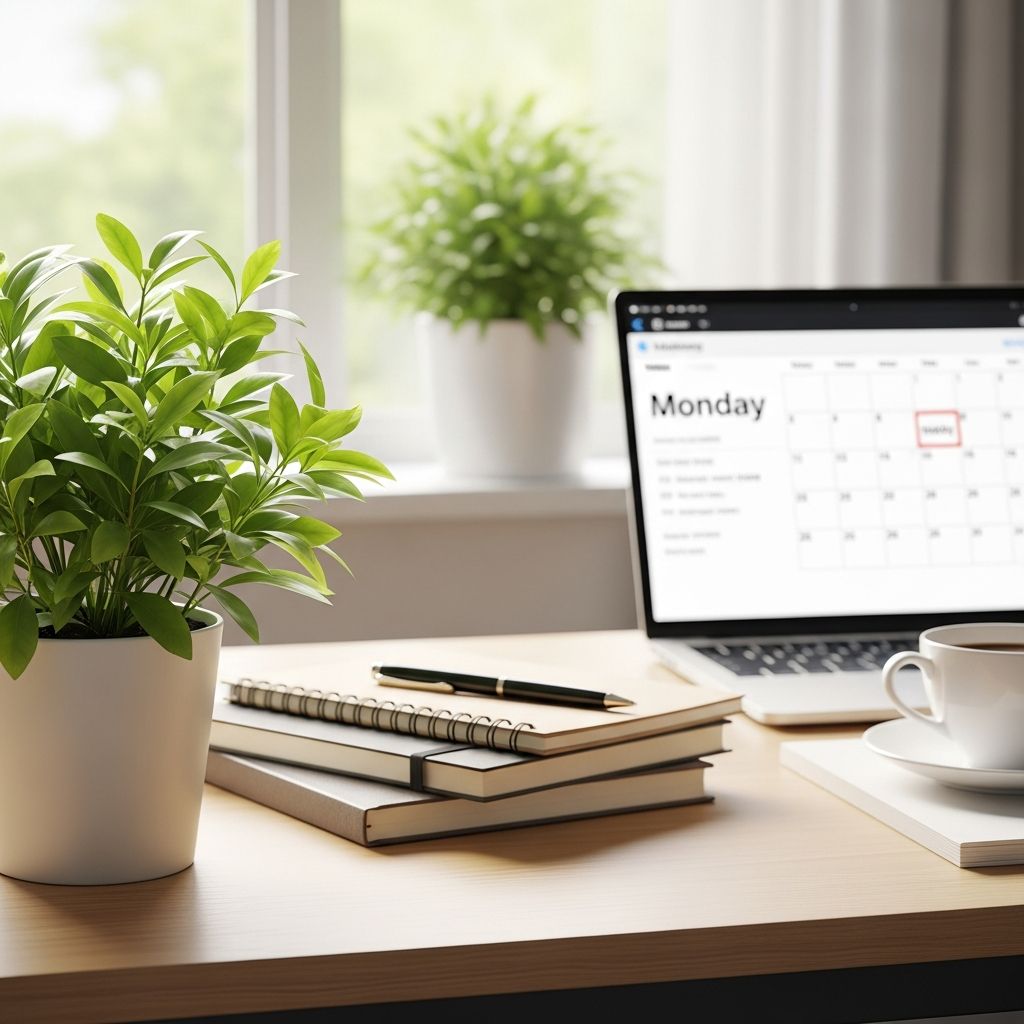
The transition from weekend relaxation to Monday morning work obligations represents one of the most significant psychological shifts in our weekly routines. For millions of professionals across industries, the arrival of Monday carries an unexpected weight—a combination of mental fatigue, disrupted sleep patterns, and the psychological burden of returning to work responsibilities. This phenomenon, commonly termed the “Monday blues,” affects not only individual employees but also influences organizational productivity, team morale, and workplace culture. Understanding the root causes and implementing targeted solutions can fundamentally transform how we experience the beginning of our work weeks.
Understanding the Roots of Monday Morning Fatigue
The Monday blues phenomenon stems from multiple interconnected factors that disrupt our physical and mental equilibrium. During weekends, many individuals significantly alter their sleep schedules, staying up later on Friday and Saturday nights before oversleeping on Sunday mornings. This inconsistency creates what researchers refer to as “social jetlag,” a condition where the body struggles to synchronize with Monday’s earlier wake-up time. The biological clock, which thrives on consistency, becomes misaligned, resulting in grogginess and reduced cognitive function throughout the morning.
Beyond sleep disruption, the psychological contrast between weekend freedom and workplace obligations creates an emotional adjustment challenge. The mind experiences a shift from autonomous decision-making and leisure activities to structured schedules and external deadlines. Additionally, accumulated work tasks awaiting attention on Monday mornings amplify anxiety, particularly when individuals fail to properly wrap up projects before the weekend.
Strategic Weekend Planning as a Foundation
One of the most effective yet often-overlooked approaches involves transforming Sunday into a preparation day rather than viewing it purely as part of the weekend. Rather than extending the leisure mindset throughout Sunday evening, individuals who adopt a “soft launch” strategy mentally transition toward the week ahead. This includes practical actions such as:
- Reviewing the week’s priorities and creating a comprehensive task list
- Preparing work clothing and materials in advance
- Planning meals to reduce decision-making burden on weekday mornings
- Establishing a consistent bedtime to align sleep patterns with Monday’s schedule
These seemingly small actions reduce cognitive load and anxiety by eliminating last-minute rushing and decision fatigue on Monday morning. When individuals arrive at work with a clear understanding of their priorities and with physical preparations already completed, they experience greater control and confidence.
Similarly, completing unfinished work tasks before leaving the office on Friday eliminates the anxious anticipation of Monday morning. When employees can fully disconnect from work during the weekend without worrying about pending deliverables or unresolved issues, they return Monday morning with genuine mental rest rather than simmering stress.
Physical Wellness as a Cornerstone Strategy
The connection between physical activity and mental resilience proves particularly significant for Monday motivation. Research demonstrates that individuals who engage in exercise before work report substantially improved energy levels, enhanced mood regulation, and better focus throughout the day. Morning physical activity serves multiple functions simultaneously—it synchronizes the body clock after weekend disruption, releases endorphins that elevate mood, and creates a sense of accomplishment before the workday begins.
Exercise need not involve intense gym sessions; even moderate activities such as brisk walking, yoga, or cycling provide measurable benefits. The key involves consistency and timing—engaging in movement early in the morning allows its positive effects to carry throughout the day’s work hours.
Sleep quality and consistency throughout the week including weekends represents another fundamental component of Monday wellness. Organizations can support this by distributing educational materials about sleep hygiene and potentially implementing optional sleep-tracking programs that incentivize well-rested employees. When the body maintains a consistent sleep schedule—including weekends—the biological stress response diminishes, and the transition to Monday becomes less jarring.
Psychological Reframing and Mindfulness Approaches
Mental preparation techniques can substantially shift the emotional experience of Monday mornings. Mindfulness practices, including meditation, deep breathing exercises, and gratitude journaling, activate parasympathetic nervous system responses that counteract stress. Individuals who spend even five to ten minutes on Monday morning practicing mindfulness report reduced anxiety and improved emotional regulation throughout the day.
Another powerful approach involves breaking the cycle of overthinking. Instead of mentally rehearsing all upcoming tasks—which amplifies anxiety—taking immediate action on the first priority creates momentum and psychological clarity. This aligns with established productivity research indicating that action resolves uncertainty far more effectively than contemplation.
Creating a deliberate perspective shift about Mondays transforms their meaning. Rather than viewing Monday as an obstacle or burden, reframing it as an opportunity for fresh starts, renewed focus, and weekly accomplishment gradually reshapes the automatic negative emotional response.
Sensory and Environmental Optimization
The immediate work environment and sensory experience significantly influence Monday mood and productivity. Selecting clothing that enhances confidence and self-perception sets a positive tone before the workday begins. Similarly, curating a playlist of uplifting, energetic music creates an audio environment that directly influences mood and reduces perceived stress. Music’s capacity to elevate emotional states represents an underutilized tool for Monday morning preparation.
Workplace managers can optimize the physical Monday morning environment by providing welcoming elements such as quality coffee service or breakfast options that signal care and positive anticipation for the workweek. These small gestures, though simple, communicate that the organization values employee wellbeing beyond pure productivity metrics.
Social Connection and Interpersonal Dynamics
Brief, positive interactions with colleagues create disproportionate impacts on Monday morale and job satisfaction. Organizations that cultivate micro-moments of genuine connection—such as informal greetings, shared treats, or small acts of kindness—establish a workplace culture where Monday feels less isolating. A simple gesture such as bringing an extra coffee for a colleague or initiating a friendly conversation about weekend activities strengthens social bonds and creates positive associations with the workplace.
Managers play a crucial role in establishing these patterns by demonstrating authentic interest in employees’ wellbeing and weekend experiences. This authenticity cannot be performative; employees recognize and respond to genuine care versus forced enthusiasm.
Organizational and Structural Approaches
Beyond individual strategies, organizations can implement structural changes that directly address Monday challenges. Scheduling special team-building activities, appreciation events, or casual workplace perks for Mondays rather than end-of-week creates positive anticipation for the beginning of the work week rather than leaving it as a purely obligation-focused day. Monday pizza parties, casual dress days, or other morale-boosting activities provide momentum that carries throughout the week.
Eliminating first-thing Monday morning meetings represents another practical organizational intervention. Allowing employees time to settle into their work, review priorities, and build momentum before structured meetings dramatically improves receptiveness and participation quality. If meetings are necessary, keeping them brief—such as short standup gatherings where employees share one positive weekend experience and one week-ahead focus—maintains connection without derailing momentum.
Alternative work schedule arrangements, including flexible Monday start times, early dismissal options, or periodic remote work opportunities, provide practical relief that reduces Sunday night anxiety and Monday morning stress. These arrangements demonstrate organizational flexibility and respect for individual needs while maintaining productivity expectations.
Evening Activities and Future Anticipation
The psychological principle of anticipation—looking forward to pleasurable events—engages dopamine pathways that enhance mood and resilience. Planning enjoyable Monday evening activities, whether attending a fitness class, meeting a friend for dinner, or engaging in a cherished hobby, provides a psychological finish line that makes the workday more manageable. This differs from weekend planning because it specifically interrupts the Monday-to-Friday monotony with something distinctly positive.
Similarly, engaging with leisure activities that bring genuine joy during the weekend—rather than purely passive consumption—provides more substantial mental restoration and creates stronger psychological separation between work and personal time.
Feedback, Communication, and Organizational Culture
Managers seeking to address Monday blues within their teams should actively solicit feedback about underlying concerns. Persistent Monday morning challenges often signal deeper workplace issues such as unrealistic workload distribution, lack of role clarity, misalignment between employee values and organizational culture, or insufficient support systems. Comprehensive feedback mechanisms, such as structured surveys or informal one-on-one conversations, reveal these underlying factors and provide data for targeted interventions.
When managers demonstrate genuine interest in understanding employee concerns and actively address identified issues, the resulting sense of being heard and valued substantially improves Monday morale. This communication-based approach addresses root causes rather than merely treating symptoms.
Creating a Personal Monday Morning Ritual
Establishing a consistent personal ritual for Monday mornings creates psychological anchoring and signals to your brain that you are entering a new week with intention. This ritual might include brewing a special coffee, reading an inspiring passage, reviewing personal goals, or completing a brief mindfulness practice. The specific content matters less than the consistency and intentionality—these rituals train the mind to transition into work mode with purpose rather than begrudging obligation.
Frequently Asked Questions
Q: How long does it typically take to adjust to a Monday routine after implementing these strategies?
A: Most individuals report noticeable improvements within two to three weeks of consistent implementation. Significant behavioral and emotional shifts typically require four to six weeks as new patterns become neurologically integrated. Consistency matters more than perfection—occasional lapses do not eliminate cumulative benefits.
Q: Can these strategies work equally well for remote workers?
A: Yes, most strategies apply directly to remote workers. In fact, remote workers may benefit particularly from conscious transition rituals, movement breaks, and structured scheduling since they lack the built-in environmental cues of commuting to an office.
Q: What if my workplace culture doesn’t support manager-initiated changes?
A: Focus on individual strategies within your direct control—sleep consistency, pre-work exercise, mindfulness practices, and personal rituals. These require no organizational cooperation and produce measurable personal benefits regardless of broader workplace culture.
Q: Is Monday blues a sign that I’m in the wrong job?
A: Not necessarily. Most professionals experience some Monday adjustment, particularly if organizational factors or weekend sleep disruption contribute. However, if Monday blues feel severe despite implementing multiple strategies, this may indicate role misalignment or workplace toxicity warranting deeper evaluation.
Q: How can I implement these strategies with an unpredictable work schedule?
A: Focus on the variables you can control—sleep consistency around your schedule, physical activity regardless of timing, and psychological practices independent of work structure. Communicate with management about potential schedule predictability improvements.
References
- How to Overcome Moody Mondays in the Workplace — Stang Data Systems. January 2024. https://www.stangds.com/blog/how-to-overcome-moody-mondays-in-the-workplace/
- Avoiding the Monday Morning Blues: A Guide for Employers — Indeed. 2023. https://www.indeed.com/hire/c/info/monday-blues
- 11 Ways To Beat The Monday Blues Effectively — Fedhealth. 2024. https://www.fedhealth.co.za/articles/conquering-monday-blues/
- Mastering Mondays: 3 Steps for Crushing Monday Morning Blues — Workplaces.org. 2023. https://workplaces.org/articles/mastering-mondays-3-steps-for-crushing-monday-morning-blues
- 8 Ways to Beat the Monday Blues and Have a Better Workweek — Calm. 2024. https://www.calm.com/blog/monday-blues

- Integrated M.A. in Applied Linguistics, University of Hyderabad
- 5+ years in editorial, instructional, SEO, and research-based writing
Sneha is a relationships and lifestyle writer with a strong foundation in applied linguistics and certified training in relationship coaching. She brings over five years of writing experience to theskillvault, crafting thoughtful, research-driven content that empowers readers to build healthier relationships, boost emotional well-being, and embrace holistic living. Her writing and insights reflect the belief that beauty, happiness, and wellness…