
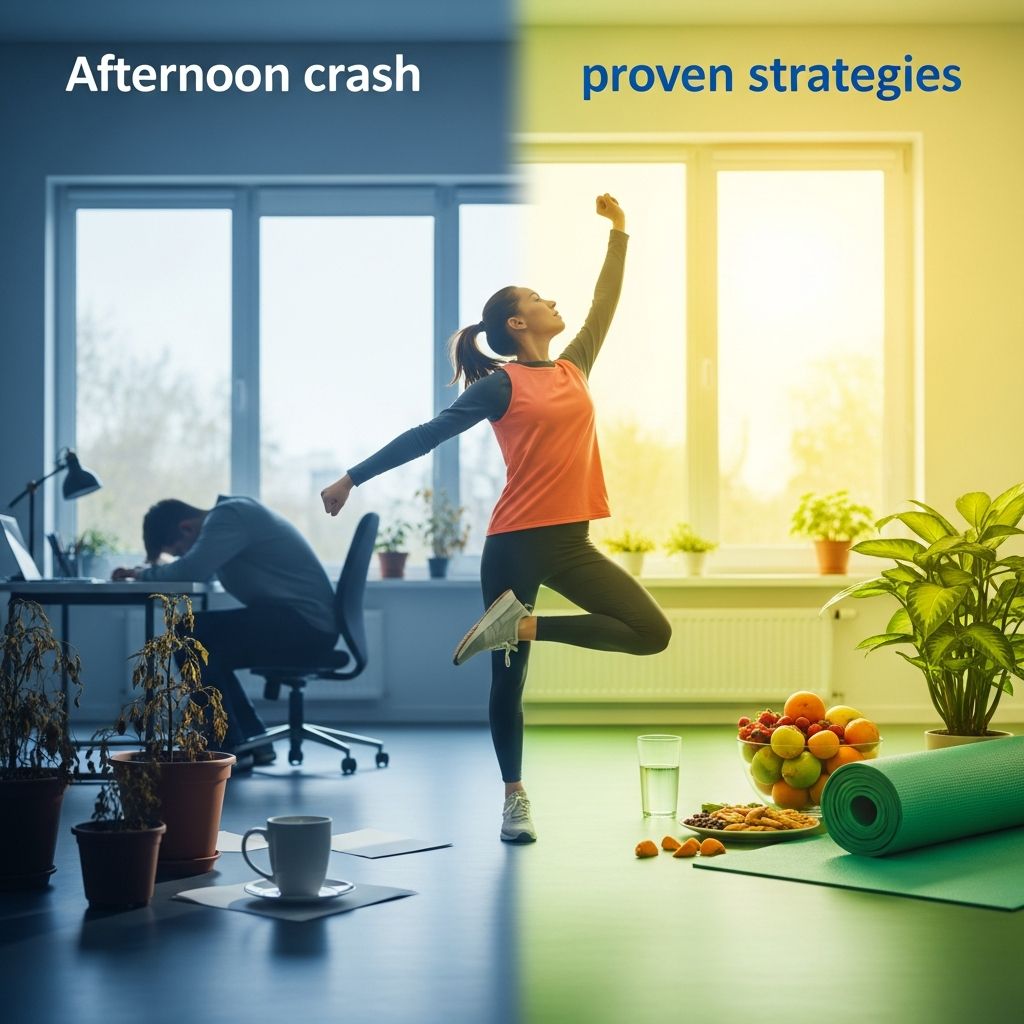
The afternoon energy crash, often called the post-lunch dip, affects nearly everyone. Around 1-3 PM, alertness naturally wanes due to circadian rhythms, where core body temperature drops slightly, signaling rest. This post-lunch slump can derail productivity, but simple, evidence-based adjustments to diet, movement, light exposure, and habits can counteract it effectively.
Understanding Your Body’s Natural Rhythm
Human circadian rhythms follow a roughly 24-hour cycle influenced by light, meals, and sleep. Post-lunch, adenosine—a sleep-promoting chemical—builds up, compounded by digestion diverting blood flow to the gut. Studies from the National Sleep Foundation highlight how this dip peaks in early afternoon, reducing cognitive performance by up to 20% in some cases. Recognizing this as biological, not laziness, empowers targeted fixes.
Factors like poor sleep or heavy lunches amplify it. Prioritizing consistent sleep—7-9 hours nightly—sets a strong foundation. Irregular schedules disrupt melatonin and cortisol balance, worsening slumps.
Optimize Your Meals for Steady Energy
Food choices dictate energy stability. Heavy, carb-laden lunches spike blood sugar then crash it, inducing drowsiness. Opt for balanced plates with lean proteins, healthy fats, fiber-rich veggies, and complex carbs.
- Proteins: Eggs, turkey, salmon, nuts—sustain energy via amino acids.
- Fats: Avocado, nuts—slow digestion for even release.
- Complex carbs: Quinoa, sweet potatoes—avoid simple sugar pitfalls.
- Veggies: Leafy greens, broccoli—add fiber without bulk.
Aim for moderate portions; overeating burdens digestion. Breakfast matters too: protein-rich starts (e.g., yogurt with berries) regulate levels all day. Snacks like apples, dark chocolate, or almonds provide flavonoids for alertness without crashes.
| Meal Type | Good Choices | Avoid | Energy Impact |
|---|---|---|---|
| Lunch | Grilled chicken salad with quinoa | Pasta with creamy sauce | Steady vs. Crash |
| Snack | Almonds + apple | Candy bar | Sustained vs. Spike |
| Breakfast | Oatmeal with nuts | Sugary cereal | Balanced vs. Dip |
Hydrate Relentlessly to Stay Sharp
Dehydration mimics fatigue: even 1-2% fluid loss impairs focus. Post-meal, drink water—aim for 8-16 oz. Infuse with lemon or cucumber for appeal. Green tea offers mild caffeine plus L-theanine for calm alertness, sans jitters.
Track intake: 2-3 liters daily, more if active. Thirst lags behind need, so sip proactively. This combats the slump’s fog, as hydration supports oxygen delivery to the brain.
Incorporate Movement to Revitalize
Sedentary hours stagnate blood flow. A 10-15 minute walk post-lunch boosts endorphins, aids digestion, and counters adenosine. Outdoor strolls add sunlight, suppressing melatonin.
- Office laps or stairs.
- Standing desk shifts—studies show 53% call success gains.
- Quick exercises: squats, stretches, jumping jacks.
Even desk rearrangements refresh mentally, reducing clutter-induced drain. Micro-breaks every 20 minutes (20-second eye rest at 20 feet) prevent screen fatigue.
Harness Light and Air for Alertness
Natural light regulates circadian cues, boosting serotonin. Open blinds or step outside 5-10 minutes. Fresh air oxygenates, clearing mental haze. Scents like peppermint invigorate via olfactory stimulation.
If indoors, position near windows. Dynamic lighting mimicking daylight enhances focus, per workplace studies.
Master Short Rests Without Grogginess
A 10-20 minute power nap recharges without deep sleep inertia. Time it to your dip; set alarms. Pre-nap caffeine (napuccino) peaks upon waking for synergy.
Post-nap: stretch, hydrate, move. NASA research confirms 26-minute naps improve pilot performance 34%. Avoid longer than 30 minutes to bypass grogginess.
Time Management Techniques for Flow
Pomodoro Technique combats overwhelm: 25 minutes focused work, 5-minute break. Use breaks for eye rests, breaths, chats, or meditation. This aligns with 90-120 minute ultradian cycles, sustaining energy.
Batch tasks; tackle high-cognitive tasks pre-dip. Laughter breaks—funny videos or stories—release dopamine, slashing stress.
Caffeine and Snacks: Smart Use Only
Limit post-lunch caffeine to one cup before 2 PM; later disrupts sleep. Pair with L-theanine-rich sources like green tea. Snacks: flavonoid-packed berries, dark chocolate for antioxidants.
Avoid sugar traps; choose nuts or yogurt for steady fuel.
Frequently Asked Questions (FAQs)
What causes the post-lunch energy dip?
Circadian lows, digestion, adenosine buildup, and poor habits like dehydration or heavy meals trigger it.
How long should a power nap be?
10-20 minutes to refresh without sleep inertia.
Is coffee helpful after lunch?
One cup early afternoon yes; excess leads to crashes and sleep issues.
Can standing desks really help?
Yes, they increase alertness and productivity, per call center studies.
What snacks fight the slump best?
Protein-fat combos like nuts, cheese, or fruit with nut butter.
Build Long-Term Resilience
Sustainable habits trump quick fixes. Consistent sleep, exercise, and nutrition build dip resistance. Track patterns via journals or apps to personalize. Workplaces benefit from supportive policies like break encouragement.
Integrate these: balanced lunch, walk, hydrate, Pomodoro, light exposure. Cumulative effects yield all-day vigor, enhancing output and well-being.
References
- 7 Ways To Power Through The Post-Lunch Slump — Public Service Division, Singapore. 2023-05-16. https://psdchallenge.psd.gov.sg/ideas/work-better/7-ways-to-power-through-the-post-lunch-slump
- How to Avoid the Post-Lunch Crash and Stay Energised at Work — Retail Focus. Accessed 2026. https://retail-focus.co.uk/how-to-avoid-the-post-lunch-crash-and-stay-energised-at-work/
- Feeling Drowsy? How To Overcome The Midday Slump — Henry Ford Health. 2022-04-01. https://www.henryford.com/Blog/2022/04/Feeling-drowsy-How-to-overcome-the-midday-slump
- Avoid the Afternoon Dip: 15 Tips to Stay Productive and Energized — Rise Science. Accessed 2026. https://www.risescience.com/blog/how-to-beat-the-afternoon-slump
- 7 Tips to Boost Afternoon Productivity in the Workplace — Office Principles. Accessed 2026. https://officeprinciples.com/insights/7-tips-to-boost-afternoon-productivity

- Integrated M.A. in Applied Linguistics, University of Hyderabad
- 5+ years in editorial, instructional, SEO, and research-based writing
Sneha is a relationships and lifestyle writer with a strong foundation in applied linguistics and certified training in relationship coaching. She brings over five years of writing experience to theskillvault, crafting thoughtful, research-driven content that empowers readers to build healthier relationships, boost emotional well-being, and embrace holistic living. Her writing and insights reflect the belief that beauty, happiness, and wellness…