
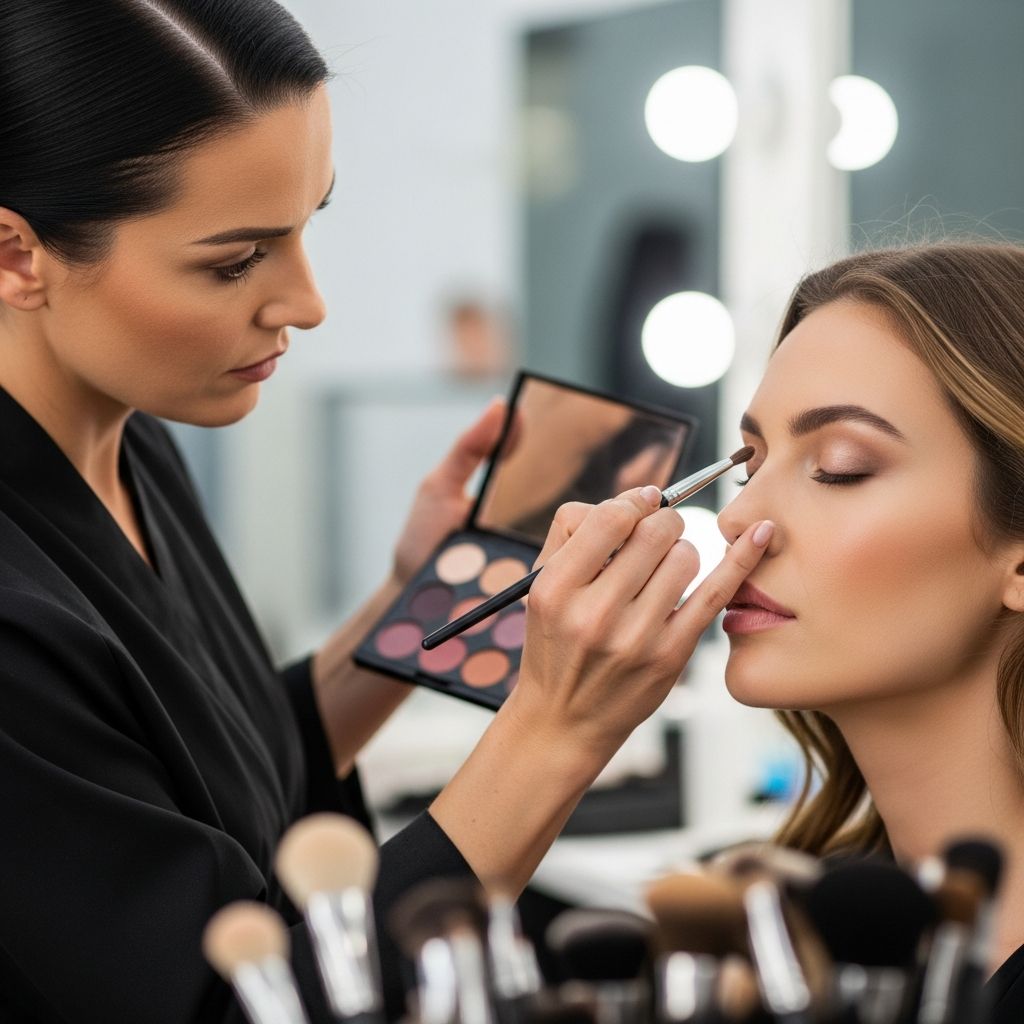
The title of freelance celebrity makeup artist sounds glamorous, but behind the red carpets and magazine covers is a demanding, highly disciplined career built on years of practice, reputation, and resilience. Inspired by the story of a top Hollywood makeup artist, this guide explores what this path really looks like and what it takes to sustain it over time.
From Curiosity to Career: How a Makeup Artist Is Formed
Most successful makeup artists do not arrive in the industry fully formed. Their journey usually starts with a blend of curiosity, experimentation, and a strong pull toward visual expression. Over time, that interest becomes a craft, and the craft becomes a career.
Common early influences include:
- Childhood experimentation with makeup, colors, and costumes.
- Interest in art and fashion, such as sketching faces, studying magazine editorials, or following designers.
- Theater or performance, where makeup helps create characters and tell stories.
- Admiration of iconic looks seen in film, music videos, or runway shows.
As that interest deepens, many aspiring artists seek more formal training. Cosmetology and esthetics programs provide structured education in skin care, sanitation, color theory, and application techniques that are foundational for professional work.
Typical Early Steps in a Makeup Artist’s Path
- Practicing on friends, family, and themselves to build confidence and dexterity.
- Assisting experienced artists on smaller shoots or local events.
- Working at cosmetic counters to gain client-facing experience and product knowledge.
- Taking specialized workshops in fashion, film, or special effects makeup.
These early experiences rarely pay well. What they provide instead is exposure, mentorship, and a chance to see how professionals operate on real jobs.
The Freelance Reality: Independence with Uncertainty
A freelance makeup artist is an independent professional who works project to project, often juggling multiple clients, locations, and schedules rather than holding a single full-time job. For artists who work with high-profile actors or musicians, the stakes can be higher, but the underlying freelance dynamics are similar.
Key Characteristics of Freelance Makeup Work
- No guaranteed salary: Income fluctuates month to month based on bookings.
- Project-based pay: Work is tied to specific events, films, campaigns, or press tours.
- Variable hours: Days can start before sunrise and end long after midnight.
- Self-employment responsibilities: Taxes, insurance, contracts, and business expenses all fall on the artist.
For celebrity artists, freelance life may also involve:
- Travelling on location for film sets or promotional tours.
- Being on call during awards season or press runs.
- Maintaining discretion and professionalism around public figures.
Training, Licensing, and Professional Standards
Depending on where an artist works and the types of clients they serve, the legal and educational expectations differ. There is no single universal route, but there are clear professional standards.
| Aspect | Typical Options or Requirements |
|---|---|
| Education | Cosmetology or esthetics programs, focused makeup academies, theater makeup courses, or self-directed learning with strong practice. |
| Licensing | Some states require a cosmetology or esthetics license to work with the general public (e.g., brides, salon clients), while media and entertainment work may not always require a license. |
| Core Competencies | Sanitation, skin analysis, color theory, product knowledge, application techniques for different media and lighting. |
| Ongoing Learning | Staying updated on products, ingredients, new techniques, and trends, plus continuing education for license renewal in some regions. |
While regulations vary, hygiene and safety are non-negotiable. Proper disinfection of tools, awareness of skin conditions, and safe product use are essential to protect clients and maintain trust.
Building a Career in the Spotlight
Reaching the level where celebrities, stylists, and studios request an artist by name is rarely about one big break. It is more often the result of consistent work, strong relationships, and a clear professional identity.
How High-Profile Careers Often Evolve
- Starting in retail or salons: Gaining hands-on experience with everyday clients and diverse skin tones.
- Assisting on sets: Learning how to work with cameras, lighting, and production timelines.
- Networking with stylists and photographers: Collaborating on editorial shoots and testing.
- Landing a recurring client: Becoming the go-to artist for an actor, musician, or influencer.
- Expanding into press and campaigns: Doing looks for magazine covers, premieres, or ad shoots.
Over time, an artist’s name becomes associated with a certain aesthetic—fresh and natural, bold and experimental, glamorous and polished—which attracts clients who resonate with that style.
What a Working Day Can Really Look Like
The daily rhythm of a freelance celebrity makeup artist shifts constantly based on projects. However, some patterns are common.
On-Set or Event Day
- Very early call times: Arriving before the client to set up kit, check lighting conditions, and coordinate with hair and wardrobe.
- Initial consultation: Reviewing the brief, outfit, and reference images to lock in a direction.
- Application and adjustments: Creating the look, then refining it as lighting, camera tests, or creative direction evolve.
- On-going maintenance: Staying nearby to blot shine, refresh lips, or adjust for changes in weather or lighting.
- End-of-day breakdown: Removing products if needed, cleaning brushes, organizing kit, and preparing for the next job.
Non-Working or “Admin” Day
- Answering emails, confirming bookings, and coordinating schedules.
- Ordering supplies and replenishing kit essentials.
- Editing and organizing images for portfolio and social media.
- Sending invoices, tracking payments, and managing taxes.
Even when there is no set or red carpet scheduled, freelance artists are typically tending to the business side of their careers.
The Emotional Side: Pressure, Rejection, and Resilience
Working with public figures brings visibility but also pressure. Makeup is often the final step before a client faces cameras, reporters, or thousands of fans. The artist must deliver under tight timelines, changing directions, and high expectations.
Common Emotional Challenges
- Perfectionism: Feeling responsible for every visible detail in photos and video.
- Inconsistent work: Busy award seasons contrasted with slower months.
- Comparison: Seeing other artists’ work constantly on social media.
- Rejection or replacement: Clients may change direction, try new artists, or rotate teams.
Artists who sustain long careers often develop personal practices that support emotional stability: exercise, creative projects outside of work, and strong relationships away from industry dynamics.
Core Skills Beyond the Brush
Technical skill is only part of what makes a celebrity makeup artist successful. Soft skills and business capabilities often determine who builds a lasting career.
Interpersonal and Creative Skills
- Communication: Translating a vague mood (“fresh,” “edgy,” “elegant”) into practical makeup choices and checking in throughout the process.
- Emotional intelligence: Reading a client’s mood and adjusting conversation, energy, and pace.
- Collaboration: Working with hair, styling, photography, and production to create a cohesive final image.
- Creativity under constraints: Achieving impactful looks with limited time, specific products, or strict brand guidelines.
Business and Career Skills
- Time management: Estimating how long each part of the look takes and building in buffer time.
- Pricing and negotiation: Understanding market rates, overtime, and usage fees.
- Brand building: Presenting a consistent visual and professional identity across social media and portfolios.
- Record keeping: Tracking expenses, bookings, and contracts as a self-employed professional.
Tools of the Trade: The Professional Makeup Kit
A professional kit is both an artist’s toolbox and calling card. For celebrity work, it must be prepared for almost any request, skin tone, or condition.
- Skin preparation: Cleansers, toners, moisturizers, and primers for a range of skin types.
- Complexion products: Multiple foundation shades, adjusters, concealers, and setting powders for photo and film.
- Eye and brow products: Neutral and statement palettes, liners, mascaras (including waterproof), and brow products.
- Lip wardrobe: Nudes, brights, stains, liners, and balms.
- Tools and disposables: Brushes, sponges, mixing palettes, disposable wands, sanitizing sprays.
- Hygiene essentials: Brush cleaner, hand sanitizer, disinfectants, and clean towels.
Artists continuously refine their kits, learning which products last through long events, photograph well, and suit sensitive skin.
Maintaining Long-Term Client Relationships
For many celebrity makeup artists, the heart of their career is not a single glamorous campaign but a long-term relationship with recurring clients. Trust becomes as important as technical skill.
What Builds Trust with High-Profile Clients
- Consistency: Showing up prepared, on time, and ready to adapt.
- Discretion: Respecting privacy and never sharing sensitive details or images without permission.
- Listening: Remembering preferences, sensitivities, and comfort zones.
- Supportive presence: Creating a calm, grounded atmosphere before high-stakes appearances.
When a client feels fully seen and supported, they are more likely to bring the same artist onto future films, tours, or campaigns.
Advice for Aspiring Freelance Makeup Artists
Drawing on the patterns seen in successful careers, several themes emerge for those who hope to become freelance or celebrity makeup artists themselves.
Practical Steps
- Invest in education: Prioritize learning proper technique and sanitation through school, courses, or structured mentorships.
- Practice constantly: Work on many different faces, ages, and skin tones to build versatility.
- Build a portfolio: Photograph your best work in good lighting and curate it into a clear, focused gallery that reflects your style.
- Leverage social media: Share before-and-afters, breakdowns, and behind-the-scenes content to showcase both personality and skill.
- Assist others: Treat assisting roles as advanced training where you observe how seasoned artists solve problems on real jobs.
Mindset Shifts That Help
- See every job as a learning experience, not just a paycheck.
- Detach your worth from one client’s feedback; stay focused on long-term growth.
- Define your version of success, whether that is celebrity work, bridal excellence, editorial artistry, or a mix.
- Protect your health and boundaries, even while working hard—burnout can limit creativity and career longevity.
Frequently Asked Questions (FAQs)
Q: Do I need a license to be a freelance makeup artist?
A: Licensing rules vary by region and by the type of work you do. In many places, a cosmetology or esthetics license is required to provide makeup services to the general public, such as in salons or for bridal clients, but media and entertainment work may not always require a license. Check your local regulations to be sure.
Q: How long does it take to build a full-time freelance career?
A: Timelines differ widely, but it often takes several years of steady practice, assisting, and networking before an artist can rely on freelance work as their main income. Persistence and consistent skill-building are crucial.
Q: Is working with celebrities the only measure of success?
A: No. Many artists thrive in bridal, salon, fashion, education, or product development roles. A fulfilling makeup career can exist wherever your skills, interests, and values align, whether or not famous names are involved.
Q: How important is social media for a makeup artist today?
A: Social media is now a major tool for self-promotion, attracting clients, and showcasing your portfolio. Many freelance artists use platforms to share looks, tag collaborators, and demonstrate their aesthetic and professionalism.
Q: What is one habit that helps artists stay in demand long-term?
A: Consistently updating skills and products while remaining reliable and easy to work with. Clients often rehire the artist who delivers great work calmly and professionally, project after project.
References
- Freelance Makeup Artist: What Is It? and How to Become One? — ZipRecruiter Career Pages. 2024-01-10. https://www.ziprecruiter.com/career/Freelance-Makeup-Artist/What-Is-How-to-Become
- How to Become a Freelance Makeup Artist (Steps and Skills) — Indeed Career Guide (Canada). 2023-07-06. https://ca.indeed.com/career-advice/finding-a-job/how-to-become-freelance-makeup-artist
- Do You Need a License for Makeup Artistry: Your Guide to Licensing — Elite Beauty Society. 2023-03-15. https://elitebeautysociety.com/do-you-need-a-license-for-makeup-artist/
- Becoming a Freelance Makeup Artist — Ogle School. 2022-11-18. https://www.ogleschool.edu/blog/becoming-a-freelance-makeup-artist/
- Becoming a Freelance Makeup Artist: Your Career Guide — New York Institute of Beauty. 2023-05-12. https://www.nyib.edu/becoming-a-freelance-makeup-artist-your-guide-to-a-glamorous-career/
- Do You Need A License To Be A Freelance Makeup Artist? — SoCal Barber & Beauty. 2023-09-01. https://socalbarberbeauty.com/do-you-need-a-license-to-be-a-freelance-makeup-artist/
- Makeup Artist Positions: 10 Career Paths You Should Know — The Institute of Makeup Artistry. 2022-08-10. https://www.theinstituteofmakeupartistry.com/us/en/blog-makeup-artist-career-paths

- Integrated M.A. in Applied Linguistics, University of Hyderabad
- 5+ years in editorial, instructional, SEO, and research-based writing
Sneha is a relationships and lifestyle writer with a strong foundation in applied linguistics and certified training in relationship coaching. She brings over five years of writing experience to theskillvault, crafting thoughtful, research-driven content that empowers readers to build healthier relationships, boost emotional well-being, and embrace holistic living. Her writing and insights reflect the belief that beauty, happiness, and wellness…