
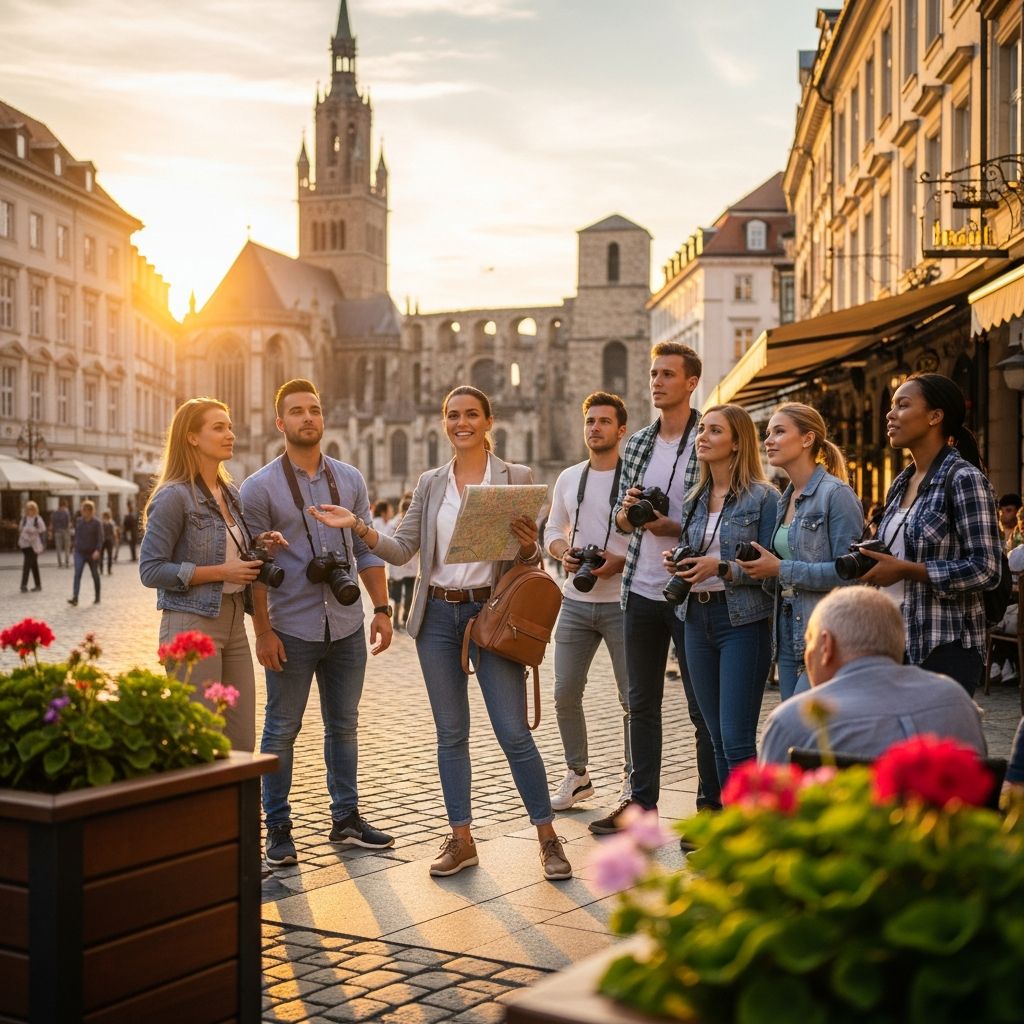
Understanding the Tour Guide Profession
The role of a tour guide extends far beyond simply pointing out landmarks and reciting historical facts. Tour guides serve as educators, entertainers, cultural ambassadors, and logistical coordinators all rolled into one dynamic profession. They shape travelers’ perceptions of destinations while ensuring safety, managing group dynamics, and creating lasting memories. This multifaceted career appeals to individuals who possess genuine passion for sharing knowledge, enjoy working with diverse populations, and thrive in environments that demand both creativity and quick thinking.
Tour guides operate across numerous specializations, ranging from city walking tours and historical site visits to adventure expeditions, museum presentations, and specialized heritage tours. Each specialization demands different expertise, from architectural knowledge to wilderness survival skills. Understanding which type of guiding aligns with your interests and strengths is the first critical step in pursuing this career path.
Educational Foundation and Pathways
Unlike professions that require specific degrees from accredited universities, the tour guide field offers flexibility in educational requirements. Most entry-level positions accept candidates with a high school diploma as the baseline qualification. However, advancing beyond entry-level roles and securing positions with established tour operators or premium services typically benefits from additional formal education.
Many aspiring guides strengthen their candidacy through specialized degree programs. Pursuing academic credentials in hospitality management, tourism studies, or cultural studies provides comprehensive training in industry practices, customer relations, and destination management. These programs often include coursework in public speaking, travel logistics, customer service excellence, and cultural competency—all invaluable for professional success.
For those pursuing specialized guiding fields, targeted educational pathways become particularly important. Prospective nature guides benefit from environmental science or ecology coursework, while those interested in museum work may need academic backgrounds in art history, archaeology, or museum studies. Language immersion programs and international studies degrees prove especially valuable for guides seeking to lead international tours or work in multilingual destinations.
Essential Skills That Define Professional Excellence
Successful tour guides cultivate a comprehensive skill set that distinguishes exceptional guides from merely competent ones. The foundation of this skill set rests upon strong communication abilities. Guides must articulate complex information in accessible language, maintain audience engagement, and adjust their presentation style for different age groups, educational backgrounds, and cultural contexts. This goes beyond basic public speaking—it requires the ability to command attention in outdoor settings, manage group acoustics, and maintain energy throughout extended presentations.
Storytelling represents another critical competency that separates memorable tours from forgettable ones. Exceptional guides craft narratives that bring destinations to life, connecting historical events to personal anecdotes and making information emotionally resonant rather than merely informational. This skill transforms a simple tour into an immersive experience that guests treasure long after returning home.
Customer service excellence encompasses empathy, patience, and genuine interest in guest wellbeing. Guides must accommodate diverse needs, respond gracefully to complaints, and handle unexpected situations with composure. This includes demonstrating cultural sensitivity when working with international groups, understanding different communication styles, and making adjustments to accommodate guests with varying physical abilities or learning preferences.
Organizational and logistical skills enable guides to manage the complex choreography of moving groups through destinations while maintaining schedules, coordinating with service providers, and ensuring all materials and safety equipment remain readily available. Problem-solving abilities become essential when weather disrupts plans, attractions close unexpectedly, or group dynamics require intervention.
Physical stamina should not be underestimated. Extended walking tours, outdoor excursions, and the physical demands of managing group movement necessitate good health and endurance. Additionally, guides benefit tremendously from multilingual capabilities, which expand employment opportunities and enhance guest experiences, particularly in international tourism contexts.
Licensing, Certifications, and Regulatory Compliance
The regulatory landscape for tour guides varies significantly by geography. Several major U.S. cities and regions mandate professional licensing, creating formal pathways for credential acquisition. New York City requires tour guides to obtain licenses through the Department of Consumer and Worker Protection, involving examination of area knowledge and professional standards. Similarly, New Orleans, Charleston, Washington D.C., Savannah, and historic battlefields like Gettysburg and Vicksburg impose licensing requirements on individuals leading commercial tours.
Understanding your specific jurisdiction’s requirements forms a non-negotiable first step. Research local tourism boards, city licensing departments, and chamber of commerce websites to identify applicable regulations. Many areas require written examinations testing knowledge of local history, geography, attractions, and safety protocols. Some jurisdictions mandate completion of approved training courses before examination eligibility.
Beyond government licensing, professional certifications from recognized organizations strengthen credentials and demonstrate expertise to employers. The International Tour Management Institute (ITMI) offers respected certification programs that validate tour guide competency across multiple competency areas. First-aid and CPR certification becomes essential, particularly for guides leading adventure tours or working with elderly populations. Wilderness safety certifications, environmental interpretation credentials, and specialized training programs exist for guides focusing on adventure tourism, naturalist-led expeditions, or heritage site interpretation.
Travel industry associations, tourism boards, and specialized guide organizations offer continuing education opportunities that maintain credential currency and demonstrate commitment to professional development. These certifications create competitive advantages in employment markets and can justify premium pricing for private tours.
Building Practical Experience and Credentials
Practical experience forms the cornerstone of tour guide development. Prospective guides should actively seek volunteer opportunities at museums, historical sites, nature centers, and tourism information offices. These positions provide invaluable real-world exposure to group dynamics, destination knowledge application, and professional tour operations without requiring extensive prior experience. Volunteer work demonstrates commitment to potential employers and builds foundational skills in controlled environments.
Internship programs with established tour operators, travel agencies, and destination management companies provide structured learning experiences combining training with paid work. These positions typically involve shadowing experienced guides, assisting with logistics, and gradually assuming more responsibility as competency develops. Many tour operators actively recruit interns, recognizing the mutual benefits of identifying and training potential full-time staff.
Part-time or seasonal tour guide positions offer another avenue for building experience while maintaining income stability. Tourist destinations, urban centers, and seasonal attractions frequently hire guides during peak travel periods. Starting with shorter, less complex tours builds confidence and expertise before transitioning to longer, more demanding assignments.
Documenting all experience systematically creates a compelling resume demonstrating progressive responsibility and skill development. Track the types of tours led, group sizes managed, special circumstances handled, and positive feedback received. This portfolio of experience becomes invaluable during job searches and licensing examinations.
Knowledge Development and Specialization
Comprehensive destination knowledge distinguishes professional guides from casual storytellers. Effective guides possess intimate familiarity with not only scripted tour route information but also broader contextual knowledge enabling them to answer unexpected questions and provide personalized recommendations. This mastery develops through intentional study combining formal research with experiential exploration.
Begin by studying published resources about your target destination—guidebooks, historical texts, architectural references, and cultural studies materials. Move beyond surface-level information to understand underlying historical narratives, cultural contexts, and contemporary significance. Connect events, personalities, and structures into coherent narratives that help guests understand destinations as living, evolving places rather than static museum exhibits.
Develop specialized expertise in particular areas. Some guides focus on art and architecture, requiring deep knowledge of design movements, artistic techniques, and architectural evolution. Others specialize in natural history and ecology, demanding understanding of geological formations, ecosystems, and environmental conservation. Heritage tourism specialists concentrate on cultural traditions, ethnic histories, and community narratives. This specialization allows guides to provide unique value propositions and attract specific client segments willing to pay premium rates for expert knowledge.
Continuous learning maintains relevance and expertise as destinations evolve. New historical discoveries, updated interpretations, infrastructure changes, and contemporary developments require guides to regularly update their knowledge. Professional guides commit to ongoing education through reading, attending seminars, visiting museums, and participating in tour guide associations and professional networks.
Developing Your Professional Portfolio
In today’s competitive market, guides benefit from building professional portfolios and online presence. Create a professional biography highlighting your expertise, specializations, and unique qualifications. Develop a website or social media presence showcasing tour reviews, credentials, and sample itineraries. Secure client testimonials and positive reviews on platforms like TripAdvisor, Google Maps, and tour operator websites, as these significantly influence booking decisions.
Photography and videography skills enhance marketing capabilities, allowing guides to showcase destinations visually and demonstrate expertise through multimedia content. Many independent guides use compelling photos and video clips to market tours directly to consumers or attract clients through online platforms.
Job Search Strategies and Employment Options
Tour guides access employment through multiple channels. Established tour operators and travel agencies represent primary employers, offering structured employment, training programs, and steady client flows. These positions typically involve guiding pre-planned itineraries for groups, allowing guides to develop expertise through repeated tours of the same destinations.
Destination management companies (DMCs) serving corporate clients, incentive travel groups, and convention attendees represent another significant employment source. These positions often involve creating customized experiences and accommodating diverse client needs and preferences.
Museums, national parks, historic sites, and cultural institutions directly employ guides or contract with guide services for visitor interpretation. These positions combine educational components with customer service, appealing to guides with strong knowledge expertise.
Independent guiding represents an alternative path for entrepreneurial guides. Operating as freelance contractors or establishing private guide services offers autonomy and potential for higher income but requires business acumen, marketing capability, and responsibility for liability insurance and tax management.
Online platforms connecting guides with travelers seeking local experiences have expanded employment opportunities. These platforms enable guides to establish independent practices while benefiting from built-in customer bases and booking systems.
Financial Considerations and Career Growth
Compensation in the tour guide profession varies widely based on specialization, experience level, geographic location, and employment structure. Entry-level guides working for tour operators typically earn hourly wages or daily rates, with earnings increasing as experience and reputation grow. Premium rates apply to guides with specialized expertise, multilingual capabilities, and strong customer reviews. Independent guides operating in high-tourism destinations can achieve significantly higher earnings through direct client work and customized tour pricing.
Career progression pathways exist for guides seeking advancement beyond direct guiding. Senior guides assume training responsibilities, develop new tour products, manage other guides, or transition into tour operations management. Some guides leverage their expertise to write guidebooks, develop educational content, or consult for tourism development initiatives.
Frequently Asked Questions
Q: What is the minimum education required to become a tour guide?
A: A high school diploma typically satisfies minimum requirements for entry-level positions. However, specialized degrees in tourism, hospitality, or related fields enhance career prospects and enable advancement into supervisory or management roles.
Q: Do all tour guides require licensing?
A: Licensing requirements vary by location. Major cities like New York, New Orleans, and Washington D.C. mandate licensing, while many regions have no formal licensing requirements. Researching your specific jurisdiction’s regulations is essential before pursuing employment.
Q: How long does it take to become a tour guide?
A: The timeline varies based on your starting point and goals. Obtaining a high school diploma takes four years. Specialized degrees require four years of college. Professional certifications and licensing examinations typically require several months of preparation. Gaining six months to one year of practical experience accelerates professional development. Most individuals transition into guide positions within 1-2 years of focused preparation.
Q: What languages should a tour guide speak?
A: Fluency in English is essential for guides serving English-speaking tourists. Additional language fluency significantly enhances employment opportunities, particularly in international tourism markets. Spanish, Mandarin, French, German, and Japanese are valuable languages depending on your target market.
Q: Can you start as a tour guide without prior experience?
A: Yes, volunteer positions at museums, historical sites, and tourism organizations provide entry pathways for individuals without professional guide experience. Many tour operators hire motivated individuals willing to undergo on-the-job training, particularly for seasonal positions or entry-level roles on simple tour routes.
References
- How to Become a Tour Guide – Is It the Right Career for You? — Career Fittest. https://www.careerfittest.com/how-to-become-a-tour-guide/
- How To Become a Tour Guide in 4 Steps (With Skills) — Indeed Career Advice. https://www.indeed.com/career-advice/finding-a-job/how-to-become-tourist-guide
- How to Become a Tour Guide – Peek Pro — Peek Pro Blog. https://www.peekpro.com/blog/how-to-become-a-tour-guide
- What Skills Are Needed To Be a 5-Star Tour Guide? — Checkfront. https://www.checkfront.com/blog/skills-tour-guide/
- Inbound tour guides: Requirements — Vault Career Intelligence. https://umgc.vault.com/professions/inbound-tour-guides/requirements

- Integrated M.A. in Applied Linguistics, University of Hyderabad
- 5+ years in editorial, instructional, SEO, and research-based writing
Sneha is a relationships and lifestyle writer with a strong foundation in applied linguistics and certified training in relationship coaching. She brings over five years of writing experience to theskillvault, crafting thoughtful, research-driven content that empowers readers to build healthier relationships, boost emotional well-being, and embrace holistic living. Her writing and insights reflect the belief that beauty, happiness, and wellness…