
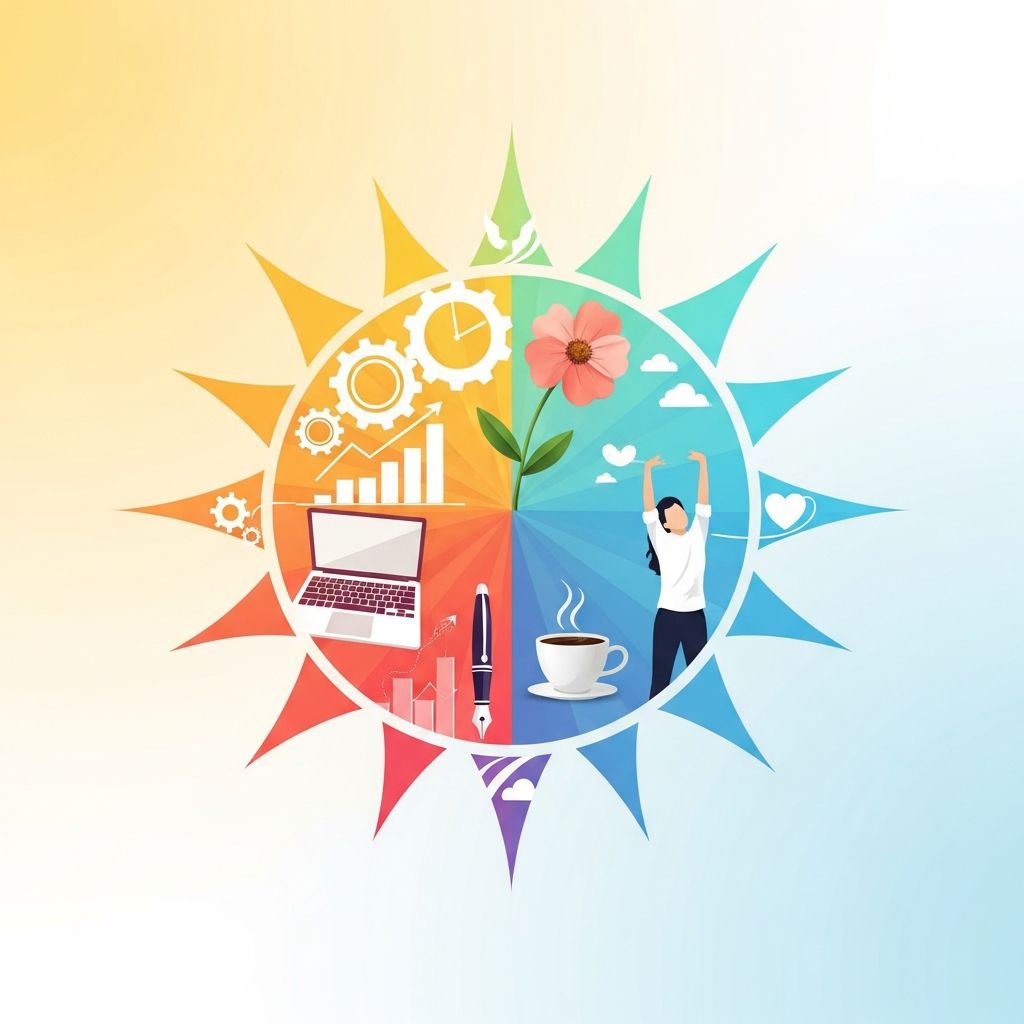
In today’s demanding professional landscape, the pursuit of productivity often clashes with the need for personal happiness. Yet, research demonstrates that integrating the two creates a powerful synergy, leading to sustained success and well-being. This article explores actionable strategies to cultivate both, fostering a dynamic where efficiency fuels joy and vice versa.
Understanding the Productivity-Happiness Link
The foundation of thriving lies in recognizing that productivity without happiness leads to burnout, while happiness without direction yields stagnation. Studies indicate happy professionals outperform their counterparts by 31%, as positivity enhances creativity, problem-solving, and resilience. Shifting from rigid work-life balance to a fluid ‘work-life flow’ allows adaptation to daily energies, promoting engagement without exhaustion.
Modern workplaces benefit when organizations prioritize this integration. Flexible arrangements like adjustable hours or remote options boost job satisfaction and output, supporting diverse needs such as parenting or skill-building. Cultivating this mindset starts with self-awareness: track daily energizers versus drainers through journaling to pinpoint patterns and refine routines.
Building Boundaries for Sustainable Energy
Clear boundaries prevent the digital blur between work and rest, combating constant availability that breeds stress. Define specific work hours, even remotely, and communicate them to colleagues. Employers aid by avoiding off-hour emails, respecting personal time as sacred.
Implement ‘shutdown rituals’ at day’s end: review accomplishments, plan tomorrow, and disconnect devices. This signals the brain to transition, reducing cognitive load and improving sleep quality, which in turn sharpens focus.
- Schedule non-negotiable personal blocks for family, hobbies, or rest.
- Use tools like email auto-responders to set expectations.
- Encourage team norms where after-hours responses are optional.
Embracing Flexible Routines Over Rigidity
Rigidity stifles joy; flexibility empowers. Adjustable schedules accommodate peak productivity windows—mornings for deep work, afternoons for collaboration—while allowing life interruptions without guilt. Data from post-pandemic shifts shows professionals favor roles with such options over higher pay, underscoring quality-of-life priorities.
| Traditional Schedule | Flexible Approach | Benefits |
|---|---|---|
| 9-5 fixed hours | Core hours + flex time | Higher satisfaction, better output |
| Office-only | Hybrid/remote options | Reduced commute stress, more family time |
| No adjustments | Personalized adjustments | Accommodates caregivers, learners |
This adaptability fosters trust and autonomy, key drivers of motivation.
Daily Habits for Momentum and Fulfillment
Productivity thrives on small, consistent actions rather than overwhelming overhauls. Commit to micro-habits like 2-minute tasks repeated daily: tidy workspace, quick stretch, or gratitude note. Accumulation yields massive progress, delivering dopamine hits that sustain motivation.
Incorporate movement: short walks or desk exercises recharge energy, countering sedentary drain. Pair with nutrition—hydrated, balanced snacks prevent mid-afternoon slumps. These build resilience against stress, aligning output with well-being.
The Power of Reflection and Growth
Self-reflection unlocks direction. Weekly reviews assess wins, lessons, and adjustments, empowering proactive change. Acknowledge strengths to build confidence; identify gaps for targeted development. This inward focus prevents autopilot, ensuring efforts align with passions.
Invest in personal growth: dedicate time to skills that excite, like online courses or reading. Such pursuits not only enhance competence but also infuse work with purpose, amplifying joy. Organizations thrive when employees feel valued for unique talents, fostering inclusive cultures.
Cultivating Positivity Through Mindfulness
Science links positive mindsets to superior performance. Shawn Achor’s research highlights how optimism boosts productivity via better neural pathways for solutions. Practices like gratitude journaling—three daily appreciations—rewire for abundance, reducing negativity bias.
Mindfulness techniques, such as deep breathing or progressive relaxation, reset stress in moments, preserving cognitive function. Start meetings with quick shares of ‘wins’ to build collective positivity, enhancing team dynamics and innovation.
Prioritizing Rest and Recovery
Rest isn’t laziness; it’s strategic. Vacations and mental health days recharge creativity and prevent burnout, with rested teams showing higher retention and output. Enforce full holiday use without guilt—well-being programs like gym access amplify this.
Micro-breaks during work—Pomodoro style (25 minutes focus, 5-minute pause)—sustain attention. Evening wind-downs with no screens prepare restorative sleep, closing the daily cycle effectively.
Fostering Connections and Support
Social bonds predict happiness profoundly. Nurture workplace relationships through casual check-ins or mentorships; external networks provide perspective. Inclusive cultures where diverse voices thrive boost engagement, as employees bring authentic selves.
Open feedback loops—regular surveys or dialogues—address balance challenges early, building trust. Leaders modeling vulnerability encourage the same, creating supportive ecosystems.
Action-Oriented Mindset: From Planner to Doer
Ideas alone don’t deliver; execution does. ‘Doers’ translate insights into steps, ticking goals for fulfillment cycles: achievement sparks joy, fueling more action. Break projects into immediate tasks—’what’s one step now?’—to bypass procrastination.
Celebrate completions publicly or privately to reinforce the loop. This proactive stance turns potential into reality, blending productivity with satisfaction.
Measuring Progress in Dual Dimensions
Track both metrics: output (tasks completed) and joy (energy levels, mood ratings). Tools like apps for habit streaks or weekly journals provide data for tweaks. Organizations gauge via engagement surveys, correlating well-being investments to performance gains.
Adjust quarterly: if productivity dips, probe happiness; if joy wanes, streamline tasks. This iterative approach ensures long-term thriving.
Frequently Asked Questions (FAQs)
What is work-life flow versus balance?
Work-life flow adapts dynamically to your energy and priorities, unlike rigid balance that divides time equally. It promotes harmony over separation.
How do small habits lead to big results?
Consistency compounds: daily micro-actions build skills and momentum without overwhelm, sustaining motivation through visible progress.
Can happiness really improve productivity?
Yes, happy employees are 31% more productive, with enhanced creativity and resilience per positive psychology research.
How to set boundaries without seeming unresponsive?
Communicate clearly upfront, use status indicators, and focus on high-impact availability during core times.
What if my workplace resists flexibility?
Start personally with boundaries and micro-habits, then advocate via feedback, highlighting mutual benefits like retention.
References
- Strategies for Modern Professionals to Master Work-Life Balance — TANDIUM. 2023-10-15. https://tandium.com/strategies-modern-professionals-master-work-life-balance/
- The Science of Happiness at Work: Increase Productivity & Reduce Burnout — WSB. 2024-05-20. https://www.wsb.com/blog/increase-productivity-and-reduce-burnout/
- 4 Simple Tips for Achieving Productivity and Happiness — Impulzity. 2024-02-12. https://impulzity.com/4-simple-tips-for-achieving-productivity-and-happiness/
- 3 Secrets to Happiness at Work According to Research — PositivePsychology.com. 2023-11-08. https://positivepsychology.com/happiness-at-work/
- Our Favorite Management Tips on Creating Meaning and Happiness at Work — Harvard Business Review. 2026-01-18. https://hbr.org/2026/01/our-favorite-management-tips-on-creating-meaning-and-happiness-at-work

Medha Deb is an editor with a master's degree in Applied Linguistics from the University of Hyderabad. She believes that her qualification has helped her develop a deep understanding of language and its application in various contexts. Medha specializes in the areas of beauty, health, sports, and wellness and is committed to ensuring that the content on the website is…