
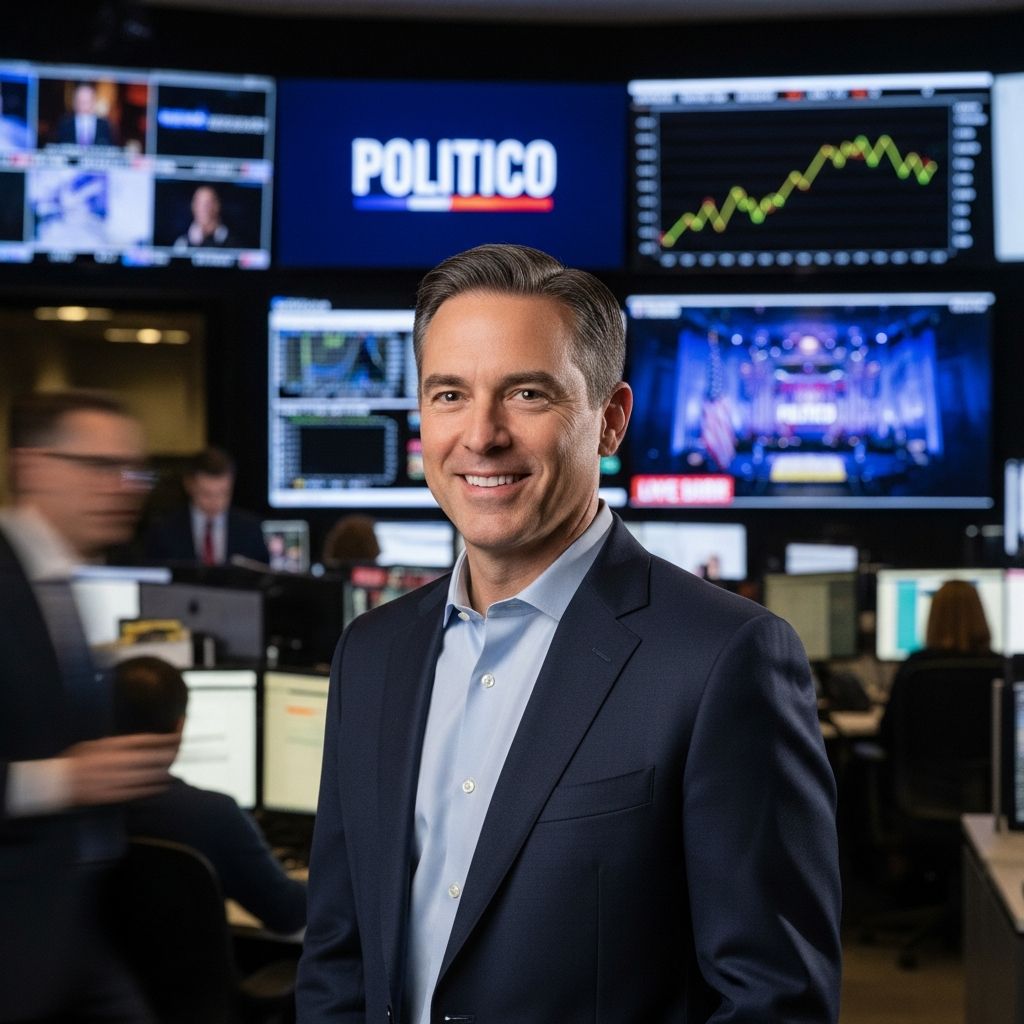
Live journalism has transformed how audiences experience the news. Beyond written stories and digital coverage, media organizations now convene policymakers, executives, activists, and readers in person to unpack the issues shaping public life. This article draws inspiration from the career of Alexis Williams, a former senior leader at POLITICO and now Chief Corporate Affairs Officer at Stagwell, to explore how to build a meaningful career in this evolving space.
Rather than repeating her story detail for detail, this guide uses her trajectory as a springboard to uncover broader career lessons: navigating early roles, mastering events and partnerships, leading teams, and staying grounded while working at the center of politics and policy.
Understanding Live Journalism and Why It Matters
Live journalism refers to events, forums, and experiences produced by newsrooms to extend their reporting into real-time conversations. These can include interviews with public figures, policy summits, town halls, and live tapings of podcasts or shows. Major outlets like The New York Times, The Atlantic, and POLITICO have all invested heavily in this model to deepen audience engagement and diversify revenue streams.
Live journalism careers sit at the intersection of:
- Editorial insight – understanding what issues, people, and questions matter most to audiences
- Event production – running complex in-person or virtual programs from concept to execution
- Revenue and partnerships – collaborating with sponsors while honoring editorial standards
- Stakeholder management – working with journalists, executives, policymakers, and brand partners
As Williams’s later roles at POLITICO and Stagwell show, leaders who can bridge these worlds are increasingly central to both media and marketing organizations.
From Early Curiosity to Policy and Media Work
Many careers in public affairs and news begin not with a perfect plan but with curiosity about how decisions get made. For Williams, that meant working within institutions closely linked to policy and power, then shifting to a newsroom environment where those forces are scrutinized and explained.
Early career steps that often feed into a live journalism path include:
- Internships in communications, public affairs, or politics
- Entry-level roles in media planning, marketing, or audience engagement
- Operational or support positions on event or conference teams
- Assistant roles supporting senior leaders in news or policy organizations
These roles build foundational skills: tracking details, writing clearly, working under pressure, and understanding how complex organizations move from idea to execution.
Core Skills That Translate into Live Journalism
The transition from general communications or policy work into live journalism tends to reward a specific mix of capabilities:
- Content literacy – following the news and understanding the stakes of political and policy debates
- Operational rigor – managing logistics, timelines, budgets, and stakeholder expectations
- Relationship-building – earning trust from editors, reporters, sponsors, and external partners
- Comfort with ambiguity – staying calm as speakers cancel, votes get delayed, or breaking news reshapes an event agenda
According to industry research, event professionals across sectors report high stress levels due to long hours, unpredictability, and constant problem-solving, underscoring the importance of resilience and planning.
Breaking into a Political Newsroom
Joining a political outlet like POLITICO typically requires both subject-matter enthusiasm and a willingness to work hard in a fast-moving environment. Live journalism teams frequently collaborate with editorial staff, but their day-to-day work looks different from that of reporters or editors.
Common entry points into such organizations include:
- Marketing or audience development assistant
- Events coordinator or events assistant
- Sales support or partnership coordinator
- Executive assistant within revenue, events, or corporate functions
Williams’s time at POLITICO coincided with the outlet’s evolution from a Washington-focused startup to a global brand with coverage across major policy verticals. Working in that type of environment exposes professionals to rapid experimentation: new events concepts, formats, sponsorship models, and partnerships.
How Live Journalism Adds Value Inside a Newsroom
Media organizations increasingly view event divisions as strategic growth engines. A well-run live journalism unit can:
- Generate sponsorship and ticket revenue
- Deepen relationships with policymakers, experts, and institutional partners
- Showcase newsroom talent on stage
- Offer audiences a way to engage directly with journalists and decision-makers
According to the Reuters Institute’s Digital News Report, audience habits continue to fragment across platforms and formats, making in-person and virtual events an important way for outlets to differentiate themselves and build loyalty.
Designing Events that Serve Both Journalism and Revenue
One of the defining challenges of live journalism is balancing editorial integrity with financial sustainability. Leaders in this field work closely with newsrooms and sponsors to craft experiences that are substantive, transparent, and aligned with audience expectations.
| Editorial Priorities | Events and Revenue Priorities |
|---|---|
| Accurate, balanced, and independent content | Compelling sponsorship opportunities and audience experiences |
| Journalists decide what questions to ask and whom to feature | Partners get clear visibility within guardrails that protect independence |
| Coverage reflects the public interest | Events are operationally sound and financially viable |
Executives like Williams, who helped build POLITICO’s strategic events division, must understand both sides of this equation. They translate newsroom goals into event ideas while crafting sponsor packages that respect editorial boundaries.
Key Competencies for Live Journalism Leaders
To thrive in these hybrid roles, professionals benefit from cultivating:
- Strategic thinking – linking events to broader brand, audience, and revenue goals
- Negotiation skills – aligning internal and external stakeholders with conflicting priorities
- Risk management – anticipating reputational, logistical, or safety risks and planning contingencies
- Inclusive design – ensuring diverse voices and perspectives are present on stage and behind the scenes
As Williams’s later corporate affairs work at Stagwell demonstrates, these same skills are valuable beyond newsrooms, particularly in marketing and communications networks that serve global clients.
Leading Teams and Scaling an Events Operation
Career growth in live journalism often progresses from supporting logistics to owning programs, then leading a portfolio and a team. As headcount and ambitions grow, the job shifts from “doing everything yourself” to building systems and mentoring others.
Common leadership responsibilities include:
- Hiring and developing producers, marketers, and partnerships staff
- Defining annual event calendars and tentpole moments
- Creating repeatable processes for planning, budgeting, and measurement
- Strengthening relationships with key partners and sponsors
- Representing the events brand internally and externally
Williams’s experience launching and overseeing signature programs for women in leadership illustrates how a single initiative can become a powerful platform for the broader brand when backed by strong execution and a clear mission.
Inclusive Leadership in the Spotlight
Leaders in high-visibility roles also shape culture. Inclusive leadership practices—such as sharing credit, elevating junior staff, and being intentional about speaker lineups—help broaden who participates in public conversation. Research by Catalyst and McKinsey has shown that organizations with more diverse leadership teams tend to outperform on measures of innovation and financial performance, reinforcing the business case for inclusion.
Practical ways leaders in live journalism can model inclusion include:
- Setting goals for diverse representation among speakers and moderators
- Inviting junior staff to contribute ideas, run segments, or moderate where appropriate
- Building partnerships with organizations that support underrepresented communities
- Being transparent about selection criteria for speakers and topics
Managing Pressure, Visibility, and Personal Values
High-profile roles in politics and media bring intense pressure: public scrutiny, tight timelines, and events that cannot be rescheduled. Professionals in these roles must develop routines and boundaries that allow them to sustain performance without burning out.
Evidence from occupational health research shows that event and media work often involves irregular hours, emotional labor, and high job demands, making proactive stress management crucial. Strategies that many leaders adopt include:
- Building redundant systems so no event depends on a single person
- Delegating effectively and trusting specialized team members
- Establishing clear communication channels before, during, and after events
- Creating time for reflection, feedback, and rest once major programs conclude
Aligning career choices with personal values is another essential factor. Williams’s later involvement in initiatives focused on women leaders and civic engagement reflects a through line of using platform and access to support underrepresented communities. Professionals who connect their work to a broader purpose often report greater long-term satisfaction and resilience.
Translating Live Journalism Experience Beyond the Newsroom
Experience in political media and live journalism translates well into adjacent sectors—including corporate communications, public affairs, and integrated marketing. Williams’s move to Stagwell, where she now oversees corporate affairs across a global portfolio of agencies, shows how event and partnership expertise can scale to a wider canvas.
Skills that carry over particularly well include:
- Issue fluency – comfort discussing policy, regulation, and reputational risk
- Stakeholder mapping – understanding the interests of governments, companies, NGOs, and the public
- Message discipline – aligning live experiences with brand strategy and core narratives
- Scenario planning – preparing for crises, protests, or backlash around controversial topics
In a world where brands, media, and politics increasingly intersect, professionals who can navigate all three are in high demand. Organizations from Fortune 100 companies to fast-growing networks rely on such leaders to manage risk and create meaningful public-facing experiences.
Actionable Career Lessons for Aspiring Live Journalism Professionals
Drawing from this broader view of Williams’s path and the evolving field, several practical lessons emerge for those interested in similar careers.
1. Let Curiosity Guide Early Steps
You do not need to begin your career knowing you want to work in live journalism. What matters more is following your interest in public life, media, or storytelling into roles that build transferable skills. Seek out opportunities that expose you to:
- Policy and politics, whether through internships, fellowships, or entry-level jobs
- Media production, audience engagement, or digital marketing
- Events, conferences, or project-based teamwork
2. Treat Every Role as a Platform for Learning
Entry-level positions are often demanding and unglamorous, but they provide a vantage point on how organizations actually work. Asking thoughtful questions, volunteering for cross-functional projects, and supporting colleagues reliably can open doors to more strategic responsibilities.
3. Build Relationships, Not Just a Résumé
Careers in media and politics are built on trust. Invest in relationships with mentors, peers, and partners, and focus on being someone whose word and work are consistently reliable. Williams’s long-term collaborations across newsrooms, brands, and agencies reflect how sustained relationships can shape an entire career arc.
4. Learn to Speak Both Editorial and Commercial Languages
To advance in live journalism, you need to understand how journalists think and how business stakeholders think. Spend time with both. Ask editors about their priorities and standards; ask sales and partnerships colleagues about what sponsors value and why. The ability to mediate between these worlds is a key differentiator for leaders in this space.
5. Protect Integrity While Embracing Opportunity
Live journalism exists because audiences crave deeper, more interactive engagement with the news. Treat that trust seriously. Advocate for clear boundaries around editorial control, transparency about sponsorship, and thoughtful speaker selection. Long-term credibility depends on those choices.
Frequently Asked Questions (FAQs)
Q: What education or background is helpful for a career in live journalism?
A: People enter live journalism from many paths, including journalism, communications, public policy, marketing, and events management. Degrees in political science, communications, or business can be useful, but hands-on experience with events and strong news literacy are often more important than a particular major.
Q: Do you need to be a journalist to work on live journalism teams?
A: Not necessarily. While some team members come from reporting or editing, many work in production, operations, sponsorships, audience development, or design. Understanding journalistic ethics and practices is essential, but you do not have to be a reporter yourself.
Q: What is the difference between a typical corporate event and a live journalism event?
A: Corporate events usually focus on a company’s products, strategy, or employees. Live journalism events are built around public-interest topics, conversations with newsmakers, and editorially driven agendas. Sponsors may support them, but they do not control the questions or coverage.
Q: How can I demonstrate interest in this field if I am early in my career?
A: You can volunteer to help run campus events, assist with community forums or debates, support local news or civic organizations, or produce your own small-scale panels or interviews. Documenting these projects and reflecting on what you learned shows initiative and practical experience.
Q: What long-term career options can grow out of live journalism experience?
A: Professionals with live journalism backgrounds often move into senior roles in media strategy, corporate communications, public affairs, integrated marketing, or brand partnerships—much like Alexis Williams’s transition to a corporate affairs role at a global marketing network.
References
- Event Planning: Health and safety guidance for live events — U.S. Occupational Safety and Health Administration (OSHA). 2023-05-12. https://www.osha.gov/coronavirus/control-prevention/events-mass-gatherings
- Digital News Report 2024 — Reuters Institute for the Study of Journalism, University of Oxford. 2024-06-17. https://reutersinstitute.politics.ox.ac.uk/digital-news-report/2024
- Alexis Williams – Schedule: Speaker — Advertising Week New York 2024. 2024-09-01. https://newyork2024.advertisingweek.com/aw/schedule/speaker/-13113
- Stagwell (STGW) Elevates Senior Leadership to Accelerate Growth and Support Global Expansion — Stagwell Inc. 2021-12-06. https://www.stagwellglobal.com/stagwell-stgw-elevates-senior-leadership-to-accelerate-growth-and-support-global-expansion/
- Why Diversity and Inclusion Matter — Catalyst. 2020-06-24. https://www.catalyst.org/research/why-diversity-and-inclusion-matter

- Integrated M.A. in Applied Linguistics, University of Hyderabad
- 5+ years in editorial, instructional, SEO, and research-based writing
Sneha is a relationships and lifestyle writer with a strong foundation in applied linguistics and certified training in relationship coaching. She brings over five years of writing experience to theskillvault, crafting thoughtful, research-driven content that empowers readers to build healthier relationships, boost emotional well-being, and embrace holistic living. Her writing and insights reflect the belief that beauty, happiness, and wellness…