
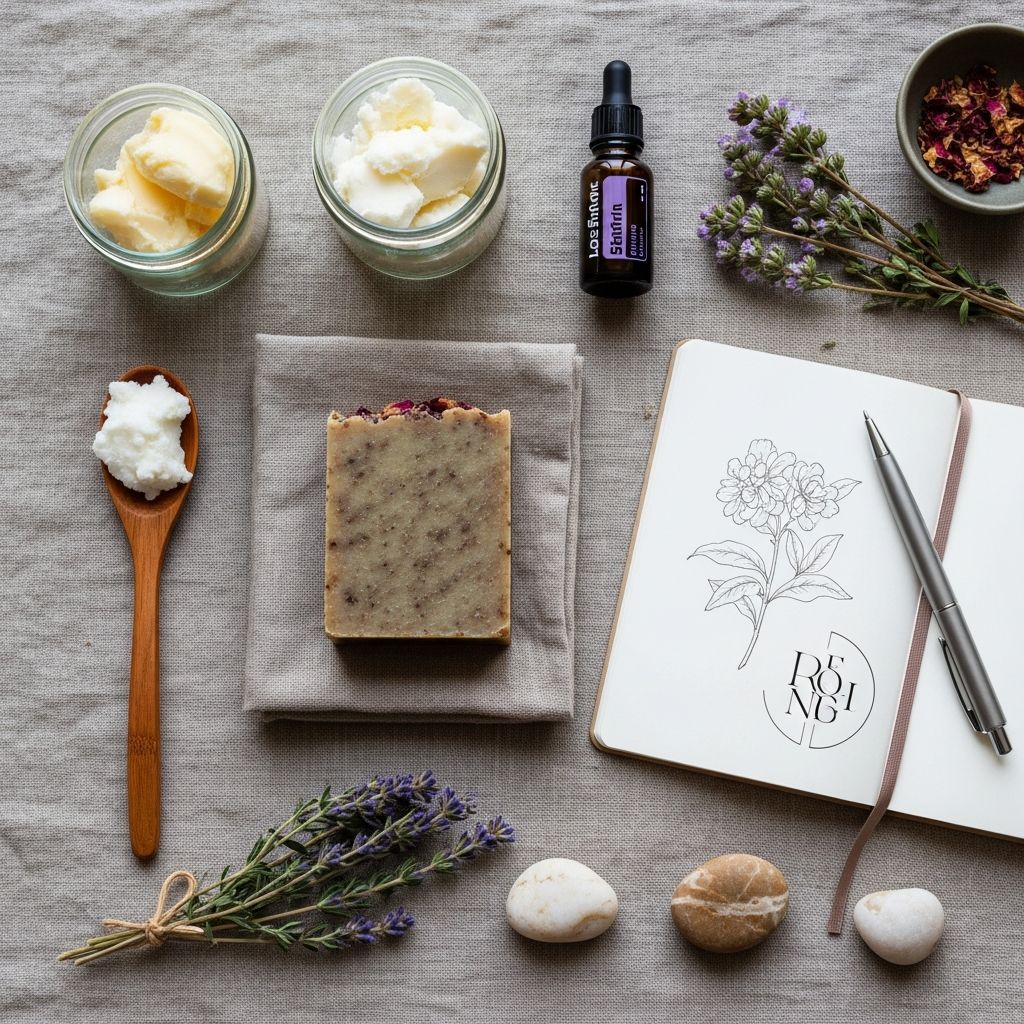
From Personal Need to Purpose-Driven Brand
Many successful beauty brands begin not with a business plan, but with a personal gap in the market. For some founders, it’s the absence of products that align with their health values, lifestyle, or ethical standards. This personal frustration often becomes the seed of a brand built on authenticity rather than just aesthetics.
When a founder notices that existing products don’t meet their standards—whether due to questionable ingredients, unsustainable packaging, or a lack of transparency—they’re in a unique position. They understand the problem from the inside, not just as a consumer, but as someone who has lived it. This lived experience becomes a powerful foundation for a brand that speaks directly to a specific audience: those who also care about what they put on their skin and how it’s made.
Starting with a clear ‘why’—a mission that goes beyond profit—helps shape every decision, from formulation to marketing. It creates a brand that doesn’t just sell products, but stands for something. In an industry where trust is increasingly hard to earn, this clarity can be a significant competitive advantage.
Defining a Clean and Conscious Philosophy
‘Clean beauty’ has become a widely used term, but its meaning can vary. For a mission-driven brand, it’s not just about removing a few controversial ingredients; it’s about building a holistic philosophy around safety, transparency, and integrity.
This philosophy often starts with a strict ingredient policy. Certain categories—like parabens, sulfates, synthetic fragrances, and petroleum-derived compounds—are excluded not because they’re trendy to avoid, but because the founder has researched their potential impact and made a deliberate choice. This isn’t about fear-mongering; it’s about offering consumers a clear, consistent standard they can rely on.
Transparency is equally important. Consumers today want to know not just what’s in a product, but where ingredients come from, how they’re processed, and how the brand ensures quality. Providing detailed ingredient lists, sourcing information, and third-party testing results helps build credibility. It signals that the brand has nothing to hide and is willing to be held accountable.
Product Development with Integrity
Creating a product line that aligns with a clean philosophy requires more than just swapping out a few ingredients. It often means rethinking formulations from the ground up, which can be both challenging and rewarding.
Formulators may need to work with fewer synthetic options, which can affect texture, shelf life, and performance. This demands patience, experimentation, and a willingness to prioritize safety and integrity over shortcuts. For example, natural preservatives may require different storage conditions or shorter shelf lives, but they align with the brand’s values.
Testing is another critical component. A brand committed to quality will invest in rigorous stability, microbiological, and safety testing. This not only protects consumers but also builds internal confidence that the products perform as intended under real-world conditions.
Finally, packaging is part of the product story. Sustainable materials, minimal design, and recyclable or refillable systems reflect the same values as the formulas inside. Every choice, from the cap to the label, becomes an extension of the brand’s commitment to responsibility.
Building Trust Through Authentic Storytelling
In a crowded market, trust is often the deciding factor in whether a consumer chooses one brand over another. For a conscious beauty brand, storytelling isn’t about creating a fantasy; it’s about sharing a real, relatable journey.
The founder’s personal story—why they started, what they struggled with, and what they learned—can be incredibly powerful. It humanizes the brand and creates an emotional connection. When consumers feel they’re buying from a real person with real values, rather than a faceless corporation, loyalty tends to deepen.
Authenticity also means being honest about limitations. No brand is perfect, and acknowledging that builds credibility. For example, admitting that certain packaging elements are still evolving or that some ingredients are hard to source sustainably shows that the brand is on a journey, not claiming to have all the answers.
Content that educates—about ingredients, skin health, or sustainability—further strengthens this trust. When a brand helps consumers make informed choices, it positions itself as a partner, not just a seller.
Scaling with Values Intact
One of the biggest challenges for a values-driven brand is maintaining its core principles while growing. As demand increases, there’s pressure to cut costs, speed up production, or compromise on sourcing to meet volume targets.
To scale sustainably, many founders focus on building strong partnerships. This includes working with manufacturers who share similar values, such as using renewable energy, fair labor practices, and responsible sourcing. It also means being selective about distribution channels, choosing retailers and platforms that align with the brand’s ethos.
Internally, scaling often requires building a team that understands and embodies the brand’s mission. Hiring people who care about clean ingredients, sustainability, and customer experience helps ensure that decisions at every level reflect the brand’s values.
Financial discipline is also key. Growth doesn’t have to mean rapid expansion at all costs. A slower, more intentional approach—focusing on profitability, customer retention, and long-term brand health—can lead to a more resilient business in the long run.
Responding to Industry Trends with Purpose
The beauty industry is constantly evolving, with new trends emerging around technology, personalization, and sustainability. For a conscious brand, the challenge is to engage with these trends in a way that feels authentic, not opportunistic.
For example, personalization is a major trend, with consumers seeking products tailored to their skin type, concerns, and lifestyle. A values-driven brand might approach this by offering clear guidance on how to choose the right products, rather than relying on complex algorithms or data collection that could compromise privacy.
Sustainability is another area where trends and values can align. Consumers are increasingly demanding eco-friendly packaging, carbon-neutral operations, and transparent supply chains. A brand already committed to these principles is well-positioned to lead, rather than chase, these shifts.
Technology, such as AI and AR tools, can enhance the customer experience—virtual try-ons, skin analysis, or personalized routines—but should be used in service of the brand’s mission, not as a gimmick. The goal is to make beauty simpler, more accessible, and more aligned with individual needs, without sacrificing integrity.
Key Pillars of a Conscious Beauty Brand
A successful conscious beauty brand typically rests on several interconnected pillars:
- Clean Formulations: Safe, effective ingredients with clear labeling and minimal synthetic additives.
- Transparency: Open communication about sourcing, manufacturing, and testing practices.
- Sustainability: Eco-conscious packaging, responsible sourcing, and efforts to reduce environmental impact.
- Authenticity: A genuine founder story and consistent brand voice that resonates with the target audience.
- Customer-Centricity: Listening to feedback, educating consumers, and building long-term relationships.
Consumer Expectations in 2025 and Beyond
Today’s beauty consumers are more informed and discerning than ever. They expect brands to be:
- Transparent about ingredients and sourcing
- Committed to sustainability and ethical practices
- Responsive to feedback and open about challenges
- Aligned with their personal values, not just their aesthetic preferences
According to industry research, a significant portion of consumers are willing to pay more for brands they trust and that demonstrate environmental and social responsibility. This shift is particularly strong among younger generations, who view beauty as part of a broader wellness and lifestyle ecosystem.
Brands that can clearly articulate their values, back them up with action, and communicate them consistently are more likely to earn loyalty in this environment.
Lessons for Aspiring Beauty Entrepreneurs
For those considering launching a beauty brand, a few key lessons stand out:
- Start with a clear mission. Know why you’re doing this and what problem you’re solving.
- Do your homework. Understand regulations, formulation basics, and the competitive landscape before investing heavily.
- Build for the long term. Focus on quality, integrity, and customer relationships, not just quick wins.
- Be prepared to adapt. The market changes fast; stay flexible while staying true to your core values.
- Seek support. Connect with mentors, industry experts, and other founders who can offer guidance and perspective.
FAQs: Building a Conscious Beauty Brand
What does ‘clean beauty’ really mean?
‘Clean beauty’ generally refers to products made without certain controversial ingredients (like parabens, sulfates, and synthetic fragrances) and with a focus on safety, transparency, and sustainability. However, there’s no universal legal definition, so it’s important to look at each brand’s specific standards and ingredient policies.
How can a small brand compete with big beauty companies?
Small brands can differentiate through authenticity, niche focus, and deeper customer relationships. By being transparent, responsive, and values-driven, they can build loyal communities that big brands often struggle to replicate.
Is it possible to be both clean and effective?
Yes. Many natural and clean ingredients are highly effective when properly formulated. The key is working with experienced chemists and investing in testing to ensure products perform as well as they claim.
How important is sustainability in packaging?
Extremely important. Packaging is one of the most visible aspects of a brand’s environmental impact. Consumers increasingly expect recyclable, refillable, or compostable options, and brands that prioritize sustainable packaging often gain a competitive edge.
What role does storytelling play in a beauty brand?
Storytelling helps humanize the brand, build emotional connection, and communicate values. A compelling founder story, combined with educational content, can turn casual buyers into loyal advocates.
How can a brand stay true to its values while growing?
By making values part of the decision-making framework at every level—from hiring and partnerships to product development and marketing. It also helps to be transparent about challenges and progress, showing that the brand is on a journey, not claiming perfection.
References
- Global Beauty and Personal Care Trends 2025 — Mintel. 2025. https://www.mintel.com/press-centre/mintel-announces-global-beauty-and-personal-care-trends-for-2025/
- State of Beauty 2025: Solving a shifting growth puzzle — McKinsey & Company. 2025. https://www.mckinsey.com/industries/consumer-packaged-goods/our-insights/state-of-beauty
- Beauty Industry Trends 2025: Insights & Emerging Innovations — Attest. 2025. https://www.askattest.com/blog/articles/beauty-industry-trends

Medha Deb is an editor with a master's degree in Applied Linguistics from the University of Hyderabad. She believes that her qualification has helped her develop a deep understanding of language and its application in various contexts. Medha specializes in the areas of beauty, health, sports, and wellness and is committed to ensuring that the content on the website is…