
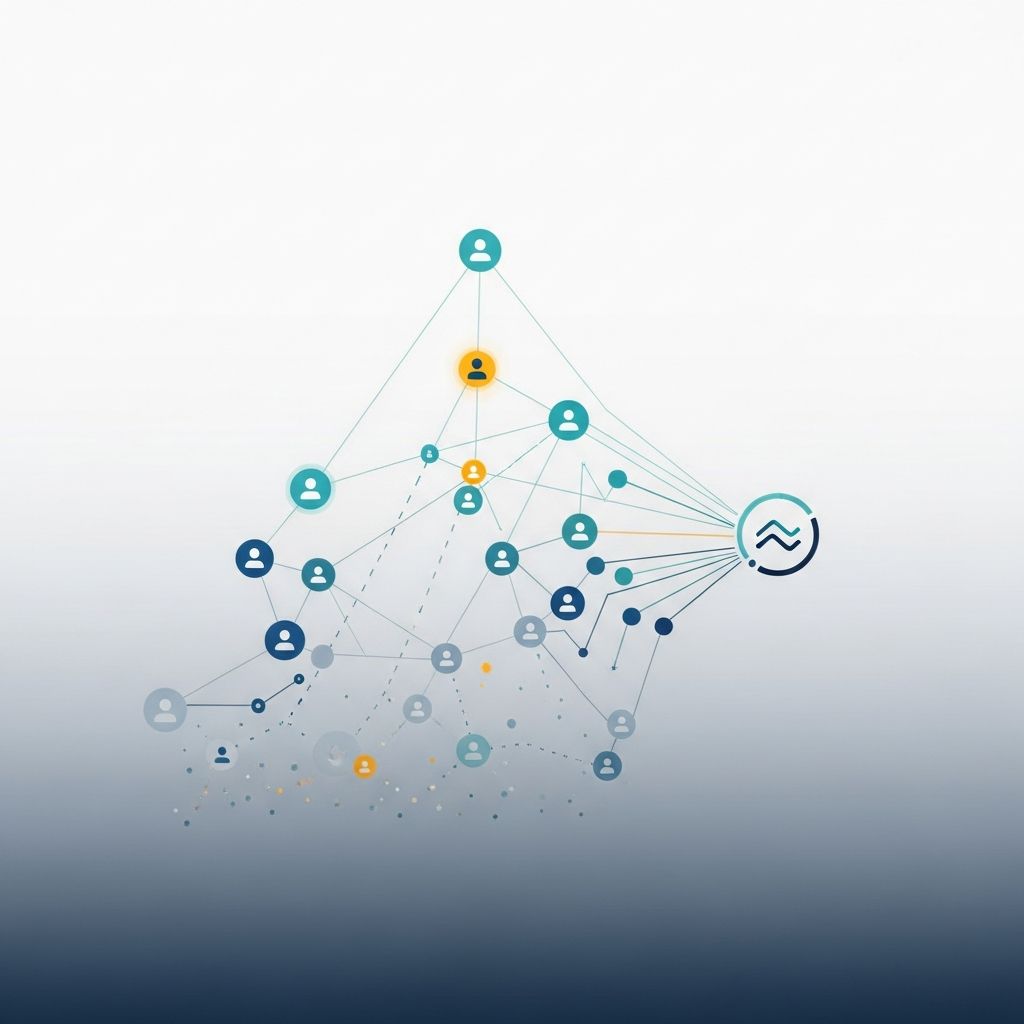
Organizations increasingly recognize that one-size-fits-all learning no longer works. Employees expect tailored development, leaders need targeted support, and HR must prove measurable impact. A well-designed, personalized coaching framework brings these needs together, transforming coaching from ad-hoc sessions into a strategic growth engine.
This article explains how to design a scalable, personalized coaching ecosystem inspired by modern digital coaching platforms and best practices in organizational development. It covers the essential components, from defining strategic goals to embedding coaching into everyday work, and highlights how data and technology enable personalization at scale.
Why Personalization Matters in Modern Coaching
Personalized coaching aligns individual aspirations with organizational strategy while respecting the unique context, role, and strengths of each employee. Research in adult learning and behavior change shows that development is more effective when it is relevant, timely, and connected to real work challenges.
Key benefits of a personalized coaching approach
- Higher engagement: Employees see a clear link between coaching conversations and their daily responsibilities and career goals.
- Faster skill development: Sessions focus on the capabilities each person most needs in the moment, rather than generic curricula.
- Stronger retention: Tailored support signals genuine investment in people, a known driver of retention and commitment.
- Better alignment with strategy: Coaching themes can be mapped to strategic priorities such as transformation, innovation, or inclusive leadership.
- Measurable business impact: Defined outcomes and data tracking link coaching to performance, engagement, and culture indicators.
A Simple Architecture for a Personalized Coaching Framework
Rather than treating coaching as a set of isolated relationships, think of it as an integrated ecosystem built on four layers:
- Strategic alignment – Why the organization is investing in coaching and what success looks like.
- Human-centered design – How individual needs, goals, and contexts are understood and translated into coaching plans.
- Technology and data – How insights, matching, and measurement are supported at scale.
- Operational excellence – How coaching is governed, communicated, and integrated into everyday work.
The following sections unpack each layer and provide practical ideas to implement them.
Clarifying Strategic Intent and Target Populations
Effective personalization starts with clarity about the organizational problems coaching is meant to address. Without this, programs risk becoming a collection of well-intentioned but disconnected initiatives.
Define strategic outcomes first
Begin by articulating a small number of clear, business-relevant outcomes for your coaching ecosystem. Typical focus areas include:
- Leadership readiness for new or expanding roles
- Change agility during transformation, restructuring, or rapid growth
- Inclusive leadership and culture to support diversity, equity, and belonging goals
- Critical role performance in functions such as sales, product, or operations
- Wellbeing and resilience to prevent burnout and sustain high performance
For each outcome, identify how progress will be observed or measured: performance indicators, engagement survey items, 360-feedback, or promotion data.
Segment your audience instead of standardizing
Personalization does not mean creating a unique program for every individual from scratch. Instead, segment employees into meaningful groups and tailor the coaching experience to each segment. Typical segments include:
- First-time people managers
- Senior leaders or executives
- High-potential employees or emerging leaders
- Specialist experts (e.g., engineers, clinicians, analysts)
- Employees in critical transitions such as onboarding or role changes
Each segment can have a distinct mix of coaching formats, focus areas, and success metrics, while still preserving significant individual choice and customization.
Understanding Individual Needs: From Assessment to Goals
Once segments are defined, personalization moves to the individual level. Robust insight into each coachee enables better coach matching, more relevant goals, and focused development plans.
Using assessments to inform coaching journeys
Modern coaching ecosystems often combine several sources of data:
- Self-assessments: Reflections on strengths, values, energy levels, and development priorities.
- 360 feedback: Structured input from managers, peers, and direct reports on leadership behaviors and collaboration.
- Psychometric or personality tools: Instruments that explore preferences, communication styles, or resilience, used ethically and with proper debriefing.
- Performance and engagement data: Trends from existing HR systems highlighting opportunities for support or stretch.
The goal is not to label people, but to create a rich starting point for coaching conversations and personalized goals.
Translating insights into meaningful coaching goals
With data in hand, coachee and coach co-create a small set of specific goals. Strong coaching goals typically:
- Address a real business context (e.g., leading a new team, navigating change, managing conflict).
- Contain both behavioral and result elements (e.g., “Improve cross-team collaboration to reduce cycle times”).
- Are time-bound and observable to the coachee and key stakeholders.
- Connect personal meaning (values, career aspirations) with organizational priorities.
These goals become the backbone of the personalized coaching plan, guiding session focus, experiments, and resources.
Designing Flexible Yet Structured Coaching Journeys
A common challenge is balancing structure (to ensure quality and consistency) with flexibility (to honor individual needs). A practical solution is to define a broad journey with optional pathways.
| Journey Stage | Primary Purpose | Examples of Personalized Elements |
|---|---|---|
| Onboarding & Matching | Build alignment and psychological safety | Coach selection, intake questions, communication preferences |
| Discovery & Goal Setting | Turn data into focused goals | Assessment choice, stakeholder involvement, goal-setting templates |
| Experimentation & Practice | Apply learning in real work | Micro-assignments, shadowing, role play, reflection tools |
| Measurement & Reflection | Evaluate progress against goals | Pulse surveys, behavioral indicators, feedback loops |
| Transition & Continuity | Embed habits and plan next steps | Future development plan, peer networks, manager alignment |
Options for personalization within a common journey
- Offer different session cadences (e.g., weekly at first, then bi-weekly or monthly).
- Allow coachees to choose between virtual, hybrid, or in-person sessions where feasible.
- Provide curated learning resources aligned to specific goals, such as articles, case studies, or short digital modules.
- Incorporate peer or group coaching options for themes that benefit from shared perspectives, like leading through change or inclusive behaviors.
Leveraging Technology and Data for Scalable Personalization
Personalization at scale is difficult to achieve manually. Digital coaching platforms and HR technology can support consistent quality, efficient operations, and data-driven decisions.
Intelligent coach matching
Matching algorithms combine coachee preferences, development goals, language, time zones, and industry background to recommend a shortlist of suitable coaches. This increases the likelihood of strong rapport and relevant experience while giving coachees agency in choosing their coach.
Continuous measurement and analytics
Data should be used for learning and improvement, not surveillance. Useful measures include:
- Engagement indicators: Session attendance, completion rates, and coachee satisfaction scores.
- Self-reported progress: Regular check-ins where coachees rate perceived improvement on defined goals.
- Business-linked metrics: Where appropriate, links to performance, internal mobility, or engagement data at an aggregated level.
- Coach quality indicators: Feedback on coach effectiveness, relevance, and cultural fit to inform future matching.
Analyzing this information helps HR adapt the program, refine criteria for who receives coaching, and identify where additional support is needed.
Aligning Personalized Coaching with Organizational Culture
To avoid coaching becoming an isolated perk, it must connect to the broader culture and people strategy. The most effective ecosystems treat coaching as part of an organization-wide commitment to learning, psychological safety, and shared accountability.
Role of managers and senior leaders
- Managers reinforce coaching themes by providing opportunities to practice, offering feedback, and discussing progress in regular check-ins.
- Senior leaders model coachable behavior by sharing their own experiences of being coached and openly seeking feedback.
- HR and L&D integrate coaching with performance management, succession, and leadership development processes.
When managers and leaders visibly support the coaching ecosystem, employees are more likely to treat it as a strategic enabler rather than a remedial intervention.
Embedding coaching into day-to-day work
Coaching is most powerful when it enables real-time application, not just reflection. Practical ways to integrate coaching with daily work include:
- Designing stretch assignments that align to coaching goals.
- Encouraging pre- and post-meeting reflections with a coach for high-stakes interactions.
- Linking coaching to team rituals such as retrospectives, project debriefs, or innovation sprints.
- Creating peer learning circles where participants share experiments and insights from coaching.
Ensuring Equity, Inclusion, and Psychological Safety
Personalization should support, not undermine, fairness. An intentional design lens helps ensure that coaching access and experiences are equitable.
Equitable access and transparent criteria
Organizations can promote fairness by:
- Defining transparent eligibility criteria for coaching (e.g., role level, transitions, performance plus potential indicators).
- Tracking who receives coaching by demographic and role variables to identify and address disparities.
- Offering multiple coaching formats so that employees in different locations or shifts can participate.
Psychological safety as a design principle
Trust is central to effective coaching. Ethical guidelines and clear communication should reinforce that:
- Individual coaching conversations remain confidential, within agreed boundaries.
- Data shared with the organization is aggregated and anonymized for insights, not used to evaluate individuals.
- Coaches are trained in cultural humility, non-judgment, and inclusive practices.
Governance, Quality, and Continuous Improvement
Even the most personalized system requires thoughtful governance and regular refinement. A light but clear framework helps maintain quality standards without stifling flexibility.
Core elements of coaching governance
- Standards for coaches: Minimum training, supervision, and experience requirements.
- Ethical guidelines: Clear expectations around confidentiality, boundaries, and conflict of interest.
- Program charter: A concise document describing the purpose, scope, and design principles of the coaching ecosystem.
- Feedback mechanisms: Simple ways for coachees, coaches, and managers to share suggestions.
Using feedback loops to evolve the framework
Continuous improvement is as important for the coaching ecosystem as it is for the individuals within it. Consider:
- Quarterly reviews of engagement and impact data to identify trends.
- Listening sessions with cohorts of coachees to explore what is working and what feels missing.
- Regular calibration meetings with coaches to share insights, refine tools, and spot systemic issues.
- Iterative updates to matching criteria, communication, and manager enablement based on evidence.
Practical Steps to Launch or Refresh Your Coaching Ecosystem
Whether you are building a coaching program from scratch or modernizing an existing one, the following sequence can help create momentum:
- Clarify your business case: Identify strategic priorities and define the problem coaching will help solve.
- Start with pilot segments: Select a target population (e.g., first-line leaders) and test your framework before scaling.
- Choose technology partners thoughtfully: Evaluate digital platforms based on matching quality, data security, reporting, and user experience.
- Equip managers: Provide guidance so they can support and reinforce coaching for their teams.
- Communicate clearly: Explain benefits, expectations, and how confidentiality works to increase trust and uptake.
- Measure and share impact: Track both human stories and quantitative indicators, and use them to secure sustained investment.
Frequently Asked Questions (FAQs)
How is personalized coaching different from traditional training?
Traditional training typically delivers the same content to many people at once, often in a classroom or e-learning format. Personalized coaching focuses on the specific goals, context, and behaviors of one individual (or a small group), using dialogue, reflection, and real-time application to support change. Training and coaching are complementary; training builds foundational knowledge, while coaching helps people apply and sustain it in their unique situations.
Can personalized coaching be scaled cost-effectively?
Yes. By segmenting audiences, using blended formats (individual, group, and digital), and leveraging technology for matching, scheduling, and analytics, organizations can provide personalized experiences to larger populations. The key is to reserve the most intensive formats for critical roles and use lighter-touch options elsewhere.
What role should HR play in a coaching ecosystem?
HR and L&D act as architects and stewards of the ecosystem. They define strategic objectives, select and manage external providers or internal coaches, set standards, and ensure coaching connects with broader talent processes such as succession, performance, and learning. They also monitor data and feedback to adapt the program over time.
How long should a coaching engagement last?
Duration depends on goals, complexity, and context. Many leadership coaching engagements last between three and nine months, with sessions weekly or bi-weekly early on and less frequent later. What matters most is a clear start and end, well-defined goals, and space for reflection and integration at the conclusion.
How can we demonstrate the ROI of coaching?
ROI is rarely captured by a single metric. Combine quantitative indicators such as promotion rates, performance changes, or engagement shifts with qualitative evidence such as testimonials, case examples, and manager observations. Comparing outcomes for coached versus non-coached groups can strengthen the case, while acknowledging that many factors contribute to results.
References
- Developing Leaders Through Coaching — Center for Creative Leadership. 2020-06-01. https://www.ccl.org/articles/leading-effectively-articles/what-is-coaching/
- 360-Degree Feedback: What, When, and How — Society for Human Resource Management (SHRM). 2019-08-29. https://www.shrm.org/resourcesandtools/tools-and-samples/toolkits/pages/360-degree-feedback-hr-competencies.aspx
- The Business Case for Investing in People — World Economic Forum. 2019-01-22. https://www.weforum.org/agenda/2019/01/the-business-case-for-investing-in-people/
- Learning for a Lifetime — OECD Skills Outlook. 2021-06-15. https://www.oecd.org/publications/oecd-skills-outlook-2021-0ae365b4-en.htm

- Integrated M.A. in Applied Linguistics, University of Hyderabad
- 5+ years in editorial, instructional, SEO, and research-based writing
Sneha is a relationships and lifestyle writer with a strong foundation in applied linguistics and certified training in relationship coaching. She brings over five years of writing experience to theskillvault, crafting thoughtful, research-driven content that empowers readers to build healthier relationships, boost emotional well-being, and embrace holistic living. Her writing and insights reflect the belief that beauty, happiness, and wellness…