
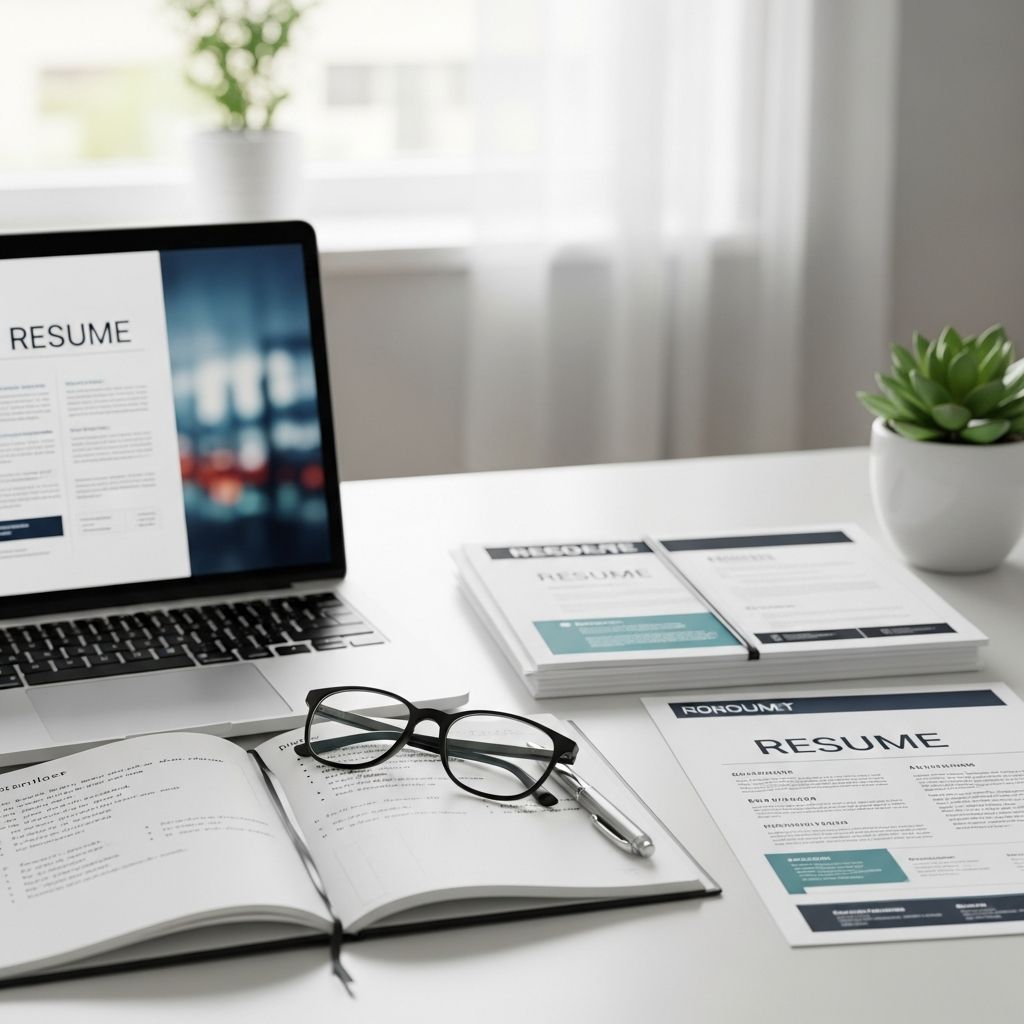
Building Your Career Narrative: The Foundation of an Effective Resume
Your resume serves as your professional introduction to potential employers. It condenses your career journey, achievements, and capabilities into a document that hiring managers typically review for mere seconds. In today’s competitive job market, understanding how to construct and present this critical document has become increasingly important. The right approach to resume building combines strategic content organization with thoughtful design choices that reflect your professional identity while remaining accessible to both human recruiters and automated screening systems.
Modern resume development goes beyond simply listing your job history. It requires a deliberate balance between showcasing your accomplishments, demonstrating relevant skills, and presenting information in a format that aligns with contemporary hiring practices. Whether you are launching your career, transitioning between industries, or advancing to a senior position, the structural decisions you make regarding your resume fundamentally impact your ability to capture attention and secure interviews.
Understanding Design Approaches for Professional Documents
The visual presentation of your resume communicates volumes about your professionalism and attention to detail before a recruiter reads a single word. Contemporary resume design has evolved significantly, moving away from one-dimensional text blocks toward layouts that employ strategic spacing, visual hierarchy, and purposeful formatting. These design elements work together to guide the reader’s eye toward your strongest qualifications while maintaining the professional tone expected in your industry.
Visual Hierarchy and Layout Structures
The physical organization of your resume matters considerably. Single-column layouts create a straightforward narrative flow that works particularly well for chronological presentations of your career progression. Two-column designs, by contrast, allow you to separate your primary content from supplementary information, creating visual breathing room and preventing the document from feeling overwhelming. Multi-column approaches can showcase different categories of information side-by-side, though they require careful balance to avoid appearing cluttered.
The spacing and margins you select influence both readability and how much information you can effectively communicate. Generous white space around text blocks makes your resume easier to scan quickly, while dense paragraphs can cause recruiters to miss important details. The typeface you select should balance personality with professionalism, avoiding ornate fonts that sacrifice legibility for aesthetic appeal.
Color and Visual Elements
Strategic use of color can draw attention to important sections without appearing unprofessional. Accent colors work particularly well in headers, sidebar elements, or subtle dividing lines that separate major sections. However, restraint is crucial—overuse of color can distract from your content and may not reproduce well if your resume is printed or converted to other formats. Icons representing different skill categories or job functions can add visual interest while immediately communicating the type of information that follows.
Selecting the Right Structural Framework
Your resume structure should align with your career narrative and the specific position you are pursuing. Different organizational approaches highlight different aspects of your professional background, making the selection of framework an important strategic decision.
Chronological Organization
This traditional approach lists your employment history from most recent to oldest, creating a clear timeline of your career progression. This structure works exceptionally well if you have maintained steady employment in your field or demonstrate consistent advancement within your industry. Chronological organization makes it easy for recruiters to track your professional growth and understand how your experience has evolved. It also aligns naturally with how most hiring managers expect to see career progression, making your resume intuitive to read.
This approach becomes less effective if you have employment gaps, frequent job changes, or are transitioning into a new field. In these scenarios, the chronological structure may inadvertently highlight aspects of your background that you would prefer to de-emphasize.
Skills-Focused Presentation
Some professionals benefit from emphasizing their capabilities over their employment timeline. This approach organizes content around skill categories relevant to your target position, with your work history serving as supporting evidence rather than the primary focus. Skills-focused resumes work particularly well for creative professionals, career changers, or individuals with non-linear career paths.
This structure allows you to immediately demonstrate that you possess the specific competencies the employer seeks. By organizing skills by category—technical abilities, leadership skills, creative capabilities—you make it effortless for recruiters to identify whether you are a match for their position. However, this format requires extra effort to ensure you still provide sufficient context about where and how you developed these skills.
Hybrid and Balanced Approaches
The most versatile option combines elements of both previous approaches, leading with a robust presentation of relevant skills while maintaining a clear chronological work history that validates and reinforces those capabilities. This balanced structure has gained substantial traction in recent years because it accommodates both traditional hiring managers who expect to see career progression and modern recruiters who want to quickly identify relevant competencies.
Hybrid formats prove particularly valuable during career transitions, as they allow you to highlight transferable skills while still demonstrating legitimate professional experience. This approach also works well for advancement-seeking professionals whose skills have expanded beyond their most recent job title, allowing you to present a more complete picture of your capabilities.
Content Organization and Essential Information Architecture
Beyond overall structure, the specific sections you include and how you sequence them significantly influence how effectively your resume communicates your value.
Professional Identity and Opening Statement
Your resume should open with clear contact information and a brief professional summary that frames your key selling points. This opening statement should be tailored to each position, highlighting the specific value you bring to that particular role or organization. An effective professional summary takes seconds to read but immediately establishes your relevance to the position.
Experience Documentation
When documenting your work history, focus on accomplishments rather than mere task descriptions. For each position, include your job title, organization name, location, and employment dates. Rather than listing responsibilities, use action-oriented language to describe what you achieved, emphasizing quantifiable results where possible. Numbers, percentages, and concrete outcomes make your accomplishments more memorable and credible.
Capabilities Section
Your skills section should directly align with the job posting you are responding to, listing technical proficiencies, languages, software expertise, and other relevant capabilities. Organizing these by category—such as separating technical skills from soft skills—helps readers quickly locate the specific abilities they are seeking.
Educational Background
Include your highest degree, the institution that awarded it, location, and graduation date. If you are early in your career, you may want to position education more prominently. For experienced professionals, education typically appears toward the bottom of the resume. Include relevant coursework, honors, or certifications only if they directly strengthen your candidacy for the position you are pursuing.
Technical Considerations for Modern Hiring Systems
Today’s hiring landscape involves both human reviewers and automated applicant tracking systems that scan resumes for specific keywords and formatting structures. Understanding how to optimize your document for both audiences is essential.
Applicant tracking systems rely on consistent formatting and strategic keyword placement. Using standard fonts, clear section headings, and conventional structure helps these systems properly parse your information. Incorporating industry-specific terminology and keywords from the job description increases the likelihood that your resume will be flagged by these systems as a match. However, keyword inclusion must feel natural and authentic—stuffing your resume with irrelevant terms will be obvious to human readers and may harm your candidacy.
Your document should be easily convertible to different formats without losing critical information. While aesthetically pleasing designs are important, never sacrifice substance for style. A beautifully designed resume that becomes unreadable when converted to plain text has failed its primary purpose.
Specialized Resume Approaches for Different Career Stages
Your career stage should influence both the structure and emphasis of your resume.
Entry-Level Positioning
Recent graduates or those entering their first professional role should prioritize their education section, featuring relevant coursework, academic honors, and projects that demonstrate capability. Internships, volunteer experience, and academic leadership roles provide legitimate evidence of your abilities. Focus on transferable skills and the potential value you bring rather than extensive professional experience you may not yet have.
Mid-Career Documentation
Professionals with several years of experience should emphasize career progression and expanding responsibilities. Demonstrate how you have grown within your field and taken on increasingly significant roles. Highlight achievements that show both technical competence and professional development.
Senior Professional Presentation
Experienced professionals should focus on leadership accomplishments, significant projects you have directed, and the broader business impact of your work. Demonstrate strategic thinking and the ability to drive organizational success. Highlight your involvement in major initiatives, teams you have led, and outcomes you have influenced.
Industry-Specific Customization Strategies
Different industries have varying expectations for how resumes should be structured and what information should be emphasized. Understanding your industry’s norms helps you present yourself in the most compelling way for that specific market.
Creative fields like design, marketing, and entertainment often appreciate more visually interesting resumes that demonstrate your design sensibilities and creative capabilities. These industries value individuality and innovation in presentation. Conversely, traditional industries like finance, law, and academia typically prefer conservative, straightforward resume designs that emphasize content over visual embellishment.
Specialized fields may require additional certifications or licenses to be prominently displayed. Educators, healthcare professionals, and technical specialists should ensure that relevant credentials are immediately visible to recruiters screening for these specific requirements.
Formatting Principles That Enhance Readability
Regardless of the specific style or structure you choose, certain formatting principles universally enhance how effectively your resume communicates.
Typography and Font Selection
Select a readable sans-serif font for body text, with sizes between 10 and 12 points for main content. Headings can be larger and may use different fonts to create visual distinction. Maintain consistency throughout your document—using the same font family and style for all similar elements creates a cohesive, professional appearance.
Bullet Point Effectiveness
Break up dense text blocks with bullet points that highlight individual accomplishments or responsibilities. Each bullet should communicate one distinct idea, making it easy for readers to quickly scan and identify relevant information. Begin each bullet with a strong action verb that conveys the work you performed.
Alignment and Organization
Consistent alignment of text elements creates visual order and makes your resume easier to scan. Left alignment is typically preferred for Western-language resumes. Ensure that dates, job titles, and other comparable information align vertically within sections, reinforcing the organizational structure and making information relationships clear.
Consistency in Date Formatting
Select a single date format and apply it throughout your document. Whether you choose “May 2023 – August 2024,” “05/2023 – 08/2024,” or another convention, consistency prevents your document from appearing careless or hastily prepared. Using “Present” for current positions clearly indicates ongoing employment.
Frequently Asked Questions
What length should my resume be?
Most hiring managers prefer one-page resumes, though two pages is acceptable for highly experienced professionals with extensive accomplishments to showcase. Early-career professionals should aim for one page, while those with 10+ years of experience may reasonably expand to two pages. Focus on quality over quantity—every element should strengthen your candidacy.
Should I include a photograph on my resume?
In most English-speaking countries, including a photograph is unnecessary and sometimes discouraged. However, certain industries and regions have different norms. Research expectations within your specific field and location before adding a photo.
How often should I update my resume?
Update your resume whenever you complete significant projects, earn relevant certifications, or assume new responsibilities. At minimum, refresh it before actively job searching. Keeping an updated master document makes it easy to quickly tailor versions for specific opportunities.
Is it important to tailor my resume for each position?
Yes, customizing your resume for each position substantially increases your chances of securing an interview. Adjust your professional summary, highlight relevant skills prominently, and incorporate keywords from the job description. This customization helps both applicant tracking systems and human reviewers quickly identify your fit for the specific role.
What file format should I use when submitting my resume?
Unless specifically instructed otherwise, submit your resume as a PDF to preserve formatting across different computers and operating systems. PDF files maintain design elements and layout exactly as you created them, whereas Word documents may display differently depending on the recipient’s software and settings.
References
- Create a Strong Resume — Harvard University Mignone Center for Career Success. Updated 2024. https://careerservices.fas.harvard.edu/resources/create-a-strong-resume/
- The Best Resume Format for 2025 (Templates & Examples) — ResumeGenius. Updated 2024. https://resumegenius.com/blog/resume-help/resume-format
- 5 Resume Formats That Will Dominate 2025 (And 3 That Are Now Obsolete) — The Interview Guys. Updated 2024. https://blog.theinterviewguys.com/5-resume-formats-that-will-dominate/
- Free Resume Templates for 2025 — Zety. Updated 2024. https://zety.com
- Best Resume Templates to Get Hired in 2025 — ResumeNerd. Updated 2024. https://www.resumenerd.com/resume-templates

Medha Deb is an editor with a master's degree in Applied Linguistics from the University of Hyderabad. She believes that her qualification has helped her develop a deep understanding of language and its application in various contexts. Medha specializes in the areas of beauty, health, sports, and wellness and is committed to ensuring that the content on the website is…