
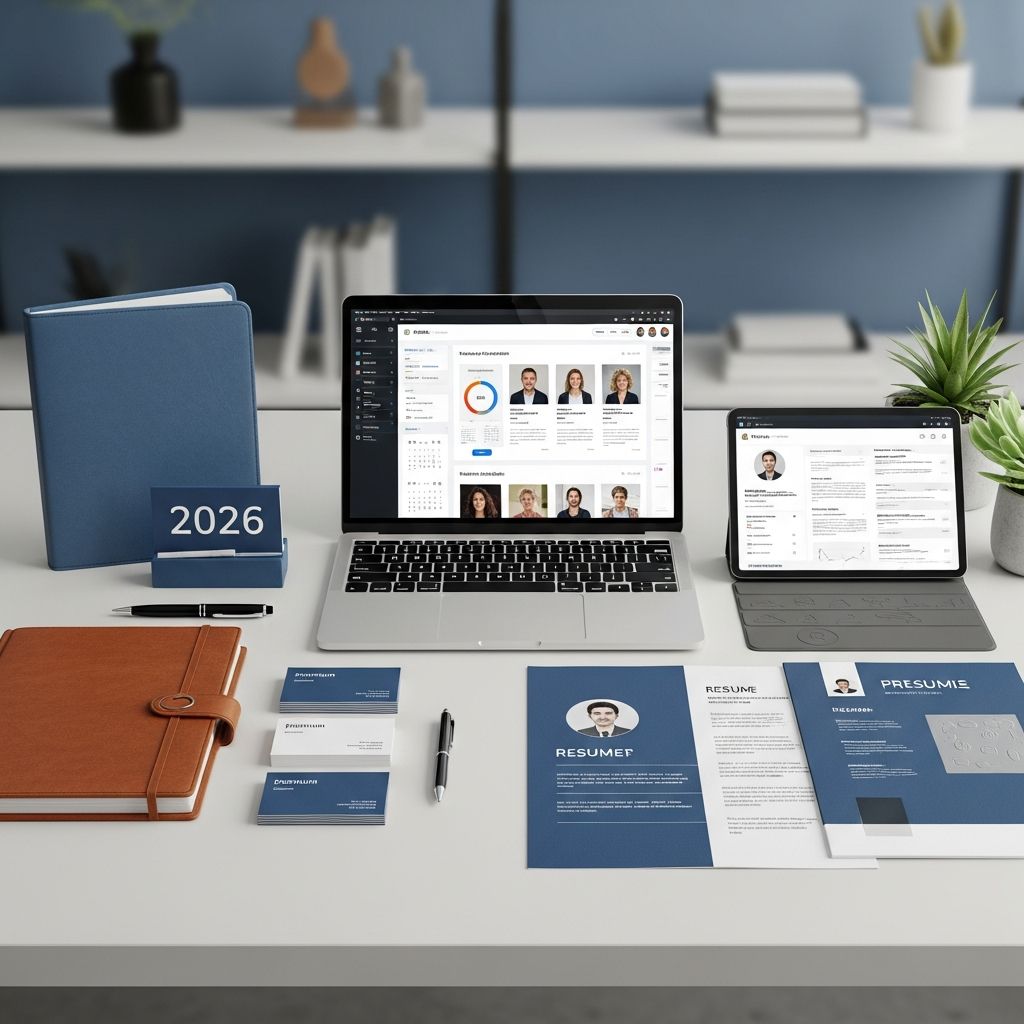
In today’s dynamic job market, a well-crafted career portfolio serves as a powerful tool to demonstrate your expertise beyond a resume. It provides tangible proof of your contributions, skills, and growth, helping you stand out to recruiters and hiring managers. This guide explores how to design, populate, and maintain a portfolio that aligns with 2026 career trends, emphasizing data-driven results and digital optimization.
Why Your Career Portfolio Matters Now More Than Ever
Career portfolios have evolved from optional add-ons to essential assets, especially in creative, tech, consulting, and leadership roles. They allow you to narrate your professional journey through visuals, metrics, and stories, making abstract skills concrete. Recruiters spend mere seconds scanning profiles, so a portfolio that quickly conveys impact can be the difference between an interview invite and being overlooked.
- Visual Storytelling: Portfolios turn projects into engaging narratives, showing process and outcomes.
- Proof of Impact: Metrics like revenue growth or efficiency gains validate claims on your resume.
- Versatility: Adaptable for industries from design to management, proving adaptability.
With remote work and AI screening on the rise, portfolios hosted on personal sites or platforms like Behance or GitHub offer control and SEO benefits, ensuring visibility to targeted employers.
Defining Your Portfolio’s Core Purpose and Audience
Before assembling content, clarify your objectives. Are you targeting creative agencies, tech firms, executive roles, or freelance gigs? This focus shapes every element. Similarly, identify your audience—hiring managers prioritize results, while peers value innovation.
| Goal | Target Audience | Key Focus Areas |
|---|---|---|
| Land Brand Deals | Marketing Teams | Audience metrics, past collaborations |
| Secure Tech Job | Engineering Leads | Code samples, project outcomes |
| Executive Pivot | C-Suite Recruiters | Leadership case studies, ROI data |
| Freelance Work | Potential Clients | Diverse samples, testimonials |
Conduct a self-audit: List all projects, score them on relevance and strength, and select 8-12 top performers. Prioritize recency and alignment with future goals to signal proactive career management.
Selecting and Curating Your Top Achievements
Quality trumps quantity—curate pieces that highlight peak performance. For each, develop a mini-case study structure:
- Challenge: Describe the problem or brief.
- Approach: Outline your strategy, tools, and innovations.
- Results: Quantify with specifics, e.g., “Boosted engagement 40% via targeted campaigns.”
- Reflection: Note lessons learned for growth demonstration.
Incorporate multimedia: high-res images, embedded videos, or interactive demos. For non-visual fields like consulting, use charts showing before/after metrics or client testimonials. Ensure diversity to show versatility without diluting focus.
Designing for Maximum Impact and Accessibility
A portfolio’s design must prioritize usability. Opt for clean, mobile-first layouts since over 60% of views occur on phones. Consistent branding—colors, fonts, logo—builds instant recognition.
- Navigation: Simple menu with Home, Work, About, Contact.
- Load Speed: Compress images; aim for under 3 seconds.
- Call-to-Action: Prominent contact buttons on every page.
- Personality: Infuse your unique voice through tone and visuals.
Tools like Elementor, Squarespace, or Carrd enable quick builds. Test on multiple devices and gather feedback for refinements.
Integrating Metrics and Evidence of Success
Numbers speak loudest. Transform vague achievements into data: “Managed $2M budget, delivering 25% under cost.” For creatives, track views, shares, or conversions. Include social proof—awards, endorsements, media features.
Leverage AI for optimization: Analyze job postings for keywords and weave them in naturally. Tools can refine copy for clarity and ATS compatibility.
Platform Choices: From Personal Sites to Specialized Hubs
Host strategically:
- Personal Website: Full control, SEO advantages.
- Behance/Dribbble: Creative networking.
- GitHub: Developers’ gold standard.
- LinkedIn Featured: Quick integration.
Maintain multiples, linking them for cross-traffic. Update quarterly to reflect new wins and stay algorithm-friendly.
Promotion Strategies to Reach Decision-Makers
Building is half the battle; visibility completes it. Share via LinkedIn posts, email signatures, and networking events. Embed links in resumes and cover letters. Track analytics—views, bounce rates—to refine.
Network by offering portfolio reviews in industry groups, positioning yourself as an expert.
Common Pitfalls and How to Avoid Them
Avoid these traps:
- Overloading: Stick to 8-12 items; less is more.
- Dated Content: Refresh visuals and tech annually.
- No Metrics: Always quantify impact.
- Poor Mobile View: Test rigorously.
- Generic Bio: Personalize to resonate.
Frequently Asked Questions
What should be in a 2026 career portfolio?
A mix of 8-12 top projects with case studies, metrics, bio, testimonials, and clear contact info, tailored to your goals.
How often should I update my portfolio?
Quarterly for active professionals; annually minimum to keep it relevant and signal ongoing growth.
Do non-creative professionals need portfolios?
Yes—managers and consultants benefit from case studies proving ROI and leadership.
Can AI help build my portfolio?
Absolutely: Use it for keyword optimization, copy editing, and visualizing data trends.
How do I make my portfolio stand out?
Storytell with process insights, personalize design, and back claims with hard metrics and testimonials.
Future-Proofing Your Portfolio for 2026 and Beyond
As AI and remote hiring advance, emphasize human elements like creativity and adaptability. Integrate emerging trends: VR demos, blockchain-verified achievements. Regularly align with market shifts via industry reports.
A dynamic portfolio not only secures jobs but builds your personal brand, opening doors to partnerships and opportunities. Invest time now for long-term returns.
References
- Professional Creator Portfolios 2026 Guide — InfluenceFlow. 2026-01-01. https://influenceflow.io/resources/professional-creator-portfolios-the-complete-2026-guide-to-showcasing-your-work/
- 13 Best Practices for Effective Project Portfolio Management in 2026 — ITONICS Innovation. 2026-01-01. https://www.itonics-innovation.com/blog/effective-project-portfolio-management
- Land That Dream Job: Your 2026 Guide to a Killer Portfolio Website — Elementor. 2026-01-01. https://elementor.com/blog/land-that-dream-job/
- How To Update Your Professional Portfolio In 2026 — Her Agenda. 2026-01-01. https://heragenda.com/p/how-to-strategically-update-your-professional-portfolio-before-the-new-year-begins/
- What is a Career Portfolio & What to Include [2026 Guide] — Teal HQ. 2026-01-01. https://www.tealhq.com/post/who-should-have-a-career-portfolio-and-how-often-should-it-be-updated-in-2022

Medha Deb is an editor with a master's degree in Applied Linguistics from the University of Hyderabad. She believes that her qualification has helped her develop a deep understanding of language and its application in various contexts. Medha specializes in the areas of beauty, health, sports, and wellness and is committed to ensuring that the content on the website is…