
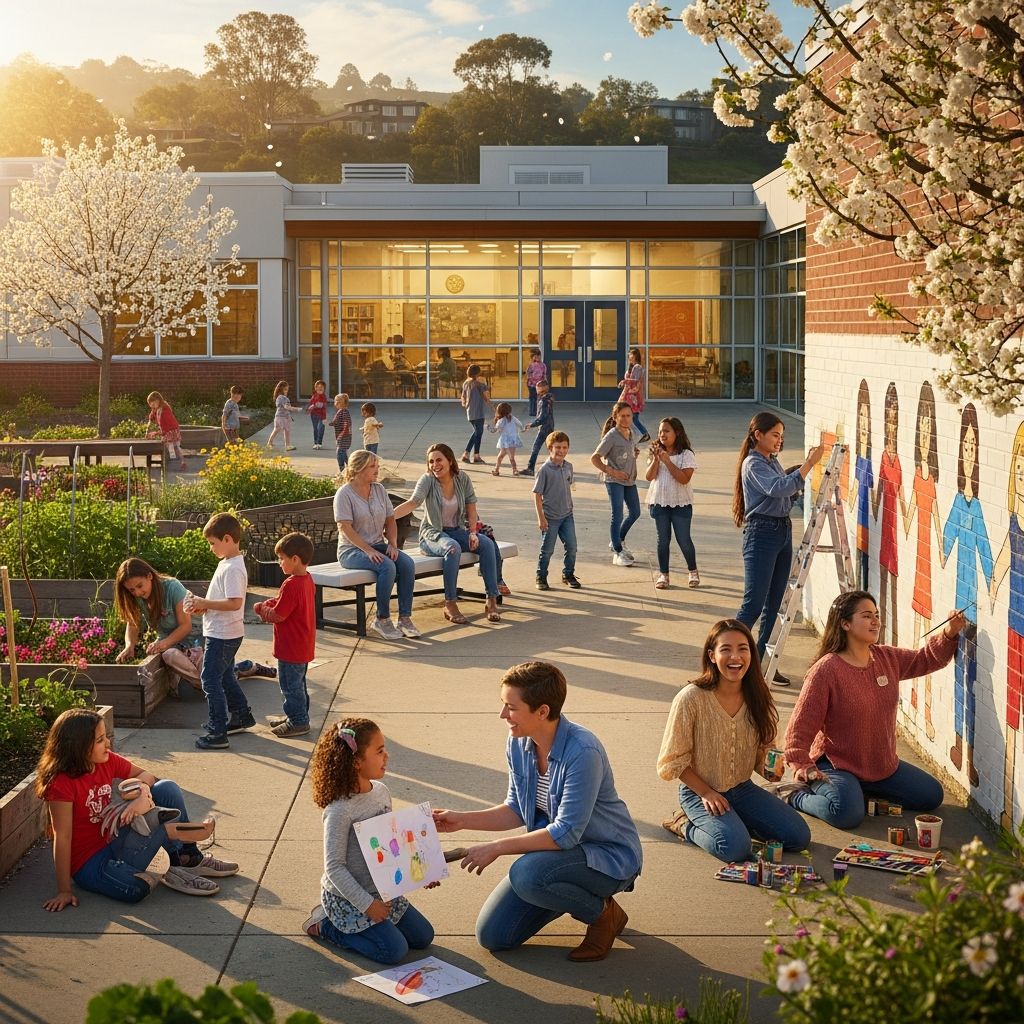
A strong school community culture transforms ordinary classrooms into vibrant hubs of learning and growth. When students, teachers, and families feel connected, academic performance improves, behavior challenges decrease, and everyone thrives. This guide explores actionable strategies drawn from educational research and best practices to help schools establish lasting unity and support.
Understanding the Foundations of School Community
The bedrock of any successful school lies in its community dynamics. A supportive environment encourages risk-taking in learning, fosters emotional safety, and promotes mutual respect. Research from Harvard Graduate School of Education emphasizes that instructors must intentionally shape physical spaces, encourage diverse thinking, and model respectful interactions to build this culture. Without these elements, students may feel isolated, leading to disengagement.
Key foundations include clear expectations for behavior, inclusive signage that reflects student diversity, and routines that prioritize relationships. Schools that invest here see reduced disruptions and heightened motivation, as students learn social skills alongside academics.
Starting Strong: Setting the Tone from Day One
The first days of school set the trajectory for the entire year. Begin with icebreaker activities, group tours, and team-building exercises for both students and staff. Display welcoming messages on bulletin boards featuring diverse representations to signal inclusivity.
For staff, pair new educators with mentors to build professional bonds. These early steps create comfort and integration, paving the way for collaboration. Positive openings lead to cohesive interactions that reinforce shared values throughout the term.
Cultivating Trust Through Meaningful Relationships
Trust underpins every positive school culture. Harvard researchers note that frequent, cohesive interactions among community members spread vision and beliefs effectively. Leaders build this by aligning actions with words, holding accountable discussions on equity, and engaging families as co-educators.
- Conduct hallway chats with parents to understand their preferences.
- Host forums for open dialogues on student outcomes.
- Partner with local organizations to leverage community expertise.
These efforts elevate all voices, ensuring students from varied backgrounds feel valued and supported.
Empowering Student Voices and Participation
Students flourish when given agency. Implement weekly meetings where small groups share concerns, highlights, or questions about class rules. This touch-base ritual, lasting just 10-15 minutes, strengthens bonds and accountability.
Additional methods include anonymous comment cards with prompts like “One thing I wish my teacher knew” or digital forums for feedback. Such practices illuminate student perspectives, building empathy and connection. Giving everyone a classroom job—tied to learning, emotions, or maintenance—further instills belonging and importance.
Implementing Daily Rituals for Positivity
Consistent small actions yield big results. Introduce shout-outs or compliment circles where students recognize peers’ efforts. A first-grade teacher rings a chime for voluntary shout-outs, celebrating attempts at tough tasks and fostering peer positivity.
Other rituals:
- Friendly Fridays: Anonymous notes, self-talk practice, or peer pep talks to uplift moods.
- Gratitude shares: Color-coded prompts paired with partners for quick reflections.
- Closing circles: Share appreciations, apologies, or insights daily to bond the group.
These low-prep habits reinforce good behavior and create a cycle of encouragement.
Collaborating on Shared Goals and Rewards
Unity grows through collective purpose. Set class-wide targets based on behavior or performance, linked to rewards like extra recess or group games. Tracking progress visually motivates adherence and teamwork.
Co-create rules as a group, generating terms that students own, rather than top-down mandates. This ownership promotes responsible conduct. Extend to school-wide initiatives, like kindness challenges where students log acts on a digital wall, prompting organic positivity.
Promoting Inclusivity and Cultural Relevance
True community honors every identity. Incorporate students’ languages, gestures, and cultural elements into daily routines to affirm authenticity. Peer mentorship pairs older students with newcomers, building leadership and connections across grades.
Physical spaces matter: Use inclusive signage, staff spotlights, and diverse displays. Protect emotional safety by addressing bullying swiftly and celebrating varied talents. These steps ensure all feel represented in the school narrative.
Addressing Behavior Through Community Norms
A robust community naturally curbs issues. Clear rules, procedures, and consequences teach respectful interactions and social development. When expectations align with community values, students internalize them, reducing conflicts.
| Strategy | Benefit | Example |
|---|---|---|
| Group Salutes | Quick bonding post-activity | High-fives or gratitude shares |
| Kindness Logs | Reinforces unprompted positivity | Digital thank-you wall |
| Class Jobs | Instills purpose | Academic credit for roles |
| Weekly Check-Ins | Addresses concerns early | Student-led discussions |
This table highlights efficient tools for maintaining harmony.
Leveraging Technology and Spaces for Connection
Modern tools amplify community. Digital kindness walls or forums extend shout-outs beyond class time. Optimize physical layouts for collaboration: Arrange desks in circles for discussions and ensure accessible, welcoming areas.
School websites can spotlight events, staff achievements, and student work, extending community to families remotely.
Sustaining Momentum Year-Round
Building culture is ongoing. Regular assessments via surveys gauge progress, allowing adjustments. Seasonal events, like cultural fairs or gratitude weeks, refresh engagement. Leadership commitment—modeling vulnerability and active listening—sustains vitality.
Over time, these layered efforts create resilient communities where learning flourishes amid trust and joy.
Frequently Asked Questions (FAQs)
What is the fastest way to build classroom community?
Daily shout-outs or compliment circles provide immediate positivity and peer recognition, fostering quick bonds.
How do shared goals impact student behavior?
They incentivize cooperation with tangible rewards, improving performance and unity.
Why involve families in school culture?
Partnerships make parents co-educators, enhancing trust and support for student success.
Can these strategies work in large schools?
Yes, scale via grade-level meetings, digital platforms, and mentorship programs for broad reach.
How often should community activities occur?
Daily rituals paired with weekly meetings maintain consistent connection without overwhelming schedules.
References
- 5 Strategies for Building Community in the Classroom — NSHSS. 2023. https://www.nshss.org/resources/blog/blog-posts/5-strategies-to-build-community-in-the-classroom/
- 10 Powerful Community-Building Ideas for the Classroom — Edutopia. 2023. https://www.edutopia.org/article/10-powerful-community-building-ideas/
- Building Community — Harvard Graduate School of Education. 2023. https://instructionalmoves.gse.harvard.edu/building-community
- 8 Tips for Creating a Welcoming & Inclusive School Culture — Alongside.care. 2023. https://www.alongside.care/learn/8-tips-for-creating-a-welcoming-inclusive-school-culture
- Innovative Ways to Create A Positive School (and District) Culture — New Leaders. 2023. https://www.newleaders.org/blog/innovative-ways-to-create-a-positive-school-and-district-culture
- Supportive Environments Create Classroom Community — PBISApps. 2023. https://www.pbisapps.org/articles/supportive-environments-create-classroom-community

Medha Deb is an editor with a master's degree in Applied Linguistics from the University of Hyderabad. She believes that her qualification has helped her develop a deep understanding of language and its application in various contexts. Medha specializes in the areas of beauty, health, sports, and wellness and is committed to ensuring that the content on the website is…