
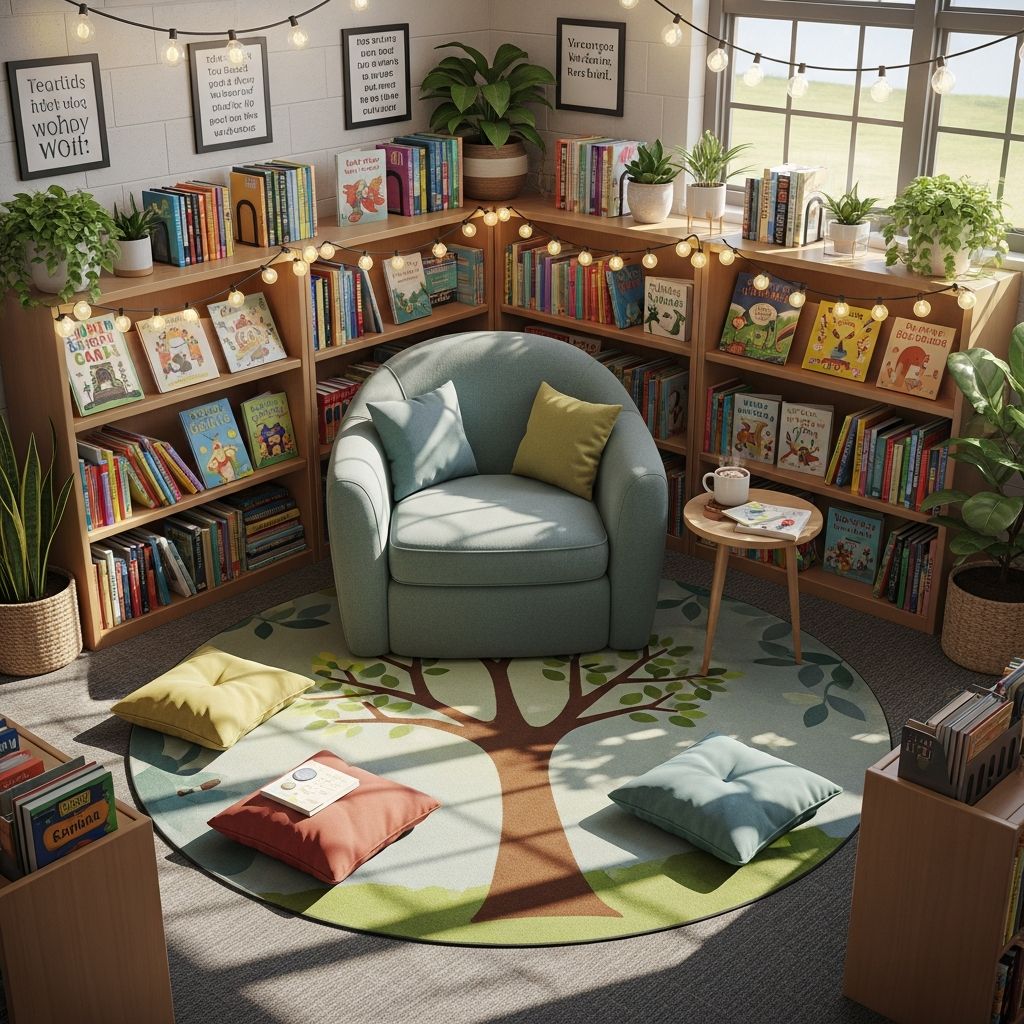
A well-crafted classroom reading haven serves as the heart of literacy instruction, offering students easy access to captivating materials that nurture their skills and curiosity. Research indicates that students in classrooms with robust libraries read more frequently and achieve higher academic outcomes, making this investment pivotal for educators.
Why Prioritize a Dynamic Reading Space?
Establishing a dedicated reading area goes beyond mere book storage; it cultivates an environment where learners explore ideas independently, build vocabulary, and connect with diverse narratives. Such spaces support differentiated learning by matching texts to individual abilities, from emerging readers to advanced ones. They also promote social-emotional growth through stories reflecting varied backgrounds, ensuring every child feels represented.
Effective reading havens integrate seamlessly with curriculum goals, providing resources for cross-disciplinary exploration like science-themed tales or historical fiction. When students select their own books, engagement surges, leading to sustained reading habits that extend beyond school hours.
Selecting Books That Captivate and Educate
Curate your collection thoughtfully to span genres, levels, and themes. Include picture books for visual storytelling, phonics-focused decoders for skill-building, engaging narratives for plot immersion, factual non-fiction for knowledge expansion, and precisely leveled texts for targeted practice.
- Picture Books: Ideal for younger learners, these foster imagination and language patterns.
- Decoding Books: Support phonemic awareness with repetitive sounds and simple words.
- Narrative Books: Build comprehension through character development and sequences.
- Informational Books: Encourage inquiry with real-world facts and visuals.
- Leveled Books: Match readability to student needs, using a hybrid system for flexibility.
Diversity is non-negotiable: stock titles featuring protagonists from various cultures, abilities, and family structures to mirror your classroom’s mosaic. Consider cognitive stages, interests, and upcoming units to keep selections fresh and relevant.
Designing an Inviting Physical Layout
Transform a classroom corner into a cozy retreat with soft rugs, cushions, dimmable lamps, and flexible seating like bean bags or floor pillows. Position it away from high-traffic zones for minimal disruptions, yet accessible during all activities.
Enhance ambiance with thematic decor—posters of famous authors, student artwork, or rotating displays of curriculum-linked titles. Wall space around the area can showcase learner creations, reinforcing pride and ownership.
| Element | Purpose | Budget Tip |
|---|---|---|
| Rugs & Cushions | Comfort for prolonged reading | Thrift stores or donations |
| Book Displays | Eye-catching visibility | DIY stands from boxes |
| Lighting | Cozy atmosphere | Battery-operated LEDs |
| Plants/Decor | Calming vibe | Classroom-grown or faux |
This setup not only invites use but also signals reading as a valued, enjoyable pursuit.
Mastering Organization for Independence
Streamline access with intuitive systems: label bins by genre (fantasy, mystery, biography), topic (animals, space), or level (using dots or colors). Spine labels should note title, author, and category, with unique codes for tracking.
A hybrid organization—genres for browsing, levels for take-home—balances choice and instruction. Limit bin capacities to prevent overload, and designate a return slot for smooth circulation.
- Sort into categories matching student needs.
- Apply durable, colorful labels.
- Introduce system via modeling and practice.
- Involve students in maintenance for buy-in.
Interactive elements like recommendation boards amplify excitement, letting peers spotlight favorites.
Implementing a Seamless Checkout System
Empower students with simple protocols: cap checkouts at 2-3 books, enforce gentle handling, and use voice-level rules for browsing. Tools range from index cards to digital sheets for logging.
Appoint rotating “librarians” to oversee returns, reshelving, and inventory. Regular audits catch issues early, while emphasizing care builds responsibility.
Budget-Savvy Strategies for Expansion
Building without breaking the bank starts with community: solicit donations from families, teachers, and librarians. Create Amazon wish lists for targeted gifts, host read-a-thons, or apply for grants.
- Network with colleagues for swaps.
- Leverage school library discards.
- Seek free texts from publishers’ surplus.
- Fundraise via book fairs or events.
Include varied formats—magazines, comics, brochures—to hook reluctant readers affordably.
Fostering Student Leadership and Ownership
Make the space collaborative: students sort arrivals, curate displays, and vote on purchases. This instills stewardship and deepens appreciation.
Rotate stock to align with units, previewing future topics to spark anticipation. Monitor usage via surveys to refine offerings.
Sustaining Momentum and Parental Ties
Refresh quarterly with weeding and additions. Partner with parents via catalogs, reading challenges, or home extension lists to reinforce habits.
Track impact through reading logs or conferences, adjusting based on data.
Frequently Asked Questions (FAQs)
What is the ideal number of books for a classroom library?
Aim for 20-30 titles per student, prioritizing quality and variety over quantity to ensure ample choices without overwhelm.
How do I organize for mixed reading levels?
Use a hybrid: genres for free choice, dedicated leveled sections for instruction and practice.
Can I build this on a tight budget?
Yes—donations, wish lists, grants, and swaps can amass hundreds of books quickly.
How often should I rotate books?
Seasonally or per unit to maintain freshness and tie into curriculum.
What role do parents play?
They donate, review catalogs, and support home reading via aligned recommendations.
References
- How to Set Up Your Classroom Library — Voyager Sopris Learning. 2023. https://www.voyagersopris.com/vsl/blog/classroom-library
- Effective Classroom Library Strategies Guide — Bookmarked. 2023. https://bookmarked.com/hubfs/Effective%20Classroom%20Library%20Strategies%20Guide.pdf?hsLang=en
- Building an Effective Classroom Library — ERIC (Susan Catapano). 2015-06-01. https://files.eric.ed.gov/fulltext/EJ1068161.pdf
- A Guide to Classroom Library Organization — Continental Press. 2023. https://www.continentalpress.com/blog/guide-to-classroom-library-organization/
- 7 Tips for Building a Classroom Library on a Budget — Brookes Publishing. 2023. http://blog.brookespublishing.com/7-essential-tips-for-building-a-classroom-library-on-a-budget/

Medha Deb is an editor with a master's degree in Applied Linguistics from the University of Hyderabad. She believes that her qualification has helped her develop a deep understanding of language and its application in various contexts. Medha specializes in the areas of beauty, health, sports, and wellness and is committed to ensuring that the content on the website is…