
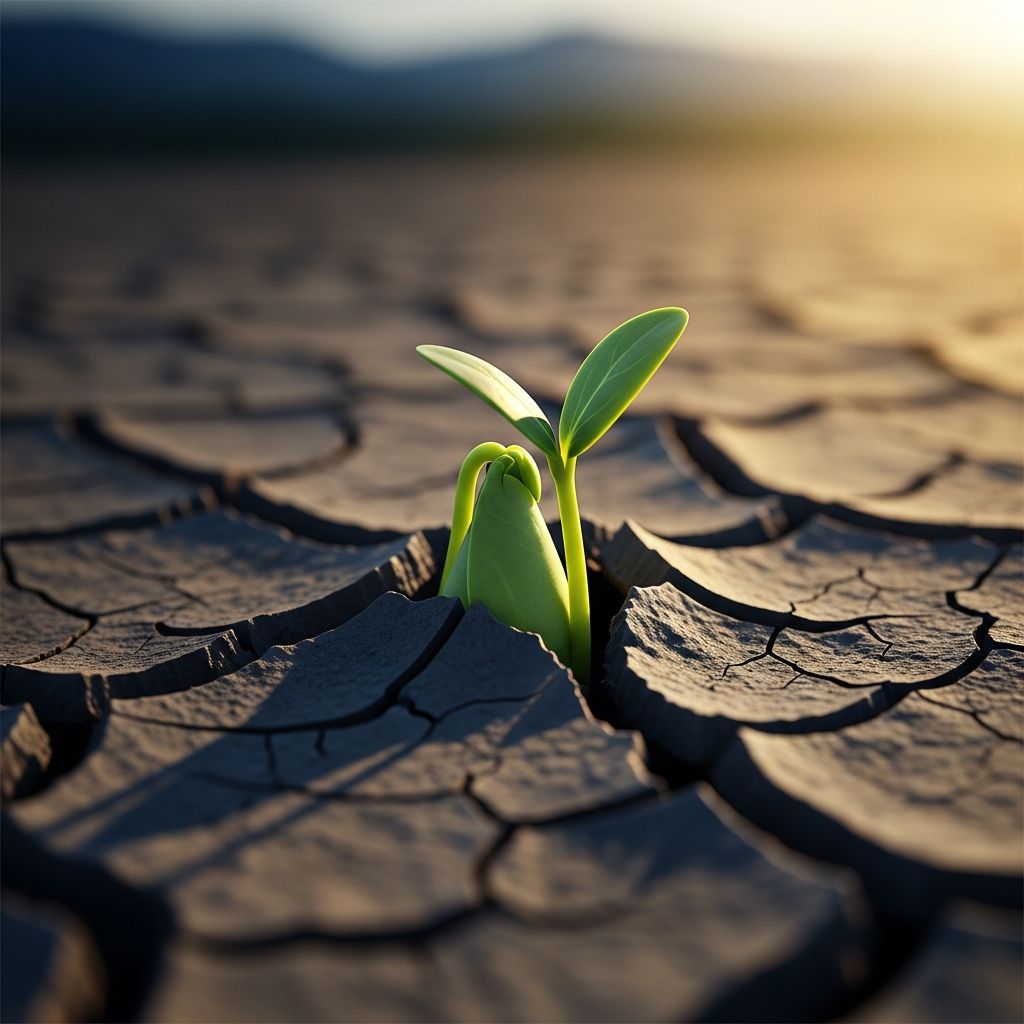
Boldness is the spark that ignites extraordinary achievements, enabling individuals to step beyond comfort zones and seize opportunities. Unlike fleeting bravery, true boldness emerges from cultivated habits that reshape mindset and behavior, fostering resilience against doubt and hesitation. This article explores transformative strategies grounded in psychological principles to help you harness this power.
Understanding the Foundations of Boldness
Boldness stems from a blend of self-assurance and willingness to act despite uncertainty. Research in positive psychology highlights self-efficacy—belief in one’s ability to succeed—as a core driver, influencing motivation and persistence. High self-efficacy correlates with bolder actions, as individuals trust their capacity to navigate challenges.
Physiologically, boldness links to confident postures that elevate hormones like testosterone while reducing cortisol, according to studies by Harvard psychologist Amy Cuddy. Adopting expansive stances, such as standing tall with open shoulders, can trigger these biochemical shifts, priming the body for courageous decisions.
At its essence, boldness is actionable confidence. As Dr. Russ Harris notes in The Confidence Gap, confident feelings often follow bold behaviors rather than preceding them—act first, and assurance builds.
Reframing Your Inner Dialogue for Courage
The voice in your head shapes your boldness. Negative self-talk erodes resolve, while positive reframing builds it. Start by auditing thoughts: notice patterns like ‘I can’t handle this’ and replace them with empowering alternatives, such as ‘I am equipped to tackle this step by step.’
Positive affirmations, when rooted in reality, counteract limiting beliefs. Phrase them in present tense: ‘I deliver compelling presentations with clarity and poise.’ Studies affirm that such practices remind individuals of their strengths, boosting self-esteem before high-stakes moments like interviews.
- Identify recurring doubts and rewrite them as achievements.
- Practice daily: Speak affirmations aloud, ideally before a mirror, to reinforce neural pathways.
- Track progress in a journal to witness mindset shifts over time.
This technique fosters a supportive internal environment, turning hesitation into proactive momentum.
Embracing Physical Movement to Fuel Mental Strength
Exercise is a boldness catalyst, elevating energy, mood, and self-perception. Regular activity—aim for 30 minutes, three times weekly—releases endorphins, combats depression, and enhances body image, all amplifying confidence.
Beyond cardio, power poses integrate movement with mindset. Spend two minutes in a ‘victory stance’—hands on hips, chest out—to increase risk tolerance and presence. Martial arts or yoga further instill discipline, as one practitioner shared: persistent practice transformed initial inadequacy into profound self-esteem.
| Activity Type | Duration | Boldness Benefit |
|---|---|---|
| Aerobic (running, cycling) | 30 min, 3x/week | Boosts energy and mood resilience |
| Strength training | 20-45 min | Builds physical and mental toughness |
| Power posing | 2 min daily | Hormonal shift for immediate courage |
Incorporate these to create a feedback loop where physical vitality reinforces bold actions.
Setting and Conquering Incremental Challenges
Boldness grows through mastery of small victories. Begin with specific, achievable goals to build momentum—rather than ‘transform my career,’ target ‘network with three professionals this week.’
Visualize success vividly: Imagine the scenario, your poised demeanor, and triumphant outcome. This mental rehearsal enhances self-efficacy and prepares you for real-world execution.
- Define precise goals with measurable outcomes.
- Break into micro-steps to ensure early wins.
- Celebrate each accomplishment to anchor positive associations.
Failures are data points, not defeats. Reflect: What worked? What to adjust? This learner’s mindset transmutes setbacks into stepping stones.
Cultivating Gratitude and a Positive Self-View
Gratitude redirects focus from lacks to abundances, fortifying boldness. High achievers daily note three appreciations, shifting perspective from scarcity to sufficiency, which elevates confidence.
Shape your self-image by emphasizing strengths over flaws. List talents, past successes, and unique contributions. Regularly review to internalize a robust self-concept.
- Morning ritual: Jot gratitudes and strengths.
- Evening review: Note daily wins, however minor.
- Share appreciations with others to amplify impact.
This practice begets a resilient mindset, where boldness feels natural.
Harnessing Social Dynamics for Amplified Boldness
Your circle influences boldness profoundly. Surround yourself with encouragers who offer constructive insights and cheer successes, avoiding chronic critics who drain vitality.
Acts of generosity kindle inner strength. Helping others fosters a self-image of capability and kindness, boosting confidence as a byproduct. Offer aid freely, then reflect on the fulfillment it brings.
Assertiveness training—practicing ‘no’ kindly—preserves energy for bold pursuits. Start small: Decline low-priority requests to prioritize high-impact actions.
Seek feedback and assistance mutually; vulnerability in trusted networks accelerates growth.
Preparation as the Bedrock of Fearless Execution
Thorough preparation dissolves doubt. For pivotal events, outline steps, anticipate questions, rehearse responses. Once ready, release perfectionism—trust your groundwork.
Combine with prior successes: Recall past triumphs to propel forward. This evidence-based recall counters anxiety, as demonstrated in career advancements.
Daily habits solidify this: End days noting preparations for tomorrow, ensuring consistent boldness readiness.
Frequently Asked Questions (FAQs)
What if I fail after taking a bold step?
View failure as feedback. Analyze objectively, adjust, and persist—bold individuals evolve through iteration.
How quickly can I build lasting boldness?
Notice shifts in weeks with daily practice; sustained transformation spans months via consistent habits.
Can boldness be learned at any age?
Yes, neuroplasticity allows mindset changes lifelong. Start with small actions for compounding gains.
Does boldness mean ignoring fear?
No—boldness acts alongside fear. Acknowledge it, then proceed; confidence follows behavior.
What’s one immediate boldness exercise?
Strike a power pose for two minutes and affirm a strength aloud. Feel the surge instantly.
Integrating Strategies into a Bold Lifestyle
Synergize these approaches: Pair morning affirmations with exercise, track gratitudes alongside goals, lean on networks for accountability. Consistency compounds—within months, hesitation yields to intuitive courage.
Boldness unlocks doors to leadership, innovation, and fulfillment. Commit today: Select three strategies, implement rigorously, and witness your transformation. The world awaits your bold moves.
References
- 14 Methods to Dramatically Increase Your Self-Confidence — Cornerstone University. 2023-05-15. https://www.cornerstone.edu/blog-post/14-methods-to-dramatically-increase-your-self-confidence/
- Building self-confidence — University of Liverpool. 2024-02-10. https://prosper.liverpool.ac.uk/postdoc-resources/reflect/building-self-confidence/
- Building Self-Confidence Sydney — MyLife Psychologists. 2023-11-20. https://mylifepsychologists.com.au/building-confidence/
- How can I improve my self-esteem? — Mind.org.uk. 2024-08-05. https://www.mind.org.uk/information-support/types-of-mental-health-problems/self-esteem/tips-to-improve-your-self-esteem/
- Six behaviors to increase your confidence | Emily Jaenson — YouTube (TEDx). 2022-06-12. https://www.youtube.com/watch?v=IitIl2C3Iy8
- What Is Self-Confidence? (+ 9 Proven Ways to Increase It) — PositivePsychology.com. 2024-01-18. https://positivepsychology.com/self-confidence/
- Raising low self-esteem — NHS.uk. 2023-09-28. https://www.nhs.uk/mental-health/self-help/tips-and-support/raise-low-self-esteem/

Medha Deb is an editor with a master's degree in Applied Linguistics from the University of Hyderabad. She believes that her qualification has helped her develop a deep understanding of language and its application in various contexts. Medha specializes in the areas of beauty, health, sports, and wellness and is committed to ensuring that the content on the website is…