
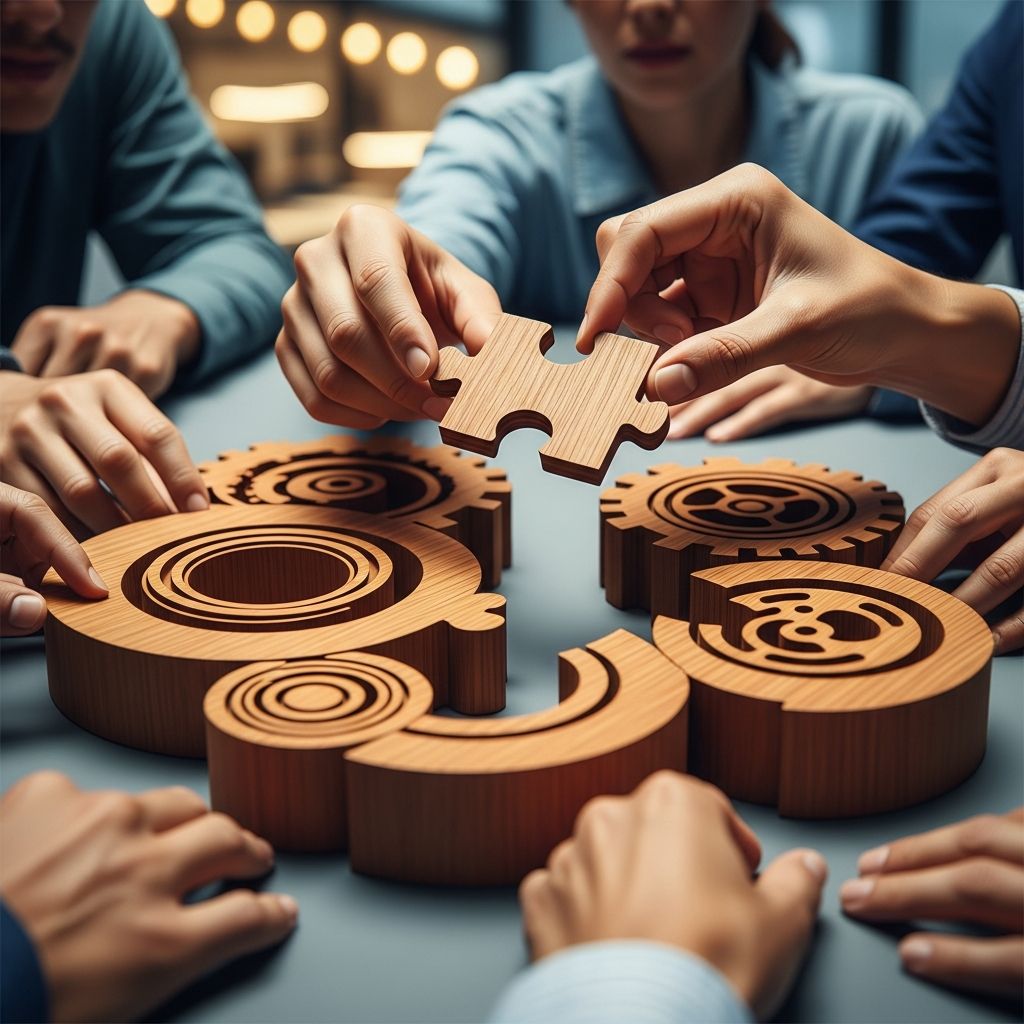
Effective teamwork forms the backbone of successful organizations, enabling diverse groups to achieve shared objectives with greater efficiency and innovation. In dynamic work environments, teams that collaborate seamlessly outperform individuals working in isolation, as they leverage collective strengths to tackle complex challenges.
Establishing a Strong Team Foundation
Building a high-performing team begins with a solid foundation rooted in mutual understanding and alignment. Leaders must articulate the team’s overarching purpose, ensuring every member grasps how their efforts contribute to larger organizational goals. This clarity prevents misalignment and fosters a sense of unity from the outset.
Defining **clear goals** is paramount. Teams thrive when objectives are specific, measurable, attainable, relevant, and time-bound—commonly known as SMART goals. For instance, rather than a vague aim like “improve sales,” a SMART goal might specify “increase quarterly sales by 15% through targeted client outreach by Q2 end.” Regular progress reviews allow adjustments, keeping momentum alive.
- Articulate the team’s mission and vision collectively.
- Break down goals into actionable milestones.
- Schedule periodic check-ins to monitor advancement.
Defining Roles for Seamless Collaboration
Ambiguity in responsibilities often leads to overlap, frustration, and inefficiencies. To counter this, teams should map out each member’s roles early, aligning them with individual strengths and expertise. This not only optimizes performance but also empowers members by giving them ownership over their contributions.
Consider creating a **responsibility matrix** to visualize assignments. Such tools clarify who handles what, reducing conflicts and enhancing accountability. For example, in a project team, one person might own research, another execution, and a third reporting—ensuring comprehensive coverage without duplication.
| Role | Responsibilities | Strengths Aligned | Timeline |
|---|---|---|---|
| Project Lead | Oversee progress, facilitate meetings | Leadership, organization | Full project duration |
| Analyst | Data collection and insights | Analytical skills | Weeks 1-4 |
| Executor | Implementation and testing | Technical expertise | Weeks 5-8 |
| Communicator | Stakeholder updates, documentation | Writing, presentation | Ongoing |
This structured approach, drawn from established team management practices, promotes efficiency and respect for diverse contributions.
Cultivating Open and Inclusive Communication
Communication serves as the lifeblood of any team. Open channels encourage idea-sharing, swift issue resolution, and stronger interpersonal bonds. Active listening—fully concentrating, understanding, and responding thoughtfully—ensures messages are received accurately, minimizing misunderstandings.
Implement daily huddles or weekly stand-ups for quick updates, fostering psychological safety where members feel secure voicing concerns or suggestions. Tools like shared digital platforms can facilitate real-time exchanges, especially in remote or hybrid settings, bridging geographical gaps.
- Practice paraphrasing to confirm understanding.
- Encourage two-way feedback loops.
- Use visual aids for complex discussions.
Fostering Trust and Mutual Support
Trust underpins effective teamwork, enabling vulnerability, risk-taking, and authentic collaboration. Structured mentoring programs pair experienced members with newcomers, accelerating knowledge transfer and building rapport. Leaders can reinforce this by modeling transparency and providing consistent feedback.
Support manifests in practical ways: offering help during crunch times, sharing resources freely, and celebrating collective wins. A “team-first” mindset shifts focus from individual accolades to group success, enhancing cohesion.
Recognizing Contributions to Sustain Motivation
Acknowledgment fuels engagement. Publicly praising specific achievements—via shout-outs in meetings or digital badges—reinforces positive behaviors. Recognition programs that reward collaborative efforts incentivize ongoing teamwork, particularly for frontline or deskless workers who might otherwise feel overlooked.
Simple gestures like “thank you” notes or team lunches build goodwill. Data shows that recognized employees are more productive and loyal, creating a virtuous cycle of motivation.
Navigating Conflicts Constructively
Conflicts are inevitable but manageable with proactive strategies. Establish norms for respectful disagreement, such as focusing on issues rather than personalities. Mediation by neutral parties can de-escalate tensions, turning disputes into opportunities for growth.
Encourage early intervention: address minor frictions before they escalate. Post-resolution reflections help refine processes, preventing recurrence.
Innovative Activities to Strengthen Bonds
Team-building exercises break down barriers and inject fun. Virtual escape rooms for remote teams or in-person challenges like problem-solving scavenger hunts promote creative collaboration. Traditions, such as shared coffee breaks or game nights, cultivate belonging.
Mentor pairings extend beyond formal roles, fostering cross-level connections. These activities yield measurable gains in morale and output.
Leveraging Technology for Enhanced Teamwork
Modern tools streamline collaboration. Employee apps with chat, hubs for documents, and feeds for updates keep everyone aligned. Agile frameworks like Scrum introduce sprints and retrospectives, optimizing workflows.
- Centralized hubs for policies and guides.
- Secure chats for quick resolutions.
- Analytics to track team health.
Measuring and Sustaining Team Success
Track key metrics: project completion rates, member satisfaction surveys, and innovation outputs. Regular audits reveal strengths and gaps, informing refinements. High-performing teams evolve through continuous learning and adaptation.
Frequently Asked Questions (FAQs)
What are the core benefits of strong teamwork in the workplace?
Strong teamwork boosts productivity, sparks innovation, improves problem-solving, and enhances employee satisfaction by leveraging diverse skills toward common goals.
How can leaders promote psychological safety in teams?
Leaders promote it by actively listening, admitting mistakes, encouraging input without judgment, and following through on feedback to build trust.
What role does recognition play in team dynamics?
Recognition validates efforts, motivates continued collaboration, reduces turnover, and strengthens unity by highlighting individual impacts on group success.
How do you handle underperforming team members?
Address issues privately with clear feedback, set improvement plans aligned with strengths, provide support resources, and monitor progress collaboratively.
Are team-building activities effective for remote teams?
Yes, virtual activities like online games, collaborative workshops, and video check-ins effectively build rapport and skills in remote settings.
References
- 10 Tips for Effective Teamwork in the Workplace — Alabama Cooperative Extension System (aces.edu). 2023-05-15. https://www.aces.edu/blog/topics/finance-career/10-tips-for-effective-teamwork-in-the-workplace/
- Steps to Building an Effective Team — UC Berkeley Human Resources (hr.berkeley.edu). 2024-02-10. https://hr.berkeley.edu/hr-network/central-guide-managing-hr/managing-hr/interaction/team-building/steps
- The Basics of Working on Teams — MIT Human Resources (hr.mit.edu). 2023-11-20. https://hr.mit.edu/learning-topics/teams/articles/basics
- 7 Teamwork Tips: Building High-Performing Teams — Qooper (qooper.io). 2024-08-05. https://www.qooper.io/blog/teamwork-tips
- 22 Innovative Ways to Improve Teamwork — Blink (joinblink.com). 2024-03-12. https://www.joinblink.com/intelligence/22-innovative-ways-to-improve-teamwork-in-the-workplace

Medha Deb is an editor with a master's degree in Applied Linguistics from the University of Hyderabad. She believes that her qualification has helped her develop a deep understanding of language and its application in various contexts. Medha specializes in the areas of beauty, health, sports, and wellness and is committed to ensuring that the content on the website is…