
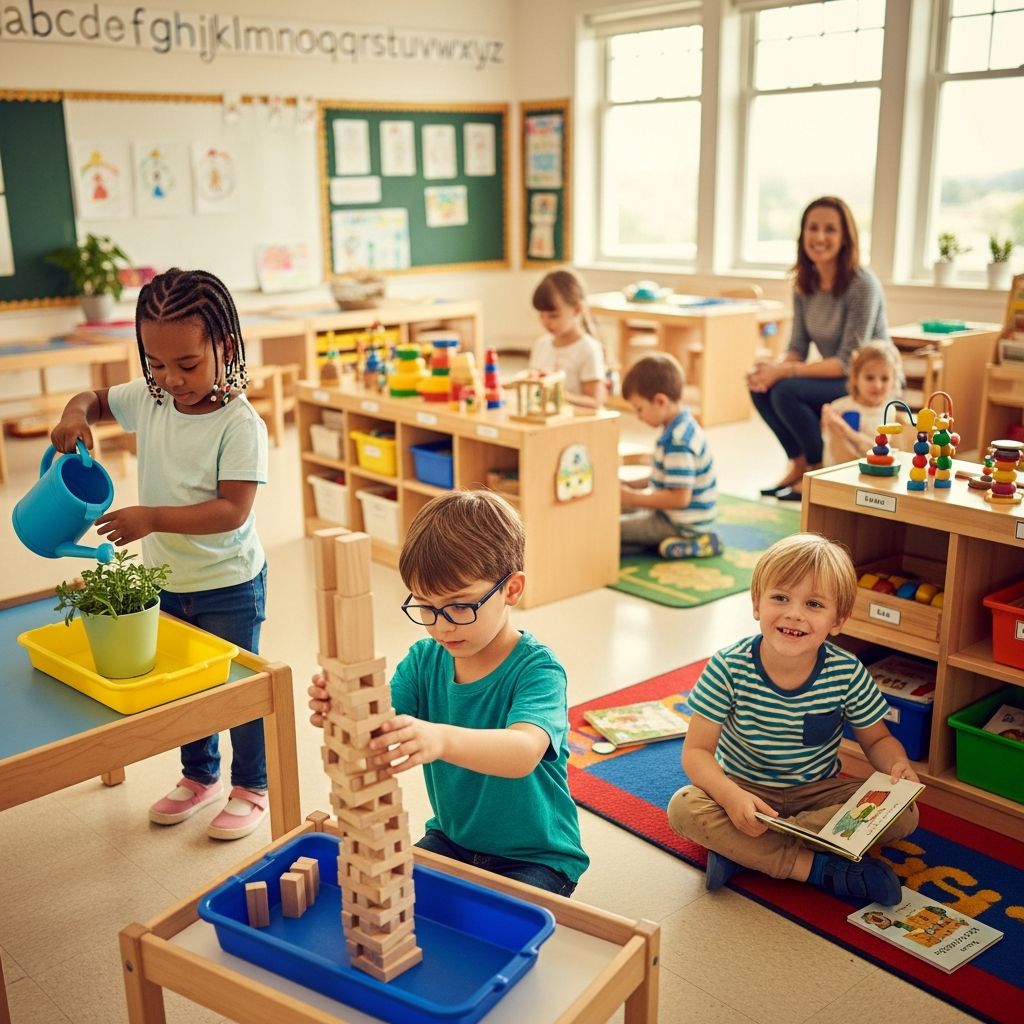
Helping young children develop self-reliance lays the groundwork for thriving in kindergarten. By focusing on practical daily tasks, parents can equip kids with the tools to manage their needs confidently.
Why Self-Reliance Matters in Early Education
Kindergarten marks a shift where children navigate new environments with less direct supervision. Mastering basic tasks like dressing or organizing belongings reduces anxiety and allows focus on learning. Research links early independence to enhanced problem-solving and resilience, enabling kids to engage fully in classroom activities.
Teachers prioritize children who handle personal care independently, as it frees time for instruction. This foundation not only aids academic performance but also fosters social bonds through peer interactions without constant adult aid.
Core Self-Care Abilities to Cultivate
Start with foundational skills that promote autonomy. These abilities ensure children feel secure during school transitions.
- Dressing and Undressing: Practice pulling on pants, shirts, and socks. Use elastic waistbands initially for ease.
- Hygiene Routines: Teach handwashing, nose blowing, and coughing into elbows. Demonstrate then supervise practice.
- Meal Management: Open containers, use utensils, and wipe spills. Simulate lunch setups at home.
Progress gradually: model the action, assist partially, then observe solo attempts. This scaffolding builds competence over time.
Building Routines for Classroom Success
Kindergarten demands adherence to structured days. Home practice mirrors school expectations effectively.
| Skill | Home Practice | Benefit |
|---|---|---|
| Multi-Step Instructions | “Grab your book, find your spot, and sit quietly.” | Prepares for group transitions |
| Cleanup Habits | Sort toys into bins post-play | Instills responsibility |
| Belongings Organization | Designate a shelf for daily items | Eases cubby management |
| Seated Focus | Story listening or turn-taking games | Supports circle time |
Incorporate games like “Simon Says” for fun instruction-following. Consistency reinforces these habits naturally.
Social and Emotional Foundations
Beyond physical skills, emotional tools are vital. Children must seek help appropriately and persist through challenges.
- Model phrases: “Can you help me, please?”
- Discuss feelings during tasks: “It’s okay to try again.”
- Encourage peer play without intervention.
Allowing safe failures teaches resilience. Kids learn self-motivation by exploring at their pace, boosting long-term confidence.
Practical Parental Strategies
Daily integration maximizes growth without overwhelming routines.
Provide Ample Time
Avoid rushing mornings. Allocate extra minutes for self-attempts, fostering patience and skill refinement.
Offer Limited Choices
“Red cup or blue?” empowers decision-making while keeping options simple.
Emphasize Effort
Praise process: “You kept trying—that’s awesome!” over outcomes alone.
Gamify Tasks
Race to button shirts or time tidy-ups playfully.
Montessori elements like real-life involvement—pouring water or folding towels—enhance engagement.
Designing an Independence Zone
Create a dedicated play area stocked with accessible materials: blocks, puzzles, books, and art supplies. This invites self-directed exploration, mirroring kindergarten centers. Ensure items suit their interests to sustain motivation without prompts.
Rotate contents weekly to spark curiosity. Observe from afar, intervening only for safety, to nurture intrinsic drive.
Progress Tracking Tools
Monitor development with a family checklist. Display visibly for shared celebration.
- ☐ Zips jacket independently
- ☐ Washes hands thoroughly
- ☐ Follows 2-3 step directions
- ☐ Manages lunch unassisted
- ☐ Tidies personal space
- ☐ Requests help politely
- ☐ Sits attentively 10+ minutes
Each mastery merits recognition, reinforcing positive cycles.
Long-Term Advantages
Independent kindergartners exhibit higher motivation and academic gains. They self-regulate better, recognizing limits and persisting. These traits extend to future education and careers, where autonomy is prized. Early habits like chores build lifelong responsibility.
Common Hurdles and Solutions
Frustration arises when skills lag. Counter with patience: break tasks smaller, use visuals like picture charts. If resistance occurs, link to fun rewards or peer examples.
For shy askers, role-play scenarios. Persistence varies; celebrate small wins to sustain momentum.
FAQs
What age should independence training begin?
Start around 3-4 years, aligning with developmental readiness for preschool transitions.
How do I handle repeated failures?
Comfort, then guide minimally. Failures build grit essential for growth.
Are virtual learning setups different?
Similar skills apply; emphasize self-paced activities and coach independence remotely.
What’s realistic for day one of kindergarten?
Basic self-care and following simple cues. Perfection isn’t expected—progress is.
How to motivate reluctant children?
Use their interests, pair with play, and model enthusiasm consistently.
Wrapping Up Home Practices
Independence blooms through routine home efforts, not drills. From mealtimes to bedtimes, embed opportunities for self-mastery. This prepares children not just for kindergarten, but empowered futures.
References
- Build Confidence Through Everyday Independence Skills — Wonjo Kids. 2023. https://wonjo.kids/blog/well-being/kindergarten-readiness-self-care-independence-skills-checklist/
- 6 Tips to Encourage Independence in Your Kindergartener — Connections Academy. 2023. https://www.connectionsacademy.com/support/resources/article/independence-in-your-kindergartener/
- Building Independent Skills in Young Children — Illinois Early Learning Project (.edu). 2023. https://illinoisearlylearning.org/toolkits/building-independent/
- Developing Independence in Children — Michigan State University Extension (.edu). 2023. https://www.canr.msu.edu/news/developing_independence_in_children

Medha Deb is an editor with a master's degree in Applied Linguistics from the University of Hyderabad. She believes that her qualification has helped her develop a deep understanding of language and its application in various contexts. Medha specializes in the areas of beauty, health, sports, and wellness and is committed to ensuring that the content on the website is…