
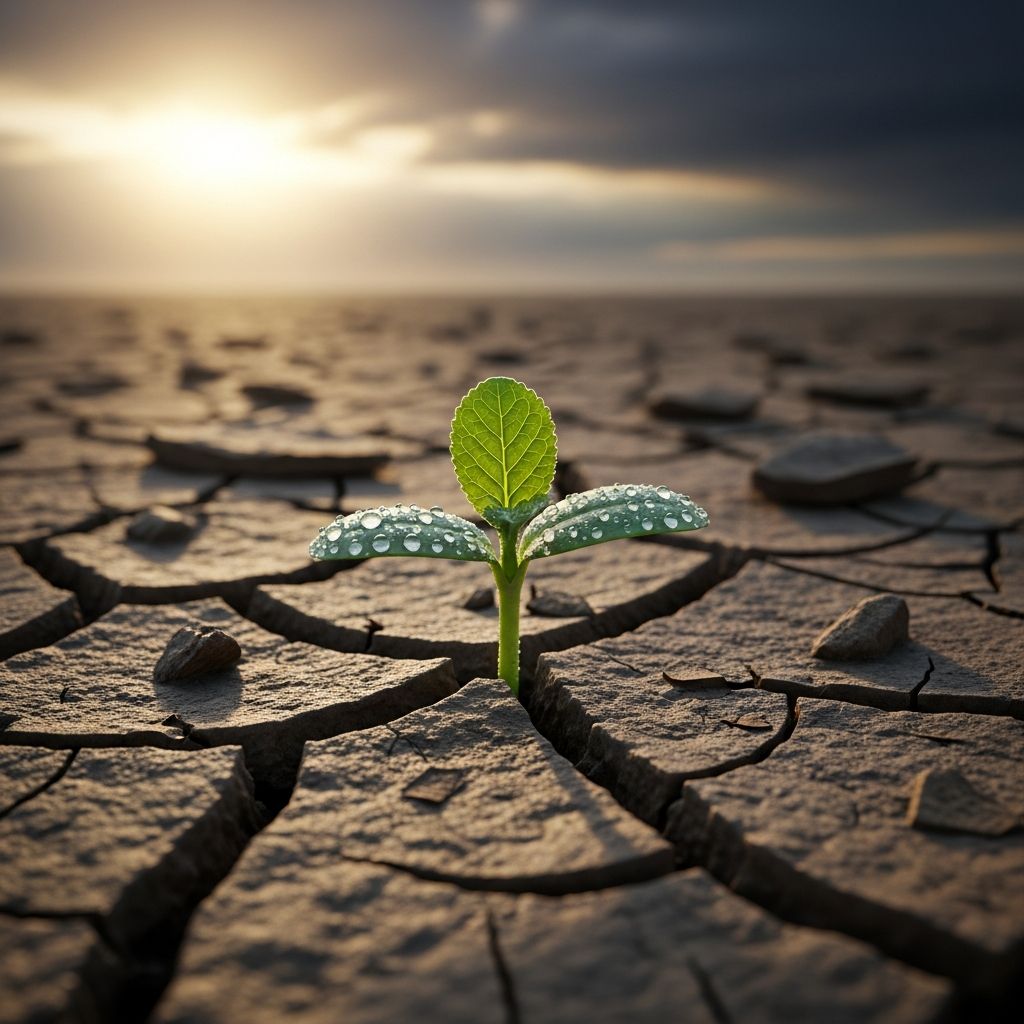
Life’s inevitable setbacks test our limits, but they also reveal our capacity for growth. **Resilience**—the ability to adapt and thrive amid adversity—is not an innate trait but a skill honed through deliberate practice. This article delves into actionable strategies drawn from psychological research and real-life applications to help you rebound stronger from any knock.
Understanding the Foundations of Inner Strength
Resilience begins with recognizing that challenges are universal. Whether it’s job loss, health crises, or personal failures, adversity strikes everyone. The difference lies in response: resilient individuals view obstacles as temporary and surmountable.
Key foundations include a supportive network, self-efficacy (belief in one’s abilities), and adaptive coping mechanisms. Studies show that those who cultivate these elements recover faster and often emerge with enhanced wisdom and fortitude.
Cultivating a Mindset for Enduring Success
A **growth mindset**, as pioneered by psychologist Carol Dweck, posits that abilities can be developed through effort. This perspective reframes failures as learning opportunities rather than personal indictments.
- Embrace challenges: See them as chances to stretch capabilities.
- Persist through setbacks: View effort as the path to mastery.
- Learn from criticism: Use feedback to refine approaches.
- Find inspiration in others’ success: It motivates rather than intimidates.
Implementing this mindset involves daily affirmations like “I am capable of improving” and journaling progress to track growth.
Harnessing Emotional Intelligence for Tough Times
**Emotional awareness** is pivotal: identifying feelings without judgment allows effective navigation. Techniques include labeling emotions (“I feel frustrated because…”) to reduce their intensity.
Build this skill by:
- Practicing daily mood check-ins.
- Using the RAIN method: Recognize, Allow, Investigate, Nurture.
- Expressing emotions constructively through writing or trusted conversations.
High emotional intelligence correlates with lower stress and better decision-making under pressure.
Practical Tools for Daily Stress Mastery
Stress erodes resilience if unmanaged. Proven techniques restore balance:
| Technique | Description | Benefits |
|---|---|---|
| Deep Breathing | Inhale for 4 counts, hold 4, exhale 4. | Activates parasympathetic nervous system, lowers cortisol. |
| Progressive Muscle Relaxation | Tense and release muscle groups sequentially. | Reduces physical tension, promotes sleep. |
| Time Blocking | Allocate specific periods for tasks and breaks. | Prevents overload, boosts productivity. |
Incorporate these into routines for cumulative effects. For instance, start mornings with 5 minutes of breathing to set a calm tone.
Reframing Thoughts: The Power of Cognitive Agility
**Cognitive flexibility** involves shifting perspectives to adapt. Challenge distortions like catastrophizing (“This ruins everything”) by asking: “What’s the evidence? Alternative views?”
Exercises:
- Thought records: Note triggering event, automatic thought, evidence for/against, balanced alternative.
- Perspective-taking: Imagine advising a friend in your situation.
- Gratitude practice: List three daily positives to counter negativity bias.
This builds mental agility, turning obstacles into solvable puzzles.
Setting and Achieving Goals Amid Chaos
Clear goals provide direction. Use SMART criteria: Specific, Measurable, Achievable, Relevant, Time-bound. Break large goals into micro-steps to maintain momentum.
Example: Facing career transition? Week 1: Update resume. Week 2: Network with 3 contacts. Track wins to fuel motivation.
Review progress weekly, adjusting as needed. This method combats overwhelm and fosters agency.
Prioritizing Physical and Self-Care Foundations
Body and mind are linked. **Self-care** isn’t indulgence—it’s resilience fuel:
- Exercise: 30 minutes daily aerobic activity boosts endorphins, resilience.
- Sleep: 7-9 hours nightly; consistent schedule enhances cognitive function.
- Nutrition: Balanced diet stabilizes mood; omega-3s support brain health.
- Hydration: Dehydration impairs focus—aim for 8 glasses daily.
Neglect here amplifies emotional strain; prioritize to amplify mental strength.
Building and Leveraging Support Networks
No one succeeds alone. **Support systems** provide perspective, encouragement, resources. Cultivate by:
- Scheduling regular check-ins with loved ones.
- Joining communities (online forums, groups) aligned with challenges.
- Offering help first to deepen bonds.
When needed, consult professionals: therapists offer tailored tools. HelpGuide.org emphasizes this for surviving tough times.
Real-Life Stories of Triumphant Comebacks
Nick Vujicic, born without limbs, embodies growth mindset. Through relentless action and faith, he became a global speaker, proving perceived limits are illusions.
Oprah Winfrey overcame childhood trauma via self-belief and action, building an empire. Her story highlights self-esteem’s role in transcendence.
Elon Musk faced multiple SpaceX failures but persisted, achieving reusable rockets. Small, consistent steps yielded breakthroughs.
These narratives illustrate: resilience is action-oriented, mindset-driven.
Frequently Asked Questions (FAQs)
What is resilience, and why does it matter?
Resilience is the capacity to recover from difficulties. It matters because it enables thriving amid inevitable life stresses, improving mental health and life satisfaction.
How long does it take to build resilience?
There’s no fixed timeline; consistent practice yields results in weeks to months. Start small for sustainable change.
Can anyone develop resilience?
Yes—it’s a skill, not a fixed trait. Everyone can improve with targeted strategies.
What if self-help isn’t enough?
Seek professional help. Therapists provide personalized guidance for deeper issues.
How does exercise boost resilience?
It releases endorphins, reduces anxiety, and enhances brain plasticity for better stress adaptation.
Integrating Strategies for Lifelong Resilience
Combine these tools into a personal resilience plan. Weekly reflection: What worked? Adjust accordingly. Over time, challenges become catalysts for evolution.
Remember, falling is part of rising. Each setback equips you for greater heights.
References
- Building Resilience: Techniques for Overcoming Life’s Challenges — Healing PCC. 2023. https://healingpcc.com/building-resilience-techniques-for-overcoming-lifes-challenges/
- The Power of Resilience: Strategies for Overcoming Life’s Challenges — The Foundation for a Healthy Dayton. 2023. https://www.tfhd.com/news/the-power-of-resilience-strategies-for-overcoming-lifes-challenges/
- Ways to Overcome Life Challenges and Struggles — CareerVillage. 2023. https://www.careervillage.org/questions/807905/what-are-some-different-ways-that-i-can-overcome-challenges-and-struggles-in-life
- 8 Mindset Strategies to Tackle Life’s Toughest Challenges — Joy Barican. 2023. https://www.joybarican.com.au/mindset-strategies-to-tackle-life-challenges/
- 4 Tips When Facing Life Challenges — Ultimate Medical Academy. 2023. https://www.ultimatemedical.edu/blog/4-tips-to-overcome-life-challenges/
- The Secret to Overcoming Life’s Challenges — Psychology Today. 2020-09-01. https://www.psychologytoday.com/us/blog/get-out-your-mind/202009/the-secret-overcoming-life-s-challenges
- Surviving Tough Times by Building Resilience — HelpGuide.org. 2023. https://www.helpguide.org/mental-health/stress/surviving-tough-times

Medha Deb is an editor with a master's degree in Applied Linguistics from the University of Hyderabad. She believes that her qualification has helped her develop a deep understanding of language and its application in various contexts. Medha specializes in the areas of beauty, health, sports, and wellness and is committed to ensuring that the content on the website is…