
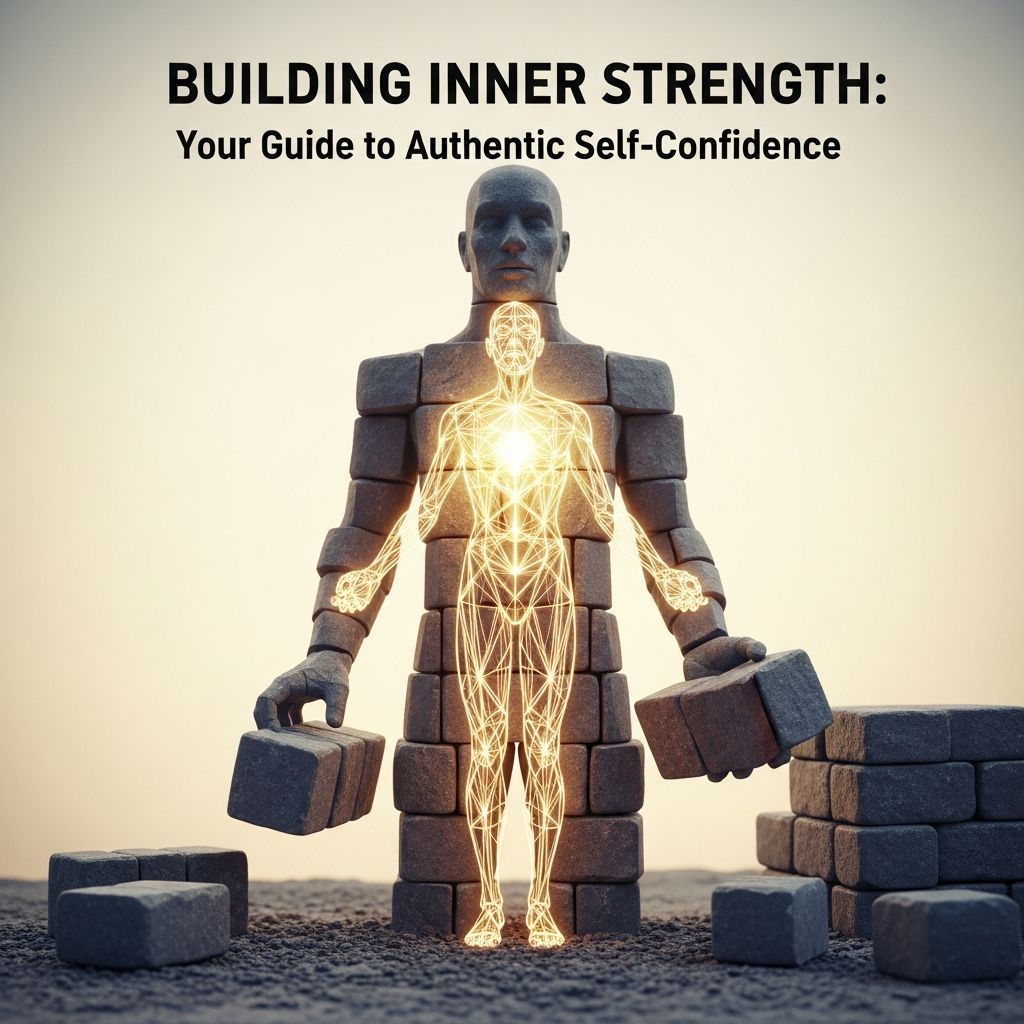
Self-confidence isn’t something you’re born with or without—it’s a skill you develop over time through intentional practice and conscious effort. Many people struggle with self-doubt, second-guessing their abilities, and feeling inadequate in various situations. Whether you’re facing a challenging work presentation, navigating social interactions, or pursuing personal goals, building genuine confidence can transform how you approach life’s obstacles and opportunities.
The journey toward greater self-assurance involves more than just positive thinking. It requires a multi-faceted approach that addresses your internal dialogue, physical presentation, behavioral patterns, and how you manage limiting beliefs. This comprehensive guide explores practical strategies that can help you cultivate authentic confidence that withstands challenges and grows stronger over time.
The Mental Foundation: Reshaping Your Inner Dialogue
Your thoughts create a continuous internal narrative that either reinforces or undermines your confidence. This mental script runs automatically throughout your day, influencing how you interpret events, respond to challenges, and perceive your own capabilities. The good news is that you have far more control over this dialogue than you might realize.
Recognizing and Challenging Negative Patterns
The first step toward mental resilience is becoming aware of your self-talk. Many people don’t realize how harshly they speak to themselves—critiques that would be considered cruel if directed at a friend become normalized when they’re internal. Start paying attention to the recurring thoughts that emerge during moments of stress, failure, or uncertainty.
Once you identify these patterns, you can begin questioning their validity. Ask yourself: Is this thought based on facts or assumptions? What evidence contradicts this belief? Would a trusted mentor agree with this assessment? By systematically challenging distorted thinking patterns, you create space for more balanced and empowering perspectives.
Constructing Empowering Self-Talk
Replace limiting statements with affirmations that reflect your actual capabilities and potential. Rather than generic platitudes, focus on affirmations that feel authentic to your situation. Phrases like “I am capable of handling challenges,” “My effort creates results,” or “I learn and grow from experiences” provide grounding truths that counteract self-doubt.
The effectiveness of affirmations comes from repetition and emotional engagement. Practice these statements during your morning routine, throughout challenging moments, and before important events. The neurological impact of repeatedly reinforcing positive self-beliefs helps rewire your brain’s default thinking patterns over time.
Harnessing Your Physical Presence
Your body and mind are intimately connected. The way you carry yourself, your posture, and even your facial expressions communicate messages to yourself and others. Leveraging this mind-body connection can generate feelings of confidence from the outside in.
Power Positioning and Presence
Scientific research demonstrates that adopting certain physical postures actually changes your neurochemistry and hormonal balance, creating genuine shifts in how confident you feel. Before important situations, spend a few minutes in a power position—standing with your feet shoulder-width apart, chest open, and arms in an expansive gesture. This isn’t mere theater; it activates physiological responses that increase feelings of capability and reduce anxiety.
The principle extends beyond dramatic poses. Simply maintaining upright posture, making appropriate eye contact, and moving with intention throughout your day sends powerful signals to your brain about your confidence level. When you physically embody the bearing of a confident person, your mind begins to accept this as your default state.
Grooming and Appearance as Confidence Building
How you present yourself visually affects how you feel internally. This isn’t about conforming to external standards but about taking pride in your appearance in ways that align with your values. Wearing clean, well-fitting clothes that make you feel good, maintaining personal grooming habits, and dressing appropriately for different contexts creates a positive feedback loop. When you look in the mirror and feel satisfied with your appearance, it boosts your overall sense of worth.
Communication Mastery and Speech Patterns
How you communicate reveals and reinforces your confidence level. Your speech patterns, word choice, and delivery all play significant roles in how others perceive you and, importantly, how you perceive yourself.
Pacing and Deliberate Speech
People who speak slowly and deliberately project authority and confidence, while rushed speech often signals anxiety or self-doubt. Practicing slower, more measured speech forces you to think more carefully about what you’re saying and demonstrates that you believe your words are worth hearing. This simple adjustment makes a measurable difference in how others respond to you.
Receiving and Offering Genuine Compliments
Many confident people struggle with accepting compliments gracefully. Develop the practice of truly receiving praise without deflecting, minimizing, or immediately returning the compliment. Absorb what’s being said, thank the person sincerely, and let yourself feel the positive recognition. Over time, learning to accept compliments rewires your brain’s perception of your own worth.
Similarly, offering genuine compliments to others creates a reciprocal relationship with confidence. When you actively notice and articulate the positive qualities in people around you, you cultivate a mindset focused on strengths rather than deficiencies, which naturally extends to how you view yourself.
Action as the Ultimate Confidence Builder
Perhaps the most powerful tool for developing confidence is taking action despite uncertainty. Confidence doesn’t precede action; it follows it. Every time you do something you thought you couldn’t, face a fear, or accomplish a goal, your belief in yourself strengthens.
Starting with Small, Achievable Goals
Rather than attempting dramatic transformations, build confidence through accumulating small victories. Set goals that stretch you slightly beyond your current comfort zone but remain achievable. Completing these goals creates concrete evidence of your capability, which your brain registers and uses to inform future confidence levels.
Create mini-milestones within larger objectives. If you want to become a more confident public speaker, your first goal might be speaking up once in a meeting, followed by giving a brief presentation to a small group, then advancing to larger audiences. Each completed milestone provides proof that you’re capable and builds momentum toward greater aspirations.
Embracing Failure as Part of the Process
Ironically, developing genuine confidence requires experiencing failure and discovering that you can survive and learn from it. When you avoid challenges to protect yourself from potential failure, you reinforce the belief that failure is something to fear. Conversely, when you attempt something, fail, adjust your approach, and try again, you develop resilience and authentic confidence.
Begin viewing setbacks as data collection rather than personal failures. What did you learn? How will you approach it differently next time? This reframing transforms failure from a threat to your self-image into a resource for growth.
Environmental and Relational Influences
Your confidence develops not in isolation but within a context of relationships, environments, and information sources. Being intentional about these influences accelerates your confidence development.
Curating Your Social Environment
Spend more time with people who believe in your potential and less time with those who constantly criticize or diminish you. Notice whether certain relationships leave you feeling energized or depleted, capable or doubtful. While you can’t always control who’s in your life, you can make choices about how much time and emotional energy you invest in different relationships.
Simultaneously, become a person who lifts others up. Offering genuine support and recognition to people around you creates a positive interpersonal dynamic and positions you as someone of value, which reinforces your own confidence.
Digital Presence and Media Consumption
Social media and online content can significantly impact confidence through comparison and filtered presentations of others’ lives. Be intentional about what you consume online. Follow accounts that inspire and educate you rather than those that trigger feelings of inadequacy. Consider taking periodic breaks from social media to focus on real-world achievements and relationships.
Physical Well-being and Confidence Connection
Your physical health directly influences your psychological state and confidence levels. Exercise, nutrition, and sleep all affect your mood, energy, and self-perception.
Exercise as a Confidence Catalyst
Regular physical activity provides numerous benefits beyond physical fitness. It boosts mood through endorphin release, improves energy levels, and creates a sense of accomplishment. When you maintain a consistent exercise routine, you’re proving to yourself that you can commit to goals and follow through, which strengthens your overall sense of capability.
Self-Care as Self-Respect
Taking care of your basic needs—getting adequate sleep, eating nutritious food, managing stress—sends a message to yourself that you’re worth caring for. When you neglect these fundamentals, you implicitly communicate self-neglect. Prioritizing your well-being is both an act of self-respect and a practical foundation for confidence.
Developing Assertiveness and Boundaries
Confident people understand and communicate their needs, preferences, and limits. Developing assertiveness—expressing yourself honestly while respecting others—is central to authentic confidence.
The Power of Strategic “No”
Learning to say no without excessive explanation or guilt is a hallmark of confidence. Each time you agree to something you don’t want to do out of fear of disappointing others, you erode your own confidence and teach others that your boundaries are negotiable. Practice declining requests clearly but kindly, and notice how this small act strengthens your sense of agency.
Expressing Your Authentic Perspective
Confident individuals share their genuine thoughts and feelings, even when they differ from others. This doesn’t mean being aggressive or dismissive of different viewpoints, but rather contributing your authentic perspective to conversations and decisions. The more you practice this, the more natural it becomes, and the more people respect your input.
Building a Confidence Toolkit
Create a personalized set of practices that you can turn to when facing situations that challenge your confidence. This might include:
- A list of affirmations specific to your challenges
- A record of past successes you can review before important events
- Physical exercises or power poses that help you feel grounded
- Trusted people you can reach out to for support
- Specific actions you can take to prepare for challenging situations
- Reminders of skills and strengths you sometimes forget you have
Planning for Resilience: Preparing for Difficult Scenarios
Confident people aren’t free from anxiety or uncertainty; they’ve simply developed strategies for managing these feelings. One effective approach is mentally preparing for potential challenges by considering worst-case scenarios and developing plans to navigate them. This removes much of the power these scenarios hold over you. When you’ve already thought through how you’d handle difficult outcomes, they become less frightening and more manageable.
Focus your energy on aspects you can actually control rather than worrying about unpredictable variables. If you’re nervous about a presentation, you can’t control whether all technology will work perfectly, but you can prepare backup plans, practice thoroughly, and develop your delivery skills.
Frequently Asked Questions
Q: How long does it take to develop genuine confidence?
A: Confidence building is an ongoing process rather than a destination. Some people notice changes within weeks of consistent practice, while deeper transformation typically takes months or years. The key is regular application of these principles rather than expecting overnight results.
Q: Can introverted people be confident?
A: Absolutely. Confidence isn’t about being outgoing or extroverted; it’s about believing in your capabilities and worth. Introverted people can be deeply confident while preferring smaller social groups or having reflective communication styles.
Q: What should I do when I fail despite my confidence efforts?
A: Failure is inevitable and valuable. Use it as information to refine your approach. Remember that a single failure doesn’t negate your overall capability. Resilient, confident people fail regularly; they simply don’t let individual failures define them.
Q: Is self-confidence the same as arrogance?
A: No. True confidence includes self-awareness and respect for others. Arrogance involves overestimating your abilities and dismissing others’ perspectives. Confident people can acknowledge their limitations and learn from others.
Q: How do I handle criticism without losing confidence?
A: Develop the ability to distinguish between constructive feedback and personal attacks. Confident people can hear valid criticism, extract useful information, and remain secure in their overall worth. Not all criticism is valid, and confident people can recognize the difference.
References
- 12 Simple Exercises to Build Confidence In Any Situation — The Speaker Lab. 2024. https://thespeakerlab.com/blog/confidence-building-exercises/
- 12 Techniques to Build Self-Confidence — Dr. TC North. 2024. https://www.tcnorth.com/building-confidence/12-techniques-to-build-self-confidence/
- 25 Killer Actions to Boost Your Self-Confidence — Zen Habits. 2024. https://zenhabits.net/25-killer-actions-to-boost-your-self-confidence/
- How can I improve my self-esteem? — Mind UK. 2024. https://www.mind.org.uk/information-support/types-of-mental-health-problems/self-esteem/tips-to-improve-your-self-esteem/
- Raising low self-esteem — National Health Service (NHS). 2024. https://www.nhs.uk/mental-health/self-help/tips-and-support/raise-low-self-esteem/

Medha Deb is an editor with a master's degree in Applied Linguistics from the University of Hyderabad. She believes that her qualification has helped her develop a deep understanding of language and its application in various contexts. Medha specializes in the areas of beauty, health, sports, and wellness and is committed to ensuring that the content on the website is…