
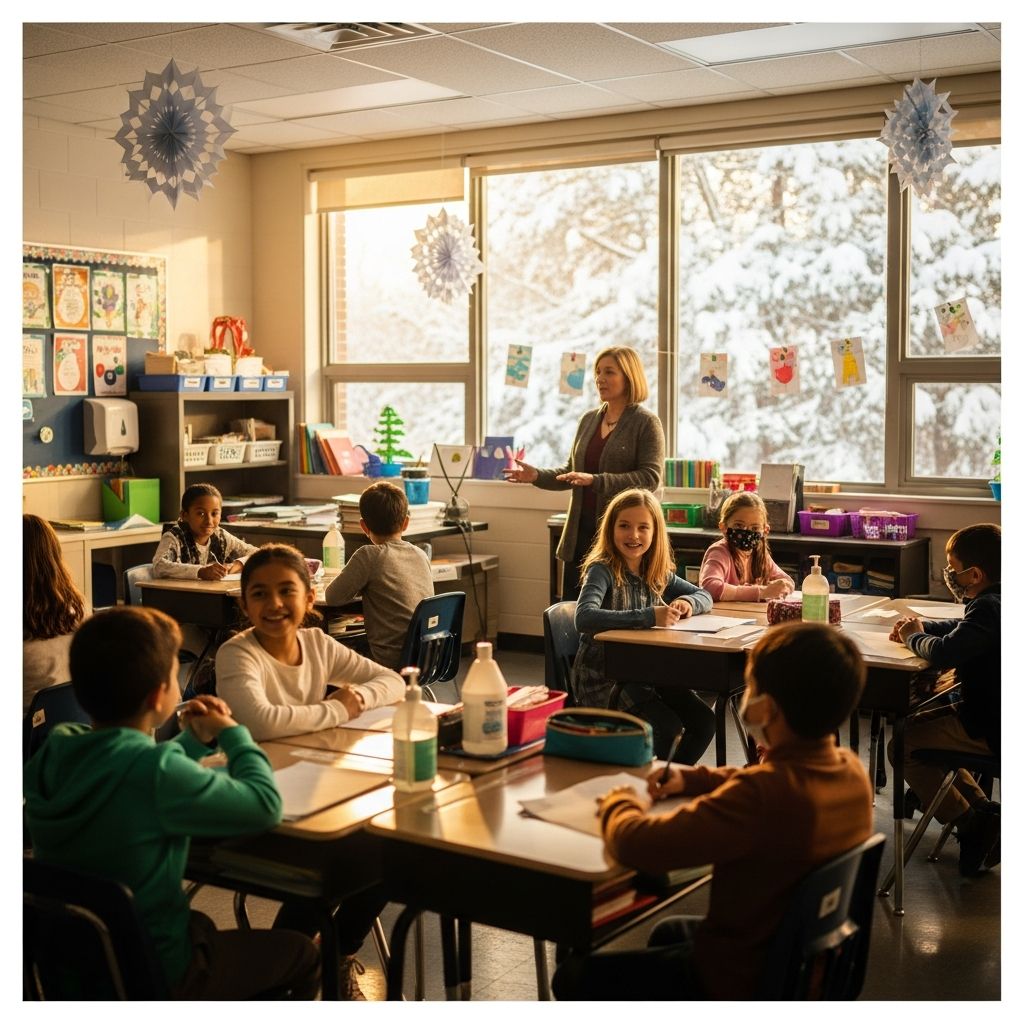
The transition into colder months often brings a noticeable decline in student focus and performance, a phenomenon intensified by the disruptions of COVID-19 school closures and remote learning. This winter learning slump, compounded by pandemic-related gaps, demands proactive measures from teachers, parents, and administrators to sustain academic momentum and emotional well-being.
Understanding the Roots of Seasonal and Pandemic Learning Declines
Seasonal learning dips occur annually due to holidays, weather-related absences, and post-vacation inertia, but the pandemic amplified these effects through prolonged interruptions. Research indicates that school closures led to significant, unequal impacts on student achievement, particularly in math and reading, with low-income students experiencing the steepest declines. For instance, studies project achievement gaps wider than a typical school year’s gains after just months of disrupted instruction.
Preschoolers faced unique challenges, with lockdowns impairing social cognition skills critical for early development. Children aged 335 showed marked drops in performance on cognitive tasks post-lockdown, especially from lower-resource homes. Older students grappled with executive function deficits, as stress from isolation hindered focus, planning, and emotional regulation. These layered issues create a perfect storm during winter, when daylight shortages and cabin fever exacerbate fatigue.
Building Emotional Resilience as the Foundation for Academic Recovery
Stressed students cannot absorb new material effectively, making social-emotional learning (SEL) the cornerstone of recovery efforts. Evidence shows that prioritizing strengths and coping skills yields better academic outcomes than deficit-focused remediation alone. Connected, happy students demonstrate enhanced problem-solving, creativity, and memory while mitigating anxiety’s toll on concentration.
Educators should foster safe environments where students feel valued for their unique contributions. This mindset shift-from “you’re behind” to “what gifts do you bring?”-boosts engagement and perseverance. Pairing academic support with SEL initiatives, like teaching self-regulation and growth mindset, proves essential. Students who believe effort cultivates ability, coupled with high teacher expectations and emotional safety, achieve stronger results.
- Implement daily check-ins to gauge emotional states and build trust.
- Incorporate mindfulness breaks to combat winter blues and refocus minds.
- Highlight student successes publicly to reinforce resilience.
Targeted Academic Interventions to Bridge Gaps Efficiently
High-dosage tutoring emerges as a top evidence-based strategy, delivering two hours daily of small-group or one-on-one instruction tied to core classroom content. This approach accelerates math and reading recovery, especially for elementary students furthest behind. Extended learning options, such as acceleration academies during breaks or double-dose classes, have demonstrated robust gains.
Mathematics warrants particular emphasis, as disruptions mirror and exceed summer losses, with steeper declines for vulnerable groups. Providing home learning materials in math equips families to reinforce skills outside school. Monitoring systems tracking attendance, grades, and engagement enable early interventions tailored to individual needs.
| Intervention | Target Grades/Subjects | Effect Size Evidence | Source |
|---|---|---|---|
| High-dosage tutoring | Elementary math/reading | Strong gains for below-grade-level students | |
| Extended school day | Literacy-focused | Moderate improvements | |
| Summer/break programs | Math priority | Prevents further loss | |
| Class size reduction | Early grades | Consistent benefits |
Strengthening Home-School Partnerships for Sustained Progress
Parents play a pivotal role in mitigating losses, as their involvement can offset interrupted schooling. During quarantines or harsh weather, families stepping into supportive teaching roles helps maintain skills. Schools should distribute user-friendly resources, particularly math-focused, to empower at-home learning.
Encourage routines blending academics with play, like gamified math challenges or reading aloud. Parental modeling of coping strategies teaches executive functions compromised by stress. Collaborative platforms for progress sharing build accountability and unity between home and school.
Adapting Winter Routines to Maximize Engagement
Remote or hybrid setups, reminiscent of quarantine, heighten slump risks, so structured virtual engagement is key. Short, interactive sessions prevent zoom fatigue, while movement breaks counter sedentary winters. Outdoor activities, weather permitting, boost mood via natural light and exercise.
Integrate peer interactions virtually, as social connections protect against dysregulation. Curriculum tweaks, like thematic units spanning subjects, maintain interest. Weekend or extended-day options provide catch-up without overwhelming schedules.
Long-Term Systemic Changes for Resilient Education
Beyond immediate fixes, invest in teacher training for SEL integration and data-driven monitoring. Policy shifts prioritizing equitable resource distribution address disparities. Longitudinal tracking ensures sustained recovery, adapting to evolving post-pandemic needs.
Economies face ripple effects from unaddressed losses, underscoring urgency. Holistic approaches yield thriving students, not just test-score chasers.
Frequently Asked Questions (FAQs)
What causes the winter learning slump?
Shorter days, holidays, illness, and post-pandemic stress reduce focus and attendance, widening existing gaps.
How effective is tutoring for recovery?
High-dosage tutoring tied to classwork shows strong results, especially in math for elementary students.
Can parents help without being educators?
Yes, through consistent routines, math resources, and emotional support, offsetting disruptions.
Is SEL more important than academics now?
SEL enables academics; stressed students underperform, so integrate both for optimal outcomes.
What about preschoolers affected by lockdowns?
They show social cognition lags; prioritize play-based interactions and family engagement.
References
- What Can You Do About Pandemic Learning Losses? - Greater Good Science Center at UC Berkeley. 2021. https://greatergood.berkeley.edu/article/item/what_can_you_do_about_pandemic_learning_losses
- What can we learn from research on disruptions to K-12 education? – Institute of Education Sciences (IES), U.S. Department of Education. 2021. https://ies.ed.gov/learn/blog/recovering-pandemic-what-can-we-learn-research-disruptions-k-12-education
- When the Great Equalizer Shuts Down: Schools, Peers, and Parents in Pandemic Times – Francesco Agostinelli et al. 2021. https://www.francesco-agostinelli.com/uploads/3/9/5/3/39536105/adsz_covid.pdf
- COVID Lockdown Disrupted PreschoolersNews. 2025-01-29. https://news.ucmerced.edu/news/2025/covid-lockdown-disrupted-preschoolers%E2%80%99-social-skills-trailblazing-research-shows
- Pandemic Learning Loss: Understanding Academic, Mental… – Klein Klein Zine. N/A. https://zine.kleinkleinklein.com/p/pandemic-learning-loss
- The pandemic has had devastating impacts on learning – Brookings Institution. 2022. https://www.brookings.edu/articles/the-pandemic-has-had-devastating-impacts-on-learning-what-will-it-take-to-help-students-catch-up/

- Integrated M.A. in Applied Linguistics, University of Hyderabad
- 5+ years in editorial, instructional, SEO, and research-based writing
Sneha is a relationships and lifestyle writer with a strong foundation in applied linguistics and certified training in relationship coaching. She brings over five years of writing experience to theskillvault, crafting thoughtful, research-driven content that empowers readers to build healthier relationships, boost emotional well-being, and embrace holistic living. Her writing and insights reflect the belief that beauty, happiness, and wellness…