
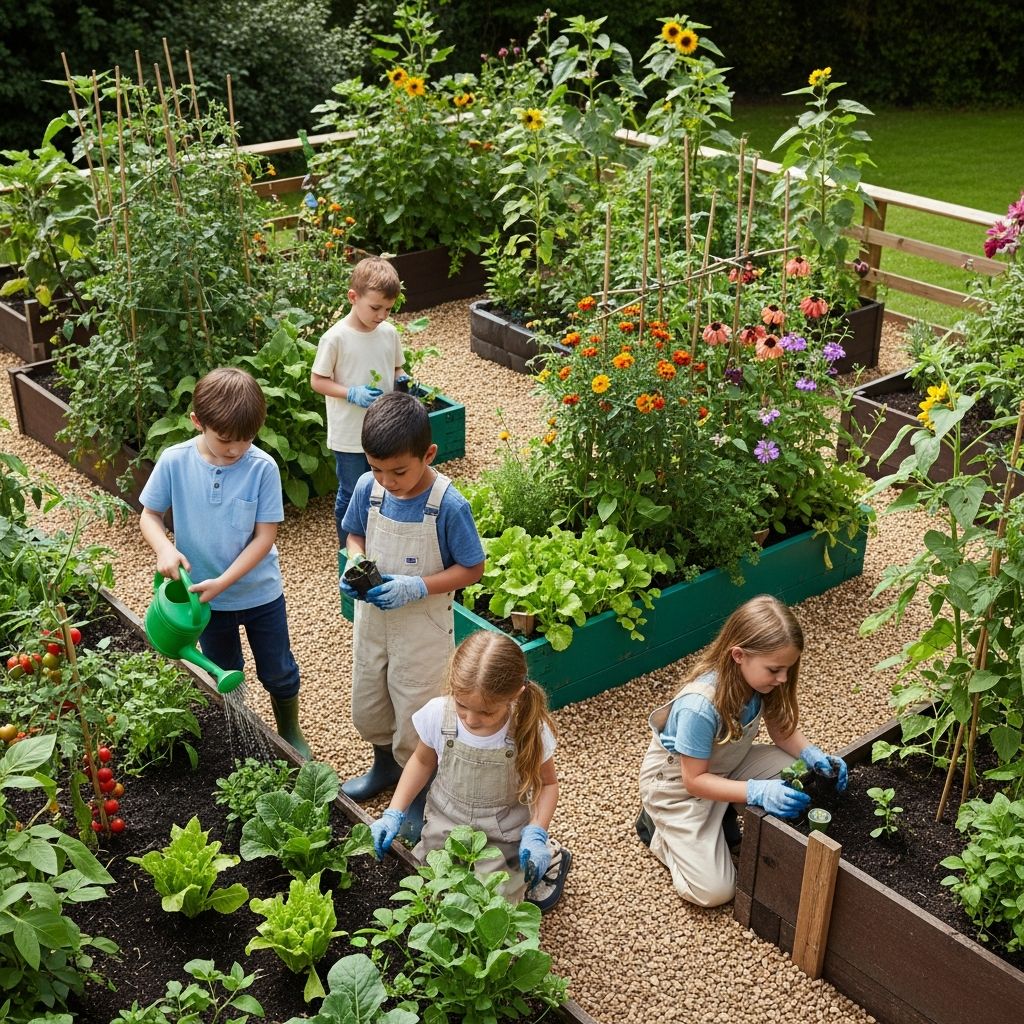
Creating Thriving Educational Garden Spaces: A Comprehensive Framework
Educational gardens represent one of the most transformative tools available to modern educators, offering students tangible connections to biology, sustainability, and environmental stewardship. Whether you operate within a traditional classroom setting or have access to outdoor grounds, cultivating a garden environment provides multifaceted benefits that extend far beyond simple plant cultivation. These spaces become outdoor classrooms where children develop critical thinking skills, foster curiosity about the natural world, and experience the satisfaction of nurturing living organisms.
The establishment of a functional garden in an educational setting requires thoughtful planning, realistic assessment of available resources, and clear understanding of your specific objectives. From windowsill herb gardens to expansive outdoor plots, the possibilities adapt to virtually any institutional constraint or teaching goal. This guide explores the essential elements needed to build a successful classroom garden program that engages students while supporting your curriculum.
Assessing Your Space and Available Resources
The foundation of any successful classroom garden begins with an honest evaluation of your physical environment and constraints. Before investing time and resources, educators must determine whether their garden will thrive indoors, outdoors, or through a hybrid approach combining both settings.
Consider these fundamental questions during your planning phase:
- How much usable space do you realistically have available for gardening activities?
- What is the natural light exposure in potential garden locations throughout the day?
- Do you have consistent access to water sources for regular irrigation?
- What is your budget for materials, soil, seeds, and maintenance supplies?
- How much direct student involvement can your curriculum accommodate?
- What are your institutional policies regarding outdoor work and garden maintenance?
Teachers operating under tight budget constraints need not feel discouraged. Numerous creative solutions exist for maximizing limited resources. Recycled containers including yogurt cups, egg cartons, toilet paper rolls, and plastic bags serve as effective growing vessels. Local businesses, community gardens, and parent networks often donate materials or provide access to soil and compost. Engaging students in the resource-gathering process itself becomes a valuable lesson in sustainable practices and creative problem-solving.
Selecting Appropriate Plants for Your Classroom Environment
Plant selection represents perhaps the most critical decision in garden planning, as choosing species matched to your specific conditions dramatically increases success rates and student satisfaction.
Fast-Growing Species for Immediate Results
Students experience tremendous motivation when they observe tangible growth within days rather than weeks. Cress stands out as the quintessential fast-growing option, producing harvestable shoots within one to two weeks using minimal equipment. The beauty of cress cultivation lies in its simplicity—seeds germinate on damp cotton wool or tissue paper without requiring soil, making it ideal for younger learners or those with extremely limited space.
Bean plants captivate elementary students, particularly when integrated with literature studies such as Jack and the Beanstalk. Using clear plastic bags filled with moist soil, students observe root development and shoot emergence while understanding the complete plant lifecycle. The tactile nature of bean cultivation appeals to kinesthetic learners and provides conversation starters for discussions about growth requirements.
Radishes represent another excellent rapid-growth option, maturing within three to four weeks while demanding minimal ongoing maintenance. Herbs including basil, mint, and cilantro thrive indoors under appropriate lighting and provide practical harvesting opportunities for culinary applications or classroom snacks.
Low-Maintenance Plants for Challenging Environments
Snake plants demonstrate remarkable tolerance for varied conditions, thriving in irregular lighting and forgiving infrequent watering. These architectural specimens feature striking leaf patterns that intrigue students while requiring virtually no specialized care. Spider plants similarly adapt to diverse light conditions and produce cascading foliage that works beautifully in hanging containers. The bonus of spider plant cultivation includes the emergence of plantlets, which students can propagate into new specimens—extending the learning experience indefinitely.
For educators seeking houseplants suitable for dim classrooms without abundant windows, dracaena species and pothos plants offer resilience alongside visual interest. These specimens tolerate the irregular watering schedules common in school environments while still providing year-round greenery.
Designing Functional Garden Layouts and Structures
Physical garden design significantly impacts both functionality and student engagement. Thoughtful spatial organization ensures efficient use of available area while creating aesthetically pleasing environments that inspire ongoing participation.
Container Gardening Approaches
Container gardens offer unparalleled flexibility, allowing educators to reconfigure layouts as needs evolve throughout the school year. Raised beds constructed from recycled materials provide accessible growing surfaces that accommodate students with varying physical abilities. Strategic placement of containers creates natural pathways and defined work zones that guide student movement and prevent soil compaction.
Containers require proper drainage systems with evenly spaced holes and landscape fabric barriers that prevent pest intrusion while allowing water passage. This infrastructure investment pays dividends through improved plant health and extended container lifespan.
Vertical Growing Systems
Space-conscious educators benefit tremendously from vertical growing methods. Livestock panels and sturdy fencing support climbing vegetables including pole beans, cucumbers, and gourds while maintaining accessible plant positioning. These structures can be bent into tomato cages or arranged to create enchanting garden tunnels that children enjoy traversing—transforming the garden into a multisensory adventure.
Seating, Pathways, and Shade Provision
Functional gardens include dedicated spaces for observation, rest, and reflection. Tree rounds serve as stepping stones, seating surfaces, and visual design elements. Wide raised beds accommodate students who need to crouch, kneel, or sit while performing garden maintenance. Shade structures provide essential relief during hot weather and protect sensitive plants from excessive sun exposure, extending growing seasons and improving student comfort during outdoor garden work.
Incorporating Educational Signage and Plant Identification
Strategic signage transforms gardens into outdoor classrooms by reinforcing academic concepts while providing practical plant information. Labels identifying plants, their growing requirements, and harvest dates serve multiple purposes simultaneously.
Educational signage can highlight plant anatomy, ecological concepts, and seasonal changes. Visual markers indicating which plants require weeding versus which serve educational purposes prevent accidental removal of intentional specimens. Multilingual labeling supports language development while creating inclusive spaces for diverse student populations.
Consider signage that presents thought-provoking questions about plant processes, encouraging independent observation and hypothesis formation. This approach transforms the garden into an inquiry-based learning laboratory.
Specialized Garden Themes for Enriched Curriculum Integration
Beyond basic vegetable plots, thematic gardens unlock unique educational opportunities while maintaining high engagement levels.
Pollinator and Butterfly Gardens
Dedicated pollinator gardens introduce ecological concepts while creating visually stunning spaces. Flowering plants attract butterflies and beneficial insects, providing live subjects for observation and study. Students witness pollination in action, understanding reproduction processes through direct observation rather than textbook descriptions alone.
Edible Flower and Herb Gardens
Culinary gardens offer sensory-rich learning experiences with immediate practical applications. Herbs including lavender, rosemary, sage, and thyme provide fragrant specimens that captivate younger learners while teaching about plant uses in cooking and traditional medicine. Edible flowers demonstrate that gardens produce more than vegetables, expanding student understanding of food sources and botanical diversity.
Culturally Responsive Planting Models
Three Sisters Gardens featuring the traditional indigenous trio of corn, beans, and squash honor cultural heritage while teaching companion planting principles. These integrated gardens demonstrate sophisticated ecological knowledge developed over centuries, connecting students to diverse cultural perspectives while reinforcing scientific concepts.
Indoor Gardening Solutions for Year-Round Cultivation
Winter months and challenging weather need not interrupt garden programs. Indoor cultivation methods maintain student momentum and extend learning opportunities throughout complete calendar years.
Seed starting indoors prepares seedlings for spring outdoor transplanting while teaching propagation techniques. Simple laboratory investigations using seeds and water introduce botanical concepts through hands-on experimentation. Hydroponic systems offer innovative growing methods that eliminate soil requirements while demonstrating alternative agricultural approaches.
Windowsill gardens utilizing southern or western exposures provide adequate light for many species. Supplemental grow lights enable cultivation of additional varieties, allowing students to maintain active gardening during seasons when outdoor work becomes impossible.
Establishing Maintenance Routines and Student Responsibilities
Successful gardens require consistent care and attention. Assigning specific student roles develops responsibility while distributing workload across multiple participants.
Rotating student positions through watering, weeding, harvesting, and observation tasks ensures broad exposure to gardening activities while preventing any single student from bearing excessive responsibility. Visual checklists guide maintenance activities, helping younger learners or those with attention challenges complete assigned tasks independently.
Documentation systems including garden journals, photographs, and observation charts create records of growth patterns and seasonal changes. These records support scientific literacy while providing assessment data demonstrating student learning.
Extending Learning Beyond the Garden
Classroom gardens connect to broader educational experiences through market-style sales featuring homegrown produce, donations to food banks, or integration with school cafeteria meal planning. These extensions demonstrate real-world applications of student efforts while supporting community-oriented learning objectives.
Garden-based art projects, creative writing exercises, and scientific investigations translate growing experiences into core academic content. Students engage in interdisciplinary learning where gardening becomes the vehicle for mathematics instruction, language arts development, social-emotional growth, and scientific exploration simultaneously.
Addressing Accessibility and Inclusive Design
Gardens should welcome all students regardless of physical abilities, learning styles, or cultural backgrounds. Raised beds positioned at varying heights accommodate students using wheelchairs or other mobility aids. Multiple sensory engagement opportunities benefit students with visual impairments or other differences in perception.
Diverse plant selections reflecting students’ cultural backgrounds create affirming spaces while expanding collective botanical knowledge. Flexible participation options ensure no student feels excluded from garden activities.
Evaluating Garden Program Success
Establishing clear objectives at the beginning helps educators measure whether their garden program achieves intended goals. Success metrics might include:
- Student participation rates and engagement levels during garden activities
- Documented growth in environmental knowledge and scientific understanding
- Development of collaborative skills and responsibility demonstrated through consistent maintenance
- Integration of garden-based learning across multiple subject areas
- Community involvement and support for ongoing programs
- Tangible harvests and food production outcomes
Frequently Asked Questions
Q: What if my classroom has limited natural light?
A: Several plant varieties thrive in low-light conditions, including spider plants, snake plants, and dracaena species. Supplemental grow lights extend options for additional plant types and enable robust indoor gardening programs regardless of window availability.
Q: How can I start a garden with minimal budget?
A: Recycled containers including yogurt cups, egg cartons, and plastic bags serve as effective growing vessels. Engage students and families in gathering free materials, contact local businesses for donations, and prioritize fast-growing species like cress that require minimal investment while delivering quick results.
Q: What plants grow fastest in classroom settings?
A: Cress demonstrates remarkable speed, producing harvestable shoots within one to two weeks. Bean plants, radishes, and fast-growing herbs including basil and cilantro similarly provide satisfying rapid growth that maintains student motivation and engagement.
Q: How can I maintain garden activities during winter?
A: Indoor gardening methods including seed starting, windowsill cultivation, hydroponic systems, and supplemental lighting enable year-round programs. Students can also spend winter planning next season’s garden, preparing materials, and engaging in related academic projects.
Q: Can classroom gardens accommodate students with different abilities?
A: Yes. Raised beds at varying heights, multiple sensory engagement opportunities, flexible participation options, and culturally responsive planting selections create inclusive spaces where all students can participate meaningfully.
References
- How to Create a Beautiful Class Garden — Twinkl Blog. 2024. https://www.twinkl.com/blog/how-to-create-a-beautiful-class-garden
- School Gardens — Design and Teaching — Green Schoolyards America. 2024. https://www.greenschoolyards.org/school-gardens-2
- Winter and Indoor Gardening Ideas for School Gardens — Massachusetts Schoolyard Garden Network. 2024. https://msgn.org/winter-and-indoor-gardening-ideas-for-school-gardens/
- Activities — KidsGardening. 2024. https://kidsgardening.org/resource-activities/
- How to Start a Classroom Garden With Minimal Resources — Project Learning Tree. 2024. https://www.plt.org/educator-tips/start-classroom-garden-minimal-resources/

- Integrated M.A. in Applied Linguistics, University of Hyderabad
- 5+ years in editorial, instructional, SEO, and research-based writing
Sneha is a relationships and lifestyle writer with a strong foundation in applied linguistics and certified training in relationship coaching. She brings over five years of writing experience to theskillvault, crafting thoughtful, research-driven content that empowers readers to build healthier relationships, boost emotional well-being, and embrace holistic living. Her writing and insights reflect the belief that beauty, happiness, and wellness…