
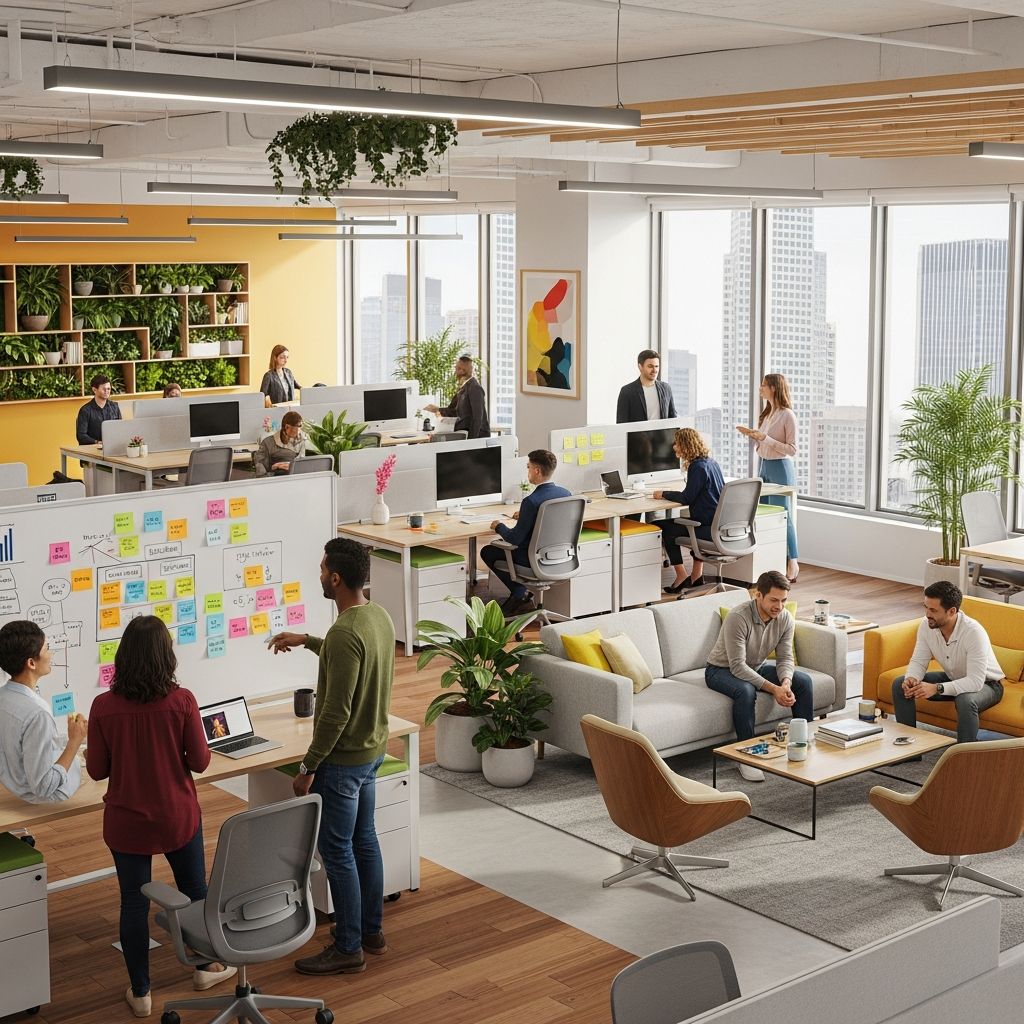
The modern workplace faces a persistent challenge: maintaining employee engagement and morale in increasingly complex work environments. Research consistently demonstrates that the spaces where people work profoundly influence their motivation, creativity, and overall job satisfaction. When employees feel energized by their surroundings and genuinely enjoy their work environment, productivity naturally increases and retention improves. Creating this type of workplace requires a multifaceted approach that addresses both the physical space and the human elements that define organizational culture.
Establishing Physical Comfort as the Foundation
The foundation of any engaging workplace begins with physical comfort. Employees cannot perform optimally or find enjoyment in their work when basic comfort needs go unmet. This encompasses ergonomic furniture that supports proper posture, adequate lighting that reduces eye strain, and climate control that maintains an appropriate temperature throughout the day. Beyond these essentials, the overall organization and cleanliness of the workspace communicate respect for employees and their wellbeing.
Natural light serves as a particularly powerful tool for enhancing workplace satisfaction. Studies suggest that exposure to natural light boosts alertness, regulates circadian rhythms, and improves mood. Organizations should arrange workstations to maximize access to windows and consider installing smart lighting systems that adapt to natural daylight levels. For areas without adequate natural light, quality artificial lighting that mimics natural conditions can provide similar benefits.
Equally important is acoustic design. Open office layouts have become increasingly common, yet many employees struggle with noise distractions that impede concentration. Creating designated quiet zones with sound-absorbing materials, establishing acoustic phone booths, and installing white noise systems helps maintain focus while still supporting collaborative work styles.
Introducing Flexibility Into Workspace Design
Modern workers rarely follow a one-size-fits-all work pattern. Some employees thrive in collaborative environments, while others need quiet, focused spaces to accomplish complex tasks. Implementing flexible seating arrangements acknowledges these diverse working preferences and significantly enhances employee satisfaction.
Activity-based working environments provide multiple workspace types to support different functions:
- Focus pods for deep, concentrated work
- Huddle rooms for small team discussions
- Collaboration zones with large tables and open sightlines
- Casual seating areas for informal conversations and breaks
- Phone booths for private calls and confidential discussions
This variety allows employees to select the environment that best supports their current task, reducing friction and increasing efficiency. Desk booking software can manage availability fairly while preventing unused space, optimizing real estate investment. Additionally, providing adjustable-height desks enables employees to transition between sitting and standing, combating fatigue and promoting circulation throughout the day.
Incorporating Natural Elements for Psychological Benefits
The inclusion of natural elements in office spaces produces measurable improvements in employee wellbeing and performance. Plants and greenery directly influence psychological states by reducing stress, decreasing airborne contaminants, and even minimizing noise through acoustic absorption. Beyond their functional benefits, plants create visual interest and signal that the organization values creating a pleasant environment.
Natural materials—wood, stone, and natural textiles—further enhance the biophilic design approach, which leverages humans’ innate connection to nature. Windows with views of outdoor spaces, indoor living walls, and even nature photography can provide psychological benefits for employees in fully interior spaces. Organizations can strategically place large plants to visually separate work areas while maintaining an open feel, creating natural boundaries without permanent walls.
Strategic Zoning to Balance Collaboration and Focus
The arrangement of office zones dramatically affects both productivity and social dynamics. Thoughtful zoning prevents collaborative noise from disrupting focused work while maintaining easy access to necessary interaction spaces. A recommended approach positions quiet work areas at one end of the office, gradually transitioning through medium-activity zones to high-energy collaboration areas at the opposite end.
Collaboration spaces deserve special attention, as they directly support innovation and teamwork. These areas should feature:
- Large tables accommodating whole teams or multiple small groups
- Writable surfaces for brainstorming and idea capture
- Technology-enabled meeting spaces with video conferencing equipment
- Flexible furniture arrangements supporting various collaboration styles
- Comfortable seating that encourages extended discussion
When positioned strategically, collaboration spaces can serve as effective buffers between quiet zones and high-activity areas, protecting focus work from distraction.
Fostering Genuine Team Connection Through Shared Experiences
While physical environment matters tremendously, the human element—connection between team members—creates genuine workplace enjoyment. Structured opportunities for informal interaction and celebration create bonds that transcend daily work tasks. These connections transform a collection of individuals into a cohesive team that supports one another.
Regular team gatherings serve multiple functions simultaneously. A Friday afternoon wind-down session, for example, allows team members to decompress while discussing the week’s accomplishments, challenges, and learning. These conversations build psychological safety, allowing employees to acknowledge difficulties and seek collective solutions. Celebrating problem-solving approaches and new technology implementations reinforces continuous improvement culture while strengthening interpersonal relationships.
Informal celebration rituals—recognizing milestones, acknowledging personal achievements, or marking seasonal events—create memorable moments that enhance job satisfaction and belonging. These need not be elaborate; simple acknowledgments of contributions, surprising treats, or unexpected time off often resonate more deeply than expensive formal events.
Building a Culture of Recognition and Appreciation
Employees consistently identify appreciation as fundamental to job satisfaction, yet many workplaces fail to make recognition a regular practice. Daily appreciation—through verbal acknowledgment, written notes, or public recognition in team meetings—communicates that individual contributions matter. This regular reinforcement of positive behavior and successful work creates a culture where employees feel valued.
Recognition becomes most powerful when specific and timely. Rather than generic praise, acknowledging exactly what someone accomplished and why it mattered creates genuine connection. Peer-to-peer recognition systems, where employees acknowledge each other’s contributions, create additional layers of appreciation and strengthen team bonds.
Supporting Employee Voice and Participation
Enjoyable workplaces empower employees to contribute meaningfully to organizational decisions and improvements. When employees have genuine voice in how their environment functions and how work processes evolve, they develop stronger investment in outcomes. This sense of agency transforms people from passive participants to active stakeholders.
Creating formal channels for feedback—town halls, suggestion systems, skip-level meetings with leadership—demonstrates that employee input influences decisions. When organizations act on employee suggestions, implement improvement recommendations, and transparently communicate why certain ideas were or weren’t pursued, trust strengthens considerably.
Strengthening Relationships Between Managers and Team Members
The quality of the manager-employee relationship profoundly influences overall workplace satisfaction. Managers who cultivate open communication, provide transparent feedback, and demonstrate genuine interest in their team members’ development create environments where people genuinely want to contribute. Supportive management discourages negative practices like micromanagement and favoritism, building psychological safety essential for engagement and innovation.
Effective management also involves investing in comprehensive training and coaching that develops both job-specific skills and soft skills. When organizations prioritize employee development, it communicates confidence in their potential and commitment to their long-term success. This investment strengthens loyalty and motivation.
Implementing Practical Wellness Features
True workplace enjoyment includes attention to employee wellbeing through dedicated spaces and practices. Quiet retreat areas provide sanctuary for employees needing mental breaks or managing stress during the workday. Meditation spaces, even simple corners with comfortable seating and calming elements, support mental health and resilience.
Easy access to outdoor spaces or visual connection to nature reduces stress and provides refreshment. Brief outdoor breaks significantly restore focus and emotional regulation. Organizations should also establish clean, organized spaces for eating meals—a place where employees can actually step away from work and recharge.
Leveraging Technology Thoughtfully
Rather than overwhelming employees with digital tools, thoughtfully selected technology removes friction from work. Desk booking systems ensure fair access to flexible spaces, calendar sharing shows team availability for hybrid work arrangements, and interactive workplace management platforms streamline space utilization. Providing employees with laptops and tablets demonstrates trust while enabling flexibility in where work happens.
Maintaining a Clean, Organized Environment
Cleanliness and organization seem fundamental, yet many workplaces underinvest in maintenance. A clutter-free environment promotes focus and communicates respect for employees. Regular cleaning schedules—including daily wipe-downs of frequently-used surfaces, keyboards, and common areas—prevent illness transmission while maintaining a pleasant atmosphere.
Ensuring Accessibility for All Employees
An engaging workplace welcomes all employees by removing barriers to participation and comfort. Universal design principles ensure that workspaces accommodate varying ability levels through ramps, adjustable desks, clear pathways, and accessible meeting protocols including captioning and clear agendas. Regular accessibility audits paired with actionable improvements demonstrate commitment to inclusion.
Frequently Asked Questions
Q: How can smaller organizations implement these strategies with limited budgets?
A: Begin with low-cost improvements like adding plants, organizing spaces effectively, establishing regular team gatherings, and strengthening manager-employee relationships. Gradually invest in ergonomic furniture and acoustic improvements as budget allows. Many improvements cost little but effort and thoughtfulness.
Q: How do these strategies apply to remote or hybrid teams?
A: For remote teams, provide stipends for home office improvements, ensure virtual meeting spaces feel inclusive, and create digital connection opportunities. In hybrid environments, use shared calendars showing who’s on-site, design spaces welcoming both remote and in-office employees, and run inclusive team-building activities.
Q: What’s the most impactful change an organization can make first?
A: Building stronger manager-employee relationships often creates the most immediate impact, as it influences how employees perceive all other workplace elements. Simultaneously, addressing physical comfort with ergonomics and lighting provides measurable benefits to daily experience.
Q: How do we measure whether our office environment is truly engaging?
A: Use employee engagement surveys, retention rates, absenteeism data, and direct feedback through focus groups. Pay attention to how long employees spend in collaborative spaces versus solo work areas—this reveals whether the environment supports intended usage patterns.
Q: How can we maintain momentum in workplace improvement efforts?
A: Establish continuous improvement frameworks with regular assessment cycles. Involve employees in identifying priorities and measuring progress. Celebrate successes and transparently address challenges. Treating workplace improvement as ongoing evolution rather than a one-time project sustains engagement and relevance.
References
- 7 Strategies to Create a Better Workplace Environment — Norm Group. 2025. https://normgroup.org/8917-2/
- 20 Suggestions for Improvement in the Workplace [2026 Edition] — YAROOMS. 2026. https://www.yarooms.com/blog/suggestions-for-workplace-improvement
- 16 Tips For A Happy And Productive Office Environment — Bond Collective. 2025. https://www.bondcollective.com/blog/office-environment/
- 15 Great Ways to Create a Healthy Work Environment — Achievers. 2025. https://www.achievers.com/blog/healthy-work-environment/
- 7 Ideas to Improve Your Office Environment & Boost Employee Engagement — Happiness Index. 2025. https://thehappinessindex.com/blog/improve-office-environment/
- 6 Strategies to Cultivate a Positive Work Environment — Pinion Global. 2025. https://www.pinionglobal.com/blog/6-strategies-to-cultivate-a-positive-work-environment/

Medha Deb is an editor with a master's degree in Applied Linguistics from the University of Hyderabad. She believes that her qualification has helped her develop a deep understanding of language and its application in various contexts. Medha specializes in the areas of beauty, health, sports, and wellness and is committed to ensuring that the content on the website is…