
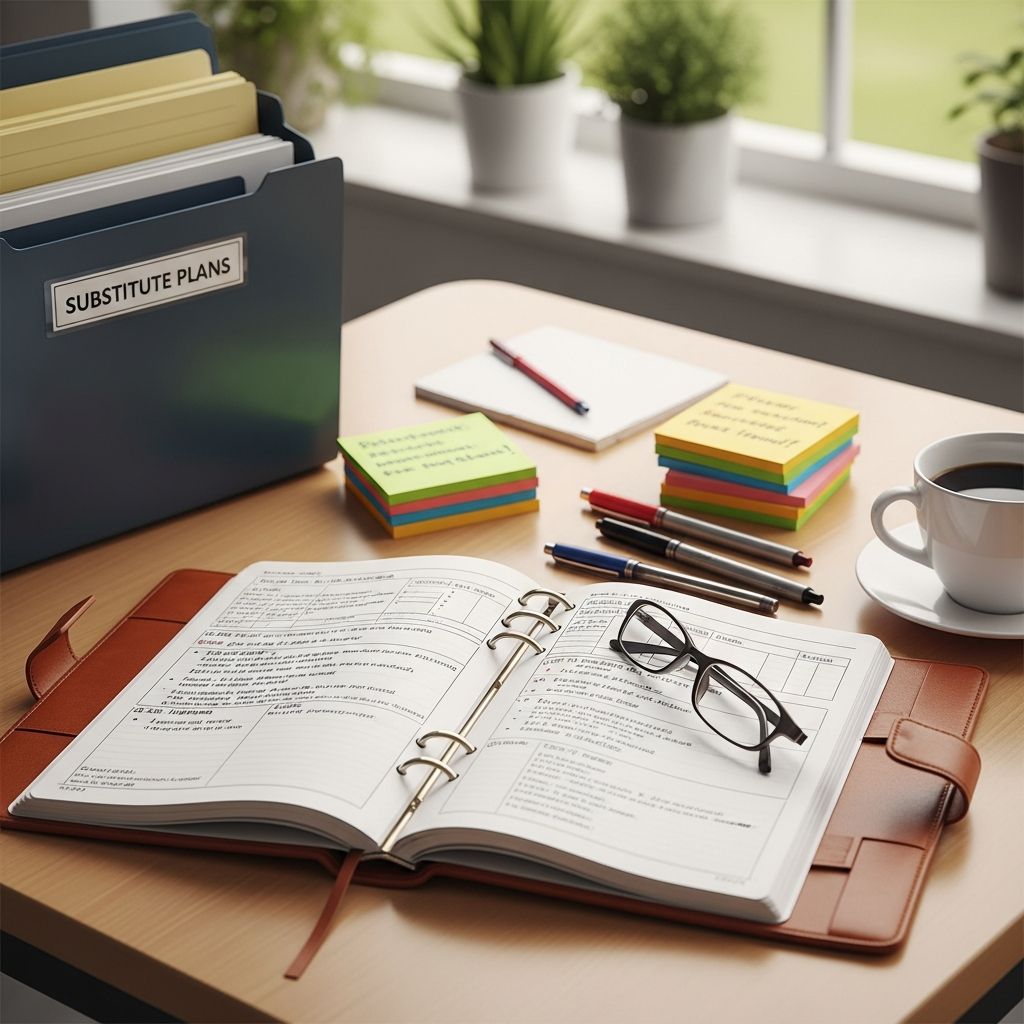
Teacher absences are inevitable, but with thoughtful preparation, they don’t have to disrupt learning. Effective substitute plans bridge the gap, empowering temporary educators to maintain classroom momentum, reinforce routines, and deliver meaningful instruction. This guide explores innovative strategies to craft plans that work every time, drawing from best practices in education to minimize stress and maximize student engagement.
Building a Comprehensive Substitute Resource Binder
A well-organized binder serves as the cornerstone of successful sub coverage. Positioned prominently in your classroom, it equips substitutes with instant access to essential details, reducing confusion and boosting confidence. Start by dividing it into clear sections for quick navigation.
- Classroom Essentials: Include class rosters, seating arrangements, daily timetables, and schedules for specialized services like therapy or medication administration. Note any allergies, health concerns, or individualized education plans (IEPs) to ensure safety.
- Support Contacts: List nearby colleagues, reliable student helpers, and direct lines to the nurse, maintenance staff, or IT support. Specify phone usage protocols and emergency procedures.
- Management Protocols: Detail your core rules, consequences for disruptions, and locations of supplies. Highlight restricted items and instructions for handling completed assignments.
- Daily Duties: Outline supervisory roles such as recess monitoring, bus duties, or transitions to special classes. Include steps for photocopying materials or managing library visits.
Update this binder at the year’s start and refresh it quarterly. For planned absences, attach tailored lesson outlines; for emergencies, embed generic activities.
Designing Foolproof Lesson Structures
Substitutes thrive on simplicity. Craft lessons that prioritize clarity over complexity, allowing any educator to facilitate without prior familiarity. Focus on familiar formats with fresh content to sustain rigor without overwhelming.
| Lesson Component | Key Guidelines | Examples |
|---|---|---|
| Objectives | State 1-3 measurable goals upfront | “Students will identify key vocabulary in a reading passage.” |
| Activities | Sequence in 15-30 minute blocks with timers | Video clip (10 min), worksheet (20 min), group discussion (15 min) |
| Extensions | Provide 2-3 fillers for fast finishers | Review game, journal prompt, or quiet reading |
| Assessment | End with quick checks like exit tickets | “Thumbs up if you understood; explain one concept.” |
Incorporate multimedia where possible—science videos or math interactives require minimal setup and captivate attention immediately. Always include material lists, confirming supplies are prepped or accessible.
Standardizing with Reusable Templates
Consistency across your school or team transforms subbing into a familiar routine. Develop a uniform template during professional development sessions, populating evergreen sections once for reuse all year.
Permanent elements might cover:
- Entry and exit procedures
- Material distribution and cleanup signals
- Permission requests for breaks or tools
- Work submission processes
- Attention-getters like claps or lights
For each absence, slot in lesson specifics. Digital versions via platforms like Planbook allow home editing and tabbed sub sections. This uniformity helps recurring substitutes adapt faster, fostering loyalty.
Preparing Students for Smooth Transitions
Proactive student priming prevents behavioral hiccups. Days before an absence, review expectations: “Respect the sub as my representative; follow the plan I prepared.” Preview activities to build anticipation and ownership.
Post-absence debriefs reinforce accountability—share sub notes publicly (anonymously) and tie them to class incentives. This cultural norm signals that subs are extensions of your authority.
Assembling an Emergency Sub Kit
Unplanned illnesses demand readiness. Curate a “sub tub” with 3-5 self-contained lessons spanning your subjects, each bagged with printouts, supplies, and USB backups for offline access.
Ideal contents:
- Video-based science experiments with worksheets
- Math review packets with answer keys
- Reading comprehension sets
- Creative writing prompts
- Standards-aligned games
Label clearly and note covered standards for instructional credit. Store in a dedicated bin; test annually to swap outdated materials.
Leveraging Video Instructions for Clarity
Record 5-10 minute walkthroughs demonstrating routines, lesson intros, and pacing. Host on a class portal or QR-linked drive—subs play them collectively, creating your virtual presence.
This slashes written plans to one page: class lists, allergies, schedules, and video links. Students feel guided; subs gain nuanced insights like tone cues or student quirks.
Setting Precise Expectations for Independence
Ambiguity breeds chaos. Explicitly define freedoms: seat-switching allowances, collaboration rules, tech usage, and completion thresholds. Phrasing like “Per teacher’s notes, partners are permitted for this task” deflects pushback.
Even flexible classrooms benefit from boundaries during subs, maintaining structure without rigidity.
Enhancing Sub Support Through School Systems
Administrators amplify teacher efforts via buddy pairings, where neighbors assist new subs. Districts can host trainings on management and pedagogy, plus networks for peer sharing.
Designate “master subs” (e.g., retirees) for premium pay and mentorship, boosting quality and retention.
Subject-Specific Adaptations
Elementary Focus: Fun and Structure
Blend play-based learning with visuals—song videos for phonics, hands-on math manipulatives. Emphasize transitions with songs or timers.
Middle School: Engagement Boosters
Incorporate debates or tech quests; provide role cards for group work to channel energy.
High School: Depth with Flexibility
Assign readings with discussion guides; include extension research for advanced paces.
Frequently Asked Questions (FAQs)
What should be in a basic sub binder?
A sub binder needs classroom info, contacts, rules, duties, and emergency plans for quick reference.
How do I make lessons sub-friendly?
Opt for simple, timed activities with materials listed, extensions, and assessments.
What’s an emergency sub kit?
A ready-to-go tub with 3-5 full lessons, printouts, and supplies for surprise absences.
Can videos replace written plans?
Videos complement concise notes, providing demos while keeping docs brief.
How to prepare students?
Review rules and preview plans ahead; debrief after for reinforcement.
Streamlining for Long-Term Success
Refine your system iteratively—solicit sub feedback via quick forms. Collaborate with colleagues for shared resources, like grade-level emergency packs. Over time, this evolves absences into opportunities for reinforced skills and fresh perspectives.
Investing in these strategies not only safeguards instruction but cultivates a resilient classroom culture. Substitutes become partners in learning, not placeholders.
References
- Supporting and Developing Effective Substitute Teachers — NEE Advantage. 2023-09-12. https://neeadvantage.com/blog/supporting-and-developing-effective-substitute-teachers/
- Tips for Successful Sub Plans — Senya. 2024-02-15. https://www.senya.app/resources/tips-successful-sub-plans
- 5 Ways to Simplify Prep for Substitutes — Truth for Teachers. 2023-11-08. https://truthforteachers.com/truth-for-teachers-podcast/emergency-sub-plans/
- Substitute Teacher Lesson Plans That Actually Work — Generation Genius. 2024-01-20. https://www.generationgenius.com/blog/substitute-teacher-lesson-plans-that-actually-work/
- Creating Effective Sub Plans: A Guide for Teachers — Education Corner. 2023-05-10. https://www.educationcorner.com/how-create-sub-plans/
- Make a Better Sub Plan Via Video — Edutopia. 2022-10-03. https://www.edutopia.org/article/making-your-sub-plan-video/

- Integrated M.A. in Applied Linguistics, University of Hyderabad
- 5+ years in editorial, instructional, SEO, and research-based writing
Sneha is a relationships and lifestyle writer with a strong foundation in applied linguistics and certified training in relationship coaching. She brings over five years of writing experience to theskillvault, crafting thoughtful, research-driven content that empowers readers to build healthier relationships, boost emotional well-being, and embrace holistic living. Her writing and insights reflect the belief that beauty, happiness, and wellness…