
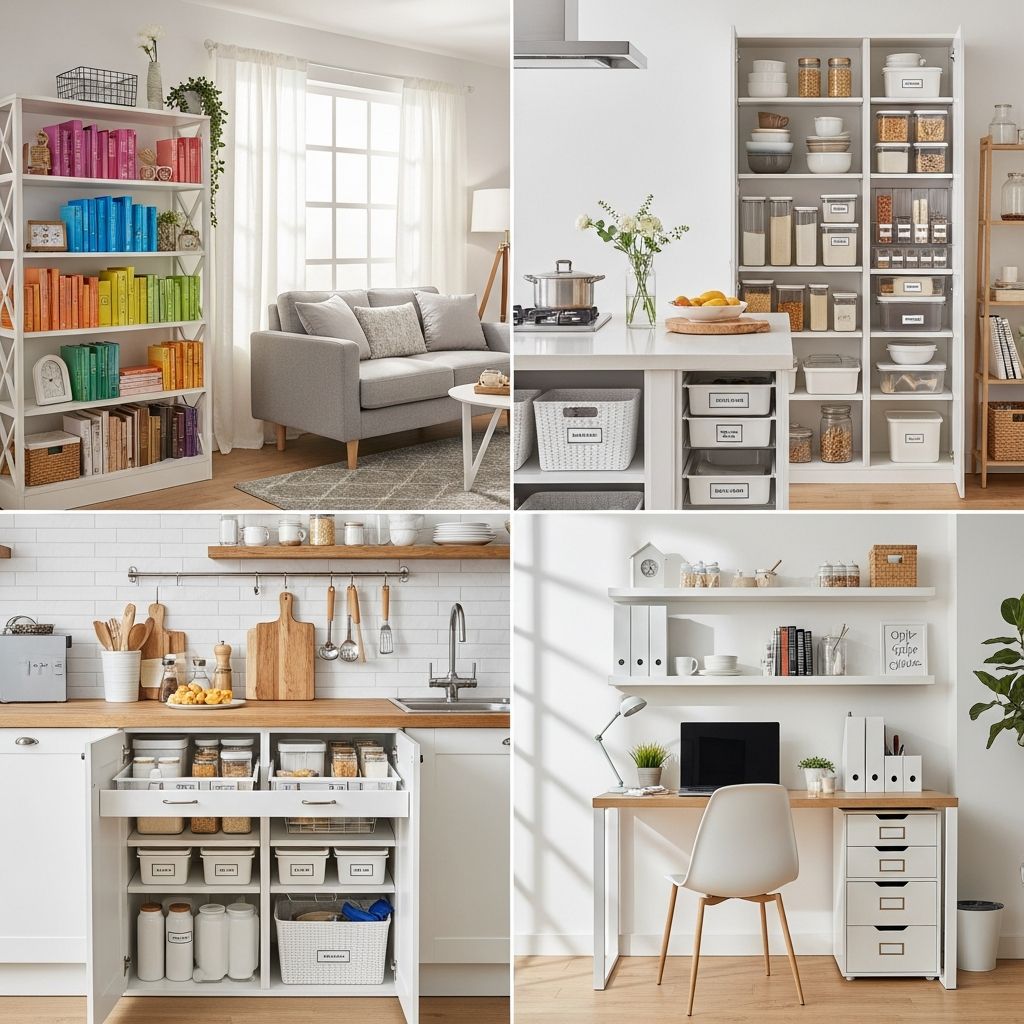
The accumulation of belongings in our homes happens gradually and often without conscious effort. Over time, unused items, duplicates, and objects we no longer need create clutter that can overwhelm us mentally and physically. Decluttering your home is not merely about aesthetics; it fundamentally improves how you live, work, and relax in your personal space. A well-organized home reduces daily stress, makes cleaning easier, improves functionality, and can even enhance your mental clarity and productivity. Understanding how to systematically address clutter throughout your entire home is the first step toward creating an environment that truly serves your lifestyle.
Understanding Why Clutter Accumulates and Why It Matters
Before diving into specific techniques, it’s important to recognize what causes clutter to build up in the first place. Many people struggle with decluttering because emotional attachments to items, indecision about whether something might be useful someday, or simple habit patterns make it difficult to let go of possessions. Additionally, lacking a clear organizational system means items have no designated homes, making them more likely to pile up on surfaces or be stored haphazardly.
The impact of living in a cluttered environment extends beyond the visual. Research on environmental psychology demonstrates that excessive clutter can increase stress levels, reduce focus, and lower productivity. When your surroundings are chaotic, your mind often mirrors that chaos. Creating order in your physical space creates corresponding order in your mental and emotional life. This connection between environment and well-being makes the effort to declutter a genuine investment in your quality of life.
Selecting Your Decluttering Timeline: Finding a Pace That Works for You
One critical factor in successful decluttering is choosing a timeline that aligns with your lifestyle and available time. Different approaches work for different people, and forcing an unrealistic schedule often leads to abandonment of the project.
For those living in smaller homes or apartments with limited items, a focused one-month sprint may be appropriate. This intensive approach involves dedicating 15 to 30 minutes daily to specific zones like drawers and cabinets, supplemented by longer weekend blocks for larger areas. This method works well for people who thrive on momentum and can maintain consistent effort.
A three-month timeline offers a more moderate pace, ideal for individuals balancing work, family, and other responsibilities. This approach allows you to tackle one area every two weeks, giving yourself adequate time to make thoughtful decisions about each item without feeling rushed. The extended timeline also permits a second cycle of review if desired, allowing you to catch items you may have hesitated about initially.
For those dealing with significant accumulation or managing complex storage situations, a six-month to one-year plan provides breathing room and prevents burnout. A one-year plan spreading tasks across monthly blocks works exceptionally well for busy households. Alternatively, dedicating two room categories monthly over six months maintains reasonable progress without overwhelming your schedule. The key is establishing a timeline you can realistically maintain rather than attempting an ambitious schedule you’ll abandon halfway through.
Preparing Your Space: Essential Supplies and Mental Framework
Successful decluttering requires minimal supplies but careful preparation. The most important tools are sorting containers for categorizing items throughout the process. You’ll need containers for trash, items to donate, and action items requiring follow-up decisions. Some people prefer using a trash bag instead of a dedicated trash container, as it visually reminds them of what’s heading out. The key is having clear visual separation between categories to prevent items from getting mixed up during the sorting process.
Before physically beginning, prepare mentally by releasing perfectionism. Decluttering doesn’t require achieving a magazine-ready home; it requires creating a functional, manageable space that works for your actual lifestyle. This perspective shift reduces the paralyzing nature of the project and makes decision-making easier. You’re not aiming for perfection; you’re aiming for sustainability and usability.
Room-by-Room Strategies: Tailored Approaches for Different Spaces
Entryways and Hallways: Creating Your Home’s First Impression
Entryways serve as transition zones between your public and private life, making them critical candidates for early decluttering. These spaces accumulate seasonal outerwear, shoes, bags, and miscellaneous items quickly. Begin by pulling everything from closets, hooks, cubbies, and shelves, creating a complete visual inventory of what you have. As you sort through each item, ask whether it remains in regular use. Seasonal items worn only occasionally should be stored elsewhere, keeping your entryway focused on what you actually use regularly.
Toss obviously unnecessary items like single gloves, duplicate water bottles, broken umbrellas, and outgrown equipment. Paper clutter naturally accumulates in entryways from mail and documents—set aside time to recycle junk mail, shred sensitive documents, and organize important papers into designated trays or folders. Return only items you’re keeping to their storage locations, ensuring each item has a clear home.
Closets and Wardrobes: Honest Assessment of Wearable Items
Clothing closets often harbor items we haven’t worn in years but keep for sentimental reasons or hypothetical future use. The most effective approach involves pulling everything from your closet at once and laying items in visible piles. This complete visual assessment prevents items from being forgotten in the back corners. As you review each piece, honestly evaluate whether you actually wear it. Consider whether the item fits your current lifestyle, flatters you, and coordinates with other pieces you regularly wear.
Create separate piles for items to keep, items to donate, and items requiring repair. Be realistic about repair intentions—if you haven’t had something fixed within a reasonable timeframe, it’s unlikely to happen. Once you’ve reviewed everything, return only your kept items to the closet in an organized manner that makes everything easily accessible and visible.
Bathrooms: Purging Expired and Forgotten Products
Bathroom spaces accumulate numerous personal care and beauty products, many of which expire or become forgotten in cabinets and drawers. Start by emptying your medicine cabinet, the space under your sink, and all drawers completely. As you sort, group similar items together—all hair products in one area, makeup in another, medications separately, and cleaning supplies designated accordingly. This grouping strategy reveals duplicates and makes it easier to spot products you’ve forgotten about.
As you review each group, immediately discard anything that has expired. If you haven’t used a product within a year, acknowledge that you probably don’t need it and let it go. Hair tools you never use, makeup colors that don’t suit you, or skincare products that didn’t work for your skin type should be removed. This ruthless editing keeps your bathroom functional and prevents accumulation of unused items that simply take up valuable storage space.
Bedrooms: Prioritizing Rest and Tranquility
Your bedroom should be a sanctuary for rest, not a storage repository for items without homes elsewhere. Begin by addressing the most prominent feature—your bed itself. Wash sheets, make your bed with intention, and instantly your room feels more organized. Next, tackle surfaces like dressers, nightstands, and shelves, removing items you no longer need or use. Every item on these surfaces should serve a clear purpose, whether functional or genuinely decorative.
If clothing has overflowed beyond your closet, sort through these items and find permanent homes or remove them entirely. Items sitting in piles on your bedroom floor or furniture clearly don’t belong—if you can’t locate a proper storage location, that’s a signal the item probably doesn’t belong in your home at all. The goal is creating a calm, clutter-free bedroom that supports restful sleep and provides peace of mind.
Kitchens: Streamlining Cooking and Storage Spaces
Kitchen decluttering requires a methodical approach because these spaces contain numerous categories of items. Begin by removing anything that doesn’t belong in the kitchen—papers, personal items, decorative objects from other areas that have migrated in. This step clarifies what actually needs kitchen storage. Next, inventory your appliances, dishware, cutlery, cooking tools, and other items, identifying duplicates or extras you can eliminate. If you own three spatulas but only use one, remove the others. If you have appliances you never use, even if you’ve thought about using them, be honest about whether they’ll ever truly be used.
Clear out broken items and those requiring repair. Even if you’ve intended to fix something, realistic assessment of your likelihood to actually repair it should inform your decision. Tackle cabinets and drawers by category—all pots together, all dishes grouped, all utensils in one location. This organization makes it obvious when you have duplicates and makes spotting items to eliminate much easier. Clear countertops of items that don’t belong, keeping the workspace functional and visually clean.
Home Offices: Establishing Functional Workspace
Workspaces accumulate paper, supplies, and miscellaneous items that accumulate during daily tasks. Clear your workspace completely, removing everything from your desk surface and drawers. Return only items you use daily. Downsize your supplies significantly—keep just a few pens or pencils and one or two essential supplies, storing extras elsewhere so they don’t consume valuable workspace. Sort paper piles into clear categories: documents to file, action items requiring completion, follow-up materials, and items to shred. Discard old receipts, catalogs, instruction manuals, and past bills unless you have legal or reference reasons to retain them. Keep only documents you genuinely need for legal purposes or those you may actually reference again.
Laundry Rooms and Storage Areas: Managing Bulk Items
Laundry rooms and storage spaces often become repositories for forgotten bulk items and excess supplies. Edit your laundry products by keeping only detergents, stain removers, and cleaning supplies you actually use regularly. Donate or discard half-empty bottles that didn’t meet your needs. Retire old towels and sheets to donation piles or use them as rags. Check bulk storage areas and use supplies you have before purchasing additional products. Toss worn-out linens and textiles that no longer serve a functional purpose.
Maintaining Long-Term Organization: Preventing Clutter Reaccumulation
Decluttering is not a one-time event but the beginning of a new relationship with your possessions. Maintaining your newly organized space requires establishing sustainable habits. Conduct quick assessments each season as you swap seasonal clothing and decorations, decluttering items that didn’t get used during that season. When you store seasonal items, label and date boxes clearly. If you haven’t opened a box by the next year, reassess whether those items deserve continued storage space.
Establish boundaries around storage space—when a shelf, bin, or wall rack reaches capacity, something must be removed before adding anything new. This prevents gradual reaccumulation. Schedule an annual reset weekend to tidy, sweep, and reassess stored items, preventing clutter from slowly rebuilding. These preventive practices ensure your decluttering efforts create lasting results rather than temporary clearing followed by reaccumulation.
Decision-Making Framework: Determining What to Keep
The most challenging aspect of decluttering is making individual decisions about each item. Several questions can simplify this process. Does this item serve a clear purpose in your current life? Have you actually used it within the past year? Does it fit your body, your home, or your aesthetic? Is it in good working condition? If an item fails multiple criteria, it’s likely a candidate for removal. Avoid keeping items based on guilt (you paid for it), obligation (someone gave it to you), or hypothetical future scenarios (you might wear it someday). These emotional attachments often prevent necessary letting go.
Additionally, if you cannot identify a specific home or storage location for an item, this absence of purpose strongly suggests it doesn’t belong in your home. Items without designated places naturally accumulate on surfaces and in piles, creating clutter. Only keep items that have clear, accessible storage locations.
Frequently Asked Questions
Q: How do I handle sentimental items when decluttering?
A: Select a few truly meaningful sentimental items and create a dedicated storage solution for them. Take photographs of other sentimental items before letting them go, preserving memories without preserving physical clutter. Be honest about which items genuinely matter versus items you keep out of obligation or guilt.
Q: What’s the best way to dispose of items I’m removing?
A: Donate items in good condition to local charities or thrift stores. Sell valuable items online if you’re willing to invest time in the process. Recycle appropriate materials. Dispose of broken, unusable items in regular trash. Some communities offer specialized recycling for electronics or other materials.
Q: How can I prevent clutter from building up again?
A: Before bringing new items into your home, establish the rule that something must leave. Regularly assess whether items are actually being used. Maintain designated homes for all possessions and return items to their locations consistently.
Q: Should I declutter everything at once or gradually?
A: Choose a pace matching your schedule and temperament. Some people thrive with intensive, quick decluttering while others do better with gradual, consistent progress. Both approaches work—the important factor is selecting one you can sustain.
Q: How do I overcome emotional attachment to items?
A: Recognize that memories reside in your mind, not in physical objects. Take photographs of items holding sentimental value but not currently serving functional purposes. Focus on keeping items that genuinely enrich your life rather than maintaining items out of guilt or obligation.
References
- How to Declutter Your Home: A Room-by-Room Checklist — 1-800-GOT-JUNK. 2024. https://www.1800gotjunk.com/us_en/blog/decluttering/declutter-your-room-guide
- How to Declutter Your Home: A Complete Room-by-Room Guide — Modern Minimalism. 2024. https://modernminimalism.com/how-to-declutter-your-home/
- How To Declutter Your Home | The Complete Room-by-Room Guide — Nourishing Minimalism. 2024. https://nourishingminimalism.com/decluttering-guide/
- The Quickstart Guide to a Decluttered Home — Zen Habits. 2024. https://zenhabits.net/declutter-guide/

- Integrated M.A. in Applied Linguistics, University of Hyderabad
- 5+ years in editorial, instructional, SEO, and research-based writing
Sneha is a relationships and lifestyle writer with a strong foundation in applied linguistics and certified training in relationship coaching. She brings over five years of writing experience to theskillvault, crafting thoughtful, research-driven content that empowers readers to build healthier relationships, boost emotional well-being, and embrace holistic living. Her writing and insights reflect the belief that beauty, happiness, and wellness…